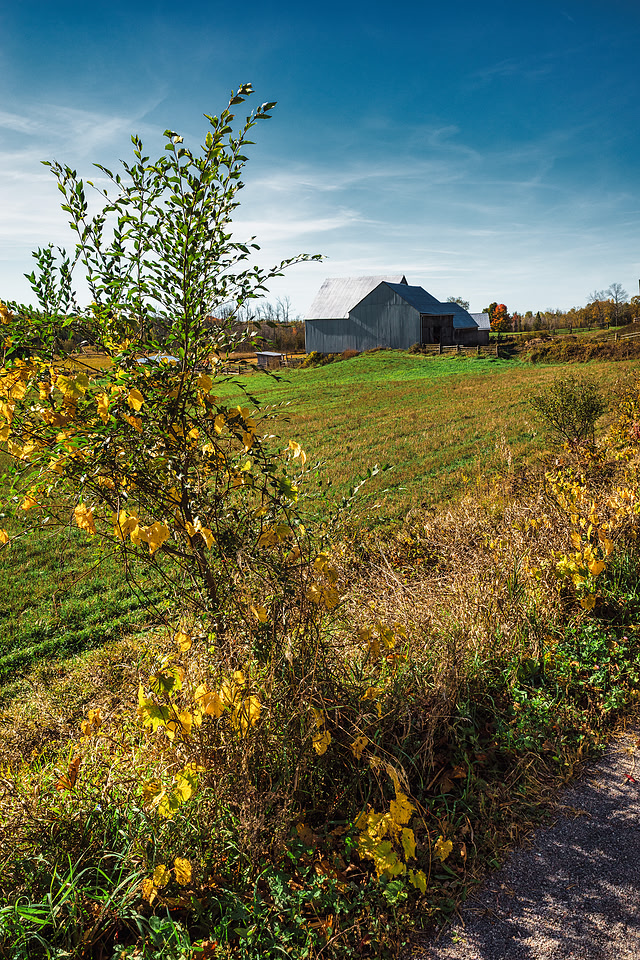
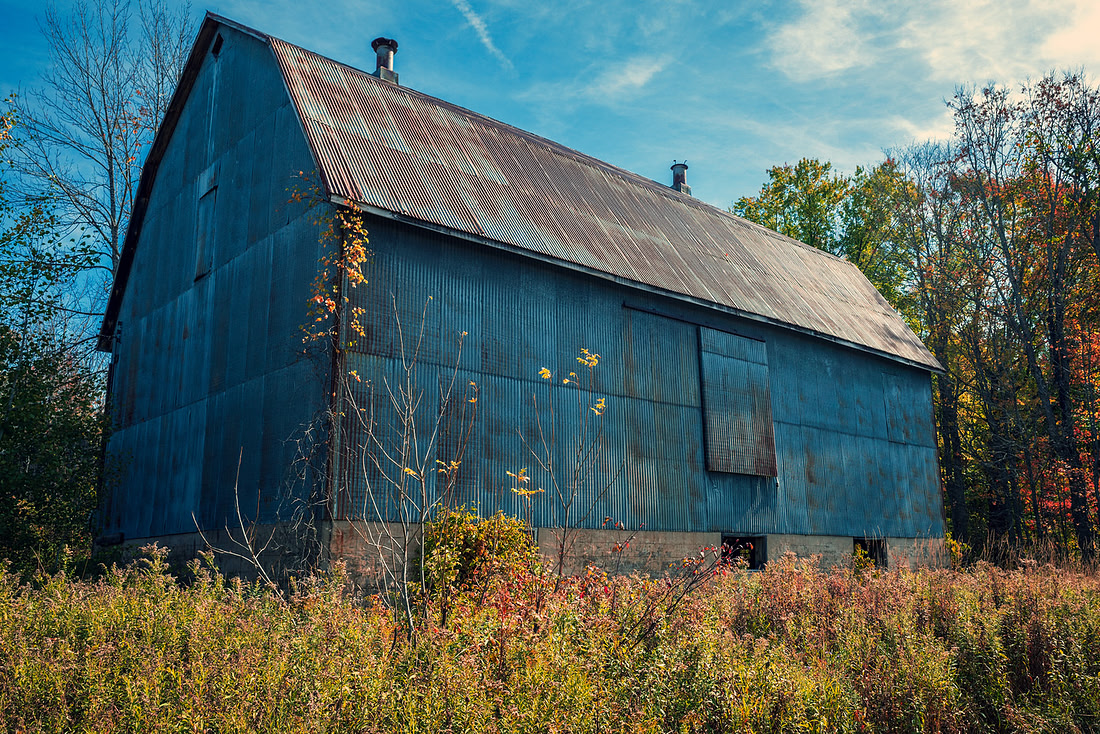
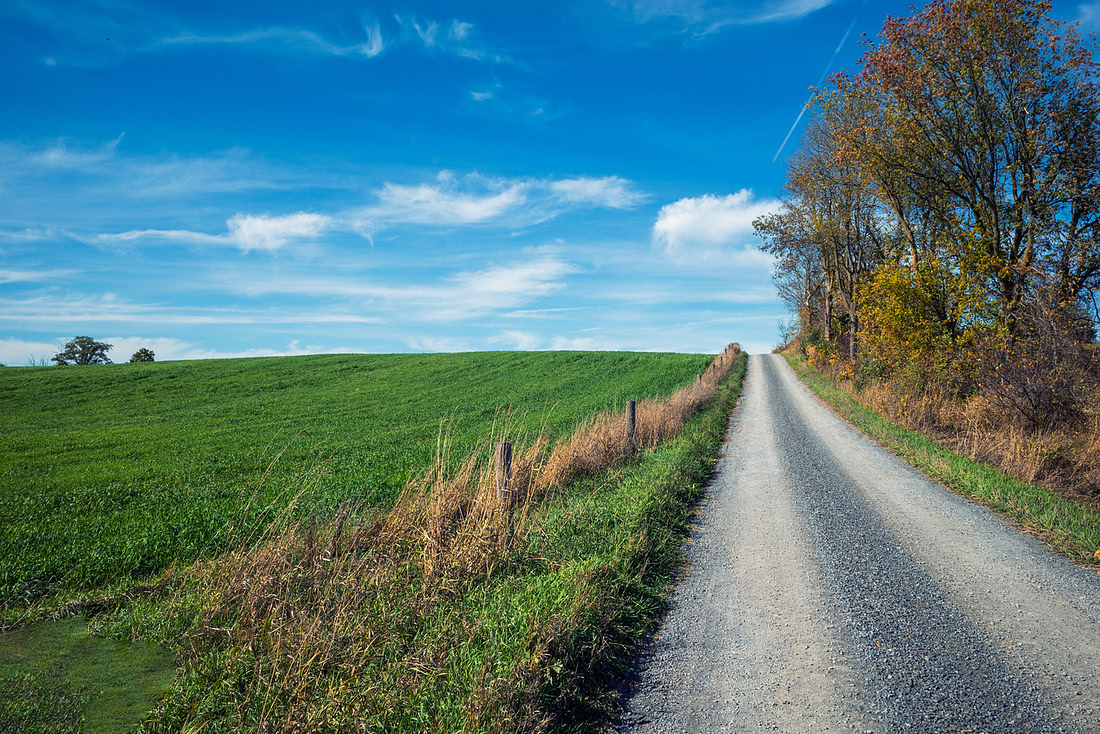
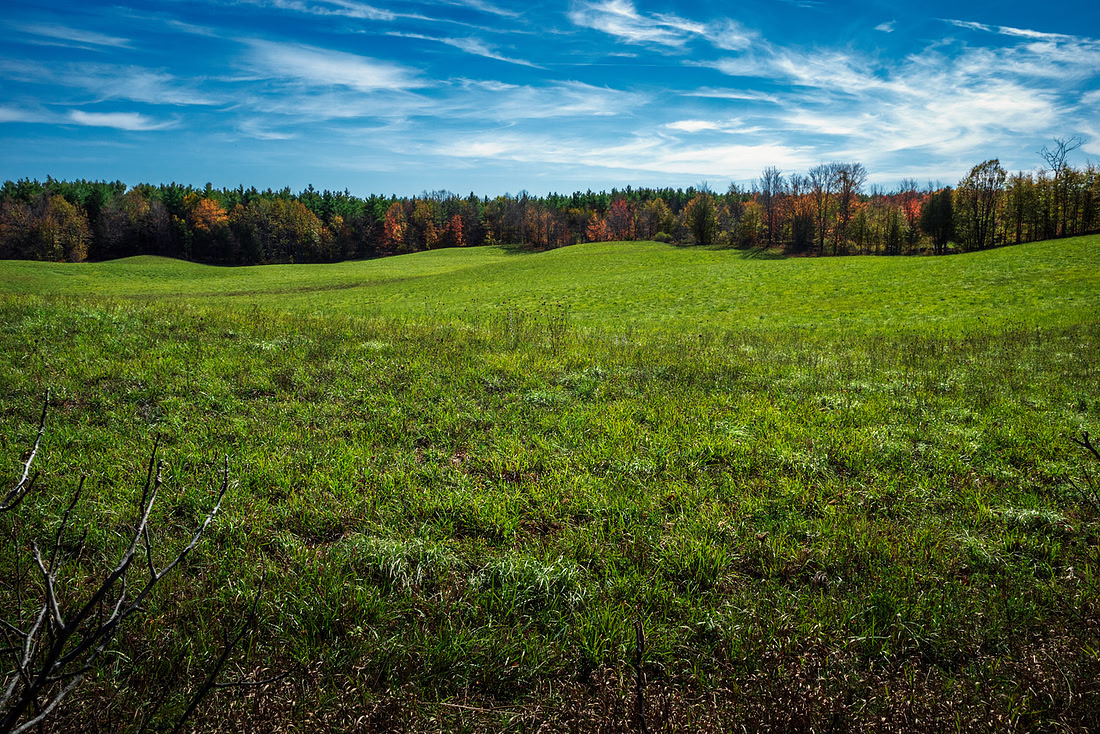
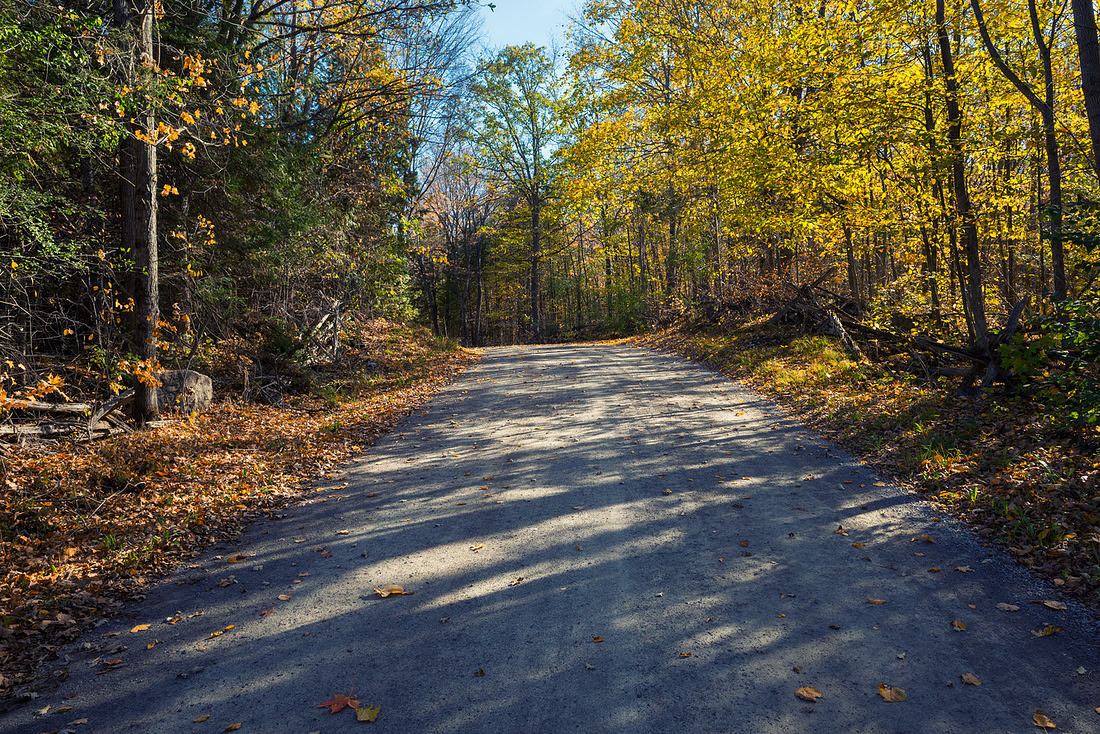
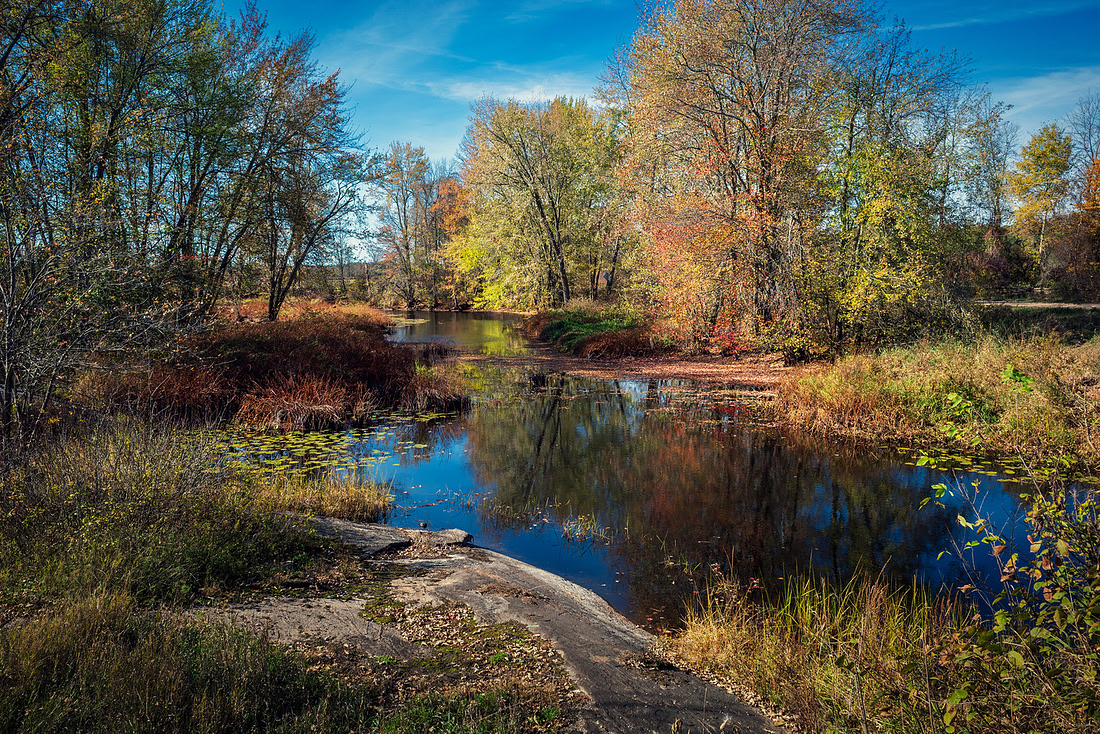
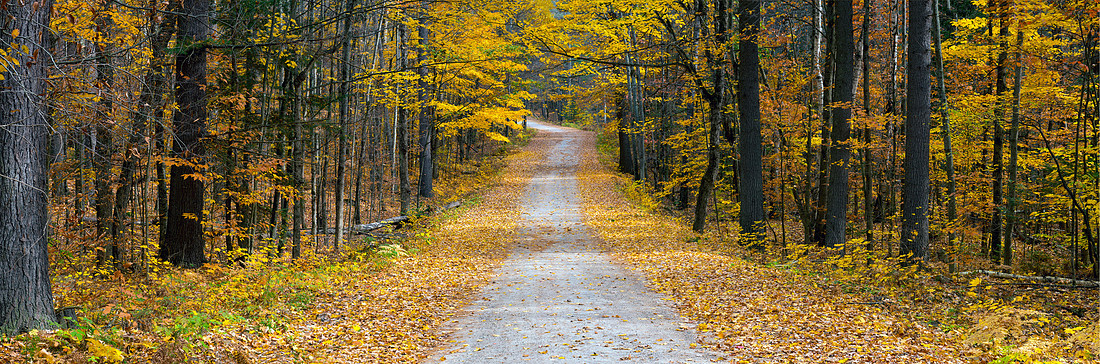
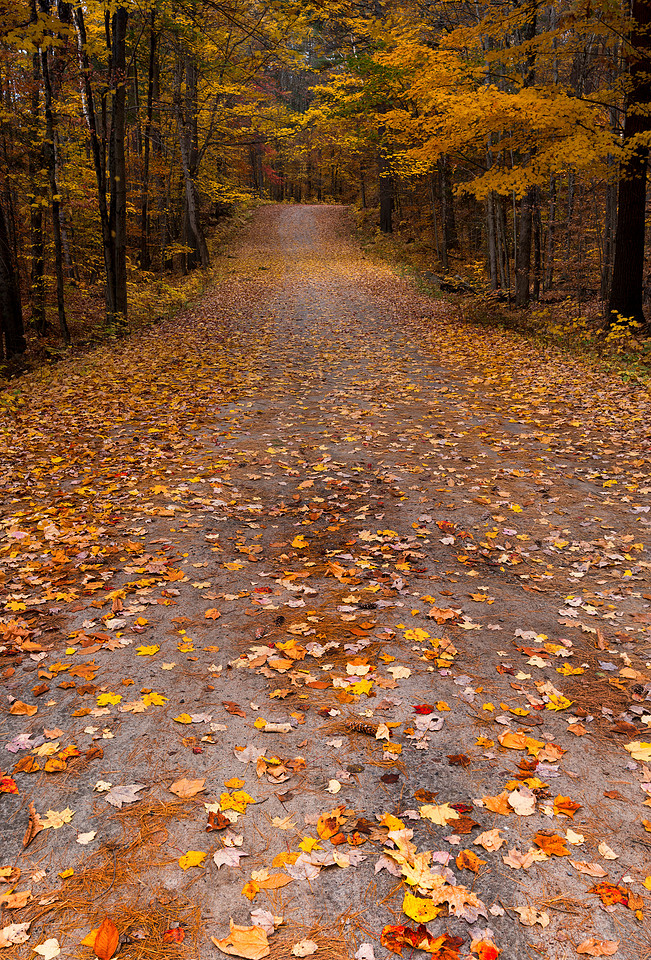
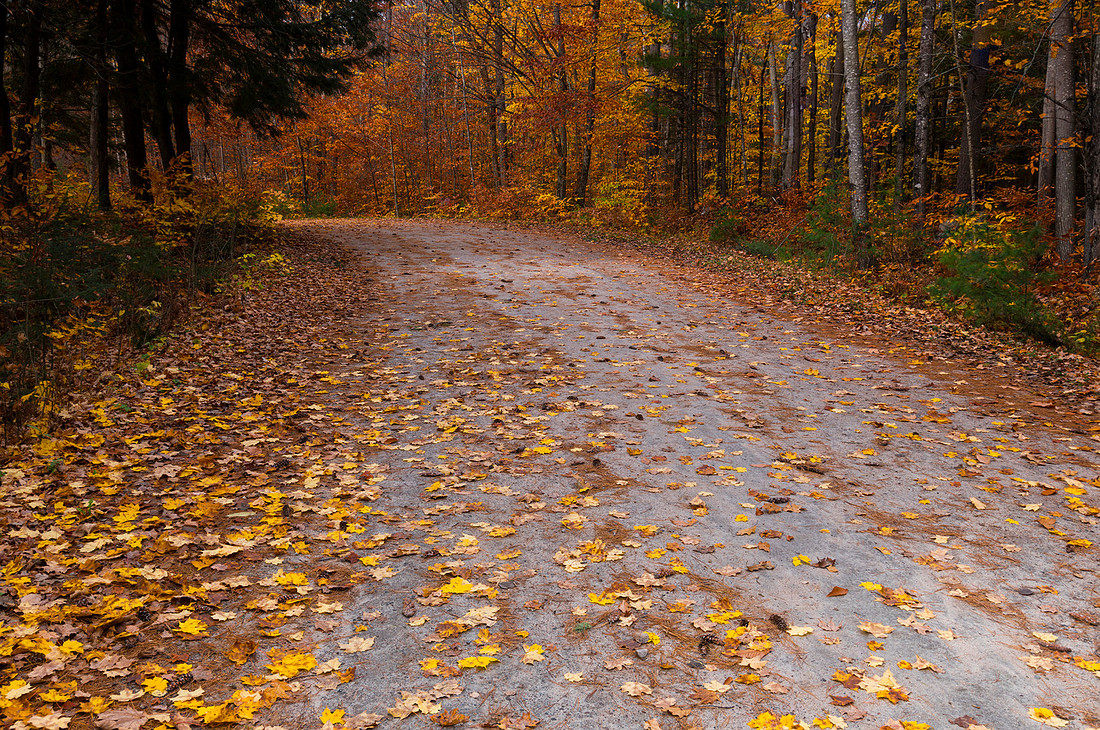
Today, Dad and I took one of those drives that reminds you why autumn in Ontario feels like a blessing. We headed north of Belleville, winding our way through Kaladar and beyond, where the forests are set ablaze with reds, oranges, and golds that seem to glow from within. Every turn revealed another postcard view—lakes reflecting the sky, old barns framed by maples, and that crisp air that smells faintly of pine and nostalgia.
There’s something timeless about these drives with him. We don’t need to talk much; the silence between us feels full. Just the hum of the tires, the crunch of leaves underfoot when we stop, and that quiet understanding that moments like this don’t need to be big to be meaningful—they just need to be shared.
It was one of those perfect fall days where time slows down, the world softens, and everything feels exactly as it should be.
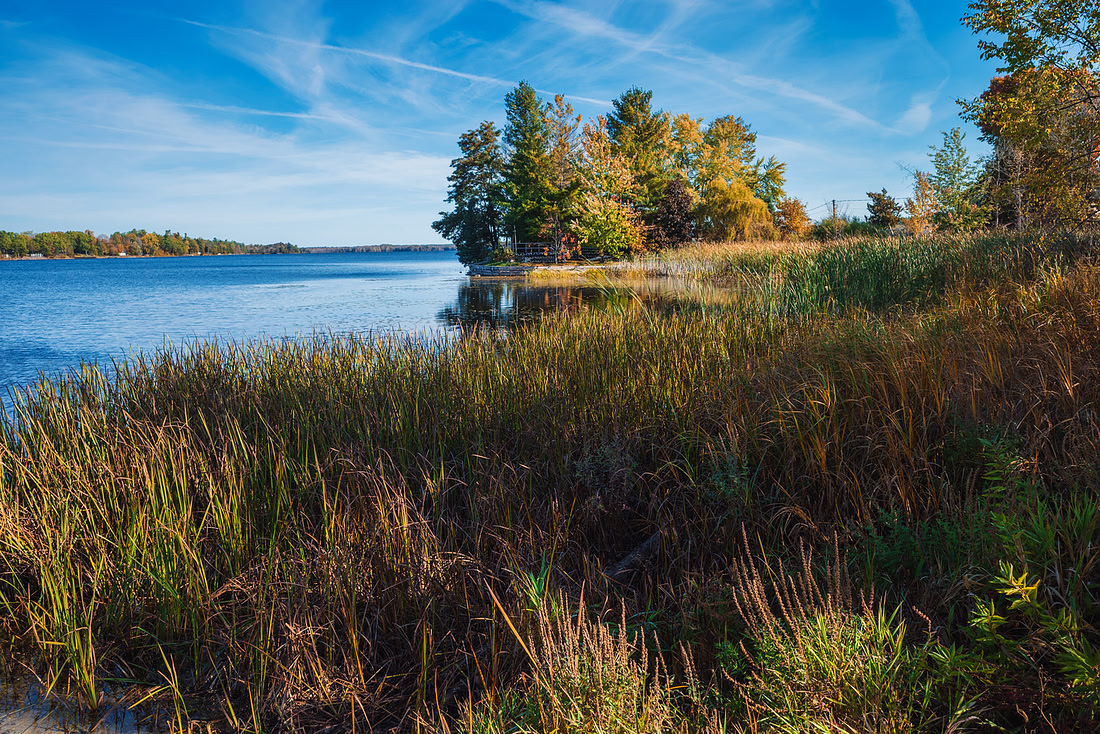
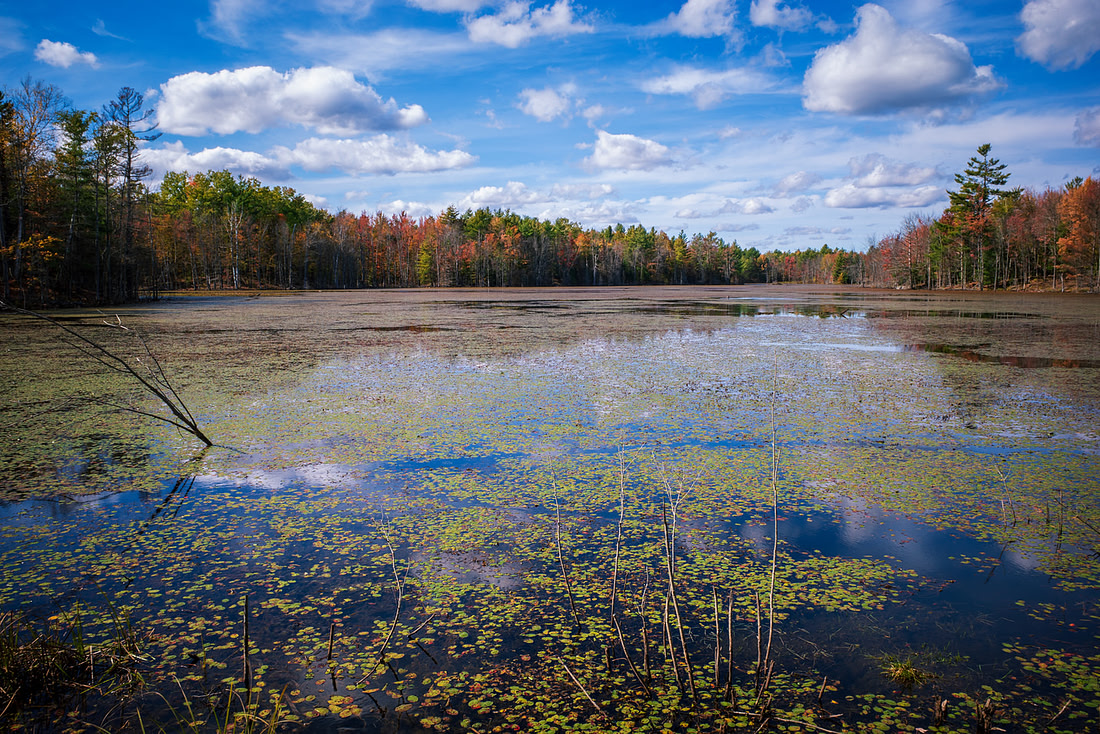
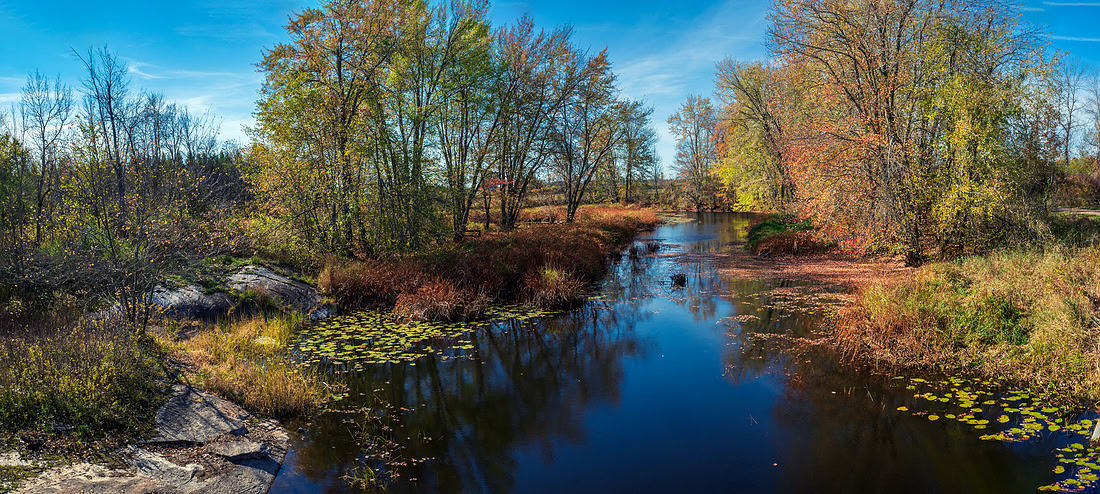
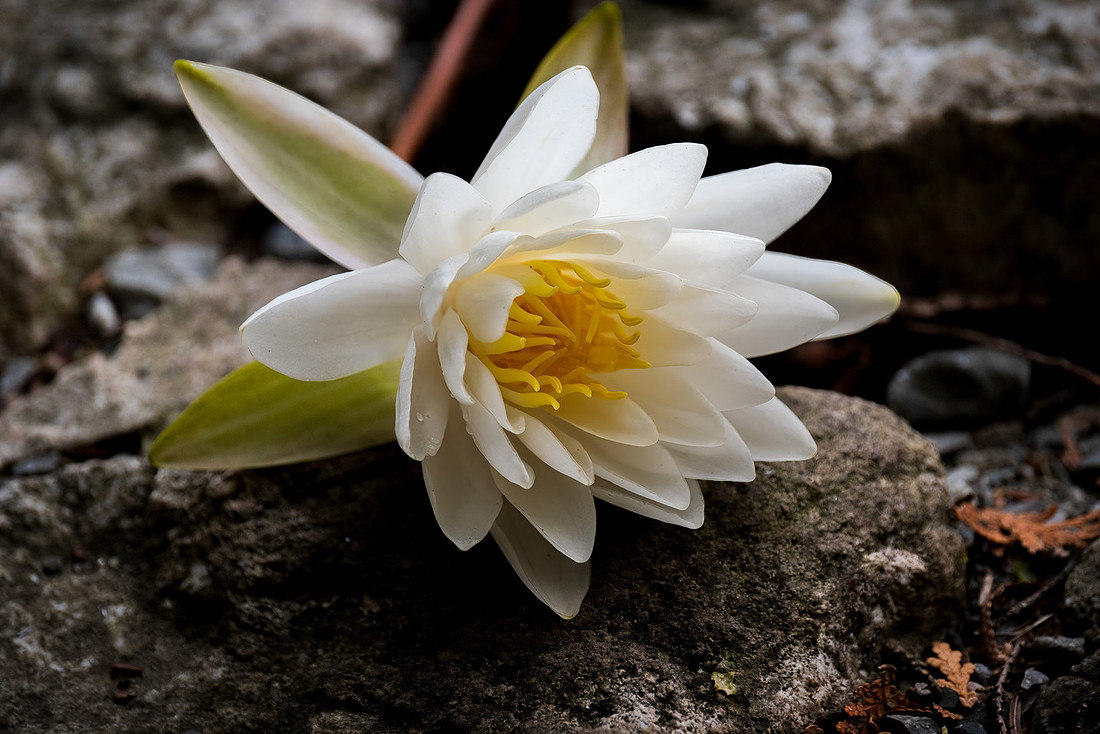
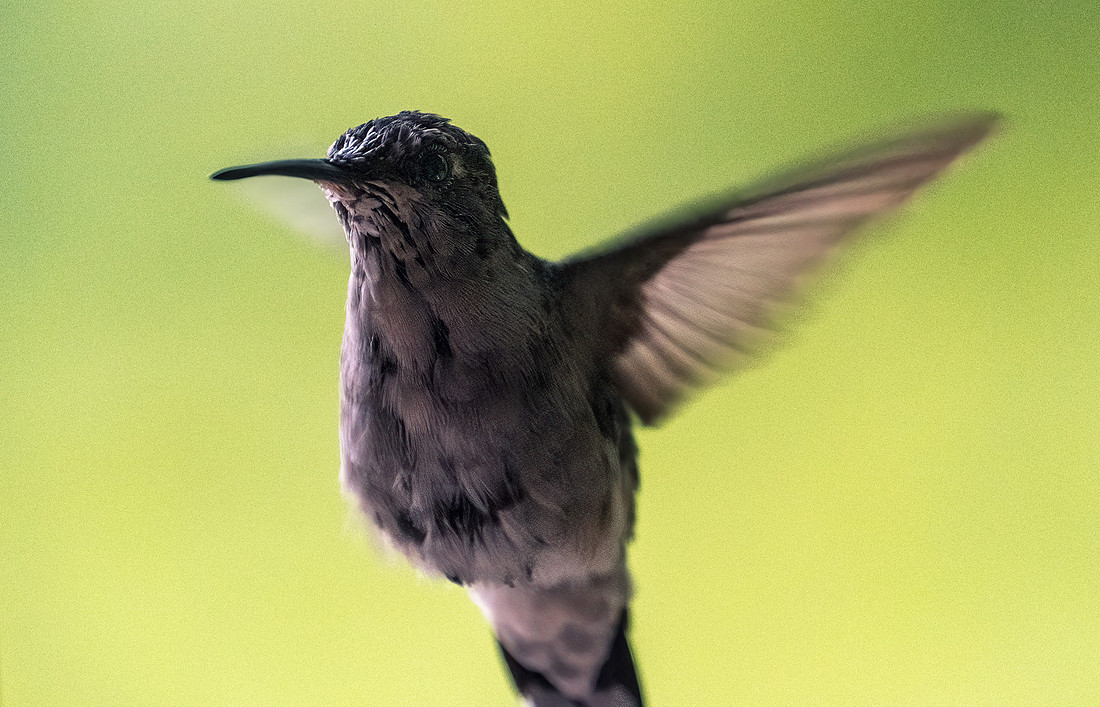
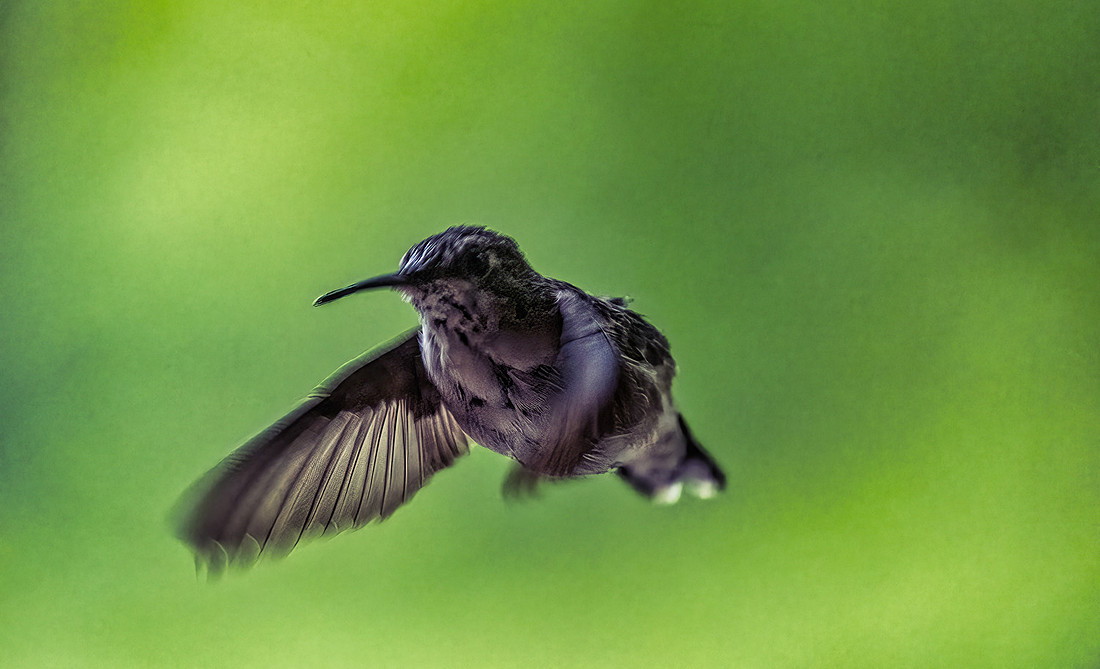
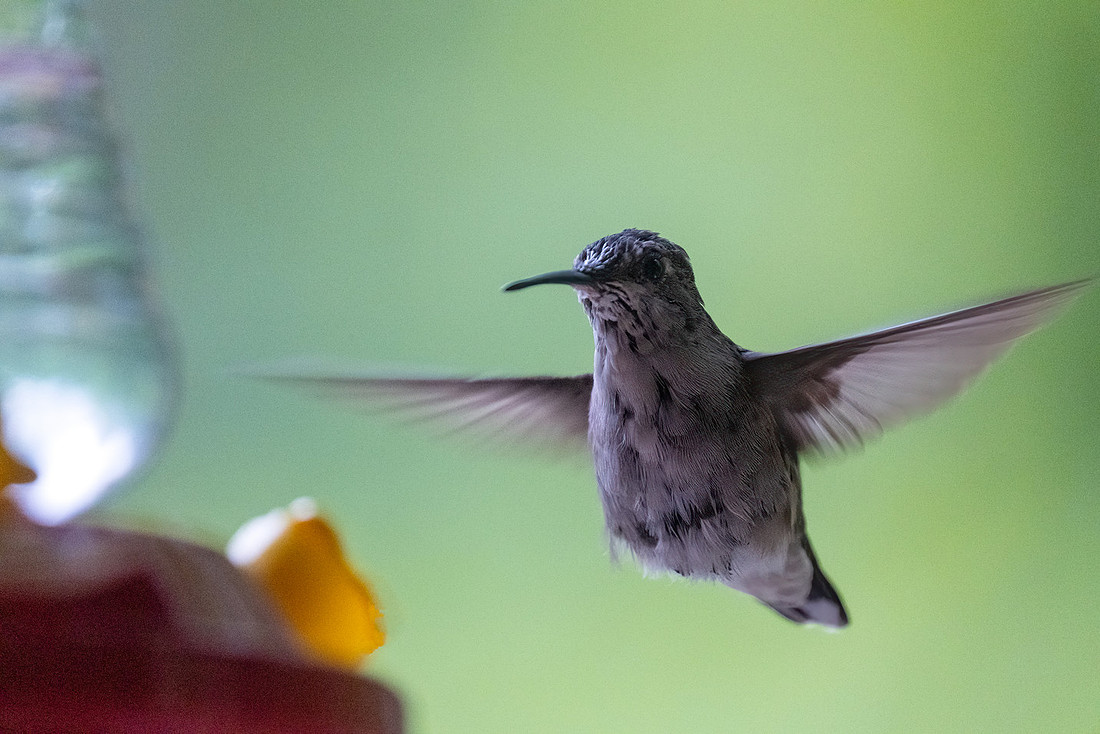
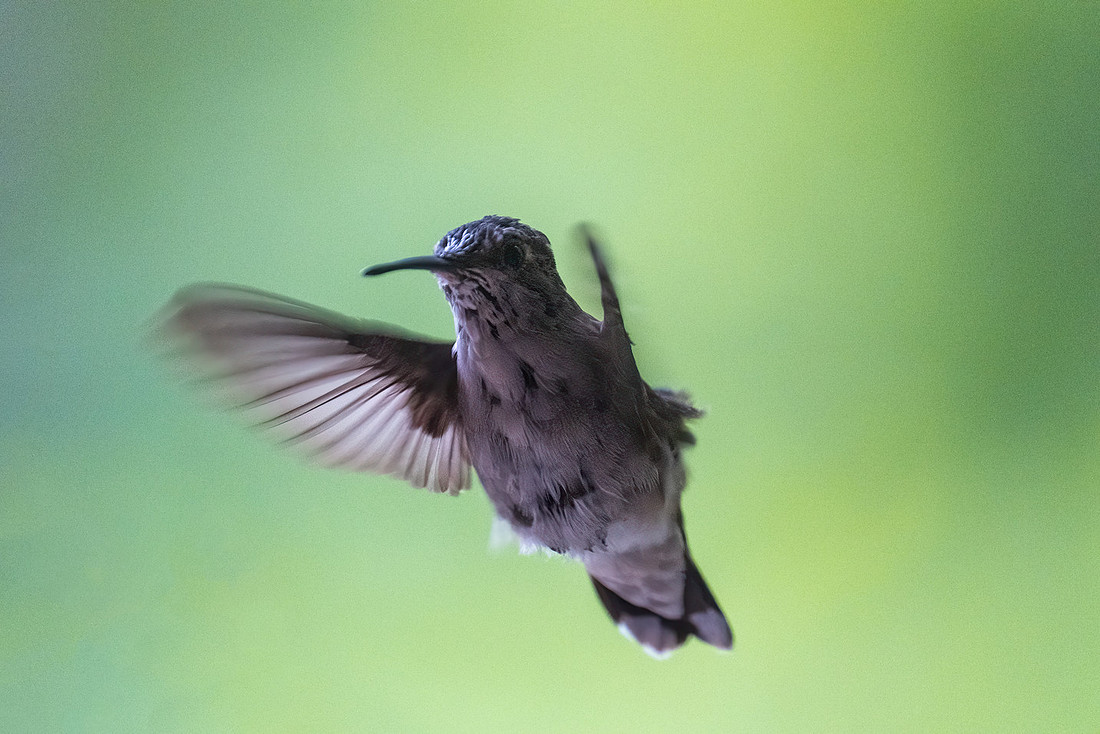

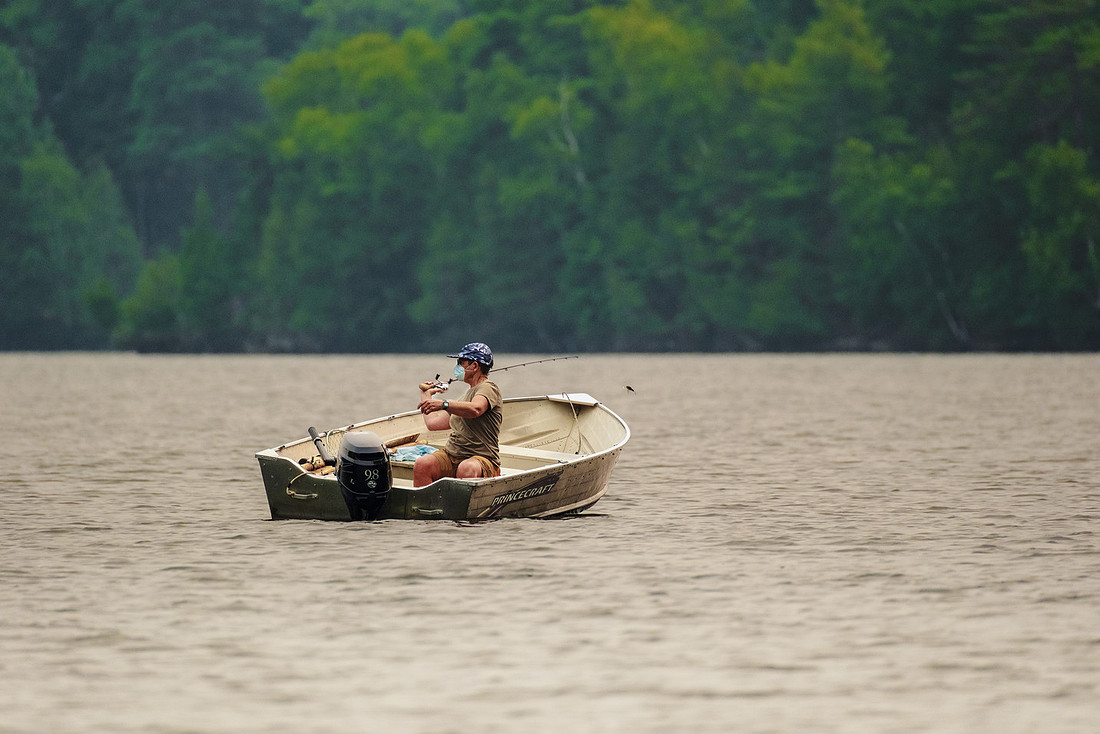
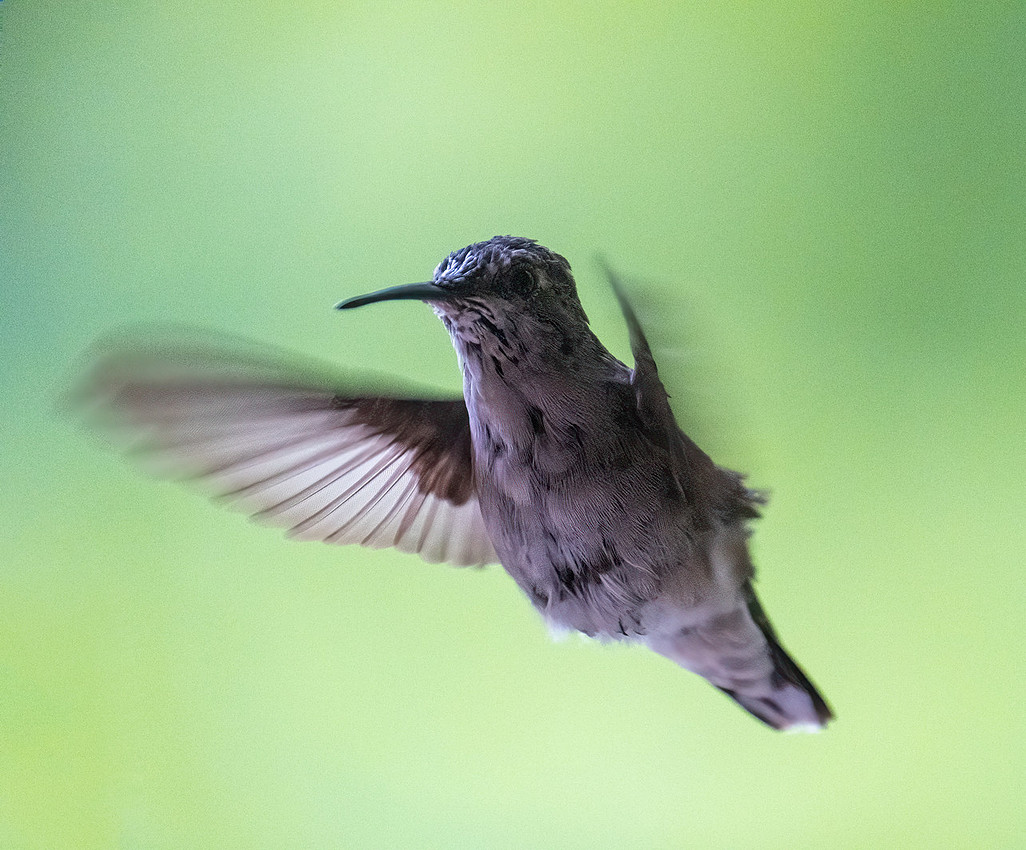


I chose a secluded bench overlooking a small stone beach, unfurled my mat, and surrendered to the morning light. The shoreline, stretching nearly 2.5 km of wooded waterfront, offers so many pockets of sanctuary Wikipediacrca.ca. Seated there, I closed my eyes and let the sounds swirl—rippling water, a distant bird call, the wind threading through pines.
At first, thoughts drifted—emails, plans, to‑dos—but soon they felt like passing clouds. I returned to my breath, leaning into each inhale and exhale as the waterside air cooled my cheeks. With eyes closed for fifteen minutes, I felt rooted in the moment, grounded by the earth beneath me and the expansive sky above.


Opening my eyes, the view felt brand‑new: sun-dappled waves, reeds swaying by the marsh, a dragonfly hovering over a rock. I took a few slow breaths to imprint the peace in my body.


Lemoine Point is a 136‑hectare conservation area framed by both Collins Bay and Lake Ontario, full of forest, fields, and marsh Visit Kingston+11Wikipedia+11Cataraqui Conservation+11. There’s no admission fee, ample parking, well‑maintained trails, and benches dotted along scenic viewpoints Ontario’s Conservation Areascrca.ca. It’s easy to find a quiet corner for meditation—even midweek, it feels like stepping into another world.
Whether you walk a calming shoreline loop (roughly 6 km total) fr.tripadvisor.be+8AllTrails.com+8Hiking Project+8 or simply pause at the stone beach for a few minutes of stillness, Lemoine Point reminds you that nature is always offering a doorway to peace. My own visit left me more centered, a touch more aware of how each wave, leaf, and bird call weaves into the fabric of my moment.
If you’re in Kingston and seeking calm—bring a mat or blanket, find your shoreline nook, and breathe. To me, Lemoine Point isn’t just a trail—it’s a natural sanctuary for quieting the mind and reconnecting with what matters.
Tips for meditating at Lemoine Point
| Tip | Why it matters |
|---|---|
| Go early or late | Share the space with only waterfowl and squirrels |
| Pack light | A blanket, water bottle, optional journal keep the mood simple |
| Wear layers | Lake breezes can be brisk, even in summer |
| Stay mindful of wildlife | Ducks, herons, chipmunks, and even deer occasionally appear |

Hope this inspires you—or sparks your own lakeside meditation. Let me know if you ever want to join a session—it’s magical to share that stillness together.
]]>


If you’re like me, you know there’s something incredibly meditative about setting up your camera by a flowing river, adjusting the settings, and letting the water’s motion transform into a dreamy blur. The long exposure technique is more than just a technical process—it’s a way of seeing the world differently, a means to slow down time and appreciate the details that our eyes might otherwise miss.
Let’s dive into these locations and how you can make the most of them for long exposure photography.


Forest Mills Falls
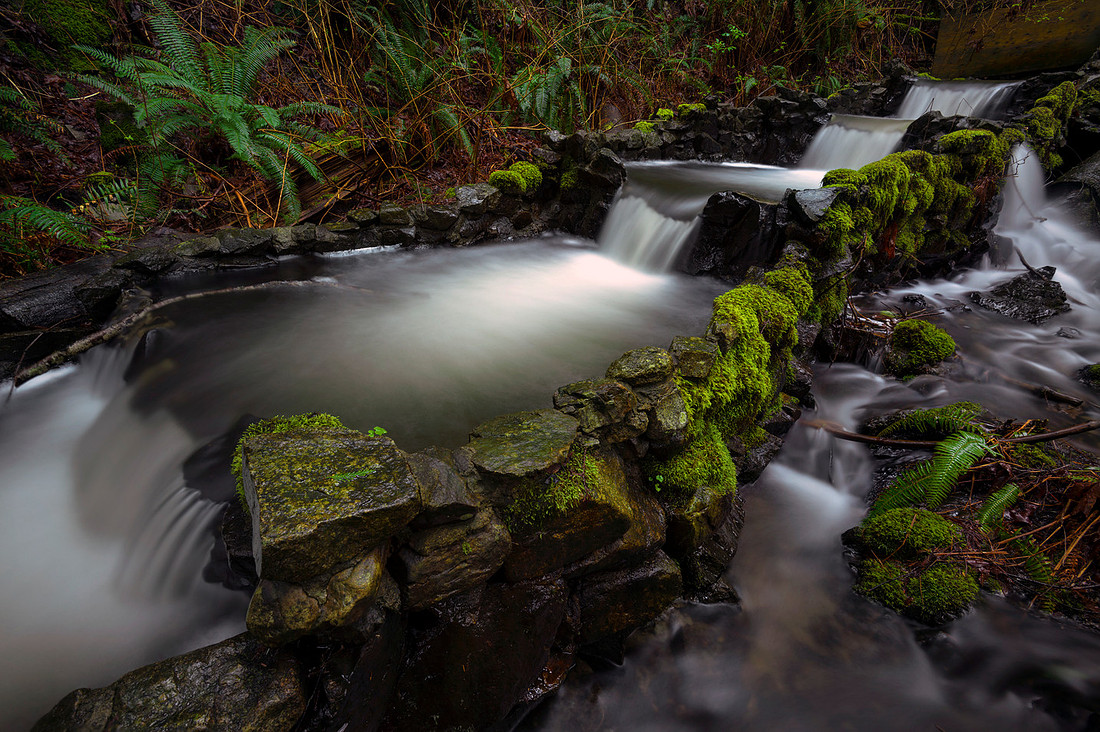
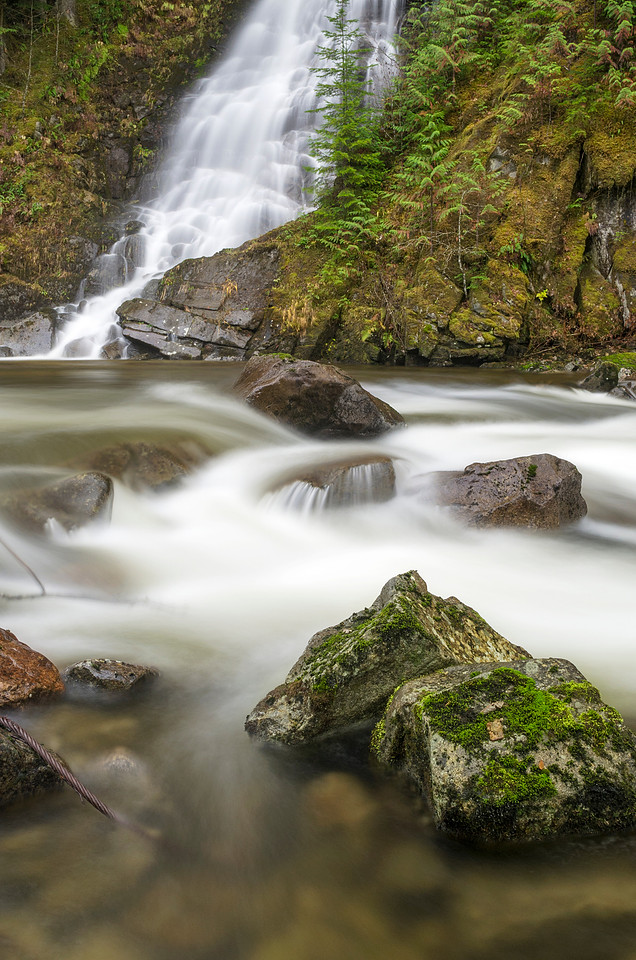
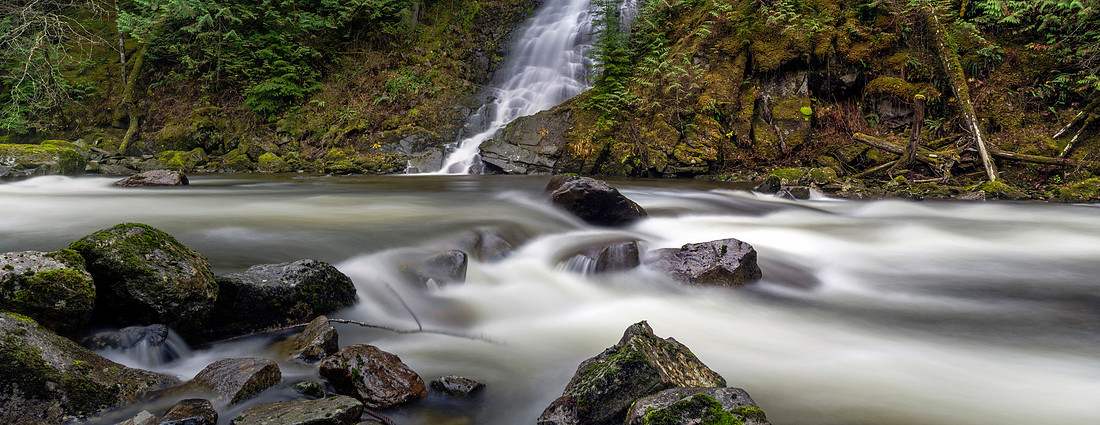
Tucked away near Camden East, Forest Mills Falls is a hidden gem for photographers. The falls are modest in size, but what they lack in grandeur, they more than make up for in charm and accessibility. The calm setting, combined with the gentle cascade of the falls, makes it an ideal spot for experimenting with long exposures.
When setting up for long exposures here, I recommend finding a vantage point that incorporates both the flowing water and the surrounding foliage. Early mornings or late afternoons provide the best lighting—soft, diffused sunlight that complements the movement of the water without creating harsh contrasts.
Tips for Capturing the Falls:
-
Shutter Speed: Start with a shutter speed between 5 to 10 seconds to capture that smooth, silky water effect. You might need to experiment with longer exposures depending on the light and how fast the water is moving.
-
Neutral Density (ND) Filter: A good ND filter is essential here. Since the falls are exposed to sunlight during much of the day, an ND filter will help cut down the light entering your camera, allowing for longer exposures without overexposing the image.
-
Composition: Use the rocks and foliage around the falls to frame your shot. I find that including elements like moss-covered rocks or leaves adds depth and context to the image, enhancing the sense of place.
-
Tripod Stability: The area around the falls can be uneven, so make sure your tripod is stable. I always make sure to weigh it down (a camera bag works fine) to avoid any slight movements that could ruin the shot.
What I love most about Forest Mills Falls is the peaceful ambiance. You’re likely to have the place to yourself, making it the perfect spot to take your time and really focus on getting the perfect shot.


Napanee Spring Side Park
Spring Side Park in Napanee is another fantastic location for long exposure photography. The Napanee River flows through this park, and there’s a scenic waterfall that makes for an ideal subject. What sets this location apart is the way the water cascades over various levels of rocks, creating multiple points of interest within one frame.
This location is particularly striking in the spring or fall when the surrounding foliage adds vibrant colors to your composition. In the fall, the warm hues of the leaves contrast beautifully with the cool, flowing water, creating a visually dynamic scene.
Techniques for Spring Side Park:
-
Timing: If you’re shooting in the fall, the best time to visit is during the golden hour just after sunrise or before sunset when the light is soft and golden. During these times, you’ll get the perfect balance of color and movement.
-
ISO and Aperture: I usually keep the ISO low (100-200) to minimize noise, especially when doing longer exposures. For aperture, I tend to use f/11 to f/16, which helps ensure a sharp image throughout the frame while still allowing for a long exposure.
-
Filters: Much like Forest Mills Falls, an ND filter is your best friend here. Depending on the lighting conditions, you may also want to use a circular polarizer to reduce glare from the water and bring out the natural colors in the rocks and leaves.
-
Perspective: Try getting low to the ground and using the rocks in the riverbed to lead the viewer’s eye toward the waterfall. You can also play with reflections in the water, especially if you shoot just after a rain when the river is still and calm in some areas.
Spring Side Park is a bit busier than Forest Mills Falls, especially on weekends, but the beauty of the location makes it worth the visit. Patience is key if you want to avoid crowds in your shot. Sometimes, it’s just about waiting a few minutes for the right moment.
Kingsford Park
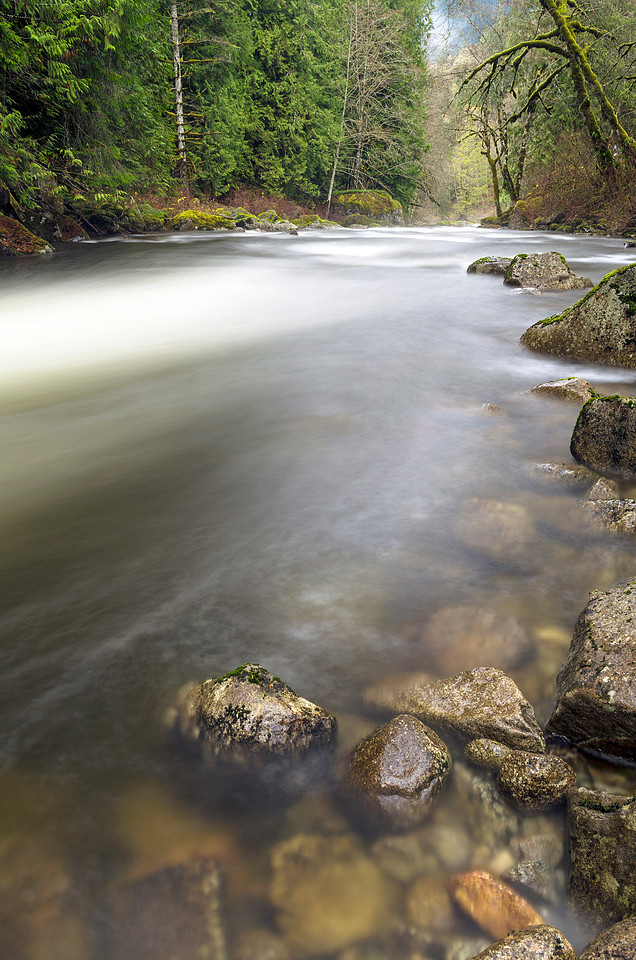
Kingsford Park, with its rugged terrain and rushing water, offers an entirely different atmosphere for long exposure photography. The river here moves fast, and there are several spots along the park’s trails where you can capture both small rapids and broader river views. The surrounding forest provides a natural frame, making every shot feel like you’ve stepped into a secluded wilderness.
The park’s combination of rocky outcroppings and fast-moving water gives you the opportunity to experiment with different types of long exposure shots. You can shoot wide to capture the full scope of the landscape, or go for tighter shots that highlight the textures in the water and rocks.
Making the Most of Kingsford Park:
-
Fast-Moving Water: Because the water moves quickly here, you can get away with shorter exposures (around 2-4 seconds) for a more textured effect. This is perfect if you want to capture the energy of the river without turning it into a completely smooth blur.
-
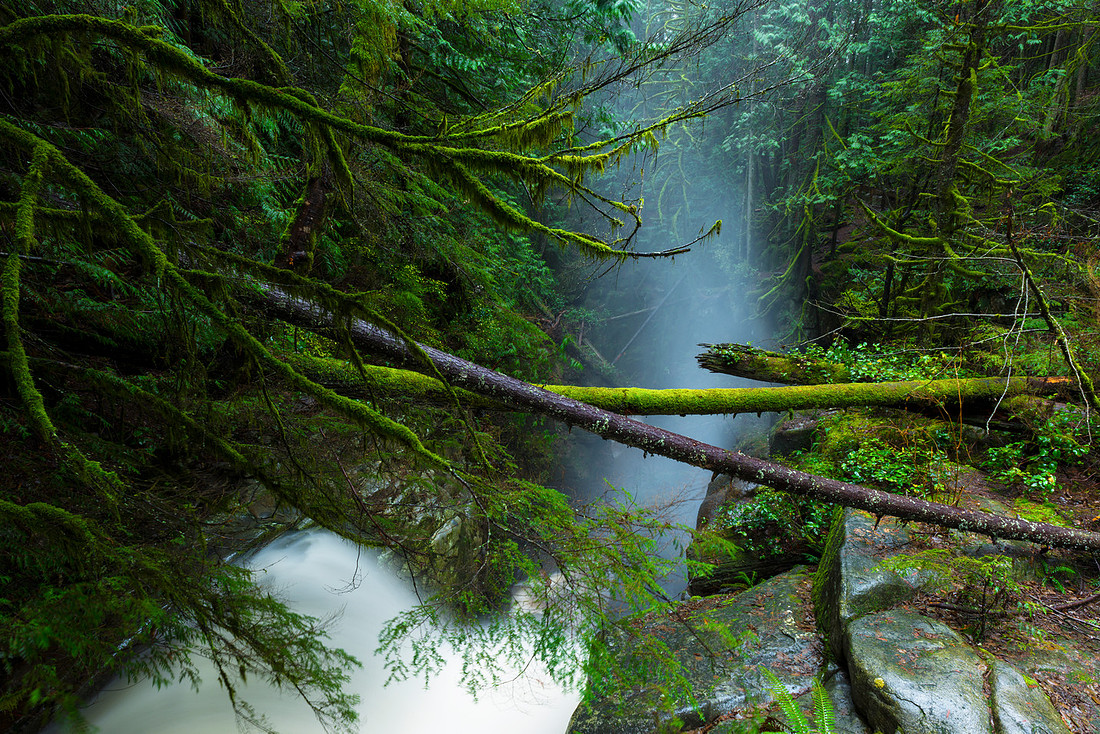
Weather Conditions: Kingsford is amazing on foggy or misty days, which add a layer of mystery to your images. The fog creates a soft, diffused light, which is perfect for long exposures, and the mist adds an ethereal quality to the scene.
-
Using Wide-Angle Lenses: I recommend bringing a wide-angle lens to Kingsford. The river, rocks, and trees combine to create a dynamic landscape, and a wide-angle lens will help you capture the full breadth of the scene. I often shoot with a 16-35mm lens here, which gives me the flexibility to go wide or zoom in slightly for more focused compositions.
-
Foreground Elements: Use the rocks and branches along the river as foreground elements to add depth to your shot. I like to find interesting shapes or patterns in the rocks to lead the eye through the image.
Kingsford Park is a bit more rugged than the other two locations, so be prepared for some light hiking. The extra effort is well worth it, though, as the park offers a variety of landscapes to explore and shoot.


General Long Exposure Tips
While each of these locations presents its own unique challenges and opportunities, there are a few general tips that will help ensure your long exposure shots turn out as planned:
-
Patience is Key: Long exposure photography is all about taking your time. It’s not just about the shot, but the experience of being present in nature and really observing the world around you. I always find that my best shots come when I’ve taken the time to enjoy the process.
-
Bring a Remote Shutter Release: This minimizes camera shake and ensures you get the sharpest image possible, especially when working with exposures longer than a few seconds.
-
Bracket Your Shots: Take multiple shots at different exposure times. This gives you options in post-processing and helps ensure you capture the scene just as you envisioned it.
-
Check Your Histogram: Don’t rely solely on the LCD screen to check your exposure. The histogram gives you a more accurate representation of whether your image is correctly exposed.
Final Thoughts
Photographing long exposures at Forest Mills Falls, Napanee Spring Side Park, and Kingsford Park is more than just a technical exercise—it’s an opportunity to connect with nature and capture the beauty of these serene locations. Each spot offers something different, from the quiet charm of Forest Mills to the rushing water of Kingsford, and each visit presents new possibilities.
Remember, the key to great long exposure photography is patience and practice. Whether you’re a seasoned photographer or just starting out, these locations in Ontario are perfect for honing your skills and creating stunning images that capture the magic of flowing water.
Happy shooting!

]]>
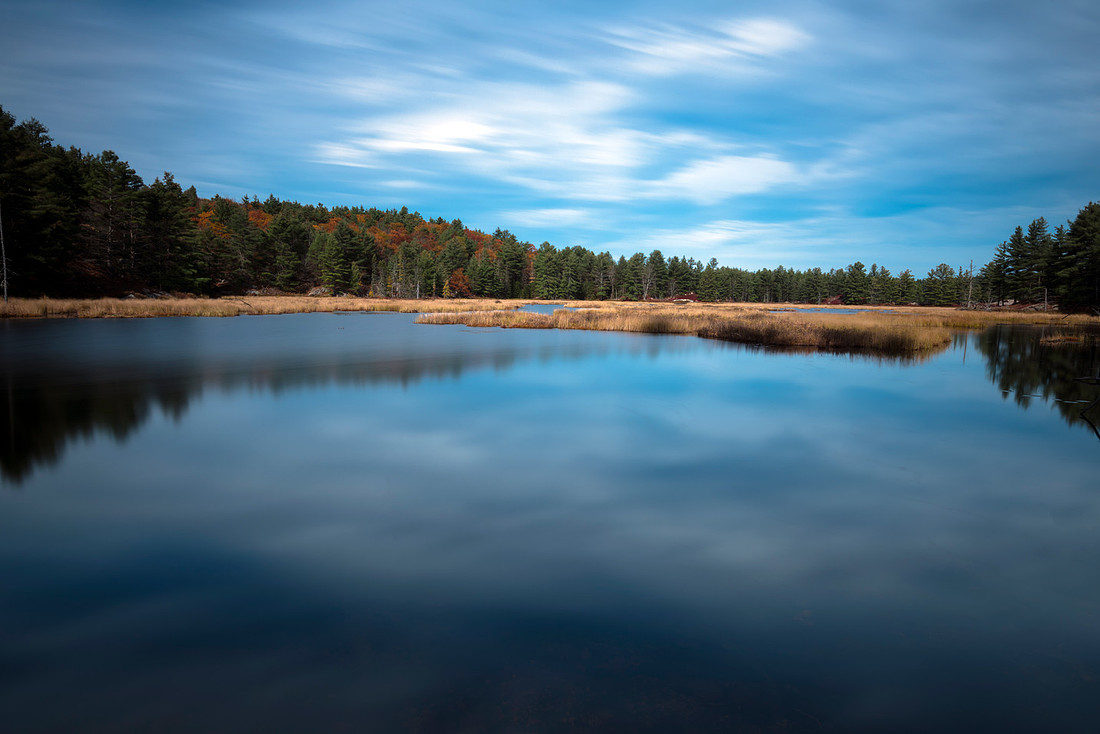
As I arrived at Camden Lake, the golden hour was in full effect. The lake's calm surface reflected the warm tones of the setting sun, creating a magical atmosphere. It was one of those moments where everything felt in harmony—the light, the water, the quietness of the landscape. The way the light danced off the water’s surface made every shot feel like a new opportunity to capture nature’s beauty at its finest.
There’s something so special about combining a peaceful walk with the art of photography, especially when nature puts on a show like this. The evening was a perfect blend of serenity and creativity, and it reminded me of the beauty that surrounds us if we take the time to notice it.


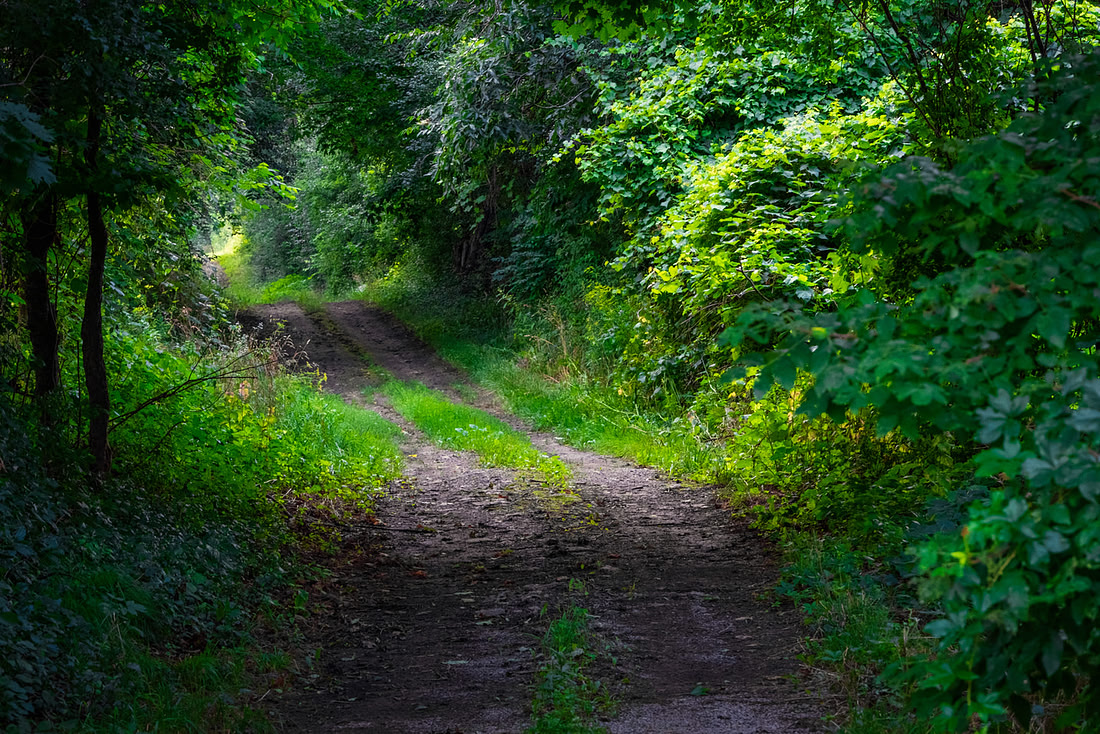
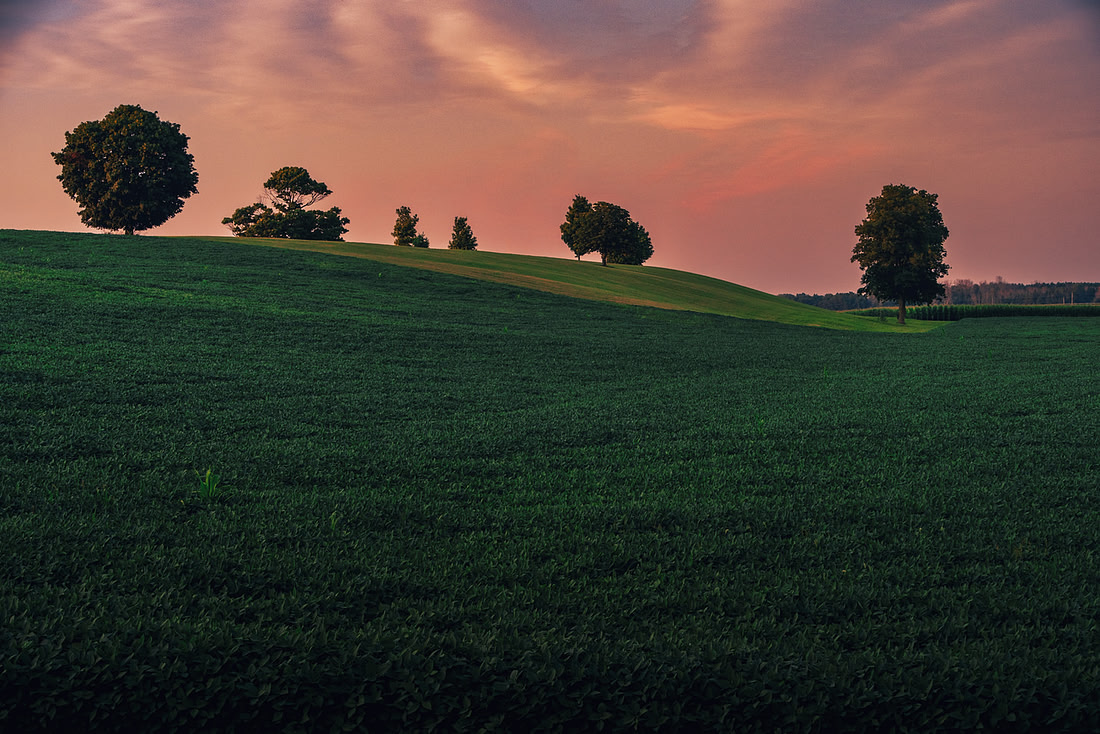
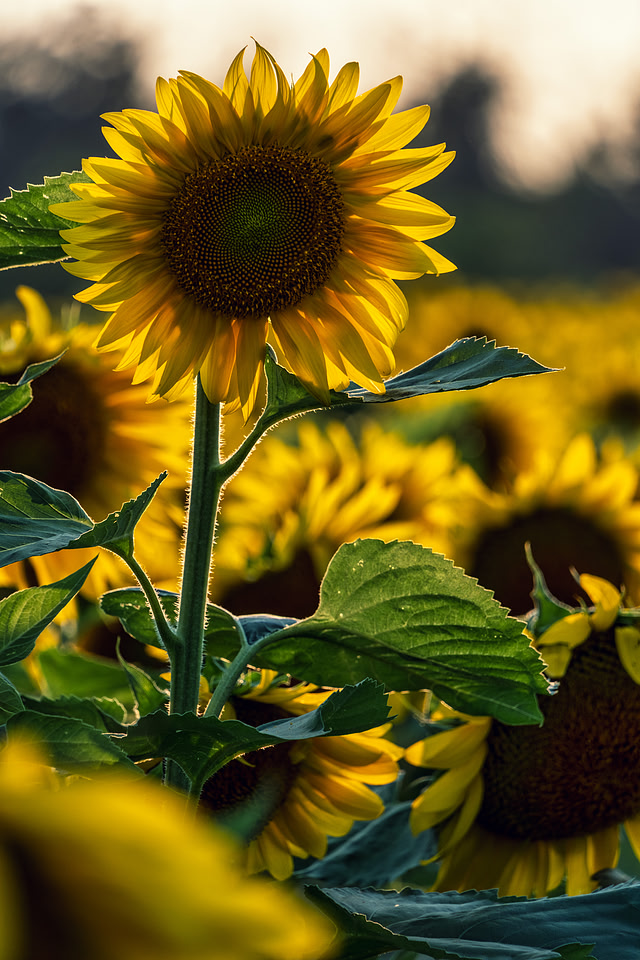
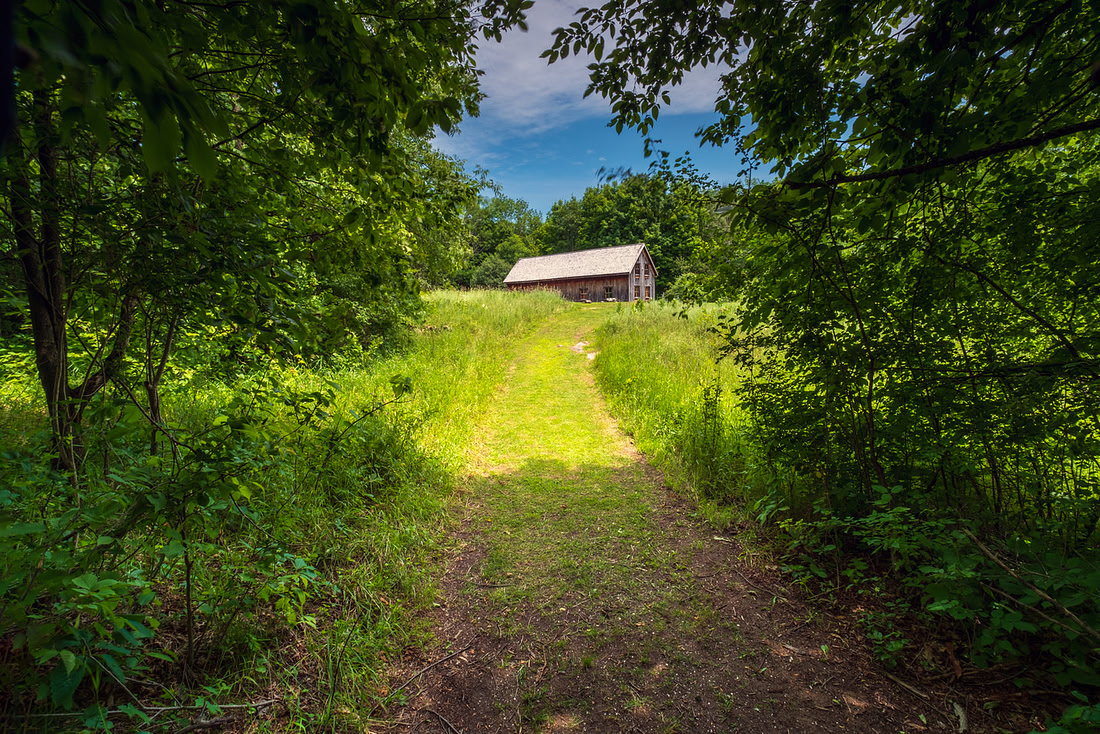
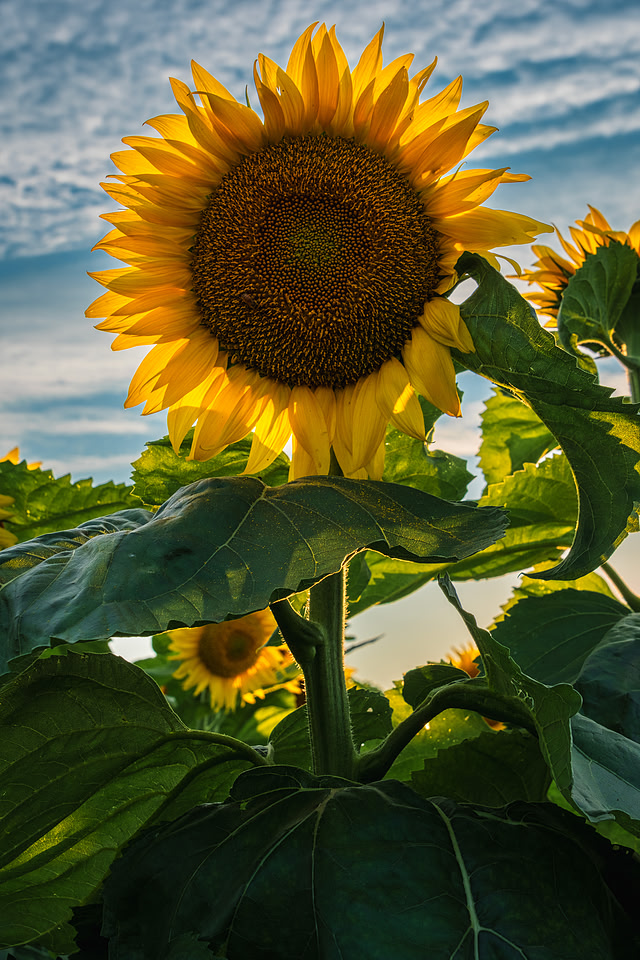
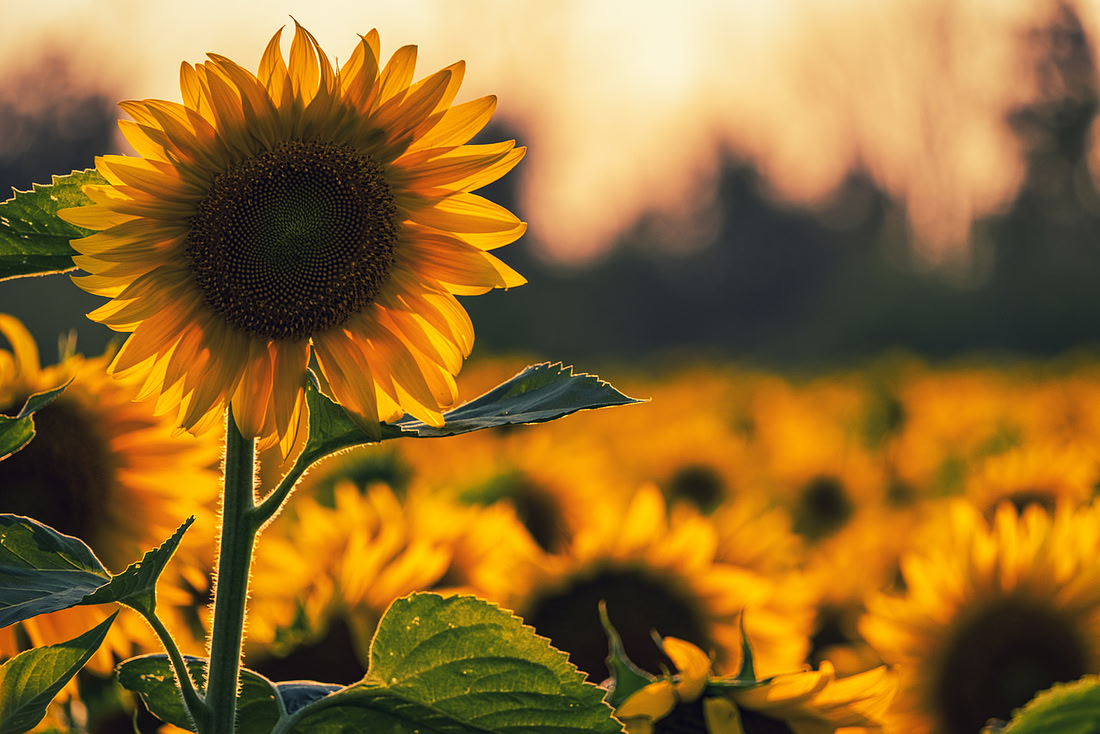
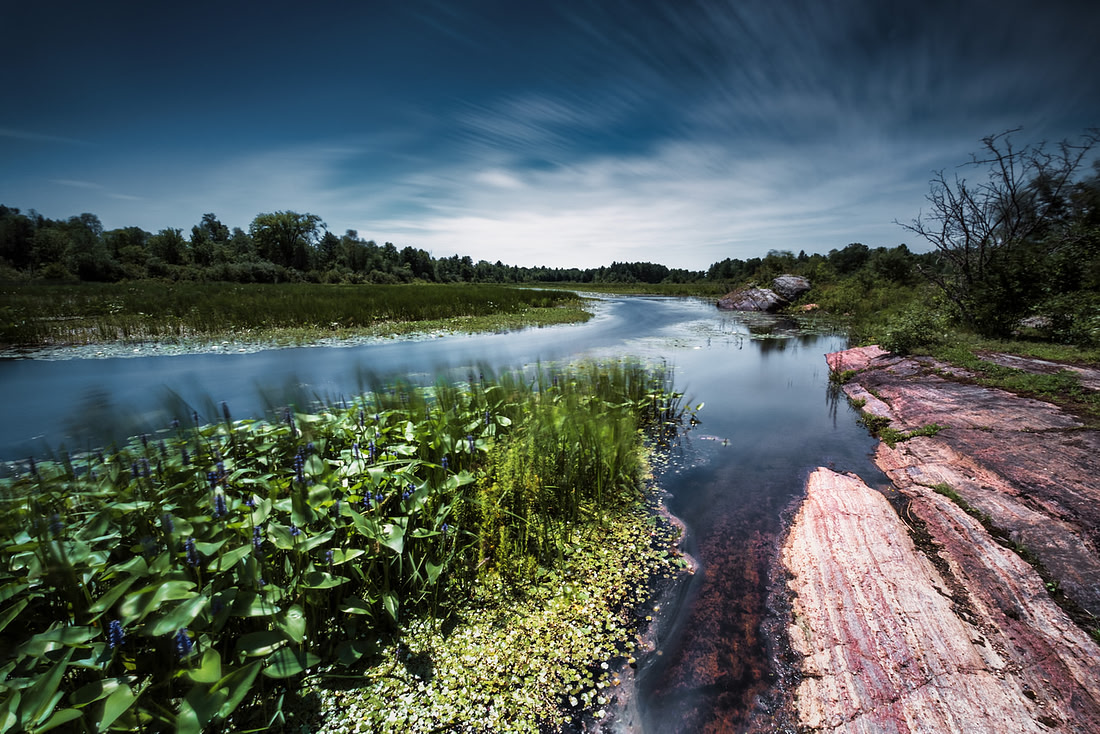
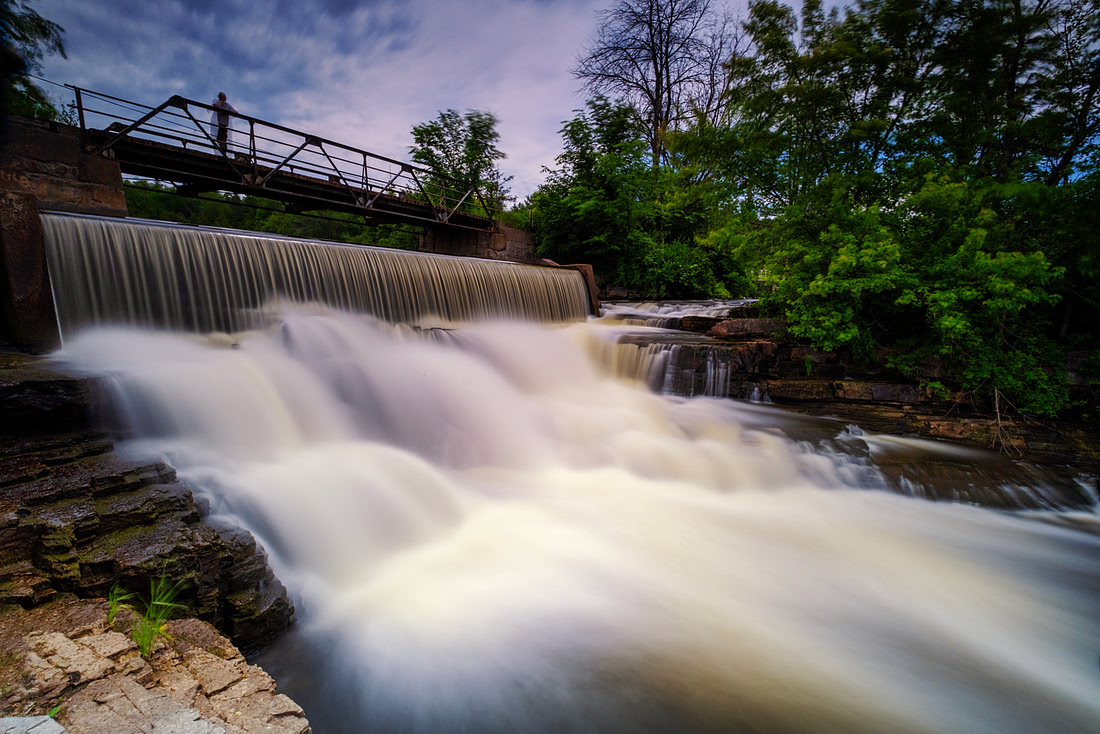
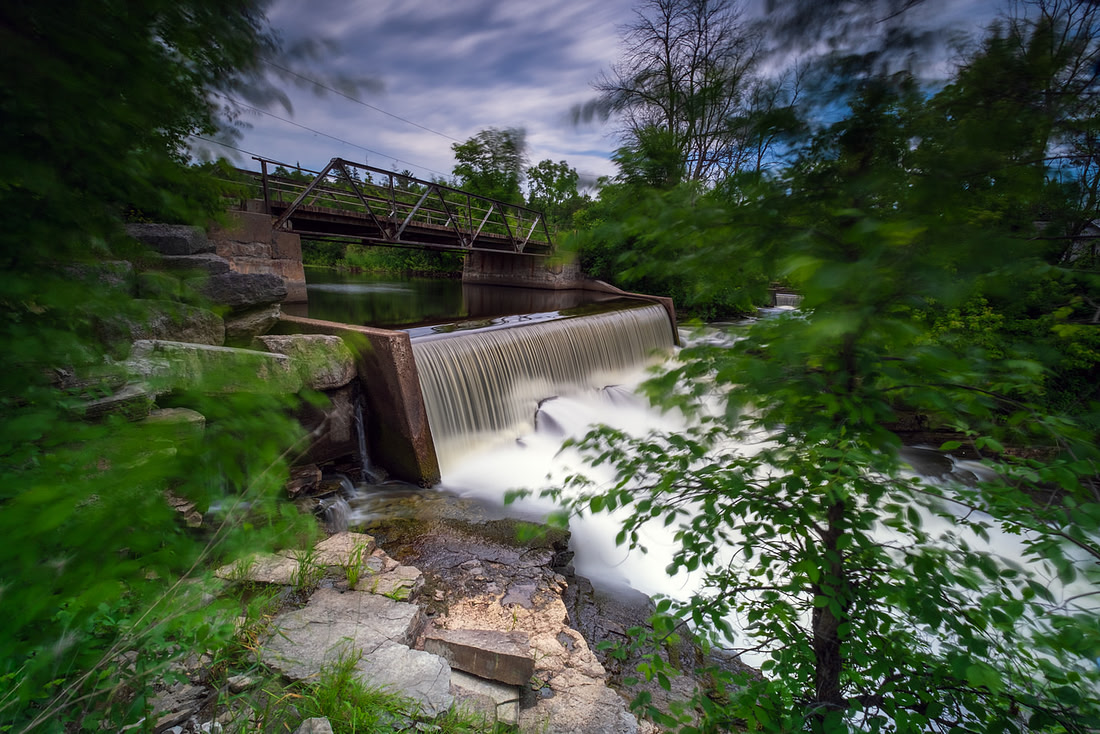
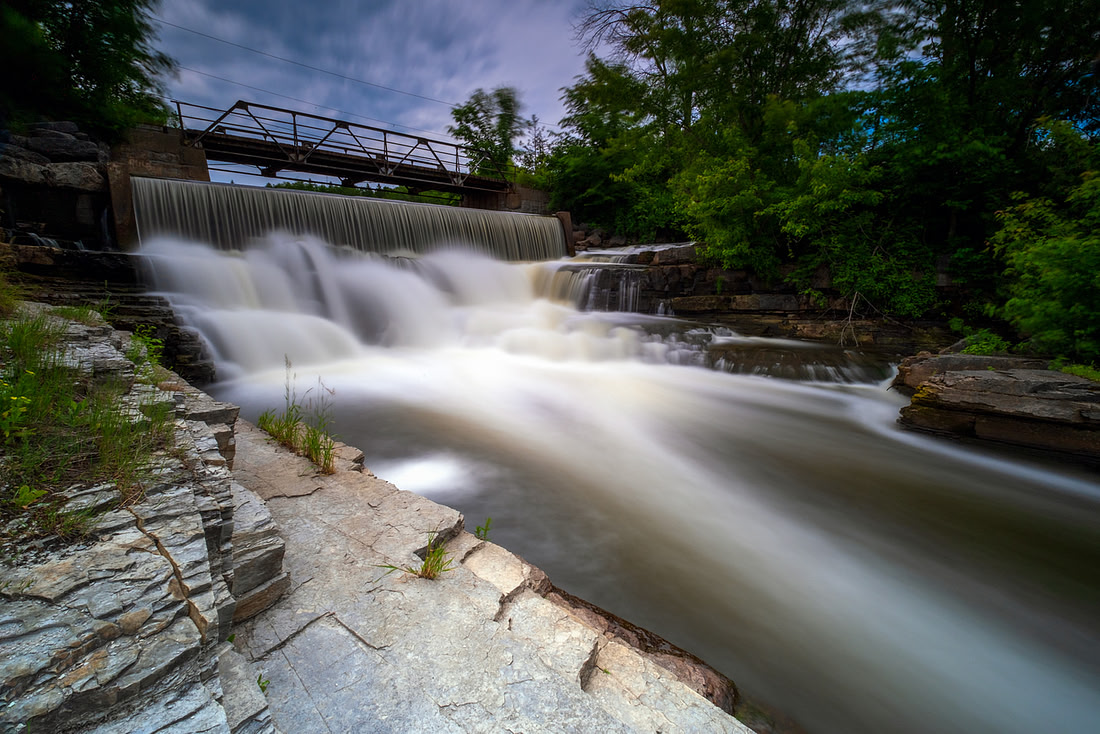
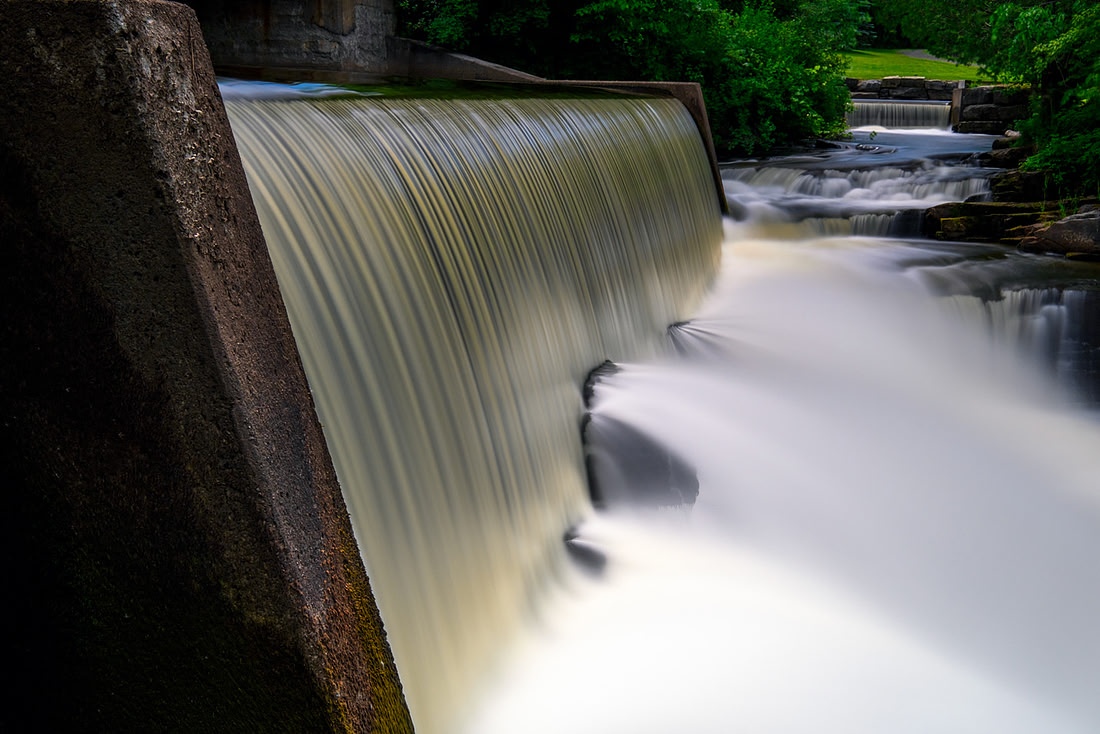
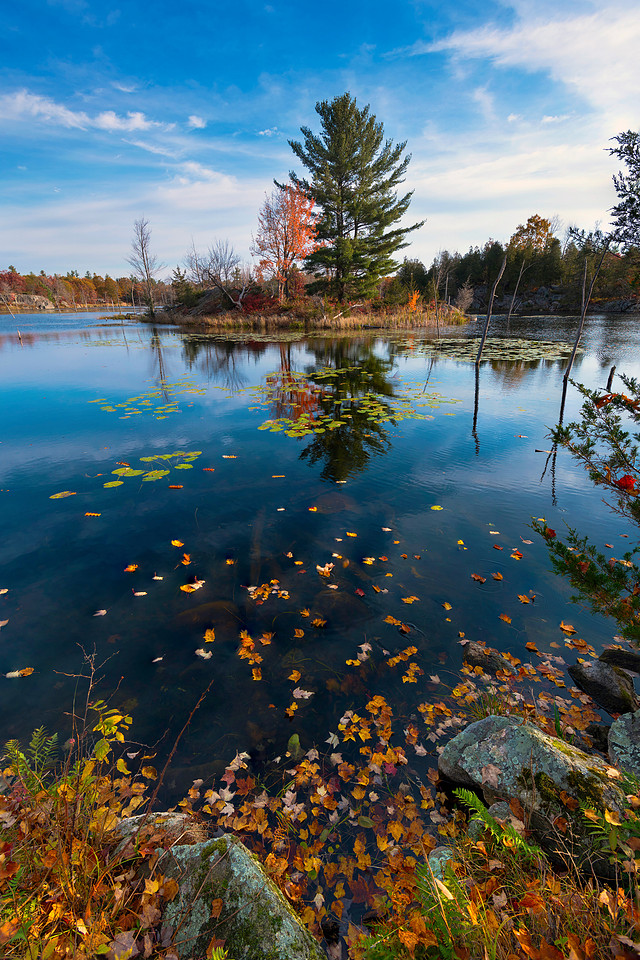
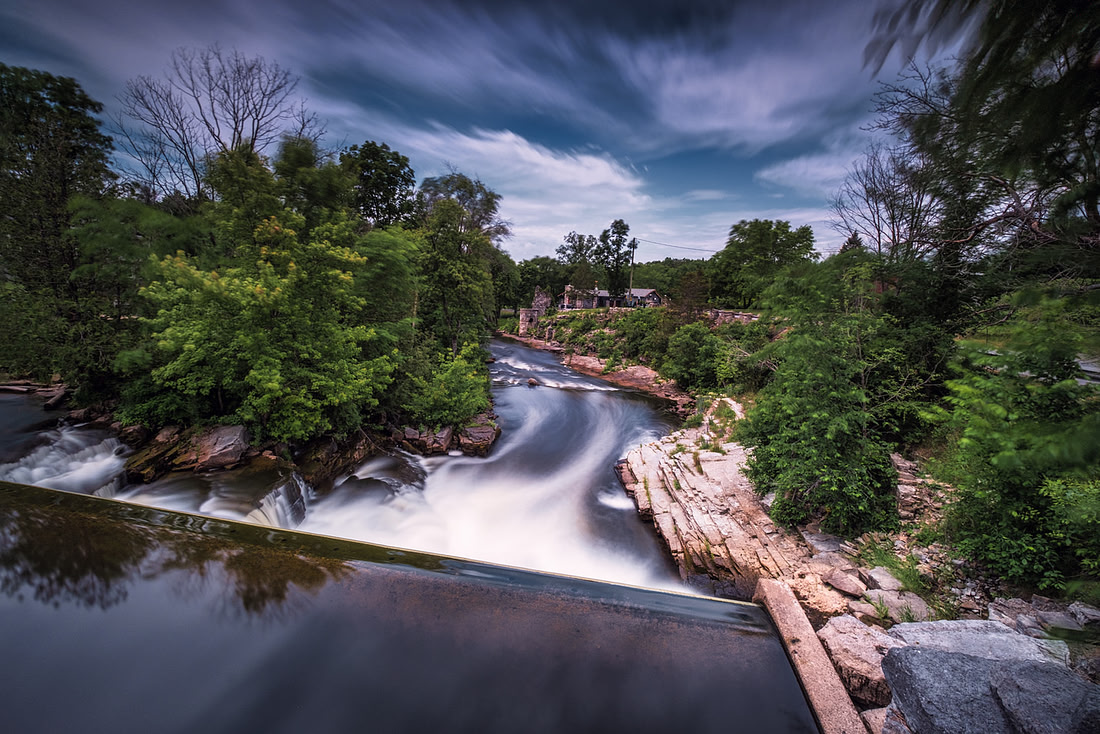 Some recent shots from my ramblings around Ontario. Mainly southern Ontario near the Kingston area, Ottawa, and North of Toronto.
]]>
Nestled in the heart of Ontario, Canada, Maberly is a hidden gem waiting to be discovered. While the town itself boasts a rich history and natural beauty, it's the surrounding backroads that truly capture the essence of this picturesque region. If you're an avid explorer or simply seeking a serene getaway, Maberly's backroads offer an unforgettable adventure. In this blog post, we'll guide you through the charming backroads near Maberly, Ontario, unveiling the scenic beauty and unique experiences they have to offer.

Maberly: A Quaint Canadian Gem
Before we embark on our journey along the backroads, let's take a moment to appreciate Maberly itself. This small town, located in Lanark County, is known for its warm hospitality and welcoming atmosphere. Founded in the 19th century, Maberly has preserved its historical charm while offering modern amenities for visitors.
-
Maberly Community Hall: Start your exploration in the heart of Maberly at the community hall. This is where local events, farmer's markets, and gatherings take place. It's a great place to connect with the friendly locals and get a sense of the town's vibrant community spirit.
-
Silver Lake Provincial Park: Just a stone's throw from Maberly, Silver Lake Provincial Park is a natural wonder. Spend a day by the crystal-clear waters, go for a swim, or enjoy a picnic with a stunning view of the lake. It's an ideal spot for outdoor enthusiasts and families alike.
Now, let's hit the backroads and discover the hidden treasures that surround Maberly.


Discovering Maberly's Backroads
1. Perth Road
Begin your backroad adventure by taking a drive along Perth Road. This scenic route offers captivating views of the countryside, with lush green fields and tranquil lakeside vistas. Keep an eye out for wildlife; you might spot deer, foxes, or even bald eagles soaring above.


2. Christie Lake Road
Next, head towards Christie Lake Road, where you'll find the pristine Christie Lake. This road is an absolute must for nature lovers. You can take a leisurely stroll by the lake's edge, have a peaceful picnic, or even try your hand at fishing. The calmness of Christie Lake is a rejuvenating experience.
3. Backroads to Balderson
For a taste of local culture and artisanal treats, take a detour to the quaint village of Balderson. The backroads leading to Balderson are lined with charming farms, producing some of the finest cheese in Ontario. Be sure to stop at the Balderson Cheese Shop to sample and purchase their delicious offerings.
4. Watsons Corners
As you continue your journey, consider a visit to Watsons Corners. This tiny hamlet is an ideal spot for birdwatching and photography. The marshlands and ponds here attract a variety of waterfowl, making it a birdwatcher's paradise.
5. Dalhousie Lake
Venture further to the serene Dalhousie Lake, known for its clear waters and tranquil ambiance. It's a great spot for kayaking, canoeing, or simply unwinding by the lakeside. The peace and serenity of this location are sure to leave a lasting impression.


]]>

Discovering Bon Echo Provincial Park: A Natural Wonderland
Before we embark on our journey along the Shield Trail, let's take a moment to appreciate the sheer beauty and diversity that Bon Echo Provincial Park has to offer. The park spans over 6,000 hectares and is home to pristine lakes, lush forests, and a wealth of wildlife. It's a haven for campers, paddlers, swimmers, and, of course, hikers.

Hiking the Shield Trail: A Geological Adventure
The Shield Trail is a 17-kilometer hiking route that winds its way through the park's rugged interior, offering hikers a unique opportunity to explore the stunning Canadian Shield terrain. This trail is not just a walk in the park; it's a journey through time, as it showcases the geological history of the area. The Canadian Shield, one of the Earth's oldest geological formations, was shaped by glaciers and is characterized by rugged rock outcrops, pristine lakes, and dense forests.
 Highlights of the Shield Trail:
-
Canadian Shield Scenery: As you set foot on the Shield Trail, you'll immediately be immersed in the rugged beauty of the Canadian Shield. Towering granite cliffs, moss-covered rocks, and dense woodlands create a breathtaking backdrop for your hike.
-
Breathtaking Lookout Points: Throughout the trail, you'll encounter several scenic lookout points that offer panoramic vistas of Mazinaw Lake. Be sure to bring your camera to capture these awe-inspiring views.
-
Rich Geological History: The Shield Trail is not just about natural beauty; it's also a window into the park's geological history. Keep an eye out for unique rock formations and evidence of glacial activity that shaped this landscape over millennia.
-
Solitude and Serenity: Despite its remarkable beauty, the Shield Trail tends to be less crowded than some of the park's other trails, making it an excellent choice for those seeking a more serene and contemplative hiking experience.


 Tips for Hiking the Shield Trail:
- Wear sturdy hiking boots with good traction, as the terrain can be rocky and uneven.
- Pack plenty of water and snacks to keep your energy levels up during the hike.
- Don't forget your bug spray, especially during the warmer months.
- Respect the natural environment by following Leave No Trace principles, and stay on designated trails.


Exploring Beyond the Shield Trail:
While the Shield Trail is a highlight of Bon Echo Provincial Park, there's so much more to explore. The park offers numerous other hiking trails, including the Cliff Top Trail, Abes and Essens Lake Trail, and High Pines Trail. Each of these trails provides a unique perspective on the park's natural beauty.
Additionally, don't miss the chance to visit Mazinaw Rock, home to over 260 Indigenous rock carvings known as the Mazinaw pictographs. These ancient artworks offer a glimpse into the rich history and culture of the Indigenous peoples who have called this area home for thousands of years.
Hiking the Shield Trail at Bon Echo Provincial Park is an unforgettable experience that allows you to connect with the beauty of the Canadian Shield and immerse yourself in the park's geological history. But, beyond the Shield Trail, the park's diverse landscapes, serene lakes, and rich cultural heritage make it a destination worth exploring in its entirety. Whether you're a seasoned hiker or a nature enthusiast looking for a weekend getaway, Bon Echo Provincial Park has something extraordinary to offer, and the Shield Trail is just the beginning of your adventure in this natural wonderland.


]]>
Nestled at the west end of Kingston, Ontario, the Lemoine Point Conservation Area spans a vast 136 hectares (340 acres) and offers a refreshing escape from urban life. Bordered by Collins Bay to the north and west, Lake Ontario to the south, and the Kingston/Norman Rogers Airport to the east, this conservation area is a testament to Kingston's commitment to preserving its natural beauty.


A Glimpse into the Past
The history of Lemoine Point dates back to 1784 when Johan Jost Herkimer, a Loyalist, was granted a significant land allotment for his service during the American Revolutionary War. This land, which now forms part of the conservation area, was later known as Herkimer's Nose or Herkimer's Point. In 1836, the land was sold to Captain William Lemoine, after whom the conservation area is named. The Cataraqui Region Conservation Authority acquired the land in 1975, with a portion still remaining as farmland under the Coverdale family.


Exploring Lemoine Point
Visitors to Lemoine Point are greeted with diverse terrains, from deciduous woodlands and marshlands to fields and grassy areas. With 2.5 kilometres (1.6 miles) of shoreline, it's a haven for nature enthusiasts. The conservation area boasts picnic tables, barbecues, washrooms, and two entrances with parking lots. Most of its trails are flat, with several being wheelchair accessible. As you wander through the trails, you might encounter a variety of wildlife, from birds and insects to mammals like chipmunks, squirrels, and even deer.
- Springer Market Square
Springer Market Square, located in the heart of downtown Kingston, is a bustling hub of activity. While it is primarily known for hosting the Kingston Public Market, it's also a site of architectural interest. The square features a beautiful central fountain, which adds a touch of elegance to the surrounding area. However, the true gem of the square is Kingston City Hall.


Kingston City Hall
Kingston City Hall, an imposing limestone structure, dominates the skyline of Springer Market Square. Built between 1839 and 1844, it is a prime example of neoclassical architecture. Designed by architect George Browne, the building's grand façade is adorned with columns and intricate detailing.
Key Features:
- The grand portico with six Corinthian columns creates a majestic entrance.
- The clock tower, rising 40 meters (130 feet) above the ground, provides a prominent focal point.
- The interior boasts a stunning council chamber with decorative plasterwork and a stained glass skylight.
- St. George's Cathedral
Just a short walk from Springer Market Square stands St. George's Cathedral, an architectural masterpiece that stands as a testament to Kingston's ecclesiastical history.


St. George's Cathedral
Built between 1825 and 1828, St. George's Cathedral is one of the oldest cathedrals in Canada. It exemplifies the Gothic Revival style and showcases intricate stonework. The cathedral's tall spire, flying buttresses, and pointed arches are classic Gothic elements.
Key Features:
- The impressive stained glass windows depict religious scenes and add a vibrant touch to the interior.
- The soaring spire reaches a height of 44 meters (144 feet) and is visible from various parts of the city.
- The cathedral's interior features a stunning wooden roof and a serene atmosphere ideal for reflection and prayer.
- Confederation Park
Confederation Park, adjacent to City Hall and Springer Market Square, is a lovely green space that provides a tranquil contrast to the bustling square and a picturesque backdrop for the neighboring landmarks.


Confederation Park
This park is known for its lush gardens, beautiful fountains, and serene pathways. It serves as a gathering place for both residents and visitors, offering a peaceful retreat in the heart of Kingston.
Key Features:
- The park's gardens are meticulously maintained, featuring a variety of colorful flowers that bloom throughout the seasons.
- The central fountain is a popular spot for relaxation and photo opportunities.
- The park often hosts events and performances, making it a vibrant cultural space.

 Conclusion
Kingston, Ontario, is a city where history and architecture converge seamlessly. Springer Market Square, with Kingston City Hall as its centerpiece, St. George's Cathedral, and Confederation Park all contribute to the city's rich architectural tapestry. These landmarks not only stand as testaments to Kingston's past but also serve as vibrant hubs of activity and culture in the present day. Whether you're a history enthusiast, a photography aficionado, or simply looking for a beautiful place to explore, Kingston's architectural gems are sure to captivate your heart and mind.
]]>
Introduction: Nestled on the serene shores of Picton, Ontario, Point Traverse stands as a hidden gem waiting to be discovered by photographers and nature enthusiasts alike. With its breathtaking landscapes, tranquil waters, and picturesque vistas, this destination offers a haven of inspiration for photographers seeking to capture the essence of nature's beauty. In this blog post, we'll delve into the charm of Point Traverse and explore how to make the most of your photographic journey to this captivating location.

The Allure of Point Traverse: Point Traverse is a peaceful peninsula that extends into the pristine waters of Lake Ontario. Its unique geographical location and untouched landscapes make it a prime destination for photographers in search of natural beauty. From windswept beaches and rugged cliffs to lush forests and vibrant sunsets, Point Traverse offers a diverse range of photographic opportunities that can cater to various creative visions.
Photography Tips and Techniques:
-
Golden Hours: To truly capture the magic of Point Traverse, plan your photography sessions during the golden hours – the soft, warm light that occurs during sunrise and sunset. The gentle lighting during these times can add depth, warmth, and a touch of enchantment to your images.
-
Composition is Key: Utilize compositional techniques such as the rule of thirds, leading lines, and framing to create visually appealing photographs. Experiment with different angles to emphasize the stunning shoreline, the tranquil waters, and the captivating textures of the landscape.
-
Long Exposure Magic: Point Traverse's tranquil waters offer the perfect opportunity for long exposure photography. Using a sturdy tripod, you can create stunning images that feature silky-smooth water surfaces, turning crashing waves into serene mist and enhancing the ethereal quality of the scene.
-
Wide and Macro Shots: Vary your focal lengths to capture both wide vistas and intimate details. Wide-angle shots can showcase the grandeur of the peninsula's landscapes, while macro shots can reveal the intricate textures of shoreline rocks, delicate wildflowers, and more.
-
Capture the Seasons: Point Traverse is a place of beauty throughout the year. From the vibrant colors of autumn leaves to the tranquility of a snow-covered landscape, each season offers its own unique photographic opportunities.

Recommended Gear:
-
Camera and Lenses: A versatile DSLR or mirrorless camera will serve you well, along with a variety of lenses – a wide-angle lens for landscapes, a macro lens for close-ups, and a telephoto lens for capturing distant details.
-
Tripod: A stable tripod is essential for long exposure shots and maintaining sharpness in your images, especially during low-light conditions.
-
Filters: Consider using polarizing filters to reduce glare and enhance colors, as well as neutral density (ND) filters to control exposure during long exposure shots.
-
Accessories: Bring spare batteries, memory cards, lens cleaning kits, and any other accessories you may need for an extended photography session.

Preserving the Environment: While capturing the beauty of Point Traverse through your lens, remember to respect the environment. Stay on designated trails, avoid disturbing wildlife, and leave no trace of your visit behind. As photographers, we play a role in preserving the natural wonders we seek to capture.
Conclusion: Photographing Point Traverse in Picton, Ontario, is an opportunity to immerse yourself in the tranquility of nature and translate its beauty into stunning visual art. With its captivating landscapes, diverse photographic opportunities, and serene atmosphere, this hidden gem is a haven for photographers seeking inspiration and a deeper connection with the natural world. So pack your camera gear, embrace your creative vision, and embark on a journey to capture the breathtaking allure of Point Traverse.
]]>
Sunflowers, with their vibrant blooms and cheerful demeanor, are a delightful sight to behold. If you're in the Kingston area, you're in for a treat as you immerse yourself in fields of these golden beauties. But that's not all—there's much more to discover as you embark on scenic road trips that showcase the natural beauty and charm of the Kingston region.
Sunflowers in Full Bloom: A Golden Experience
As the warm breeze of summer sweeps through the Kingston area, sunflower fields come alive with a riot of colors. These iconic blooms not only symbolize sunshine but also embody a spirit of positivity and happiness. From vast commercial sunflower farms to quaint countryside spots, you'll find sunflowers gracing the landscape with their radiant presence.
Top Sunflower Spots:
- Waddell Apples: This family-owned farm not only offers juicy apples but also boasts sunflower fields that make for fantastic photo opportunities.
- Fosterholm Farms: A picturesque setting with rows of sunflowers, Fosterholm Farms provides a serene escape into nature.
- Wolfe Island: A short ferry ride from Kingston, Wolfe Island features scenic landscapes and the chance to stumble upon sunflower fields during your exploration.


Capture Memories on Scenic Road Trips: Kingston and Beyond
While sunflowers steal the spotlight, the Kingston area has much more to offer for the enthusiastic traveler. Embark on road trips that take you through breathtaking vistas, historic sites, and charming towns. Whether you're a photography enthusiast or simply seeking tranquility, these routes have something for everyone.
1. Loyalist Parkway Route: Travel along Highway 33, known as the Loyalist Parkway, which stretches from Kingston to the eastern edge of Prince Edward County. This route offers glimpses of serene waters, rolling farmlands, and quaint villages. Stop by historic sites like Fort Henry and explore the unique boutiques and cafes along the way.

2. Thousand Islands Parkway: Head south from Kingston to embark on a picturesque drive along the Thousand Islands Parkway. Enjoy stunning views of the St. Lawrence River and the iconic Thousand Islands. This route is perfect for capturing the beauty of nature, serene waterscapes, and the historic Boldt Castle.

3. Gananoque and Beyond: Explore the charming town of Gananoque, known as the "Gateway to the Thousand Islands." From there, venture into the surrounding countryside to discover hidden gems, such as vineyards, charming B&Bs, and scenic lookout points.

4. Backcountry Adventures: For those seeking off-the-beaten-path experiences, venture into the backcountry. Explore the rugged landscapes of Frontenac Provincial Park, where tranquil lakes, dense forests, and diverse wildlife await your lens.


As you embark on these road trips, remember to take your time to soak in the beauty around you. Capture the essence of the Kingston area through your camera lens and create memories that will last a lifetime. Whether you're strolling through sunflower fields or capturing the grandeur of the Thousand Islands, each moment is an opportunity to connect with nature and explore the wonders of this region.
]]>


Reykjavik, the capital city of Iceland, is a beautiful and unique destination for photographers. The city is filled with colorful buildings, stunning landscapes, and a vibrant culture. However, there is also a certain charm to capturing Reykjavik in black and white photography.
Black and white photography is a classic medium that has been used by photographers for over a century. It has the power to evoke emotions and capture the essence of a place in a way that color photography often cannot. Reykjavik is a city that lends itself well to black and white photography, with its stark contrasts and unique architecture.

One of the best places to capture Reykjavik in black and white is along the harbor. The harbor is a hub of activity with fishing boats coming in and out, and the iconic Harpa concert hall providing a dramatic backdrop. In black and white, the cranes and fishing boats take on a timeless quality, while the Harpa building is transformed into a striking monochrome structure.

Another great location for black and white photography in Reykjavik is Hallgrimskirkja, the city's famous church. The stark white facade of the church contrasts beautifully with the dark sky and the surrounding buildings, making for a dramatic black and white image. The interior of the church is also a great subject for black and white photography, with its intricate design and unique lighting.
Reykjavik's streets and alleys are another great location for black and white photography. The city's buildings are colorful, but in black and white, they take on a different character. The contrasting tones of light and dark create a sense of depth and texture that is unique to black and white photography. The narrow alleys and winding streets of Reykjavik also make for interesting compositions in black and white, with their intricate patterns and details.

Finally, the natural landscapes surrounding Reykjavik are also perfect for black and white photography. The volcanic mountains and rugged coastline provide a dramatic backdrop for any image. In black and white, the textures and details of these landscapes are emphasized, creating a timeless and moody atmosphere.

In conclusion, Reykjavik is a city that lends itself well to black and white photography. The city's unique architecture, colorful buildings, and stunning natural landscapes all take on a different character in black and white. If you are a photographer visiting Reykjavik, be sure to experiment with black and white photography to capture the city's essence in a timeless and moody way.
]]>


 Reykjavik is a great starting point for any winter photography tour of Iceland, with its colorful houses and iconic landmarks such as the Hallgrímskirkja church and the Harpa Concert Hall providing plenty of photographic inspiration. The city also offers easy access to the Golden Circle, a popular tourist route that takes in some of Iceland's most stunning natural attractions.


 The Golden Circle includes the Geysir geothermal area, where visitors can see the Strokkur geyser erupting every few minutes, and the Gullfoss waterfall, a breathtaking sight as the water cascades down into the canyon below. The Thingvellir National Park, with its stunning vistas of the rift valley, is also part of the Golden Circle and provides a wealth of opportunities for landscape photography.


 Continuing further along the south coast, photographers will be rewarded with even more stunning landscapes. The black sand beaches of Vik and Reynisfjara are particularly striking, with their dramatic basalt columns and crashing waves providing a dramatic backdrop for any photograph.


 Further east, the Vatnajokull glacier provides a unique opportunity to capture the beauty of an ice cave, with its translucent blue ice forming a surreal landscape unlike anything else in the world.


 Winter in Iceland also provides the opportunity to capture the Northern Lights, a natural phenomenon that lights up the night sky with swirling green and pink lights. The best time to see the Northern Lights is from late September to early April, making winter the ideal time for a photography trip to Iceland.


 In conclusion, Reykjavik and the south coast of Iceland offer a wealth of stunning landscapes for winter photography. From the natural wonders of the Golden Circle to the surreal beauty of the Vatnajokull glacier and the otherworldly Northern Lights, Iceland is a must-visit destination for any landscape photographer.
]]>


 My first visit to Big Sandy Bay beach on Wolfe Island located in the St. Lawrence River off the coast of Kingston Ontario.
]]>


Kingston Ontario.


 Completed a small 10 km loop in Charleston Lake Provincial Park. Very quiet and peaceful location with almost no one else on the trail. Great find.


]]>


Beamer Falls


Balls Falls


Beamer Falls


Balls Falls

Rockway Falls


Enjoy! This shit is getting really old.


 ]]>


 Here are some other shots that were on the memory card. New edits on old shots.
Bowen Island - featuring Crayola Beach and the lush forests surrounding the island.


Here is the link to the calendar and below is the shot featured.
https://www.browntrout.ca/canadian-wilderness-2021-square.html


I decided to take a hike through the short Little Mellon Lake trail in Sheffield Conservation Trail - Stone Mills


]]>


Here is the spread.


]]>


 ]]>


Enjoy!!


https://www.canadiangeographic.ca/article/10-canadian-photographers-whose-work-were-loving-right-now

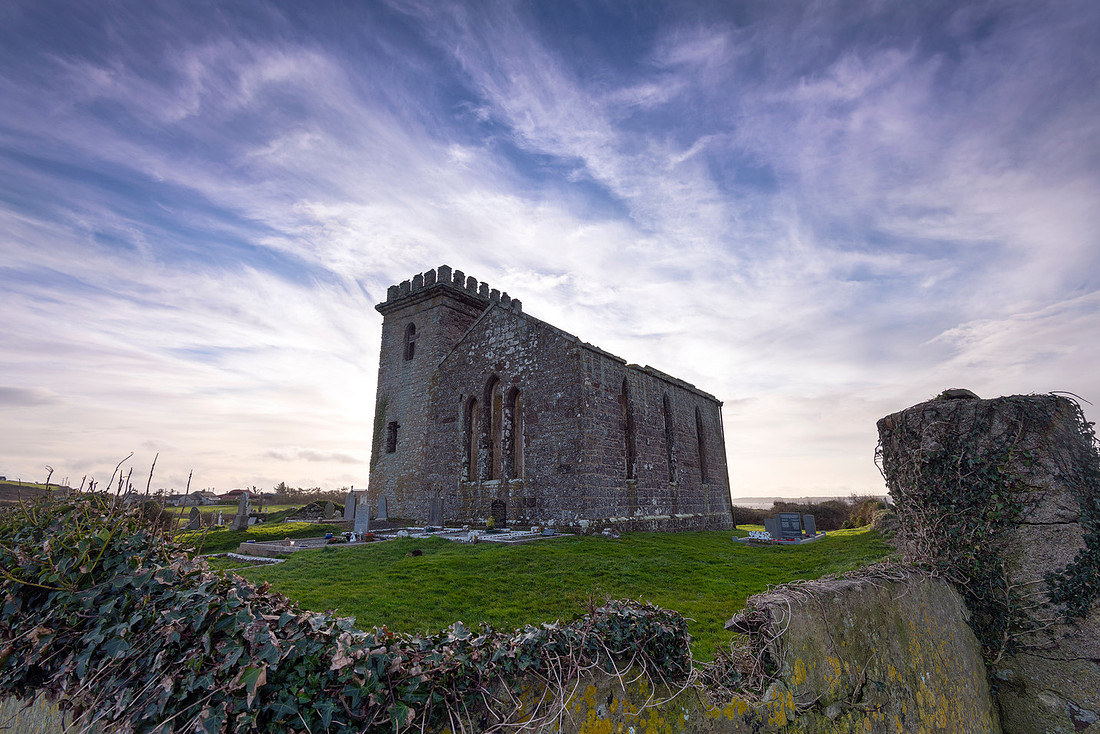
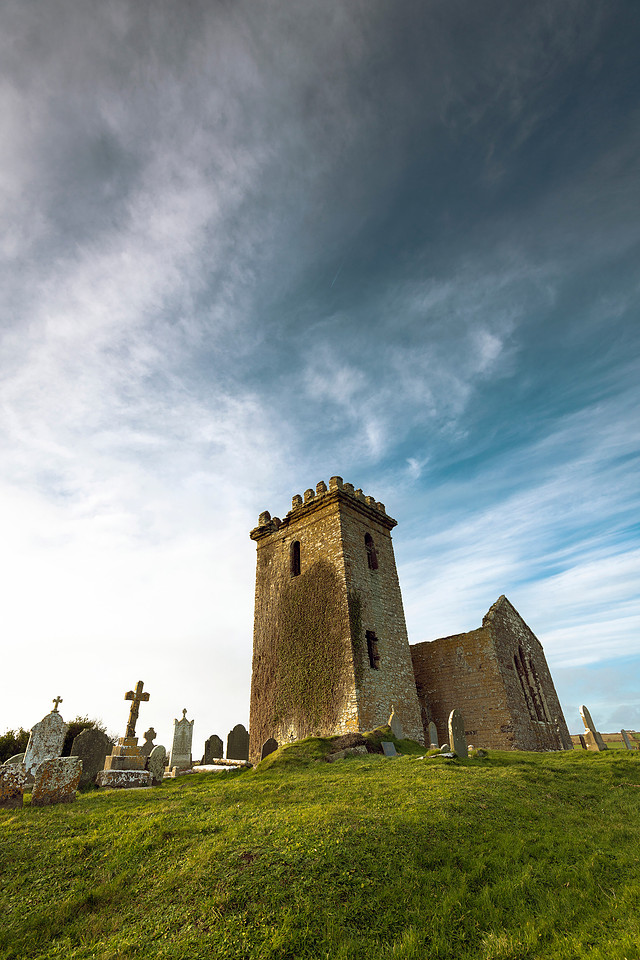
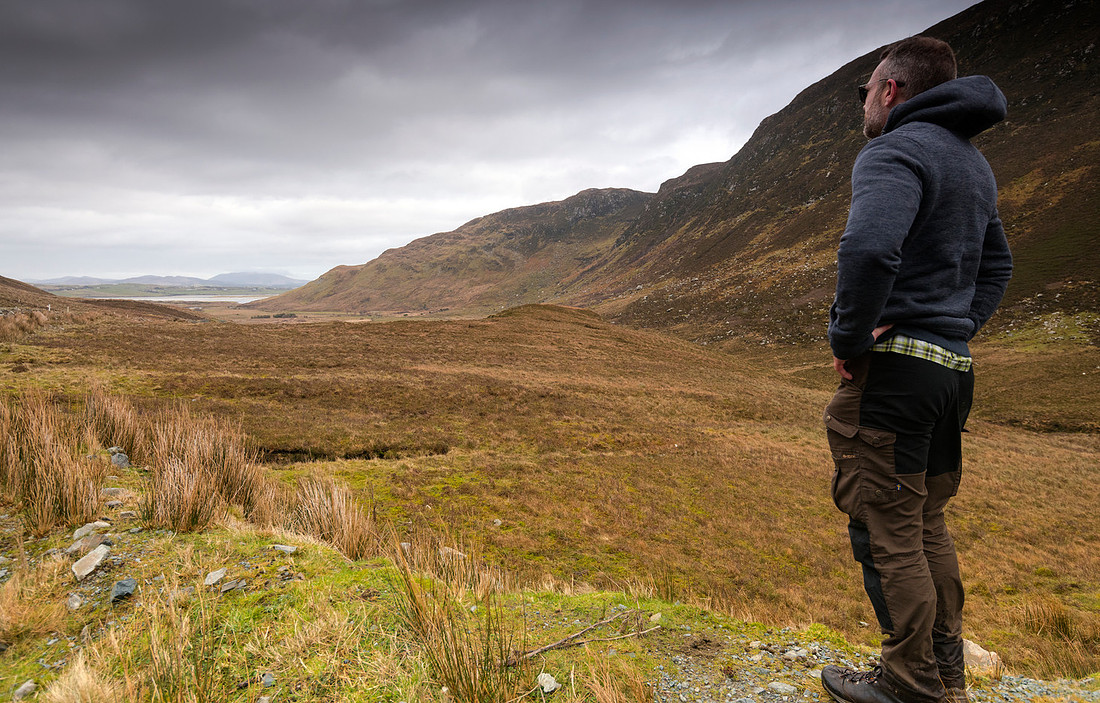
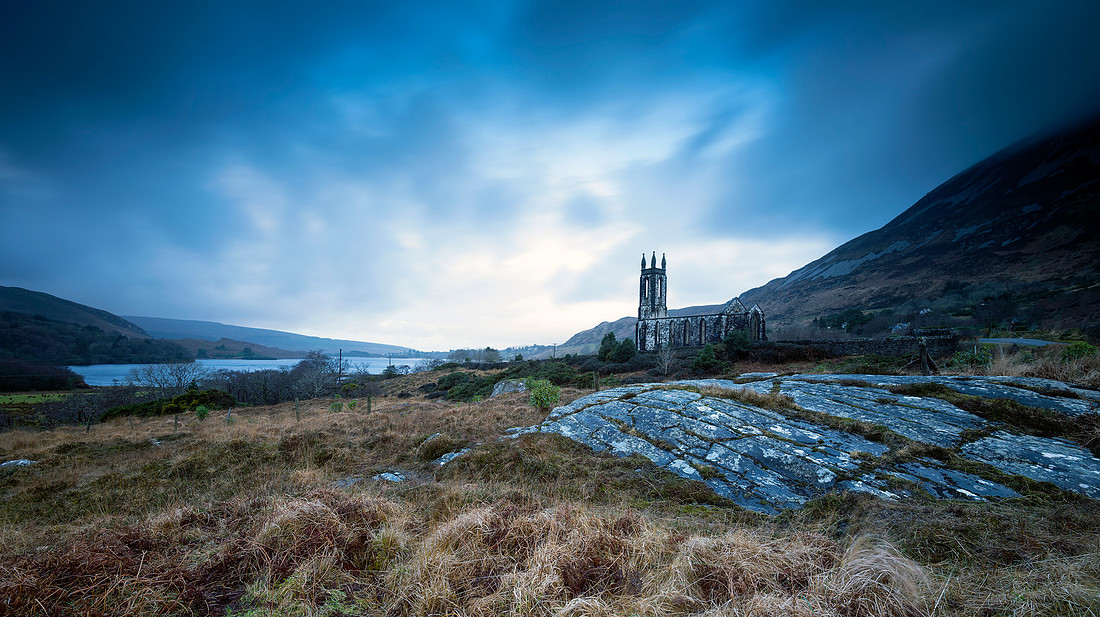
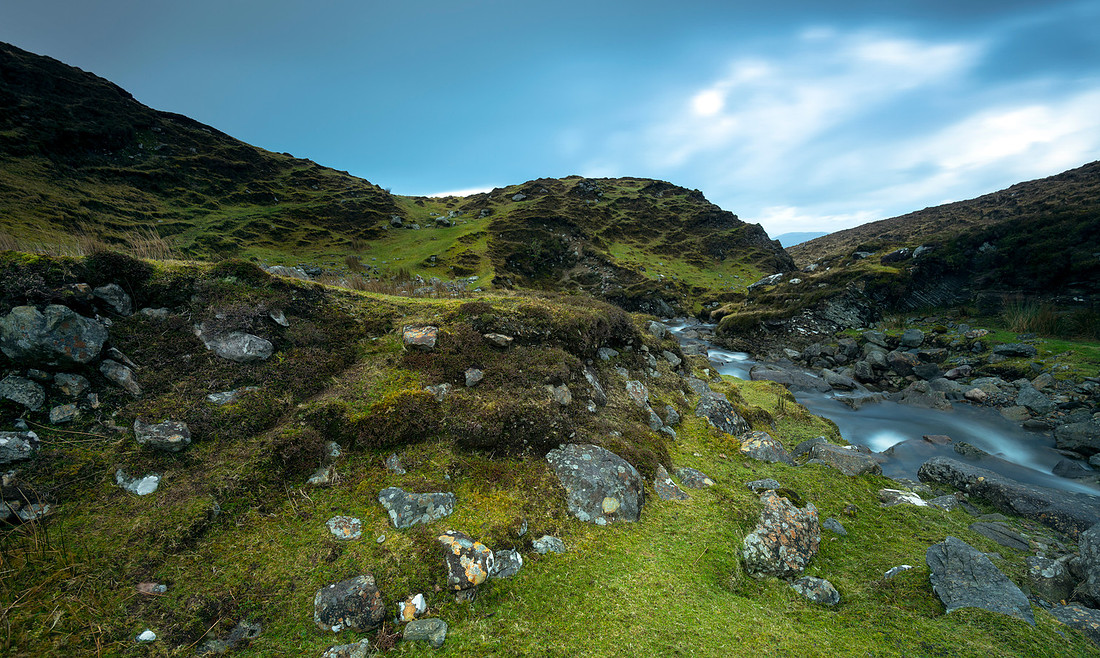
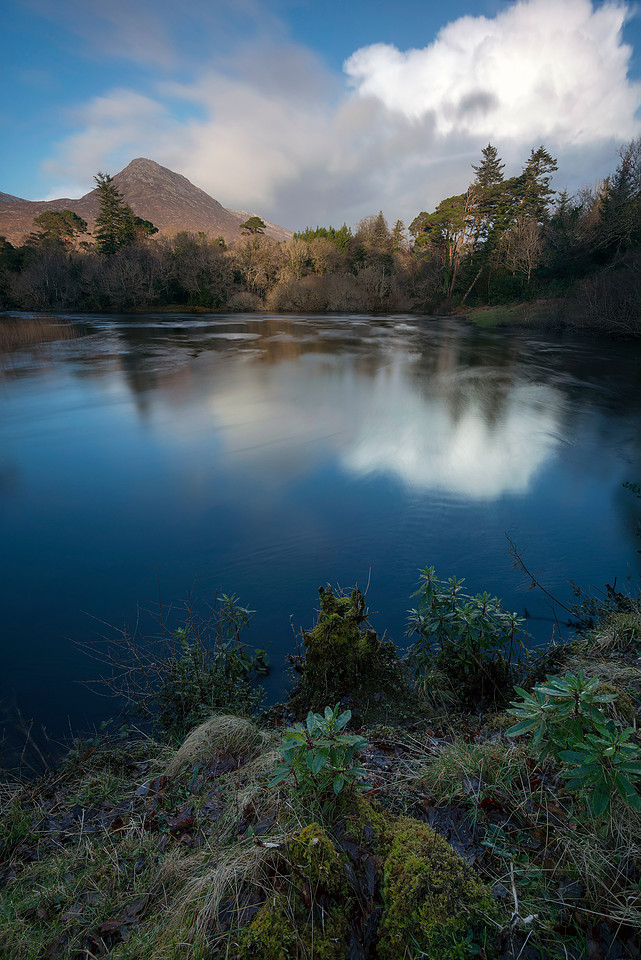
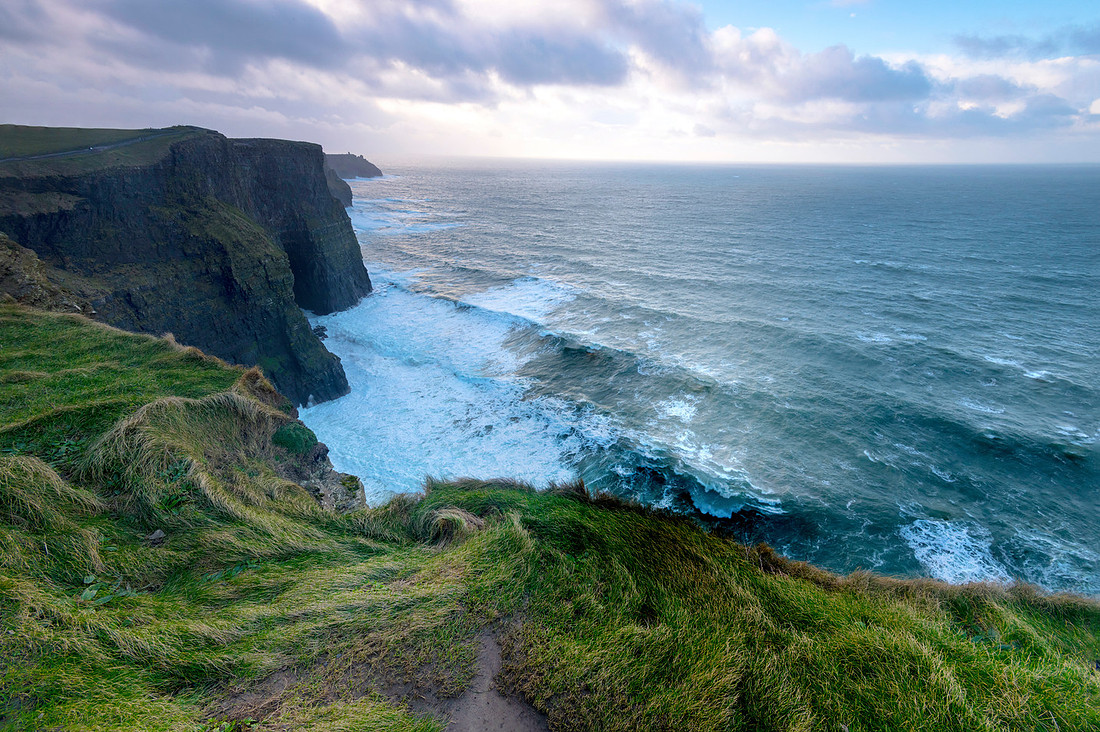
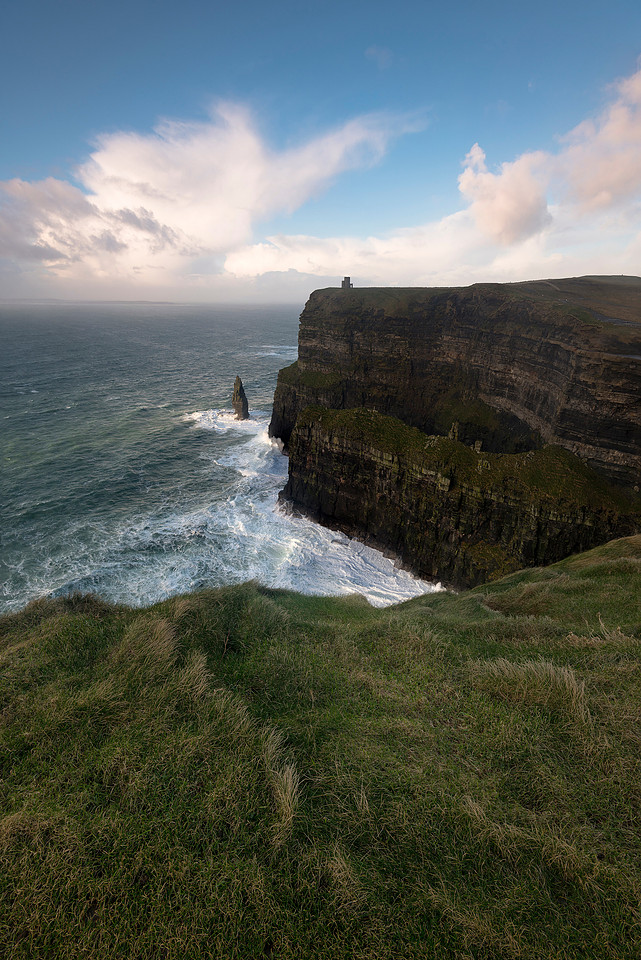
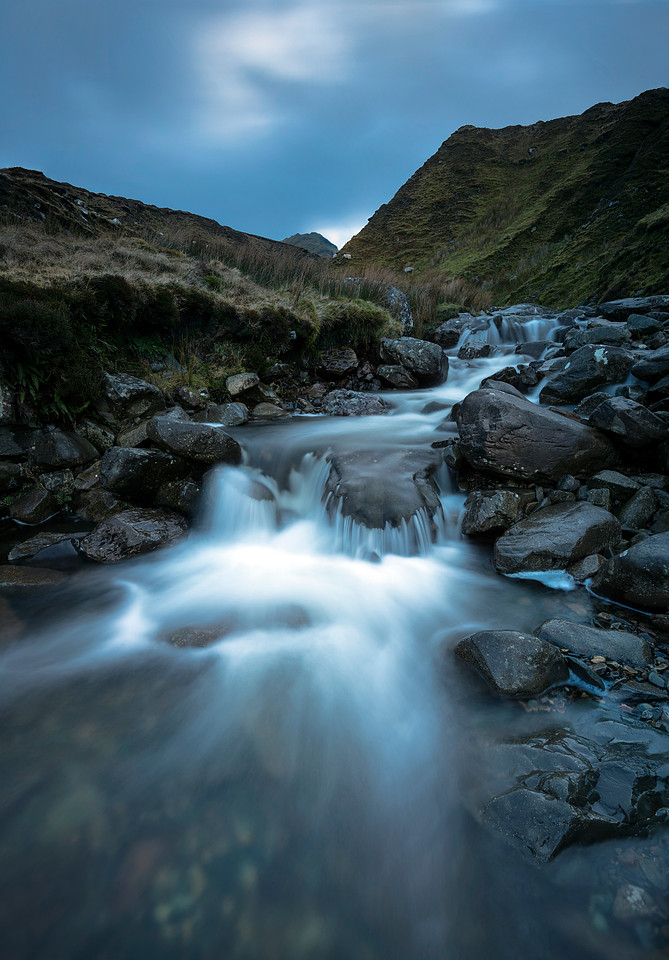
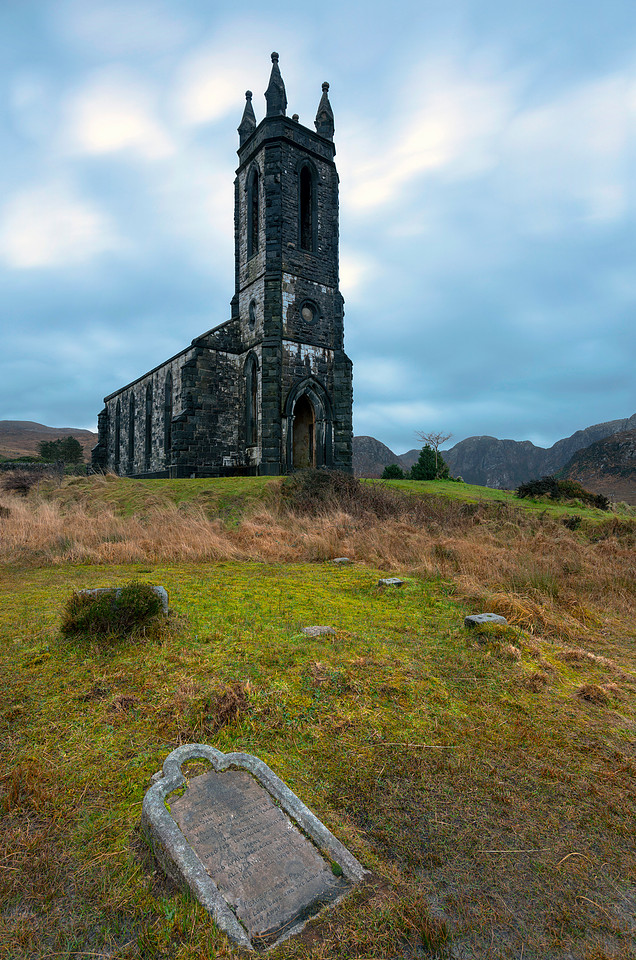
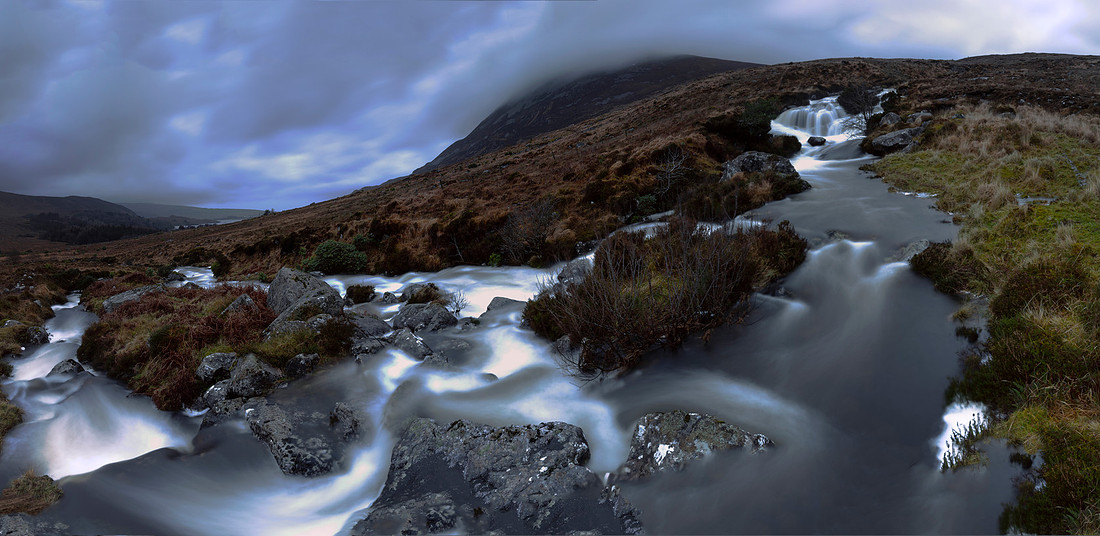
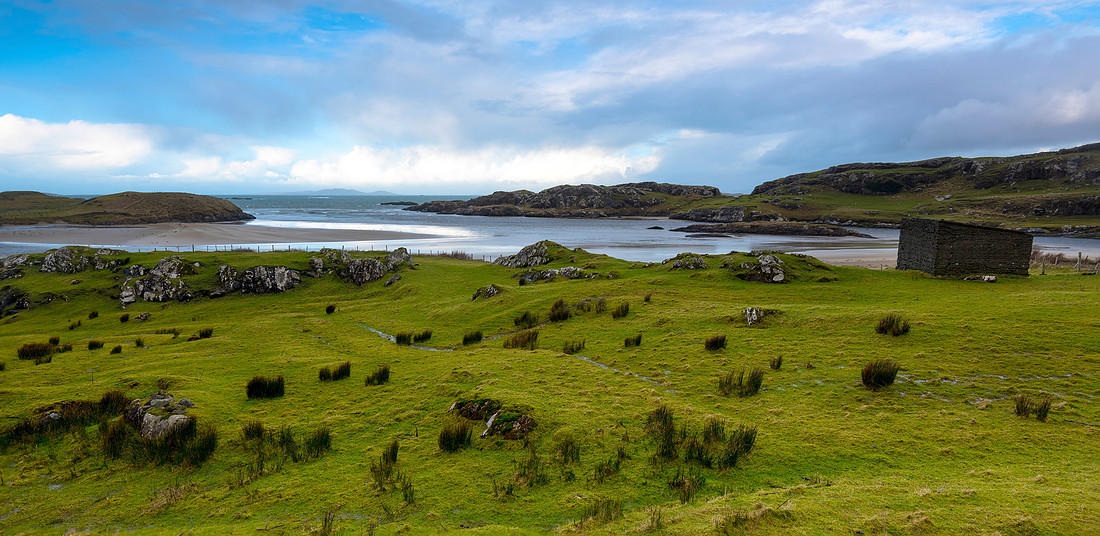
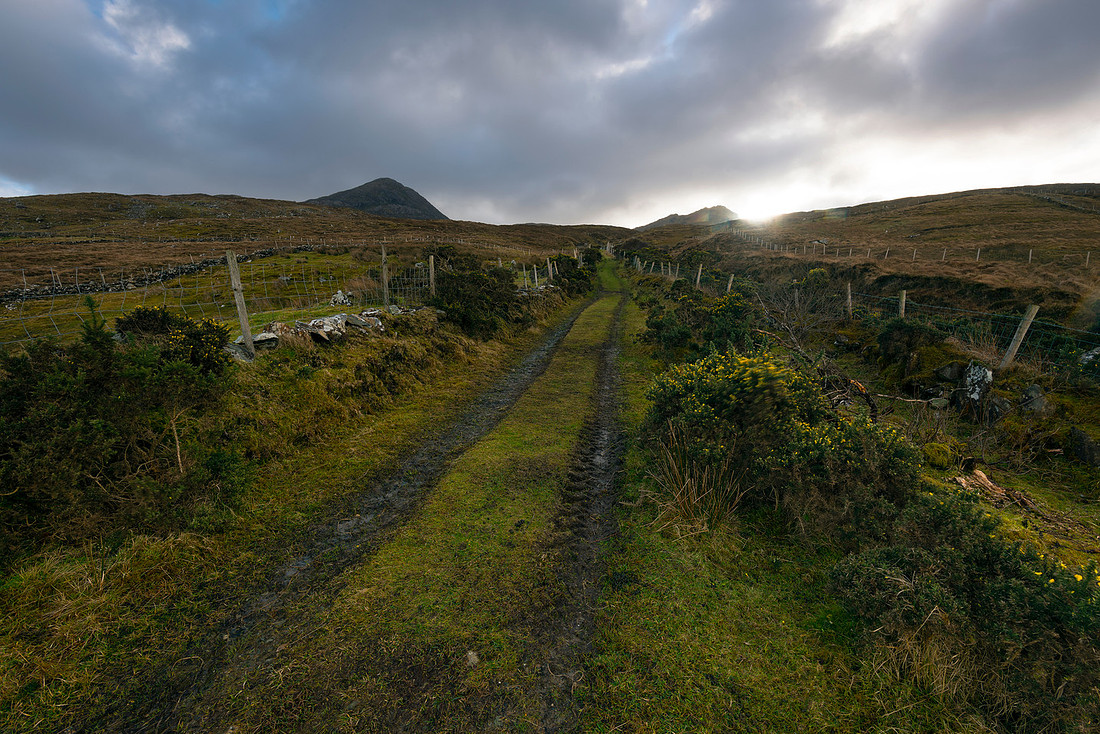
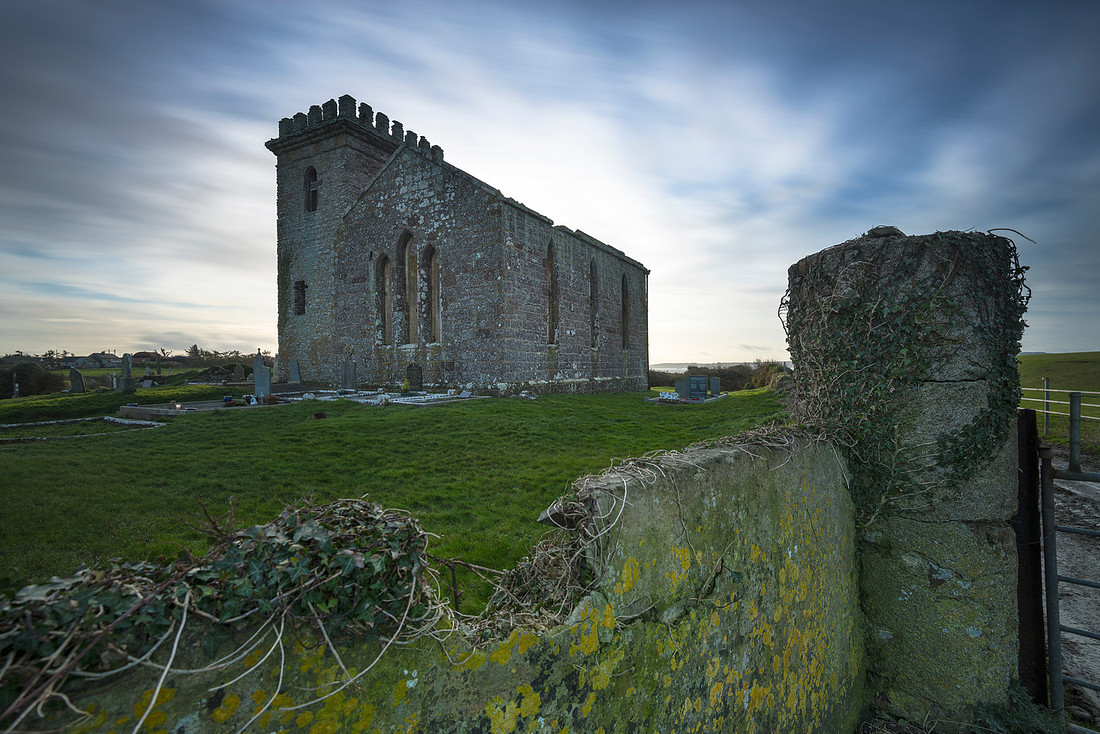
Ireland

Chilliwack BC

Manning Park, BC

Garibaldi Provincial Park, Whistler, BC

EC Manning Park, BC

Chilliwack BC

Chilliwack BC

Nipigon Ontario

Table Mountain, Washington State, USA

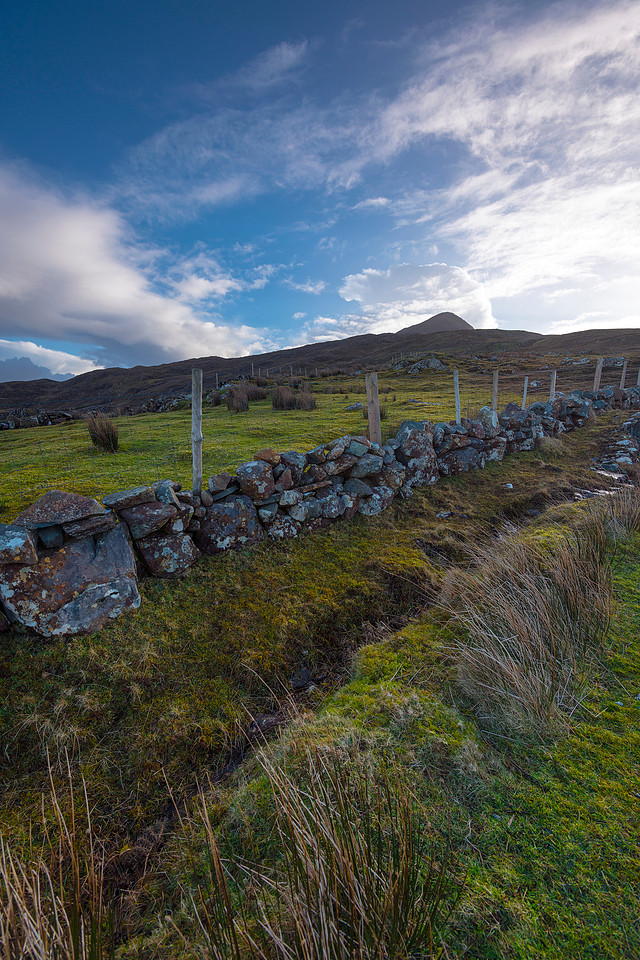
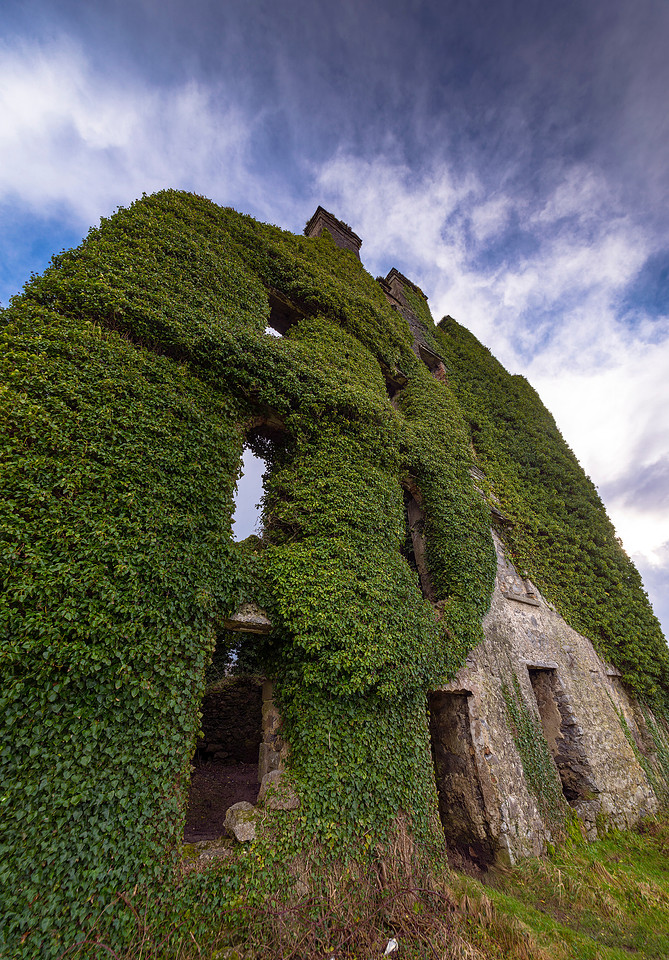
Ireland

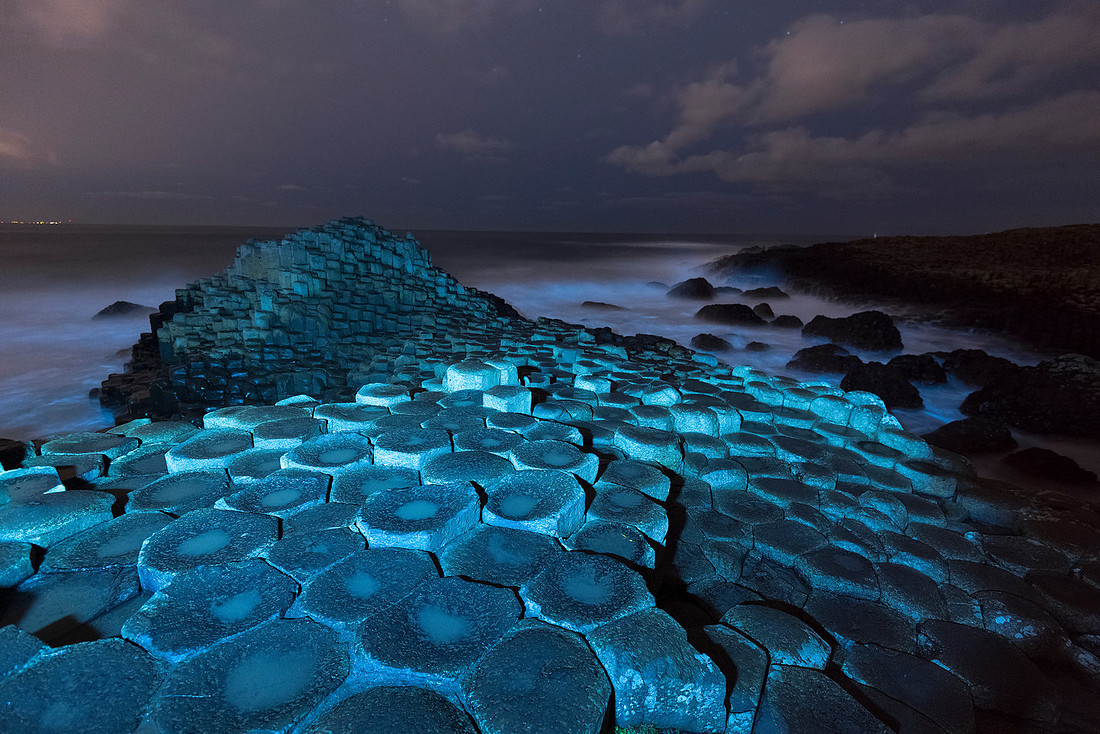
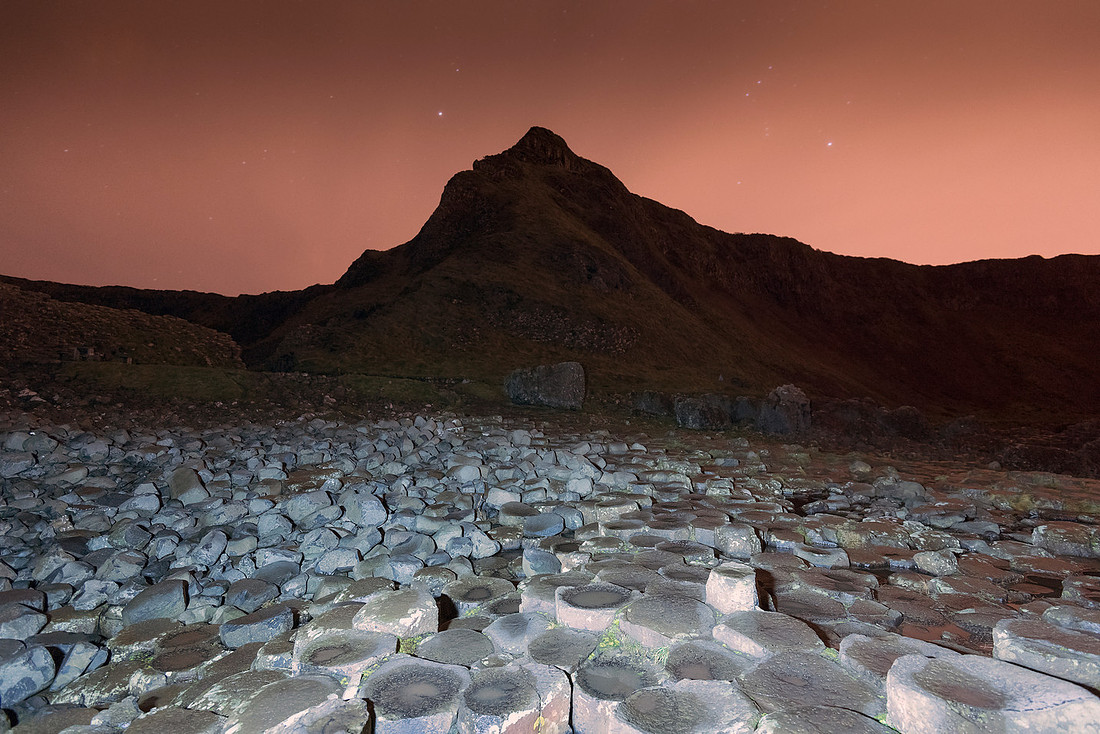
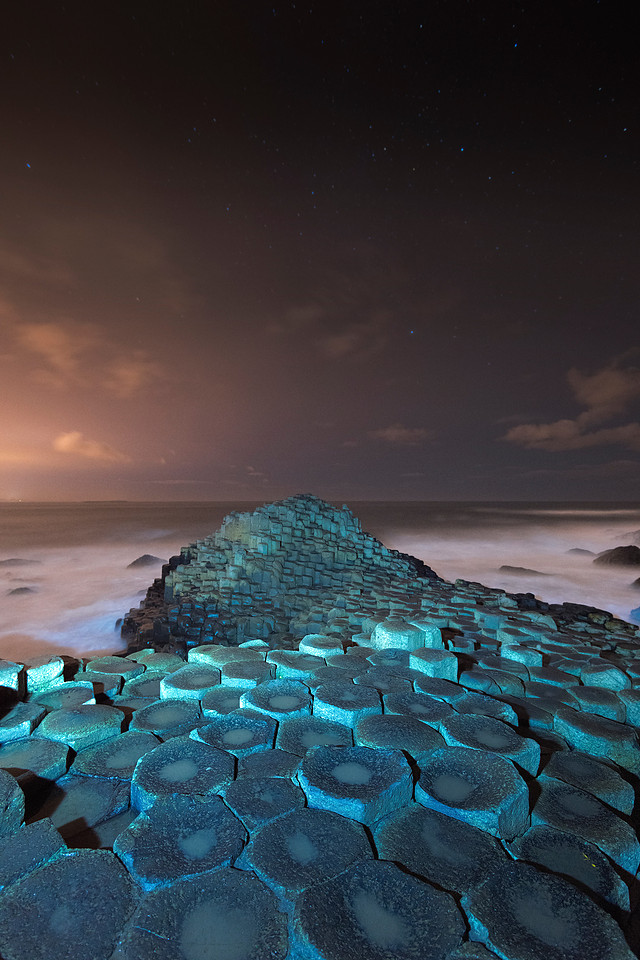
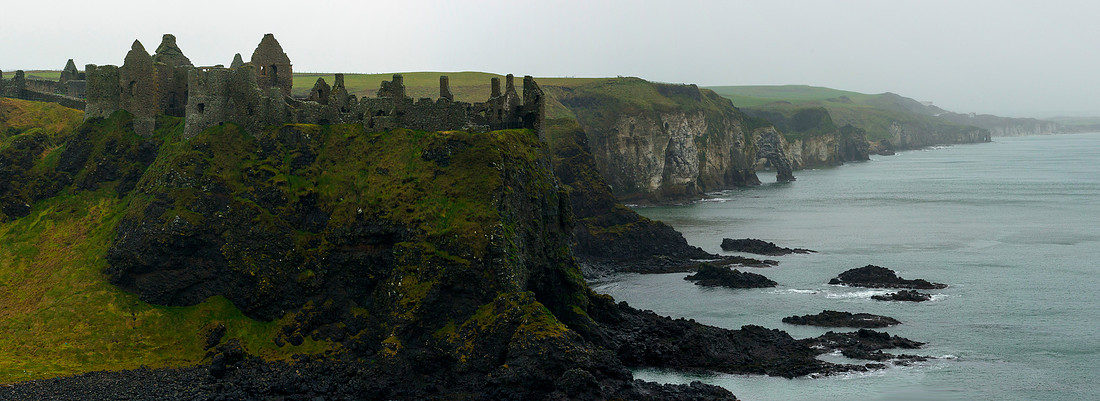
Giant's Causeway Ireland

Hope BC

Chilliwack BC

Agassiz, BC

Chilliwack BC
 Palouse Falls State Park, Washington State, USA

Bowen Island BC

Garibaldi Provincial Park, Whistler BC

Whytecliff Park, Vancouver BC

Mt. Baker Wilderness Area, Washington State, USA

Flood Falls, Hope BC

Golden Ears Provincial Park, Maple Ridge, BC

Ontario Canada

Ontario Canada

Bowen Island BC

Ontario Canada

Bowen Island BC - our old home.
]]>
Bowen Island


Vermillion Lake Alberta


Bowen Island, Killarney Lake Black and White.


Stellar's Jay, Dark Eyed Junco's, Spotted Towhee's and Nuthatch's today.


Enjoy the shots of this beautiful park in British Columbia.


]]>
Everyone was in there selfie heaven.


Bowen Island BC Canada.


I had the privilege to get out on the water for a fun day. All photos taken with the Nikon D850, Nikon 80-200 2.8 VR II.
Enjoy!


Here are some test shots using a Haida GND4 and a B+W ND6 shutter speeds between 1/8th and 30 seconds and apertures around F8-F14 with no blending all single shots.


 ]]>


]]>
]]>


At the bottom are some shots from around the house and Josephine Lake.


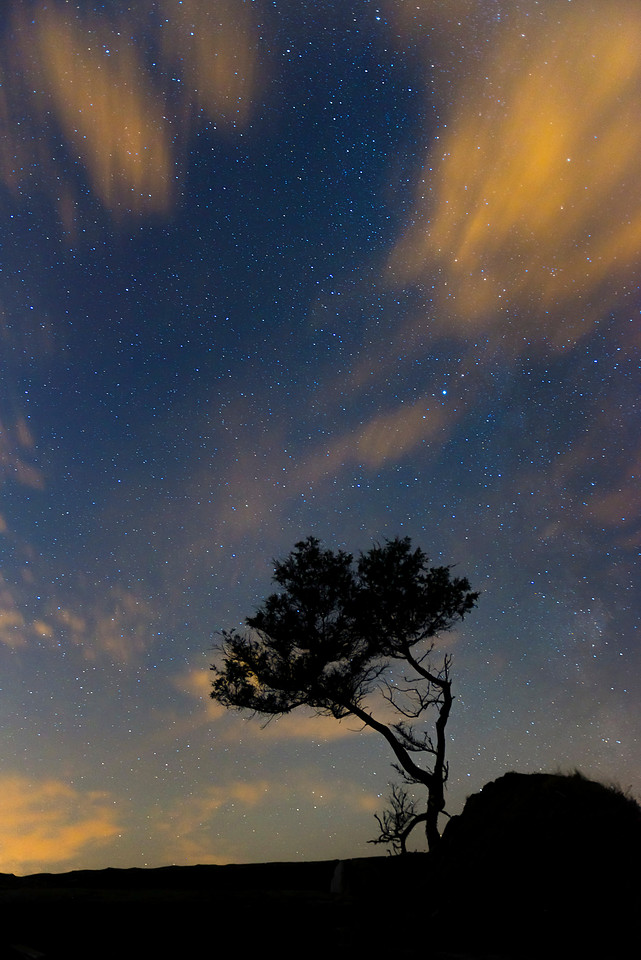
 Stars were out and about at Grafton Lake last night.


 Next day we have a dump of snow and this is my backyard. Josephine Lake is frozen and snow covered as seen through the trees. Blowing snow streaks across the image. I photographed this from a window with a Fuji Mirrorless camera with a kit 16-50mm @ 50mm, F8, No filters. RAW.
]]>


Enjoy!


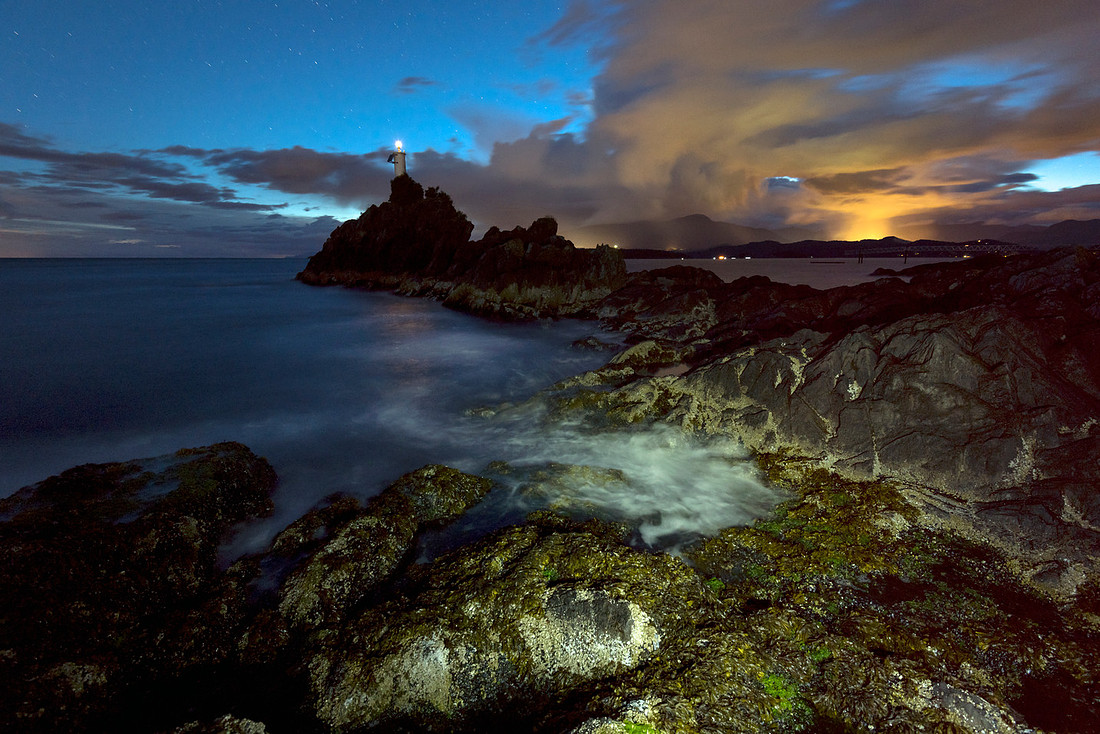
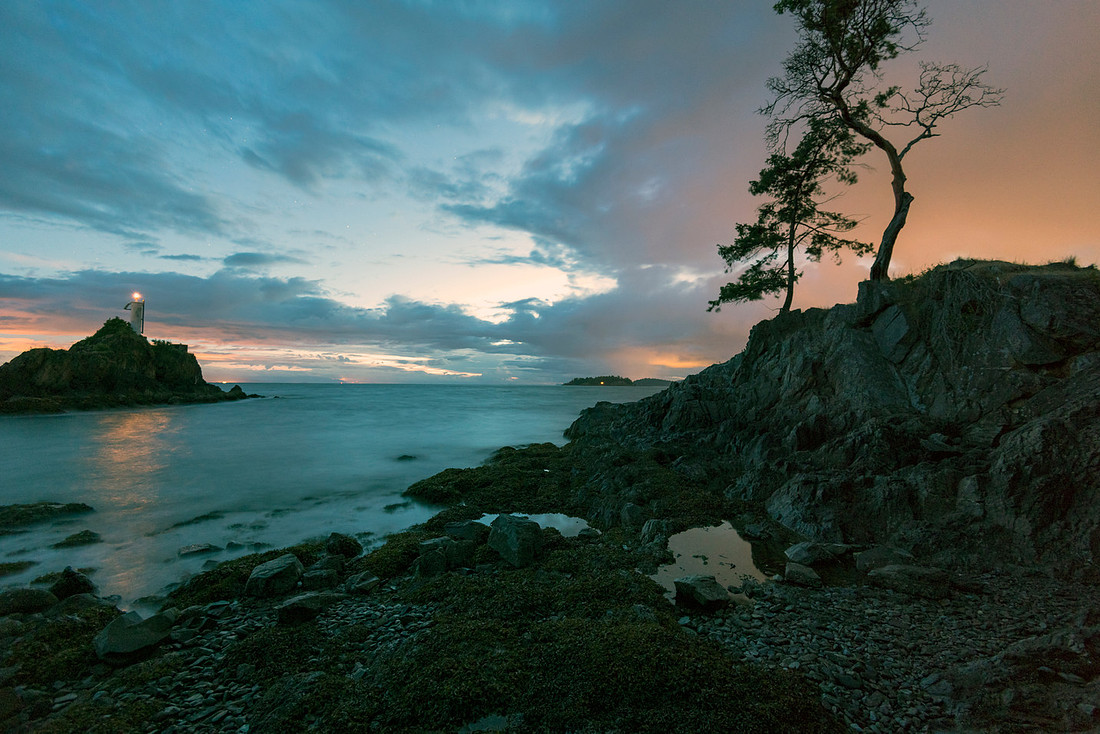
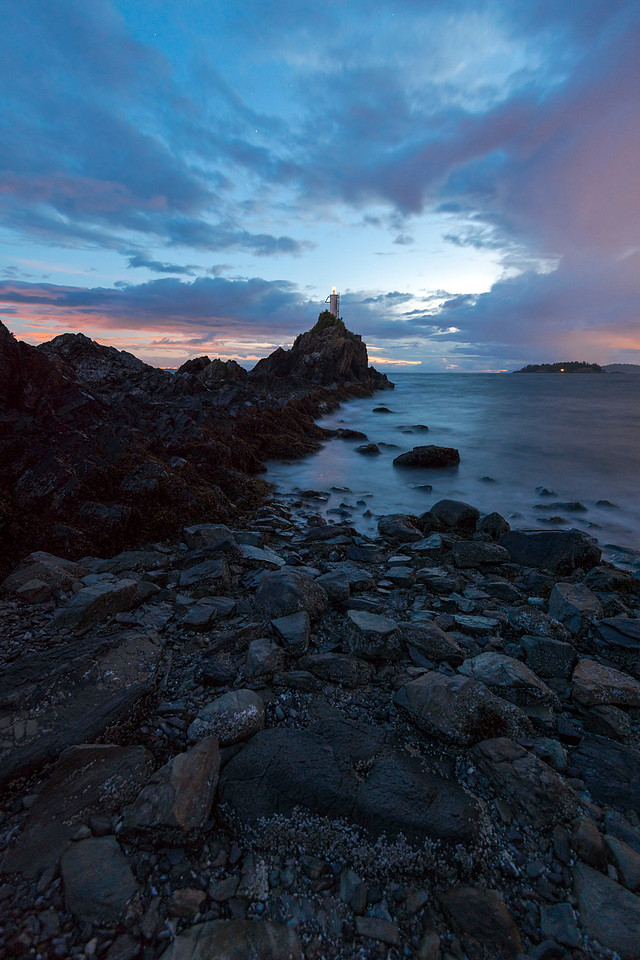
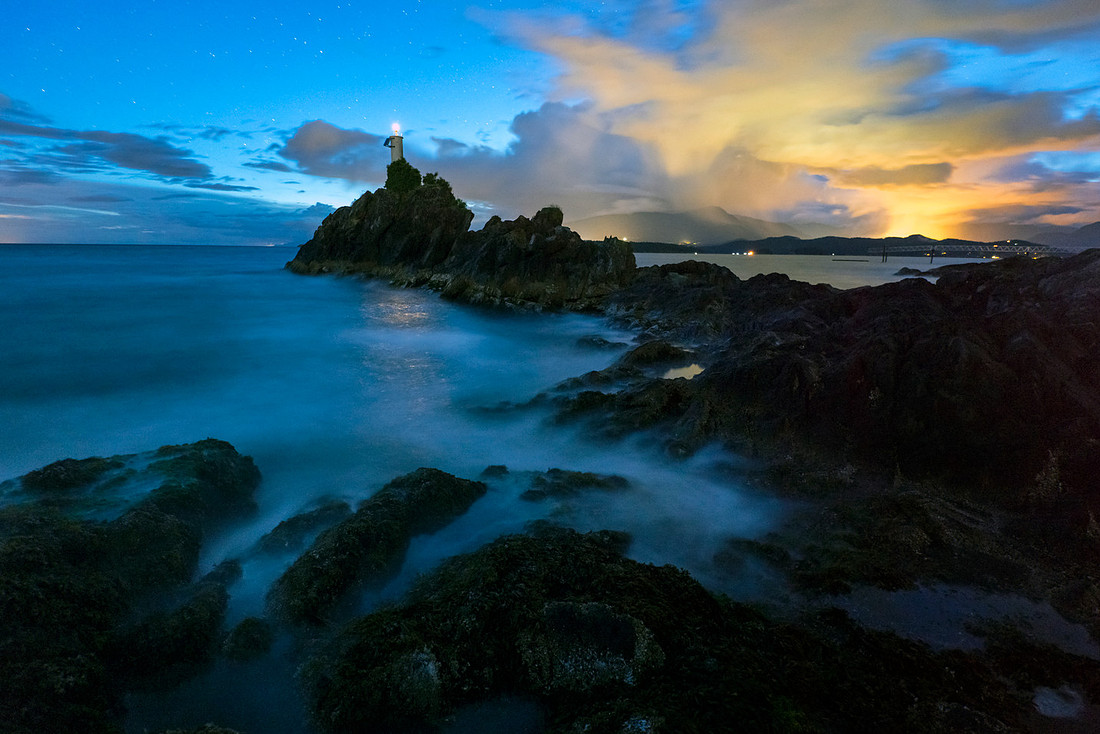
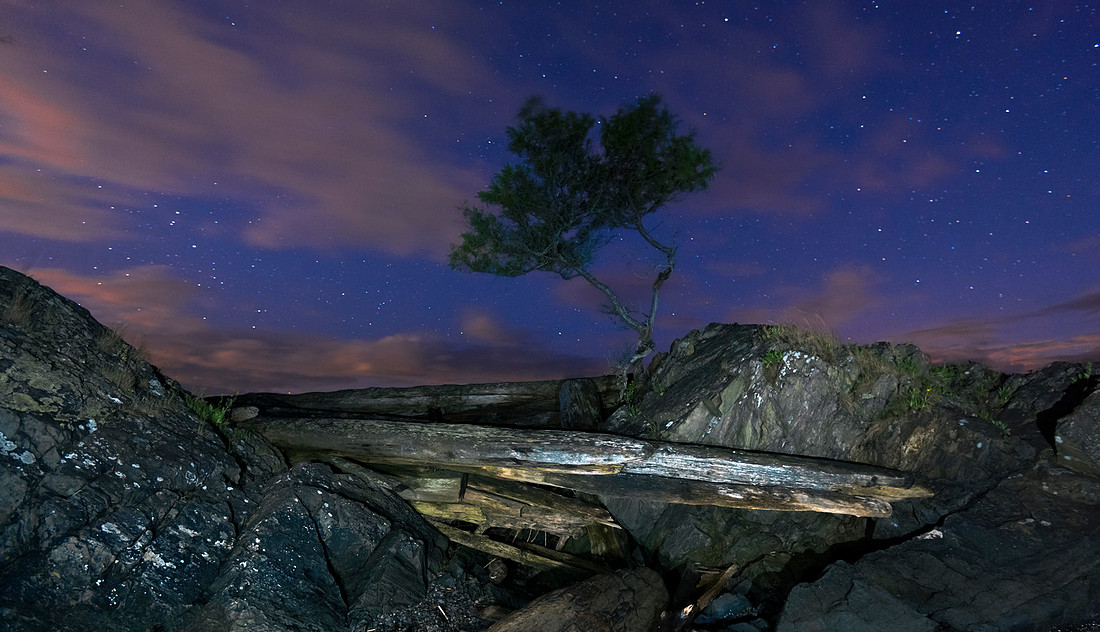

]]>
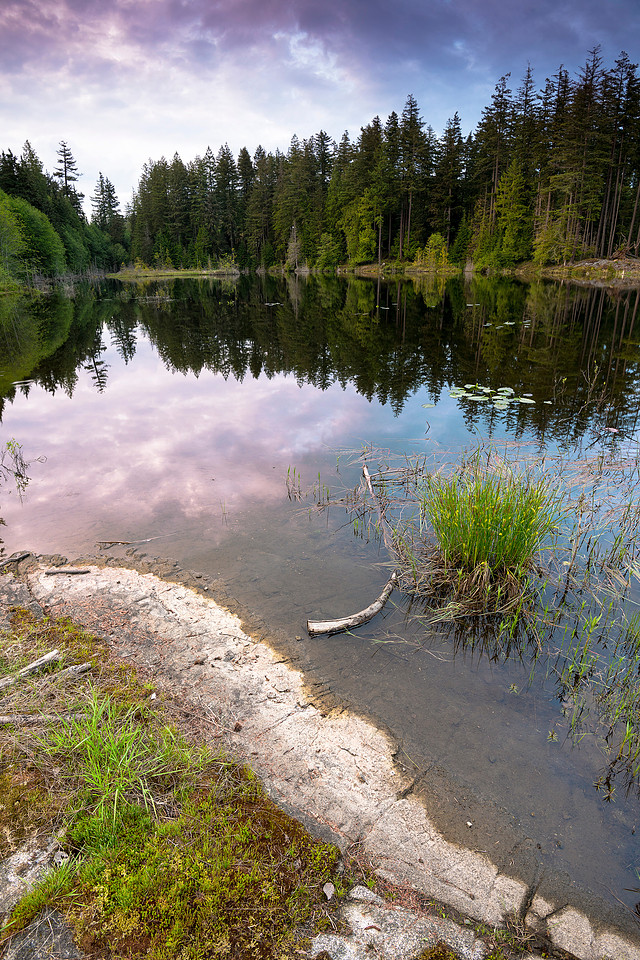
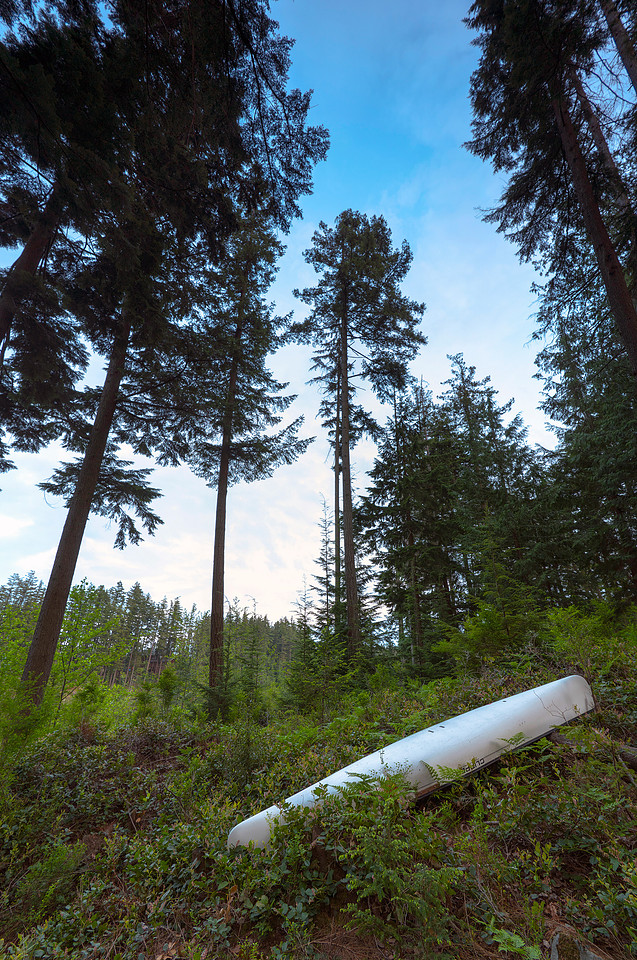
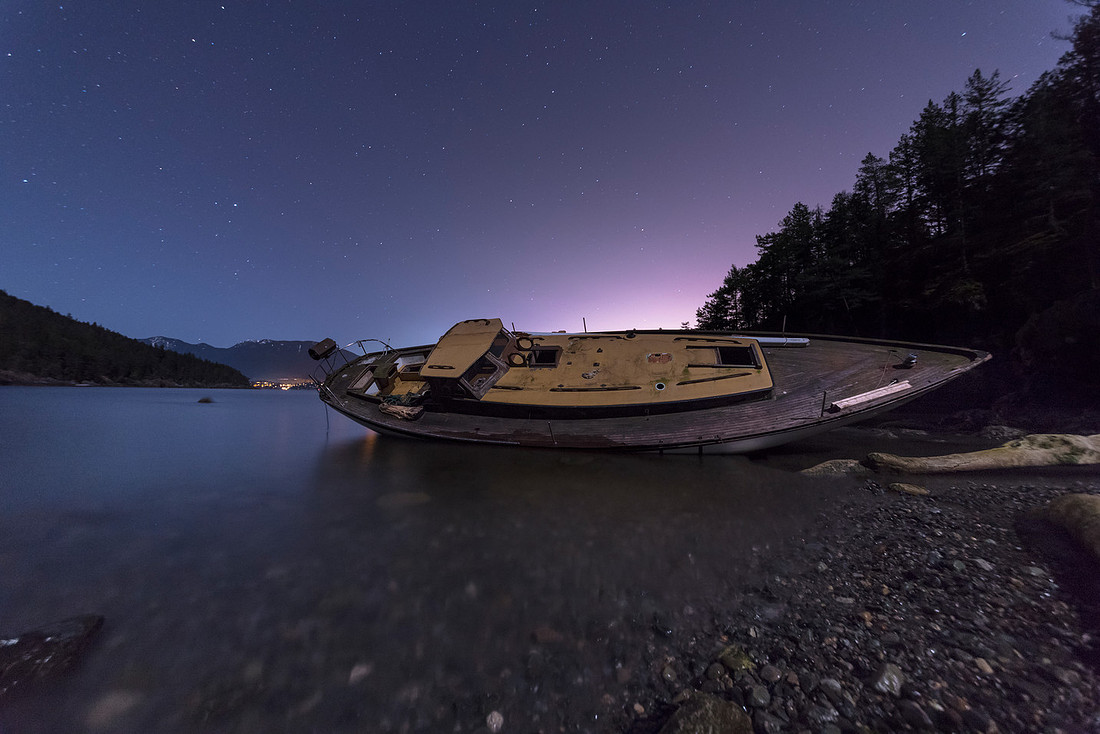
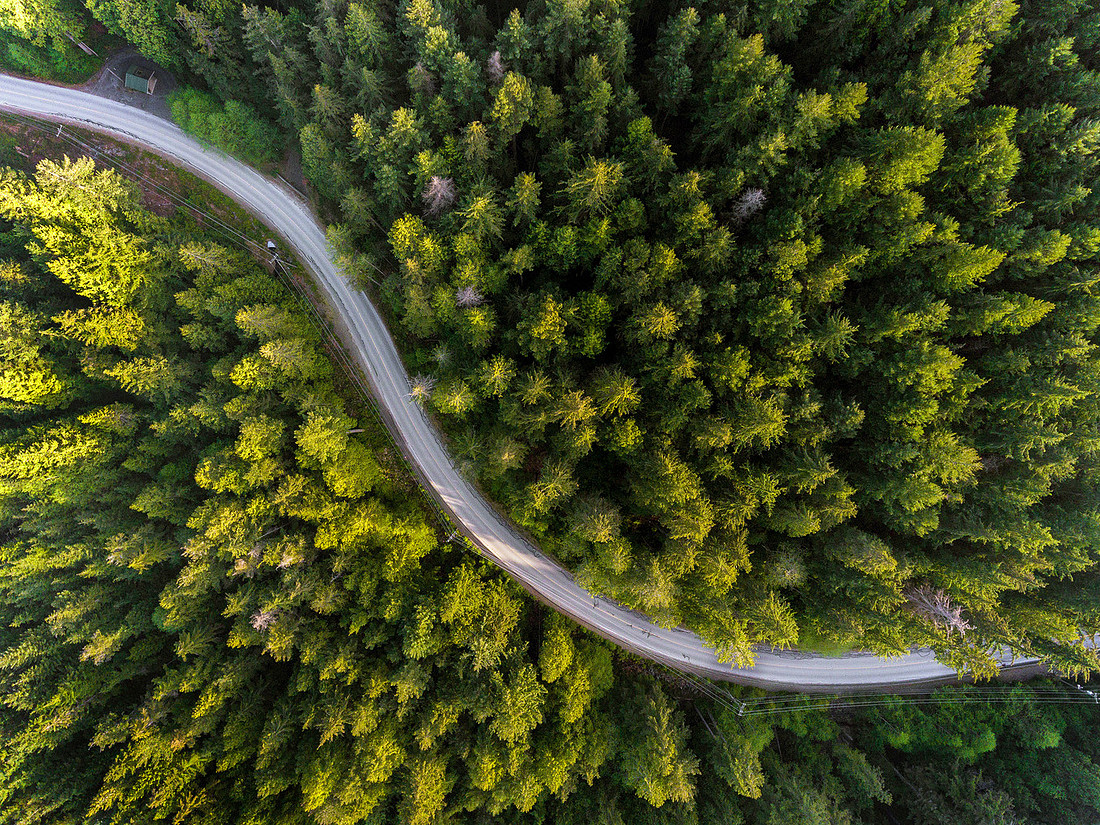
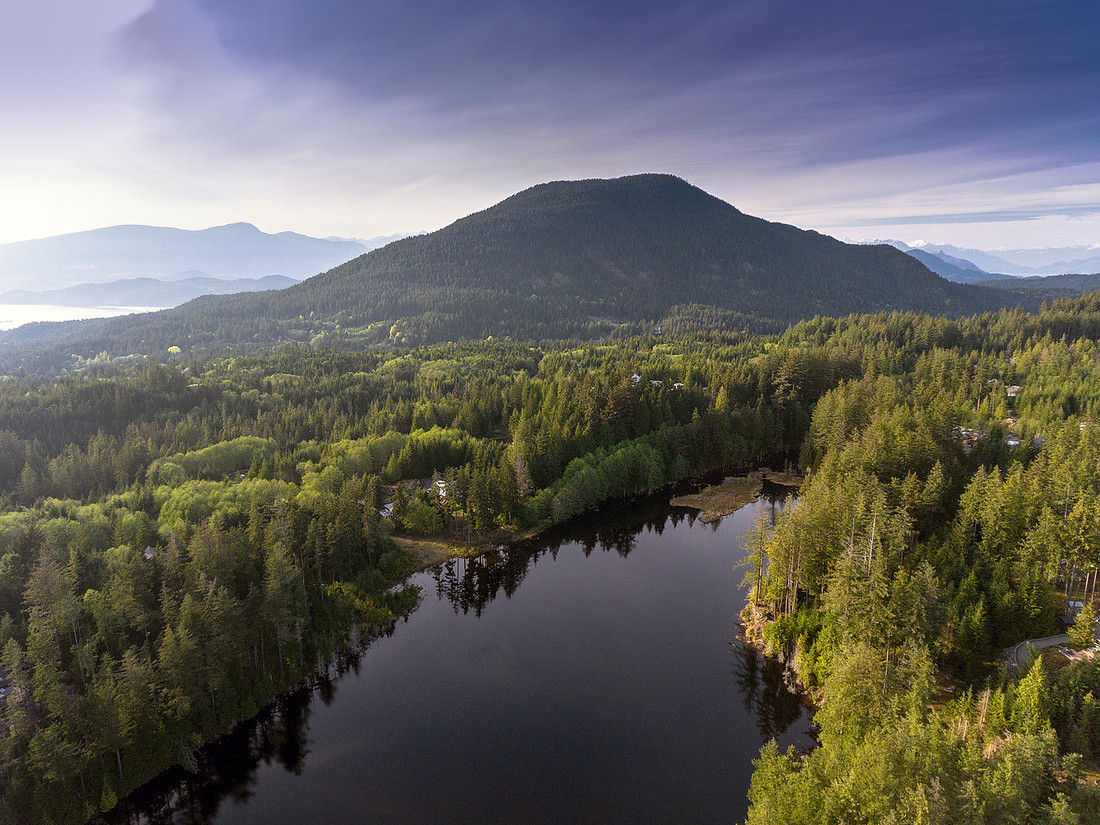

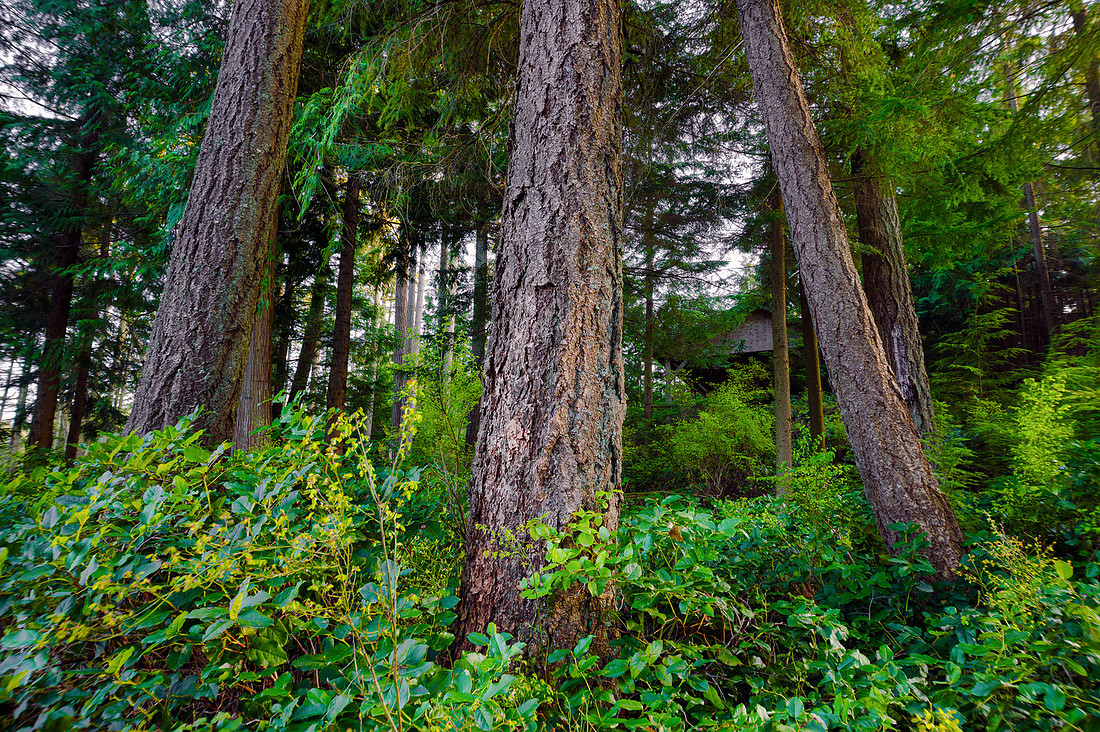
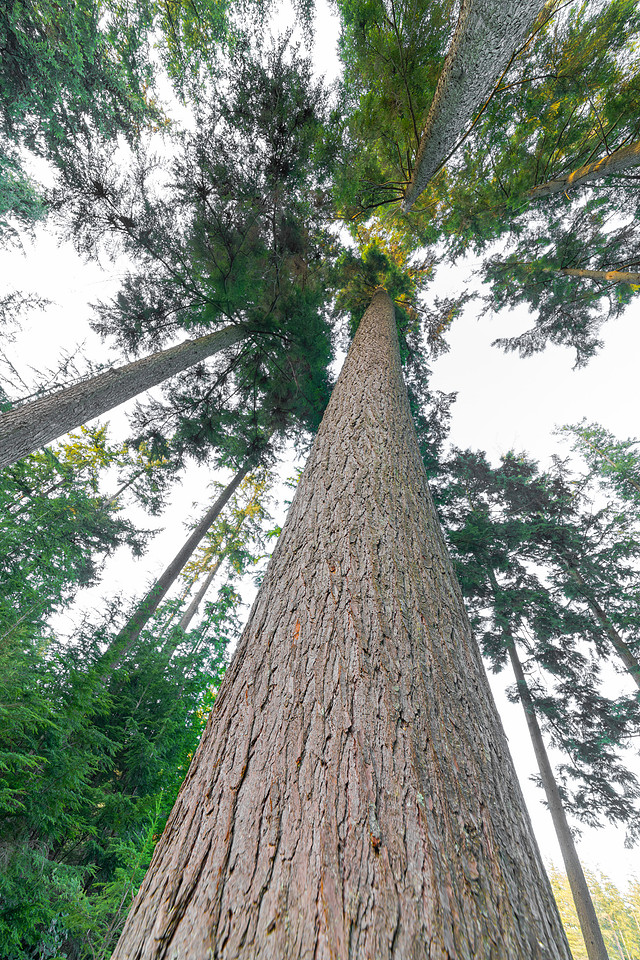
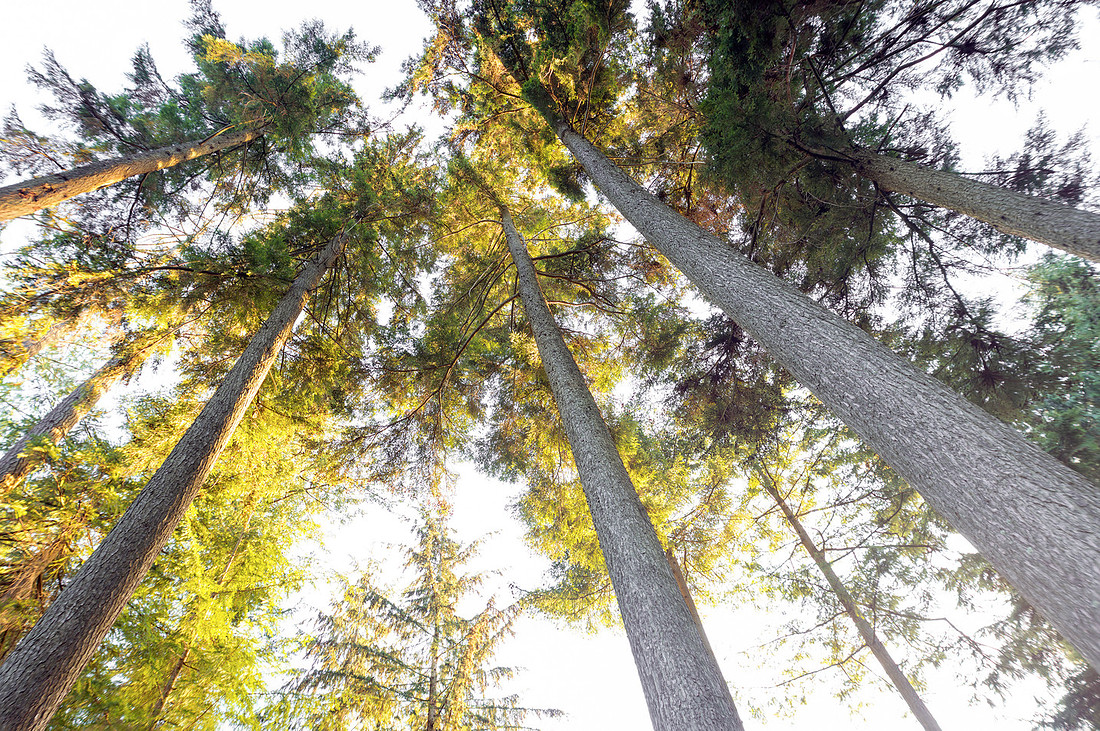
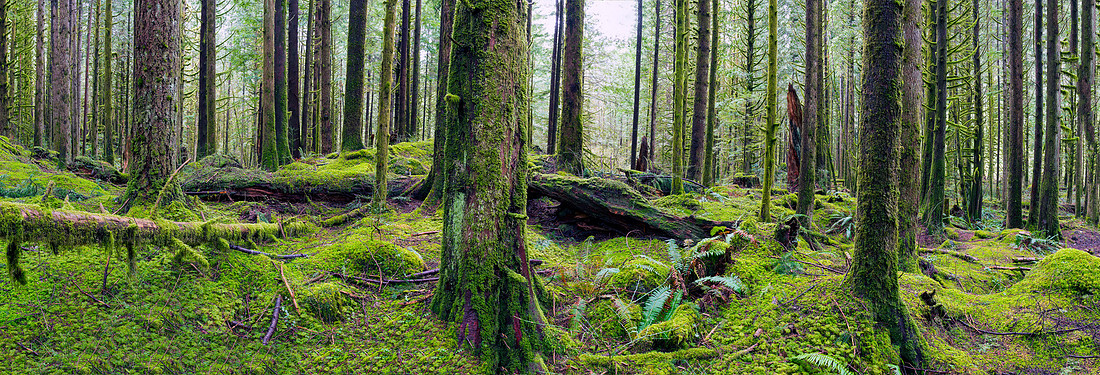
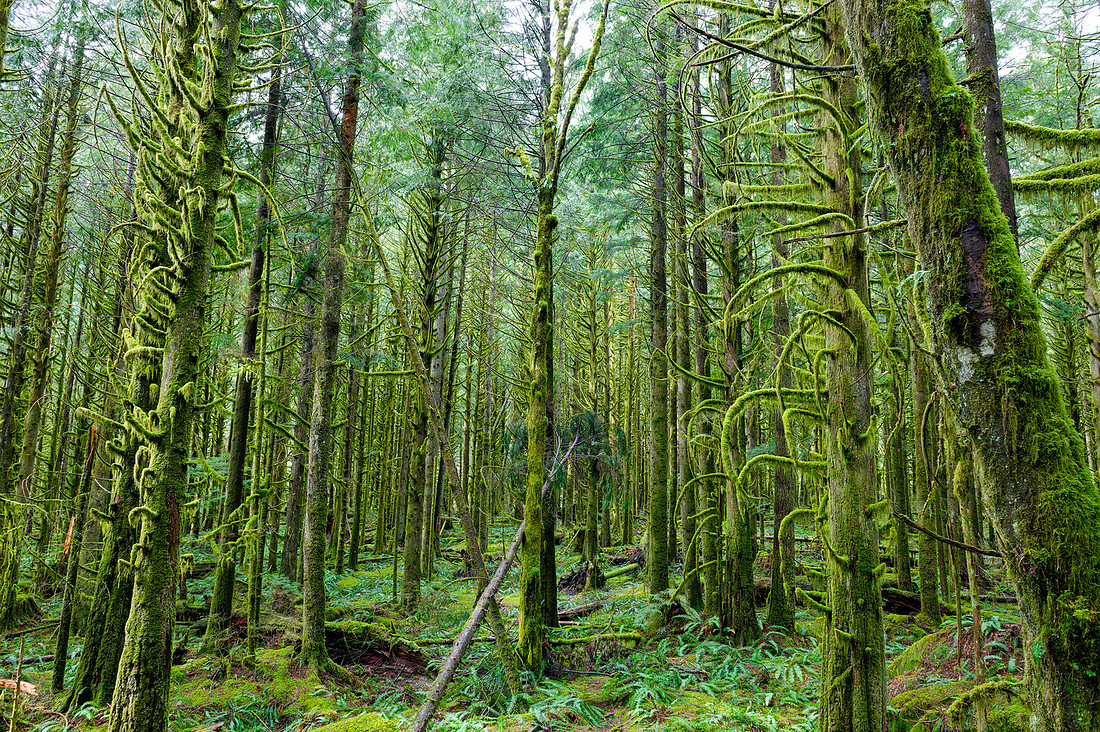
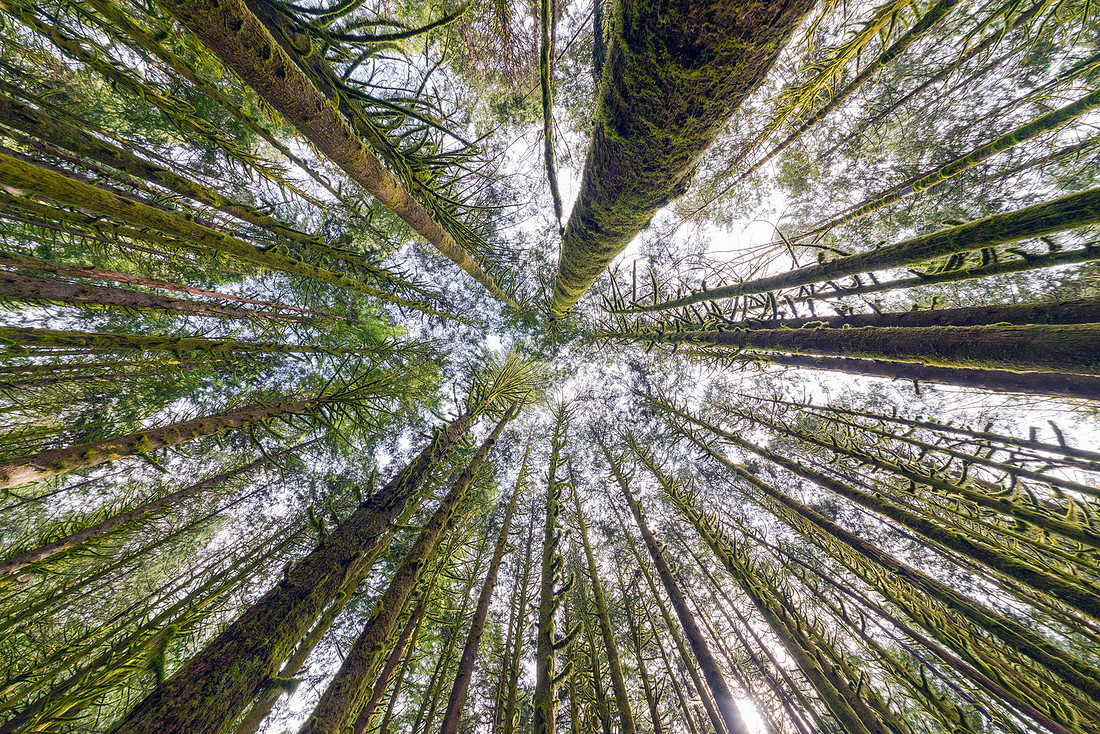
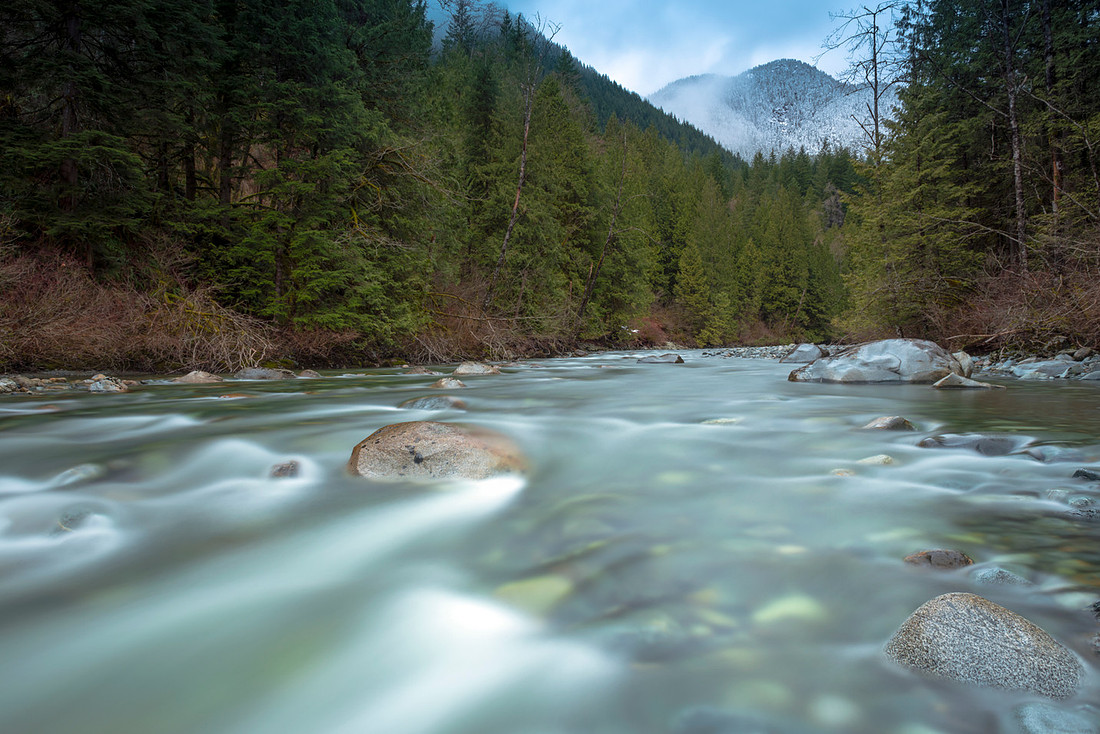
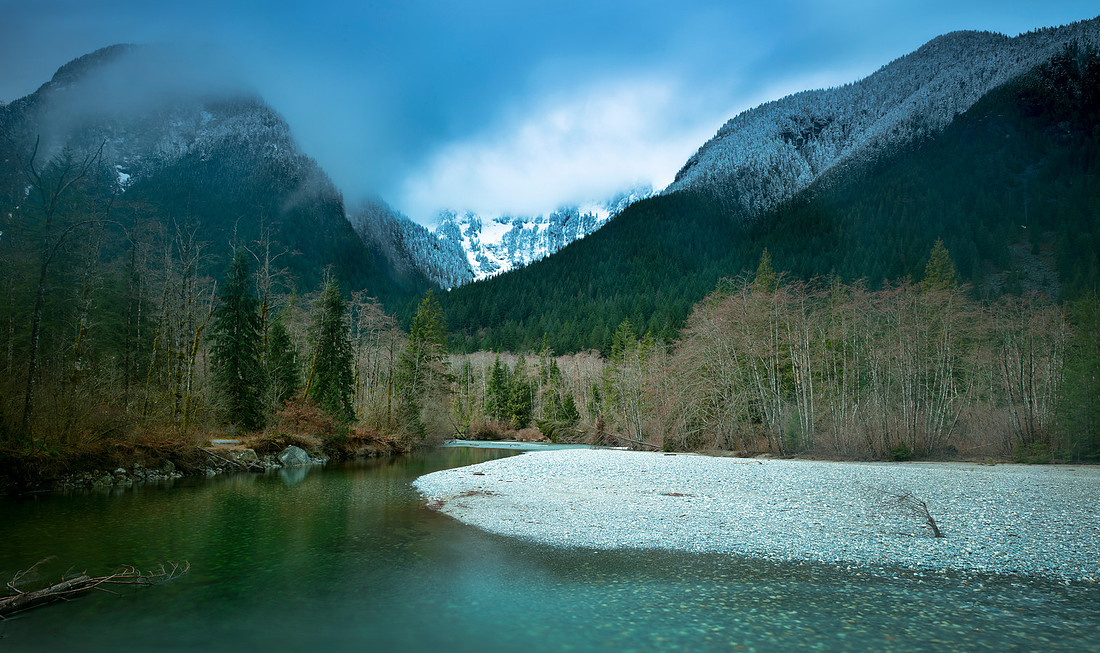
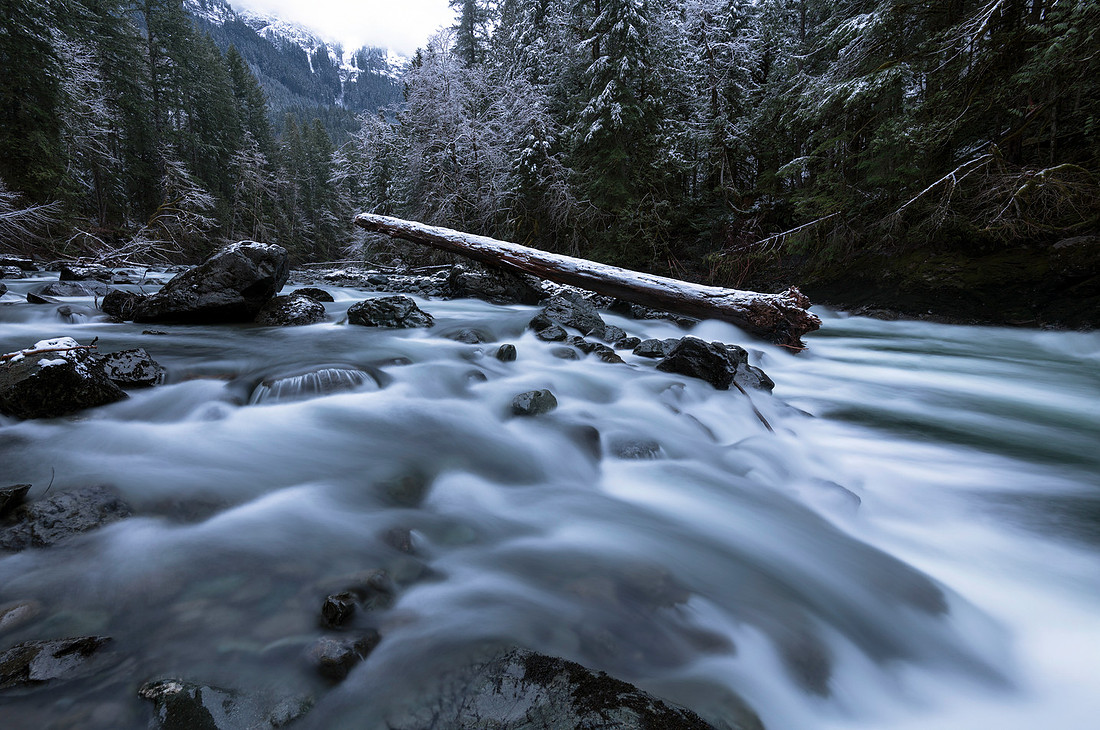
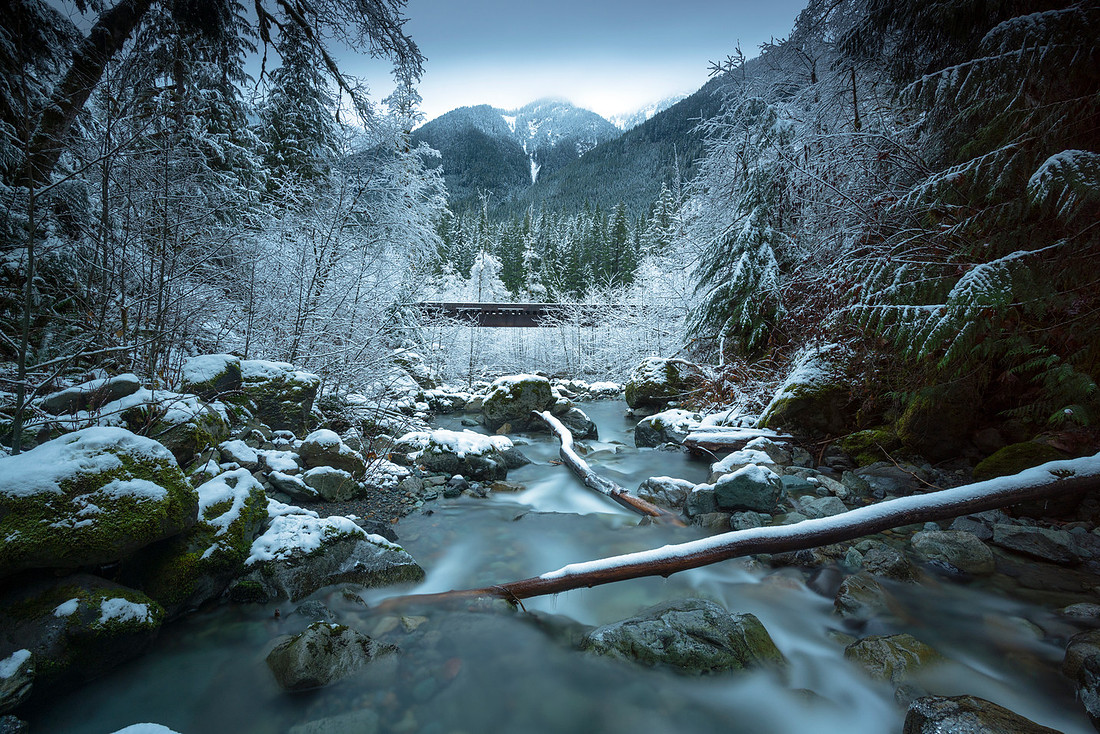
Here are some of the spots I have edited thus far.
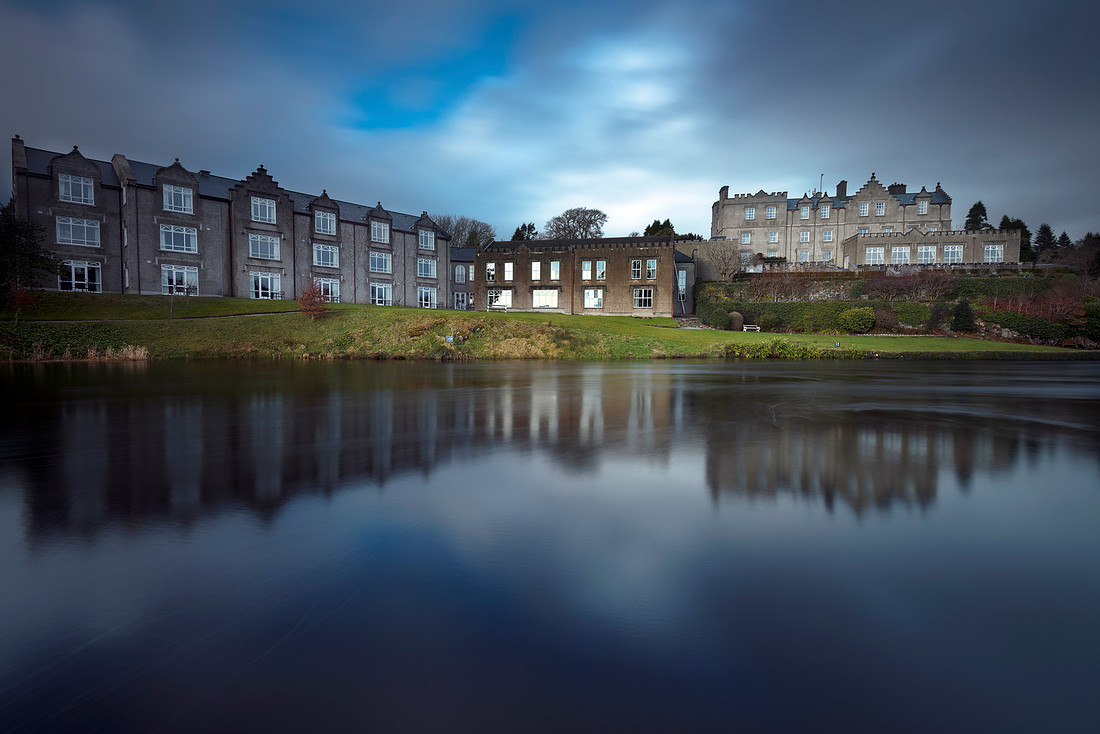
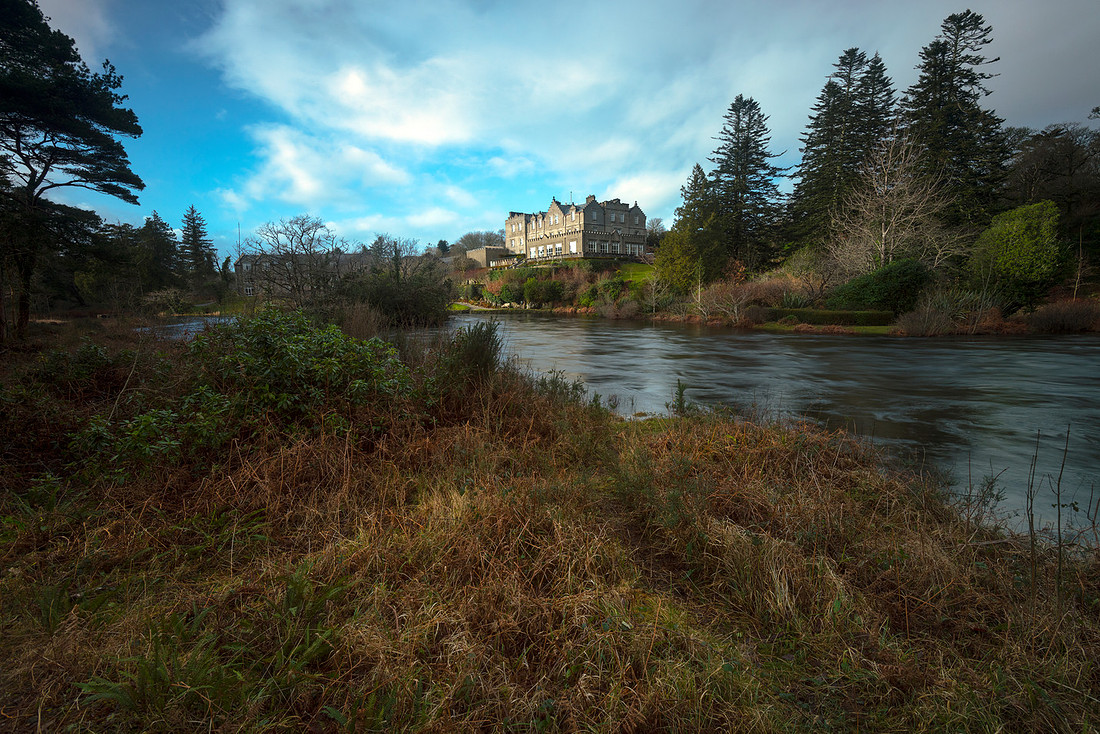
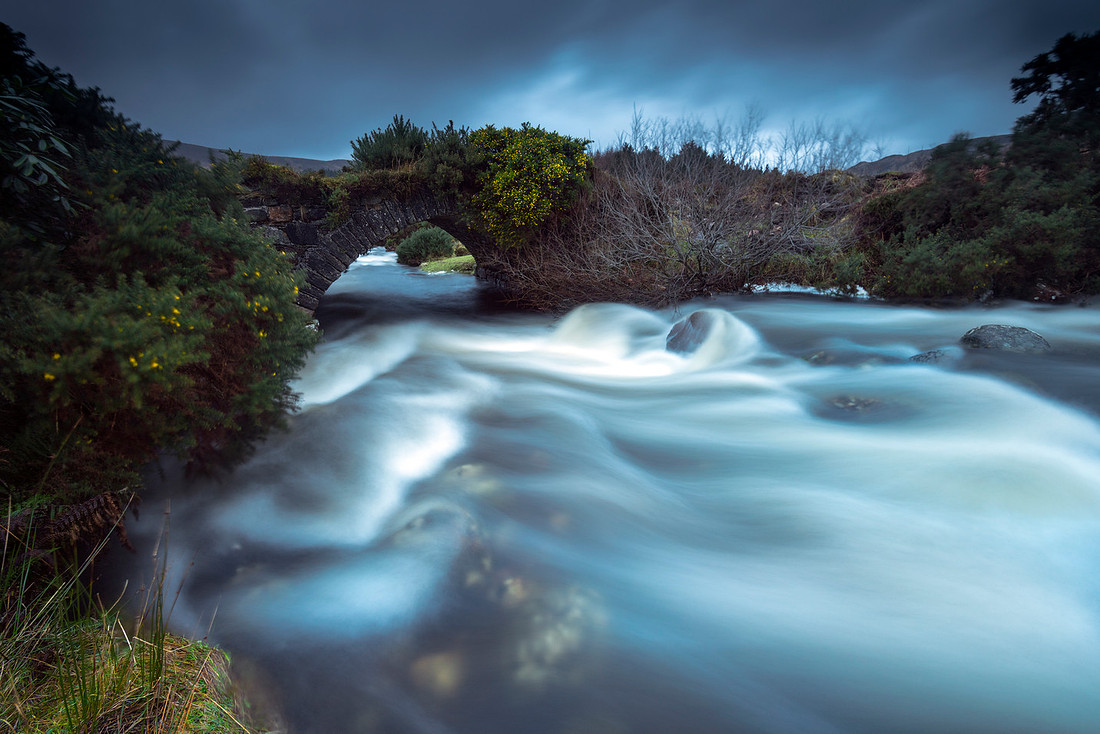
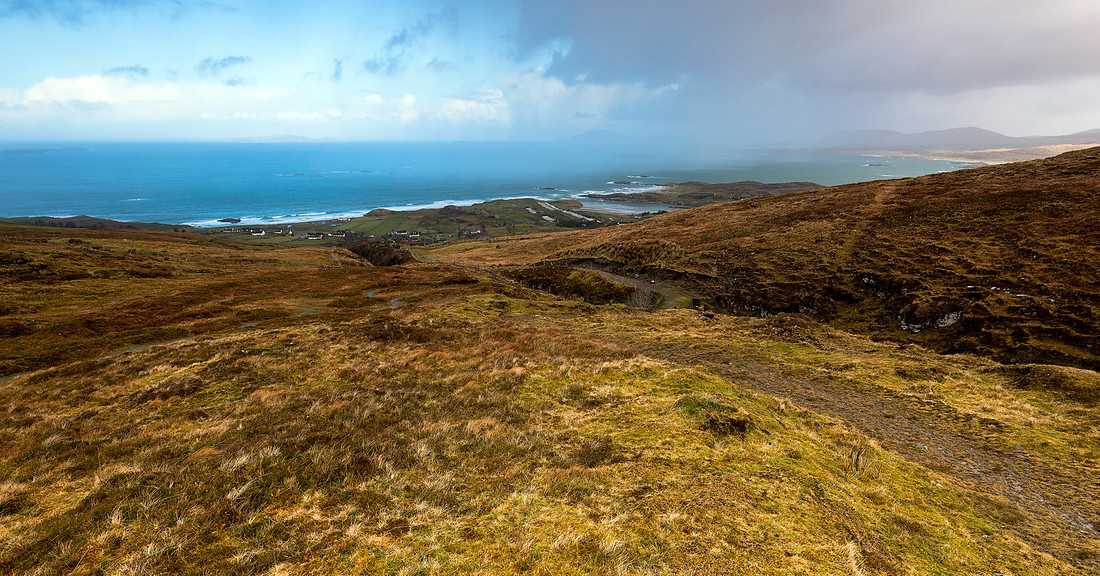
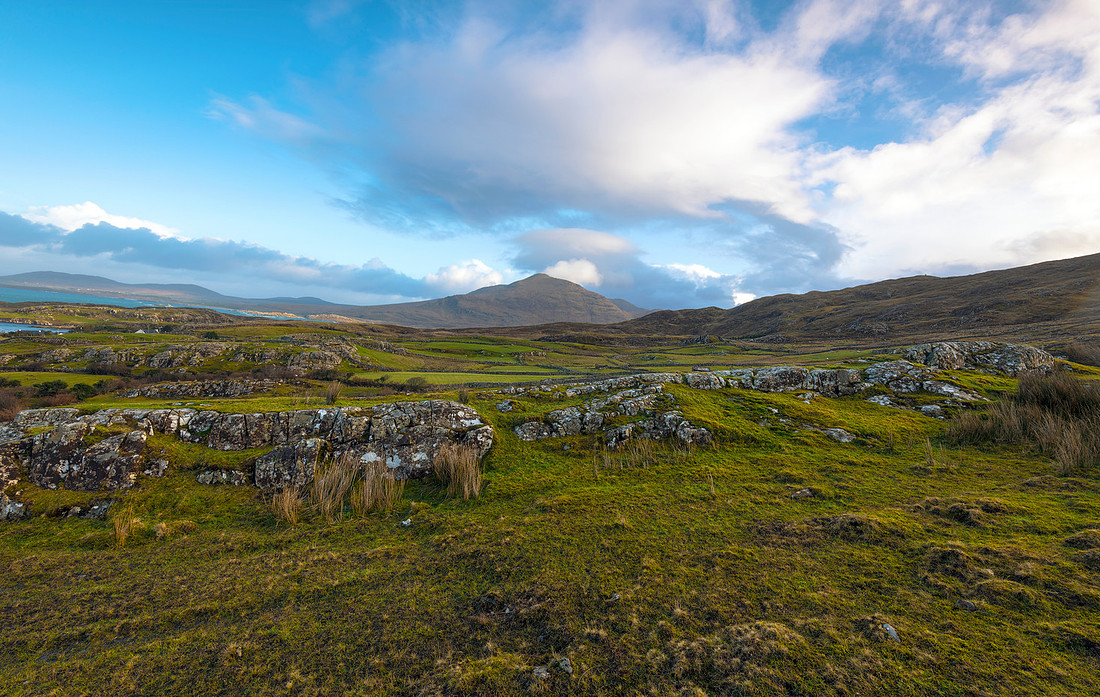


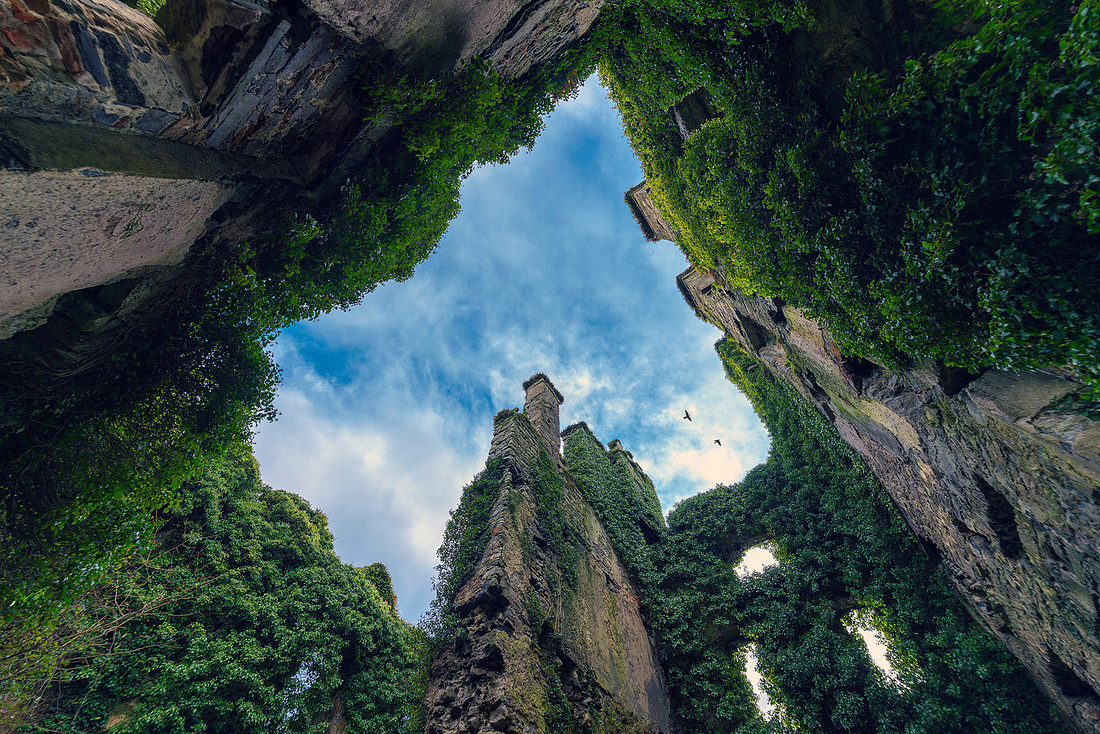
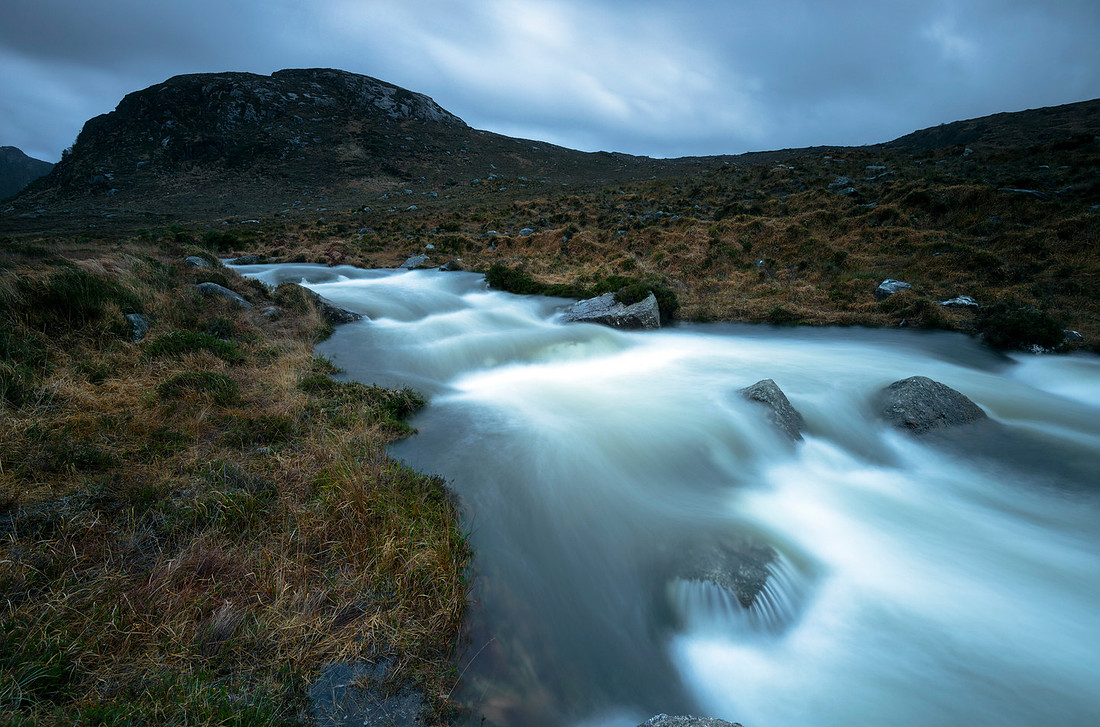
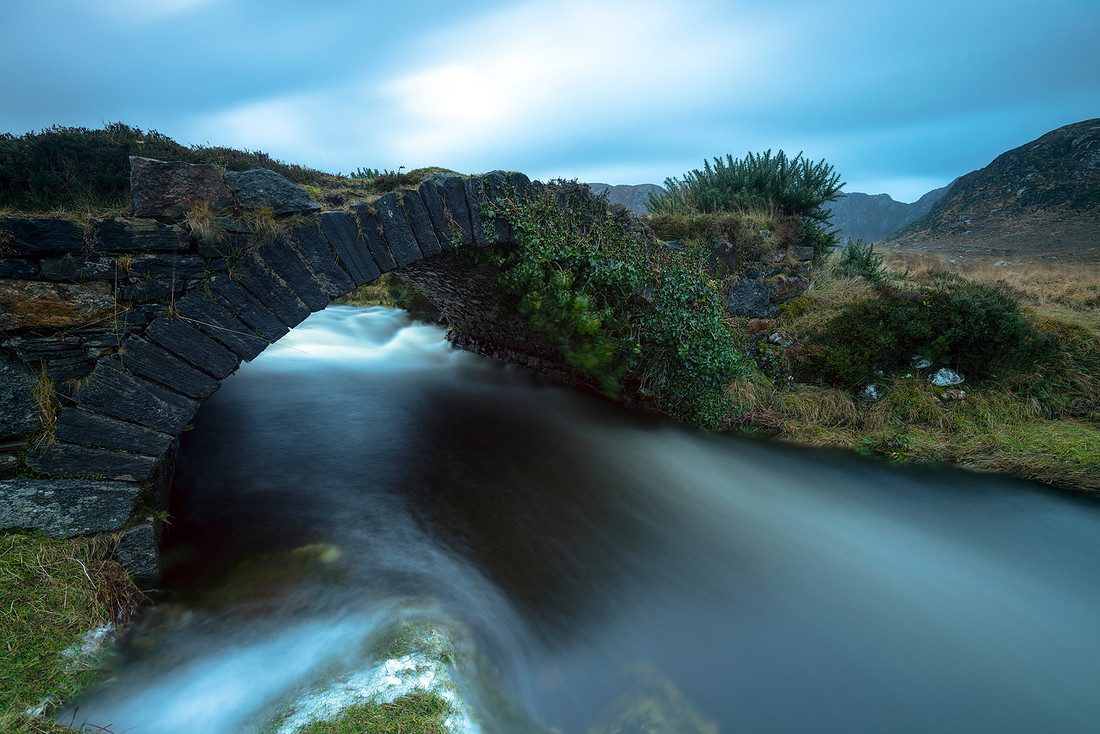
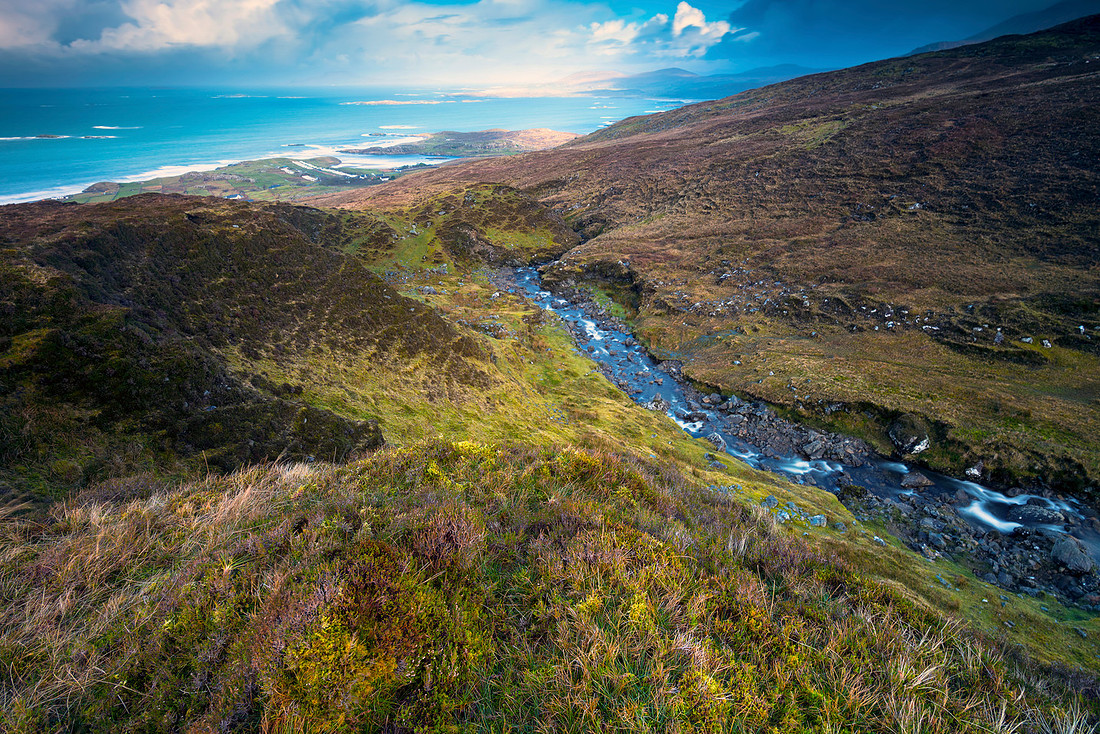
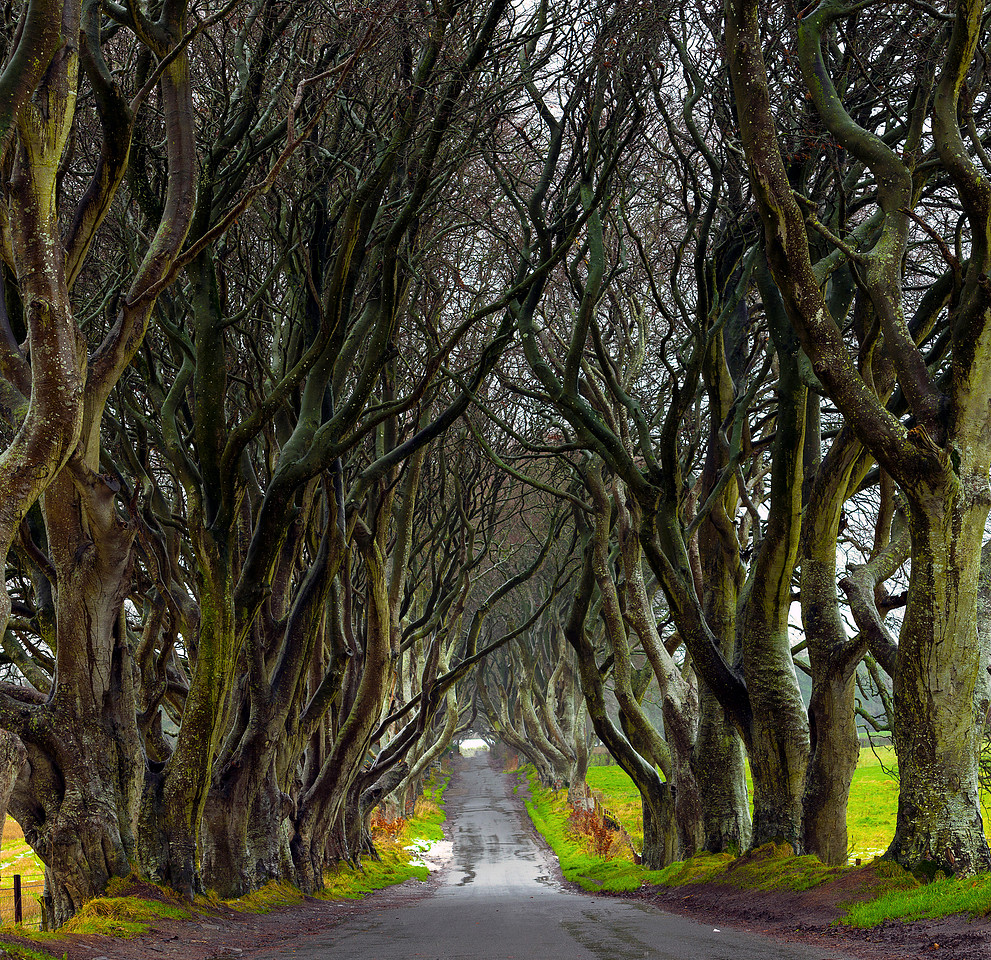
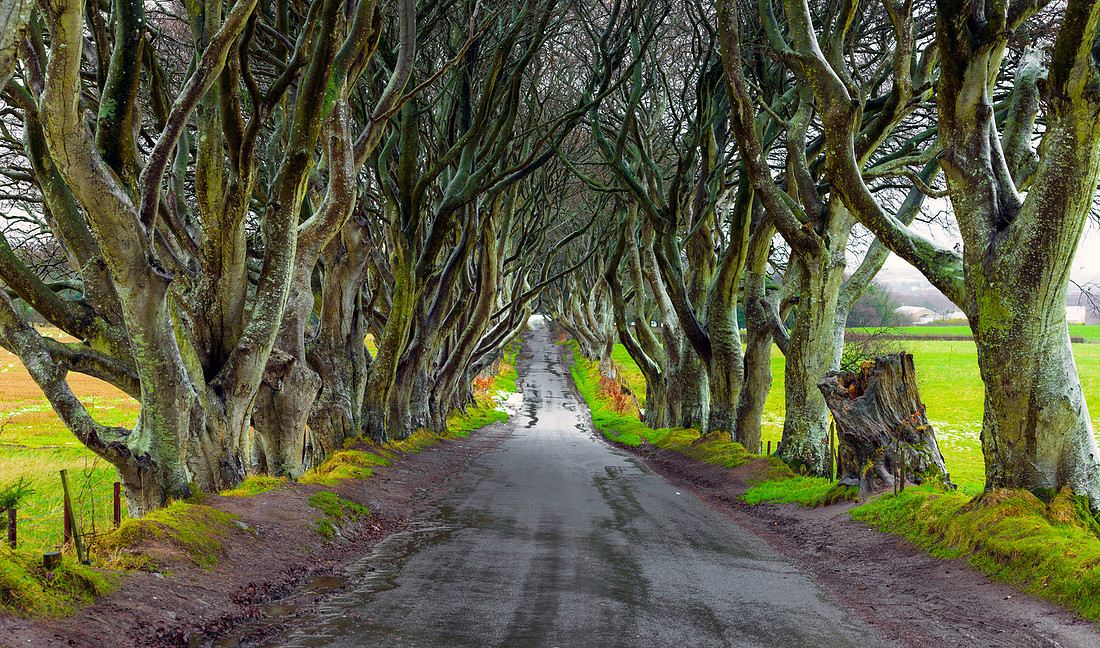
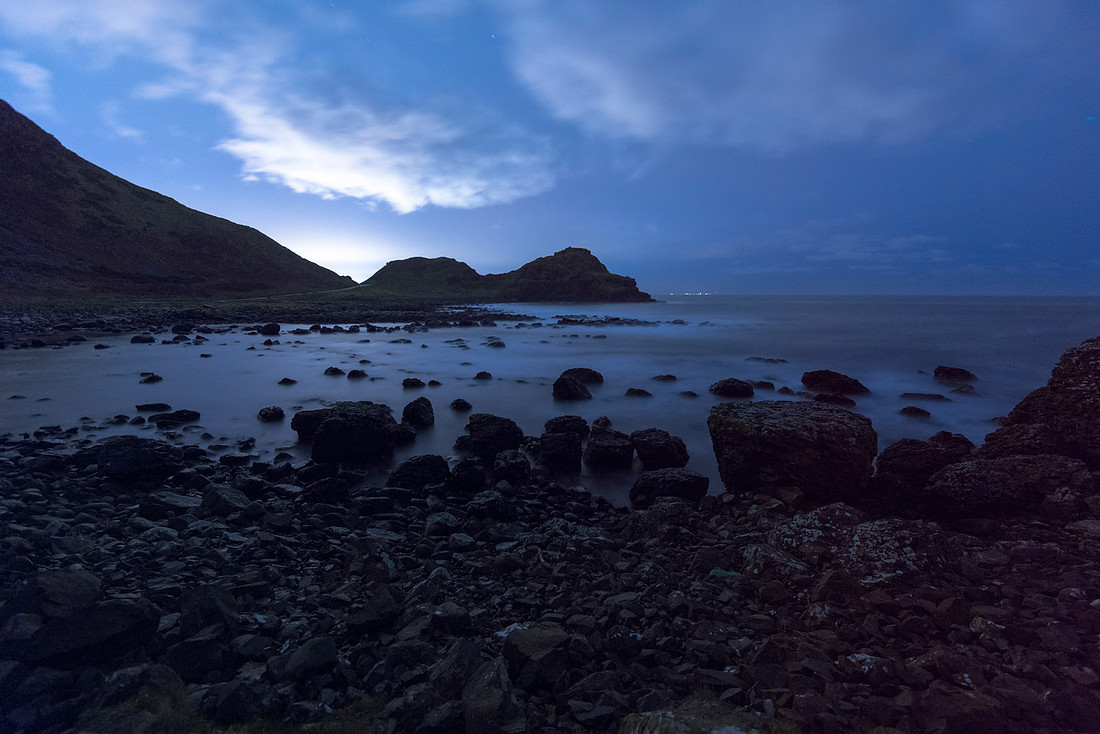
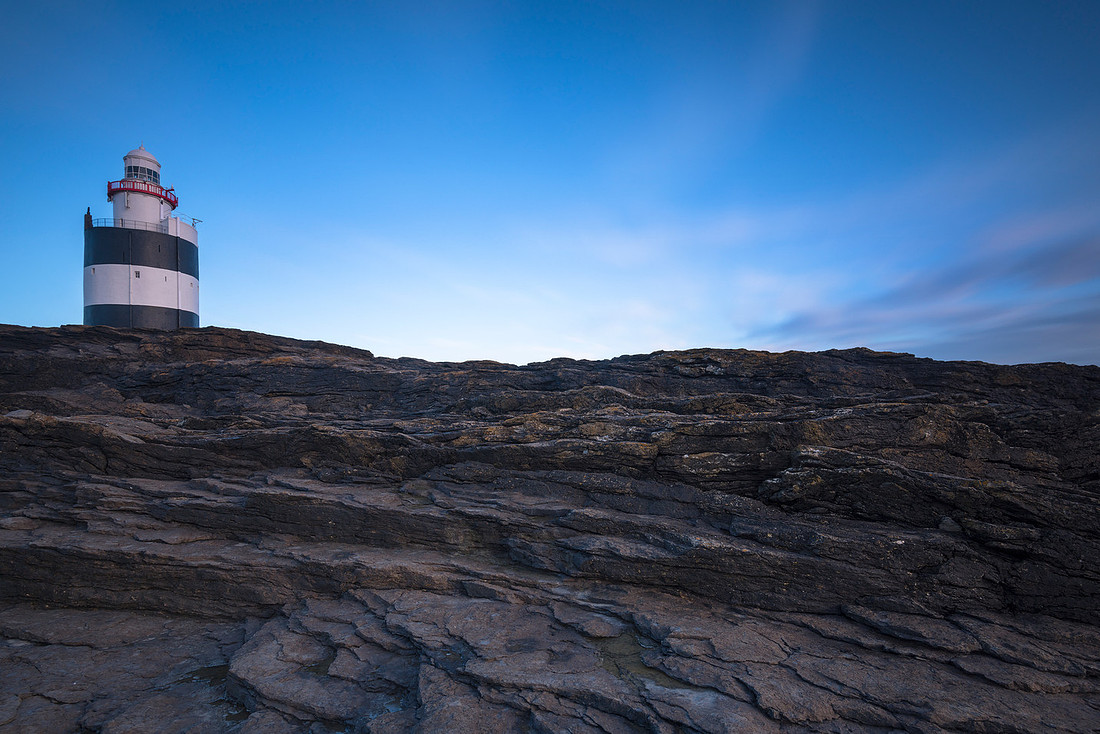


#1.
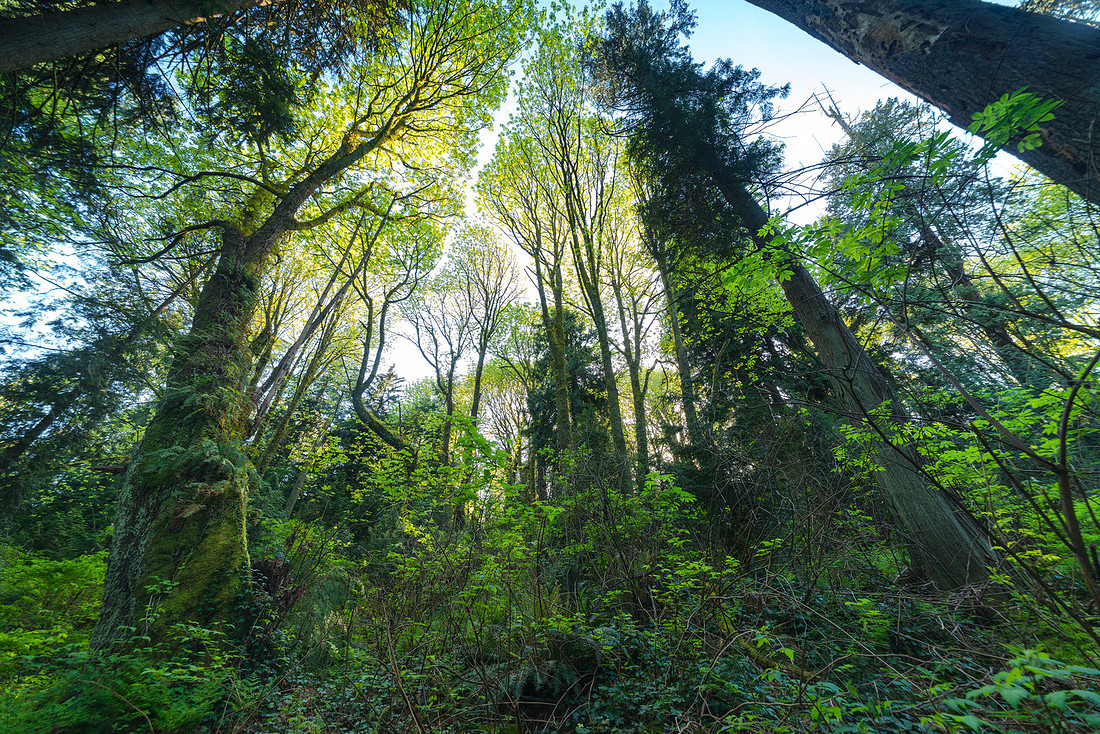
Stanley Park, Vancouver.
#2
Mt. Baker area, WA State.

#3
Bowen Island, BC
#4
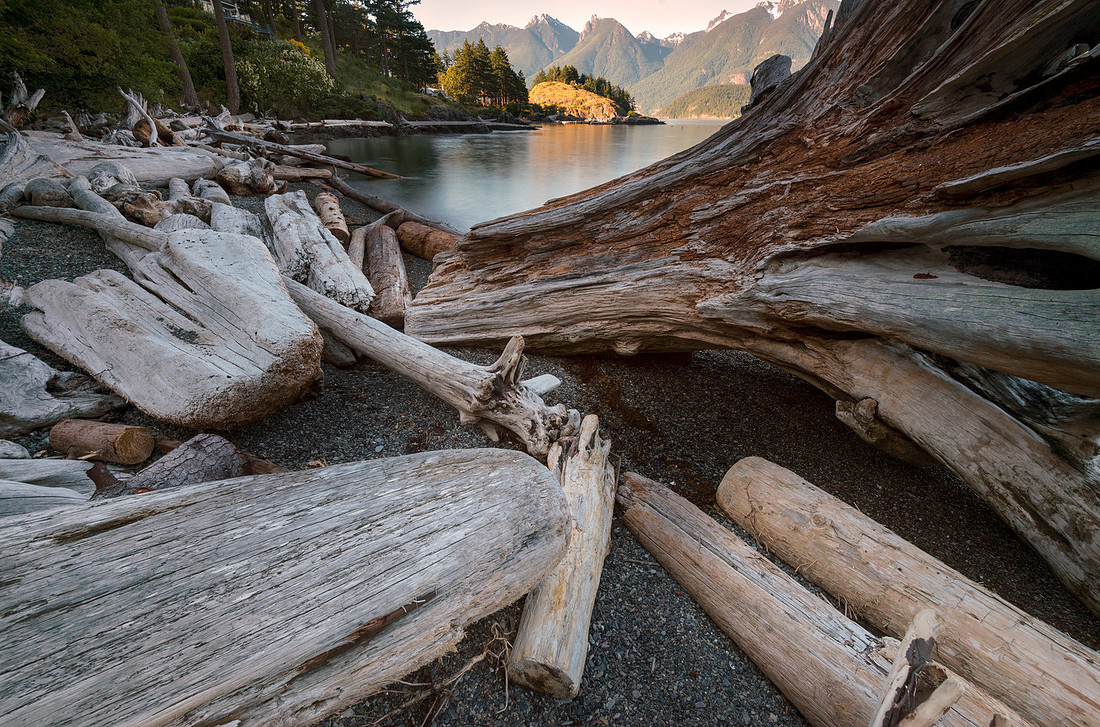
North Vancouver, BC
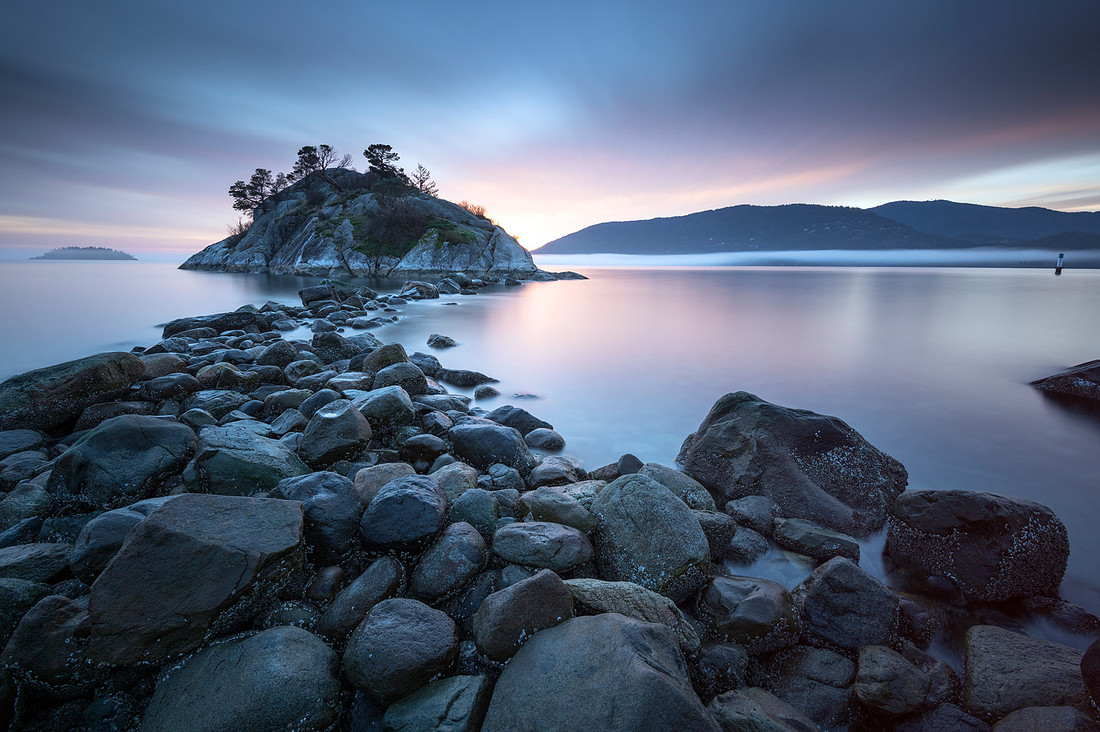
#5
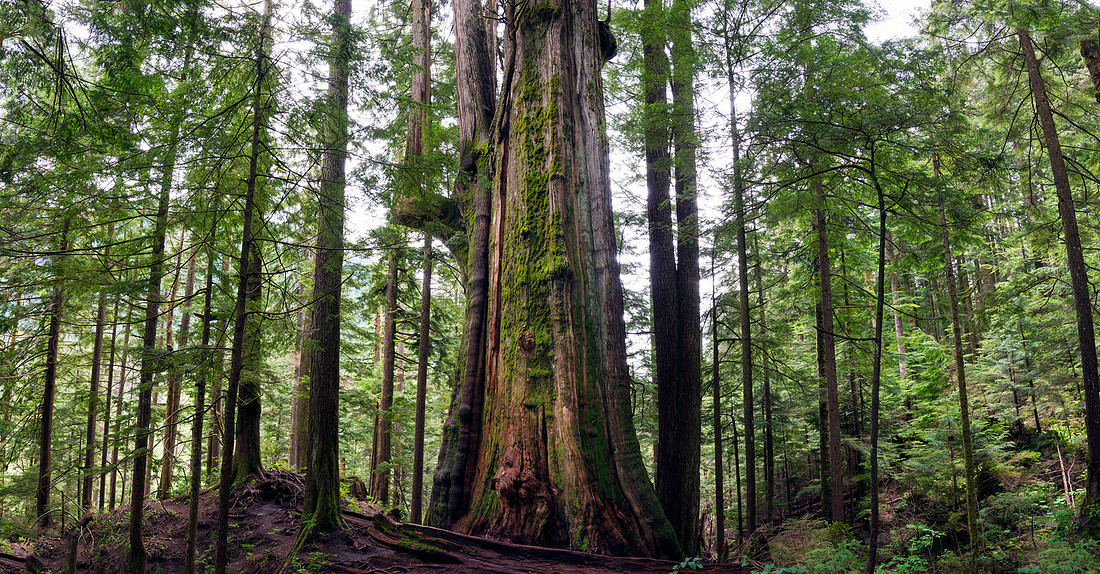
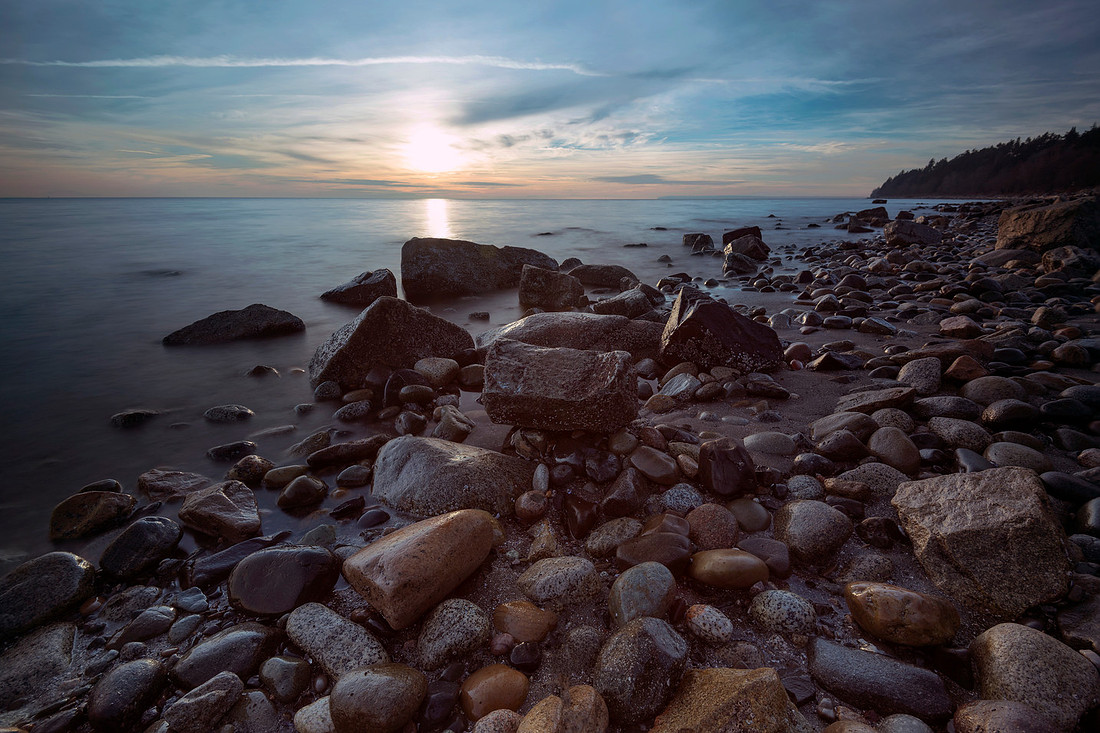
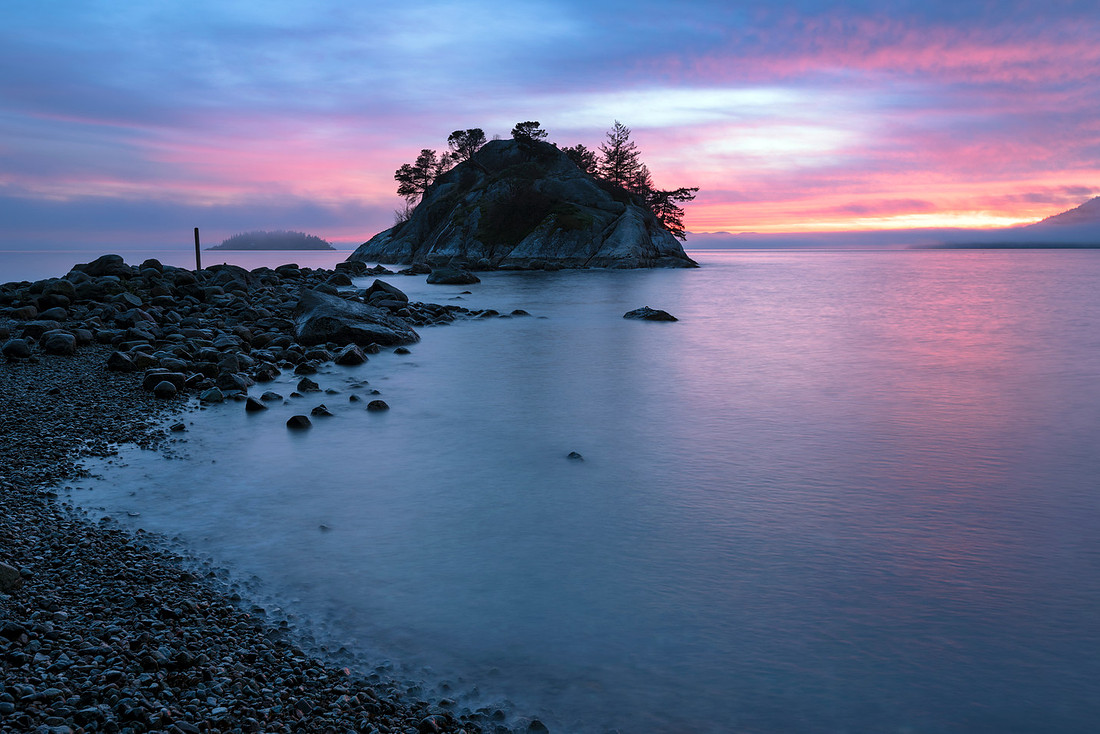
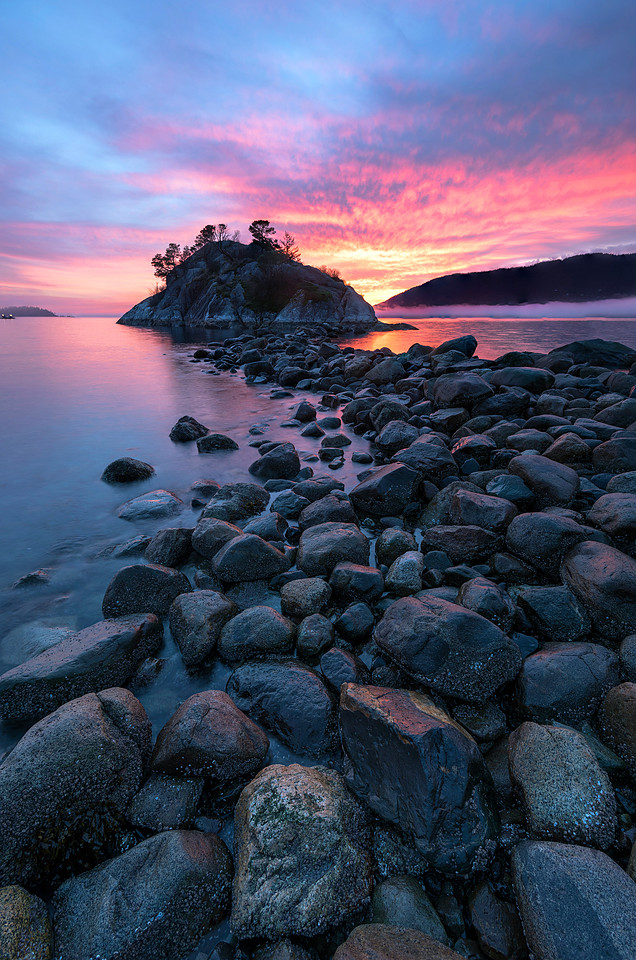
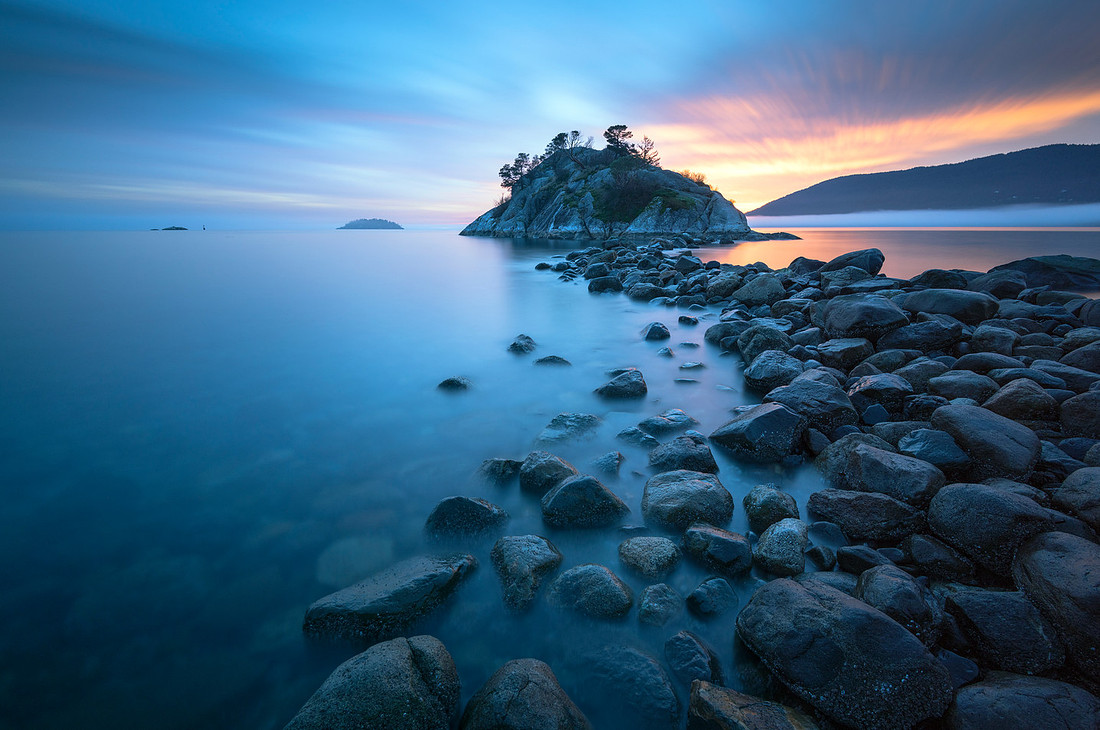
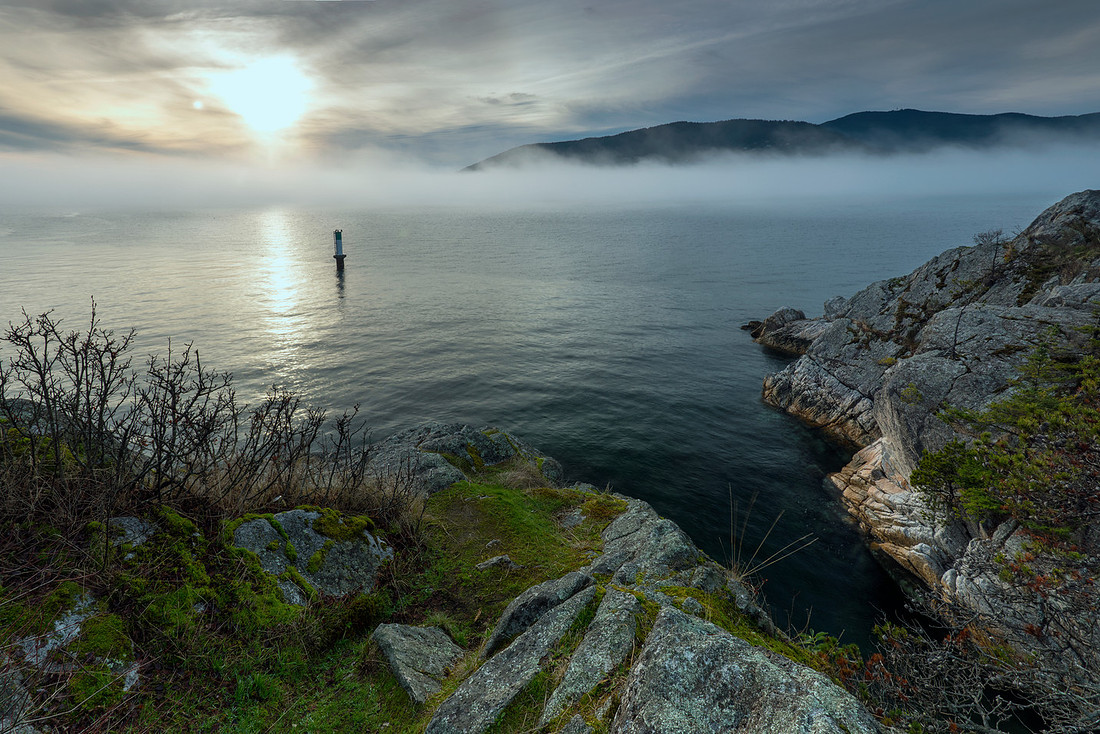
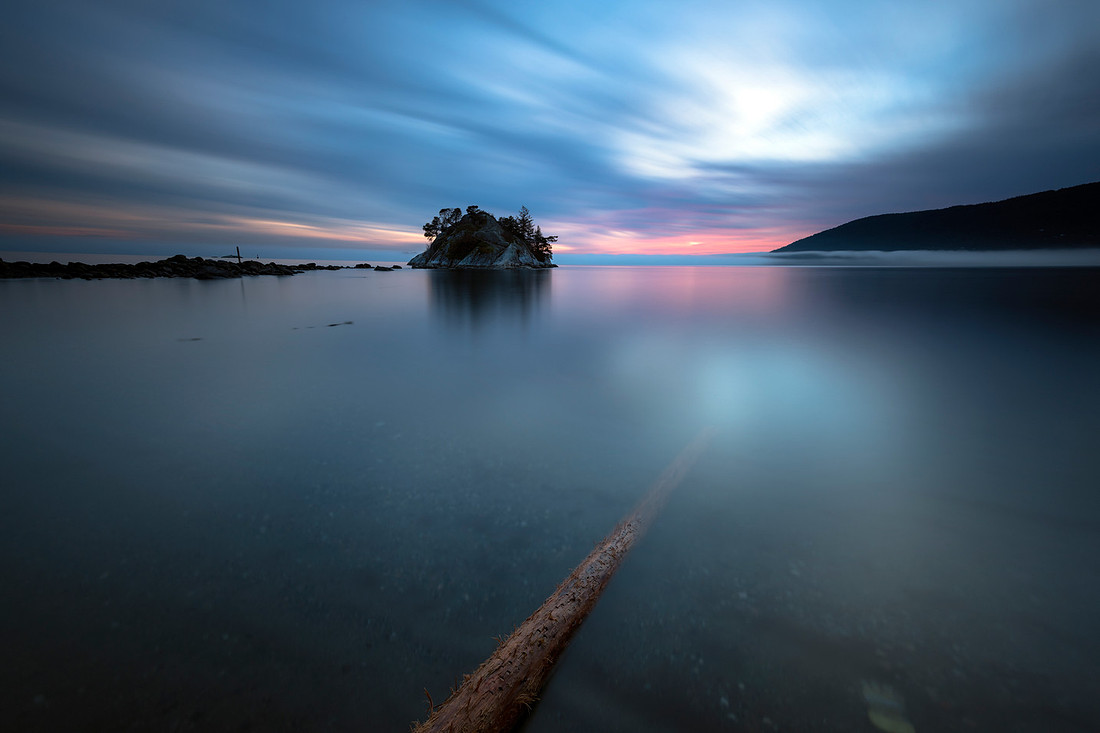
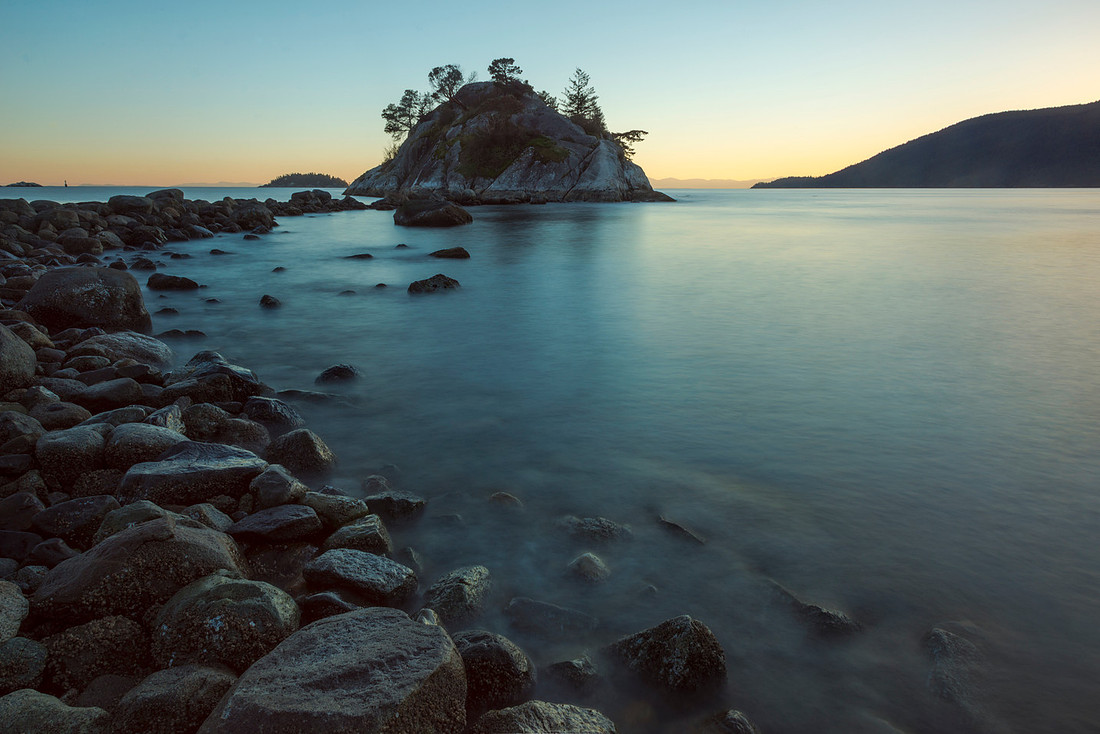
Whytecliff Park, West Vancouver.
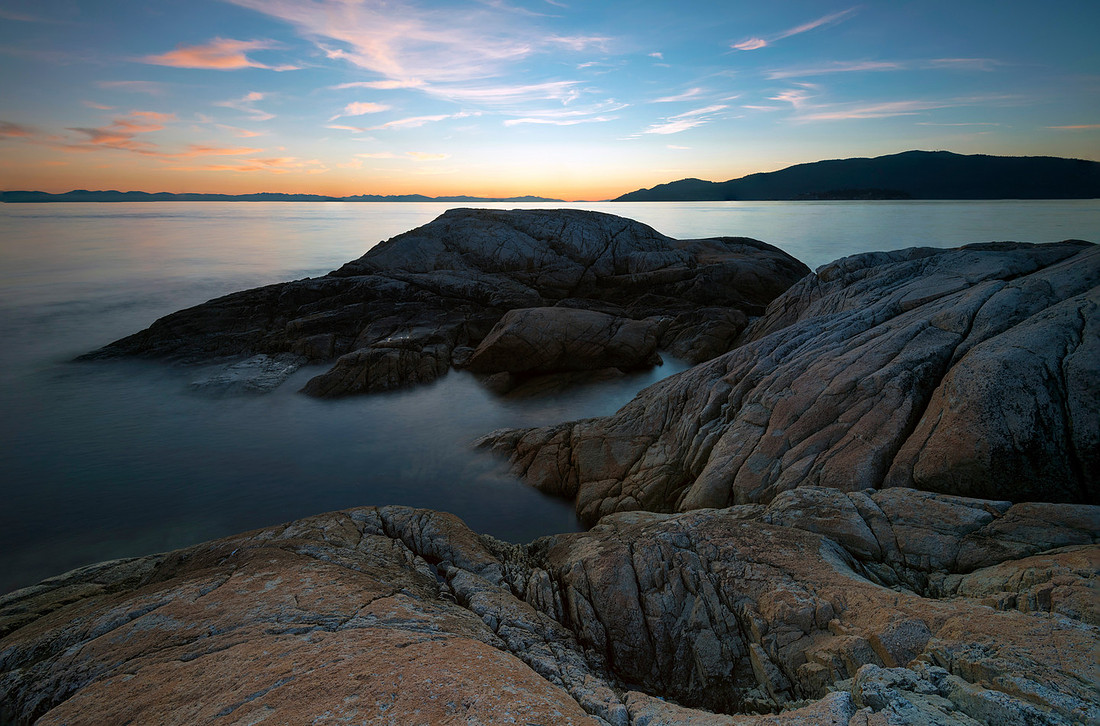
#6
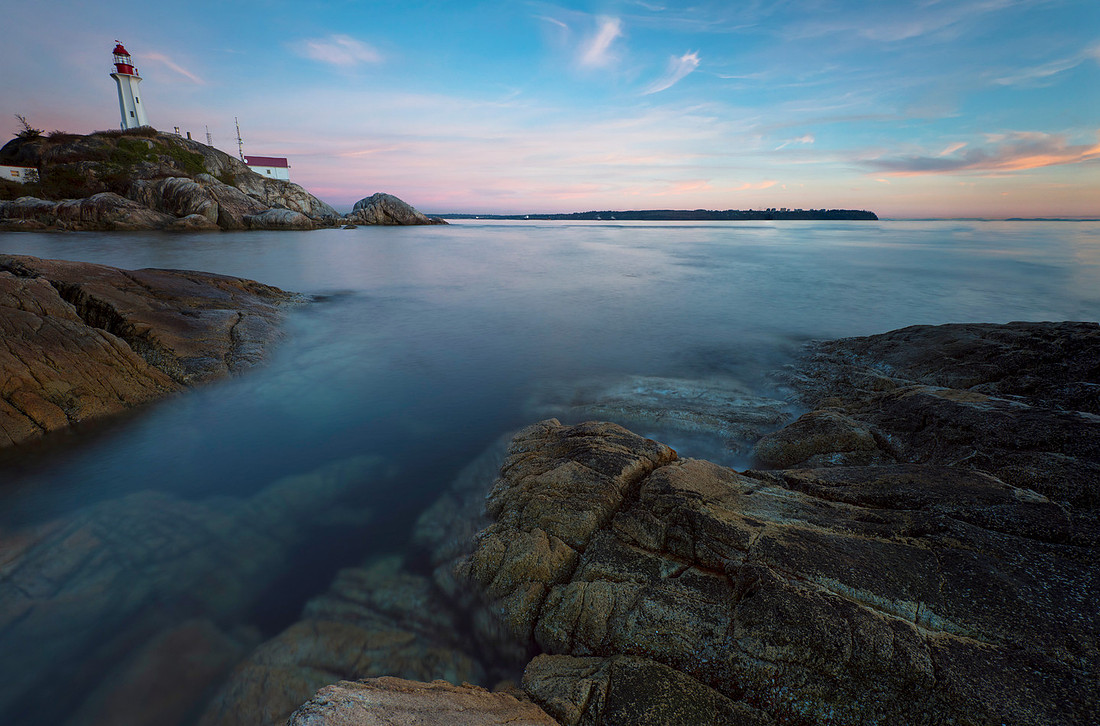
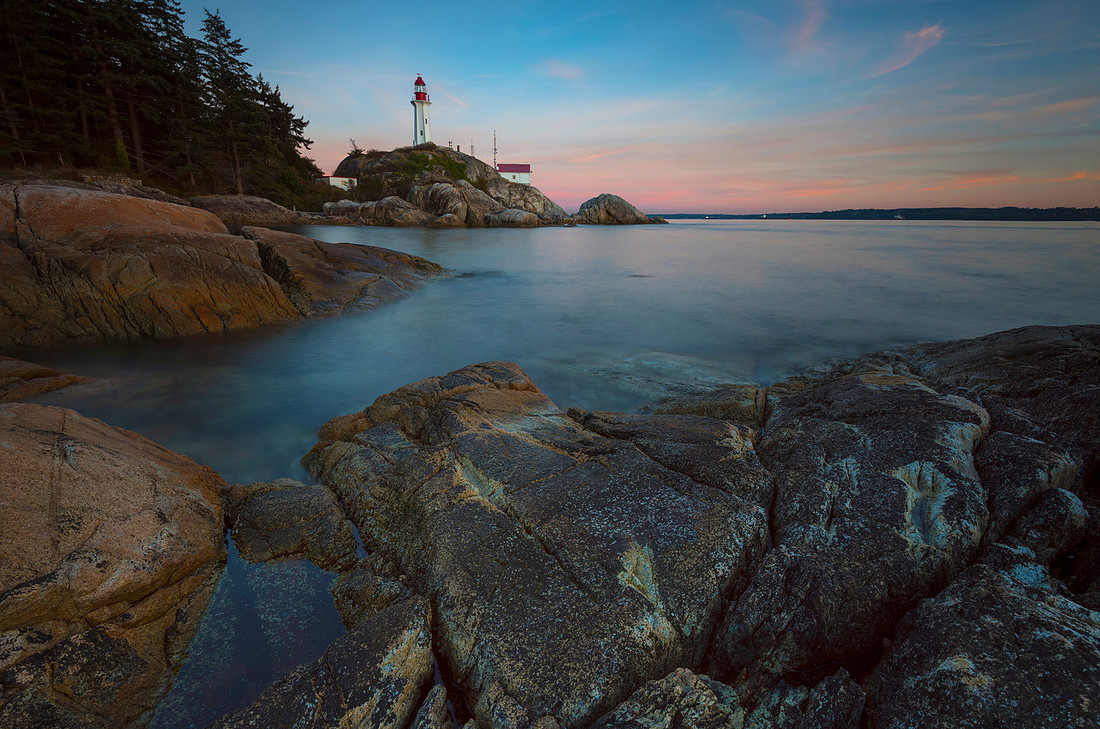
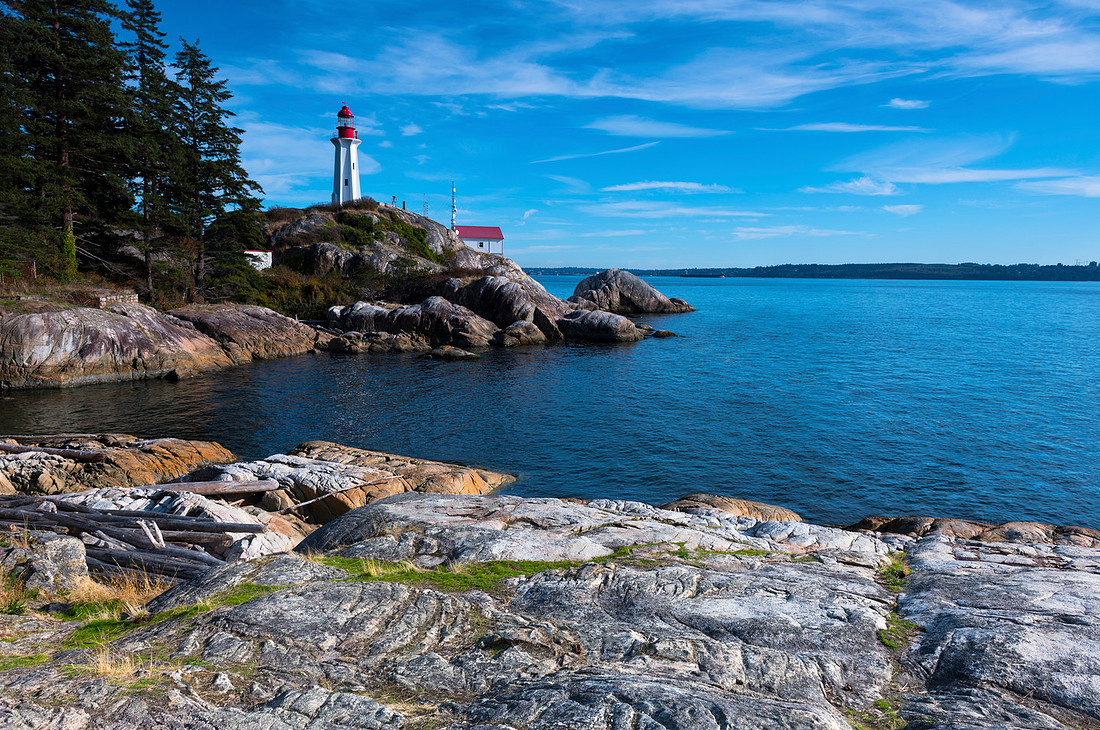
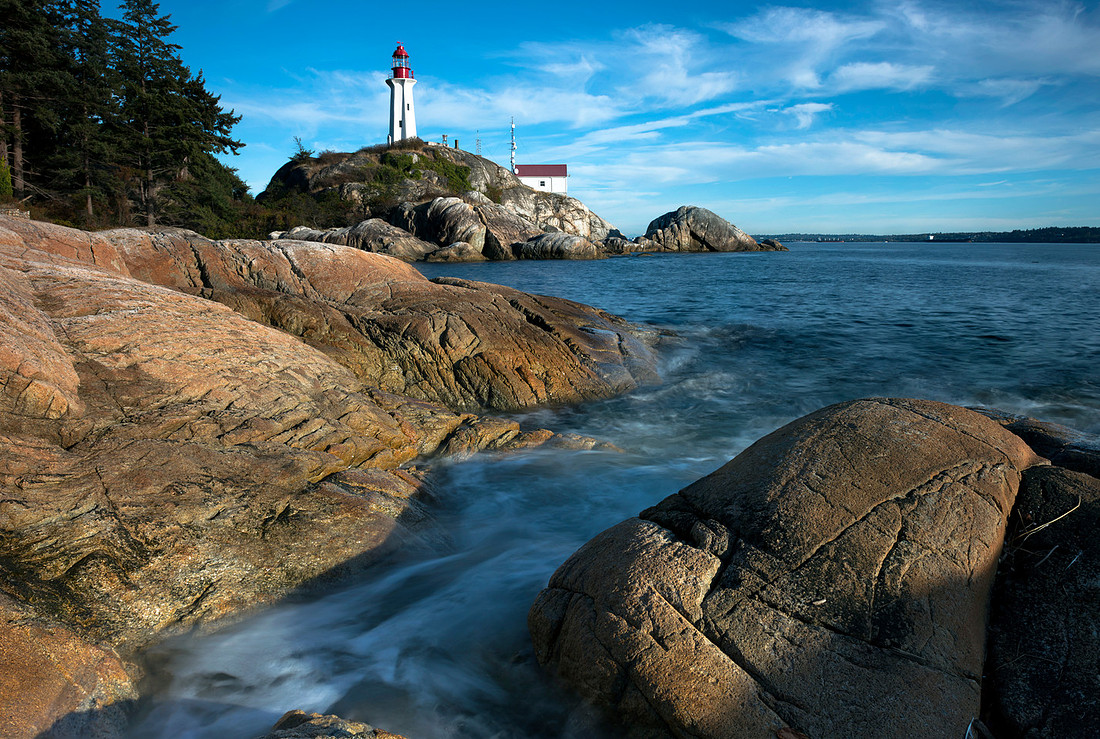
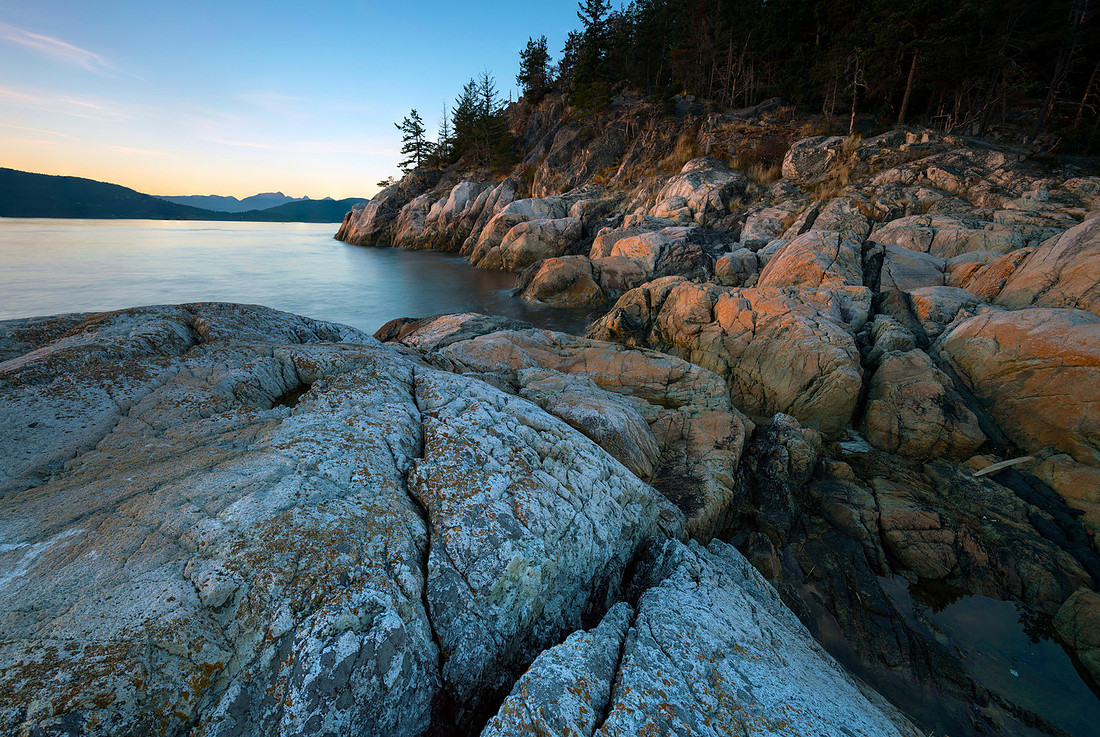
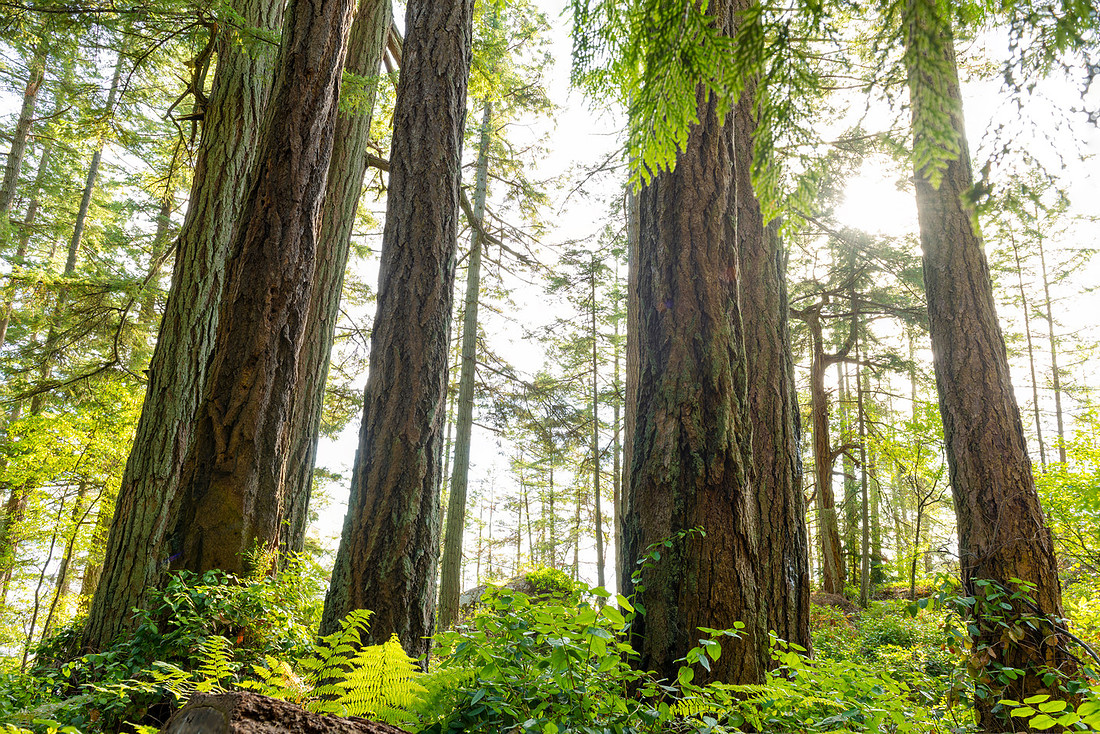
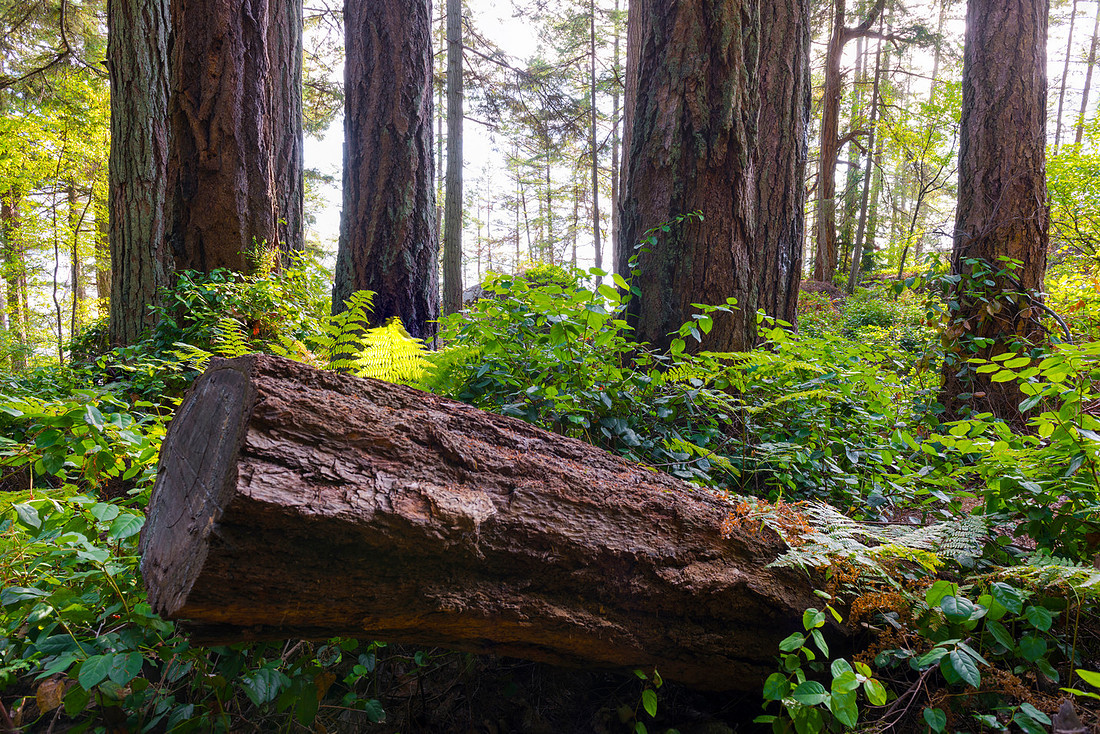
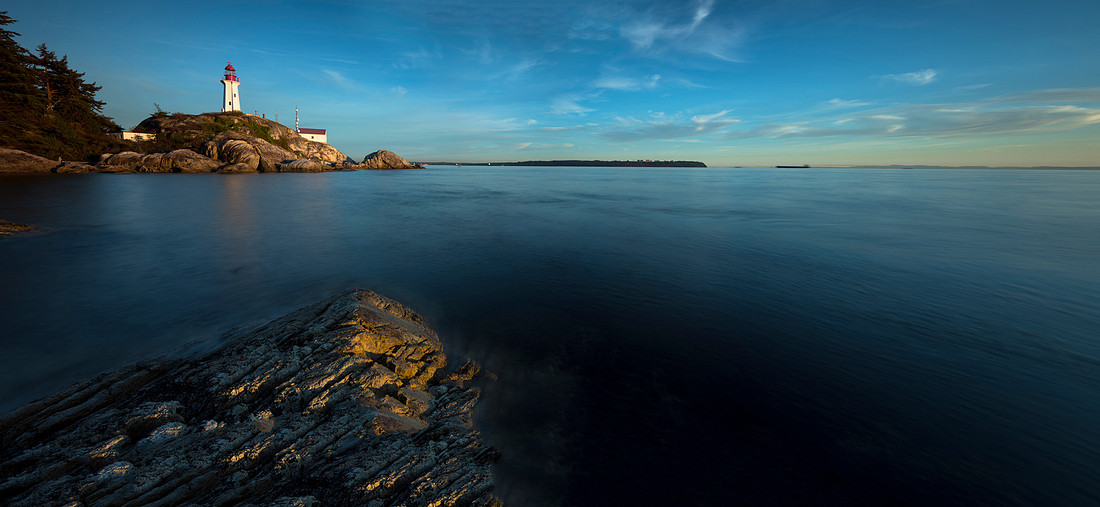
Lighthouse Park, Vancouver.
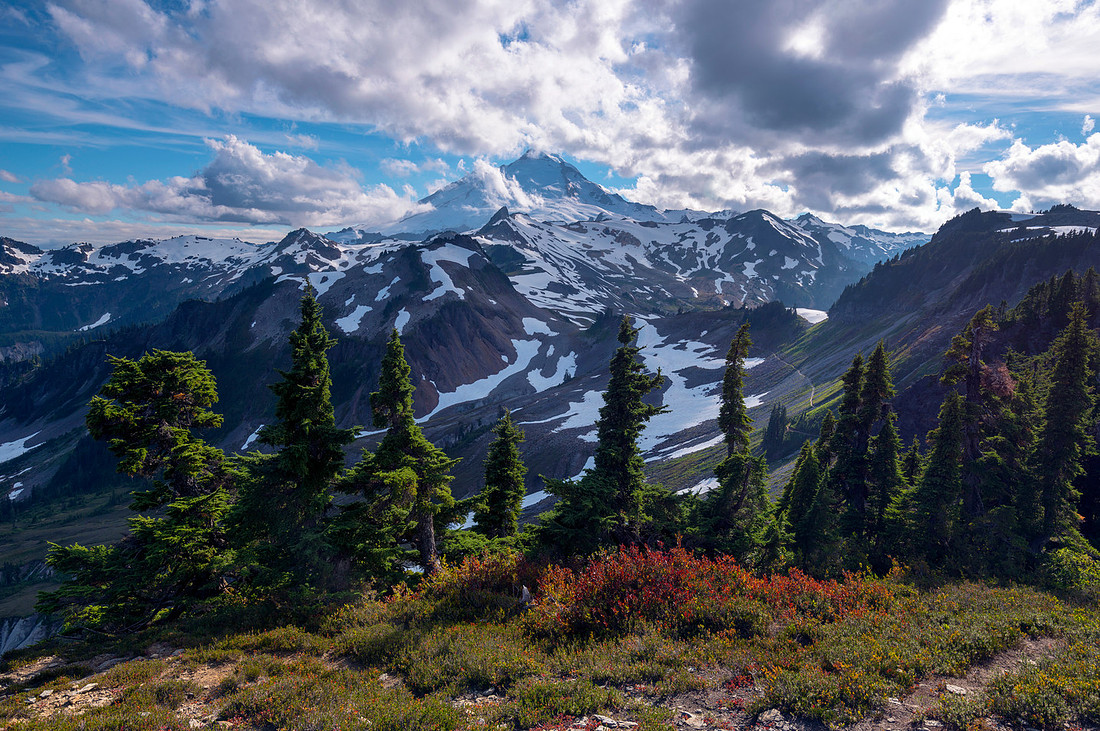
#7
Mt. Baker, WA State.
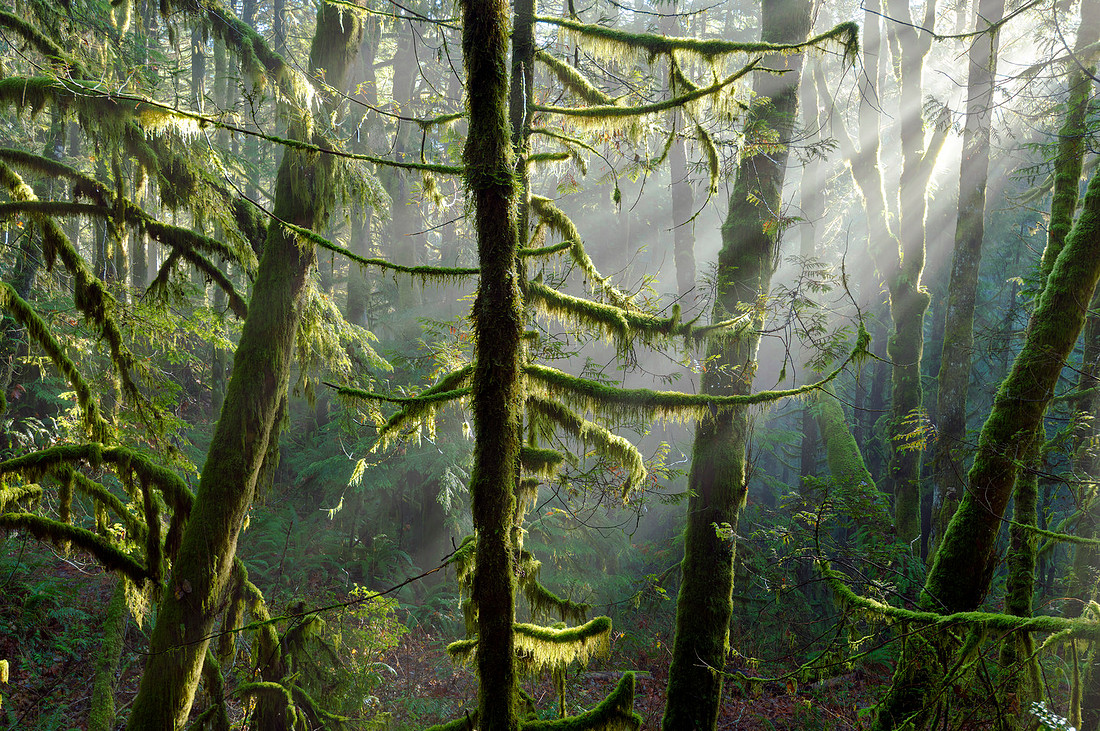
#8
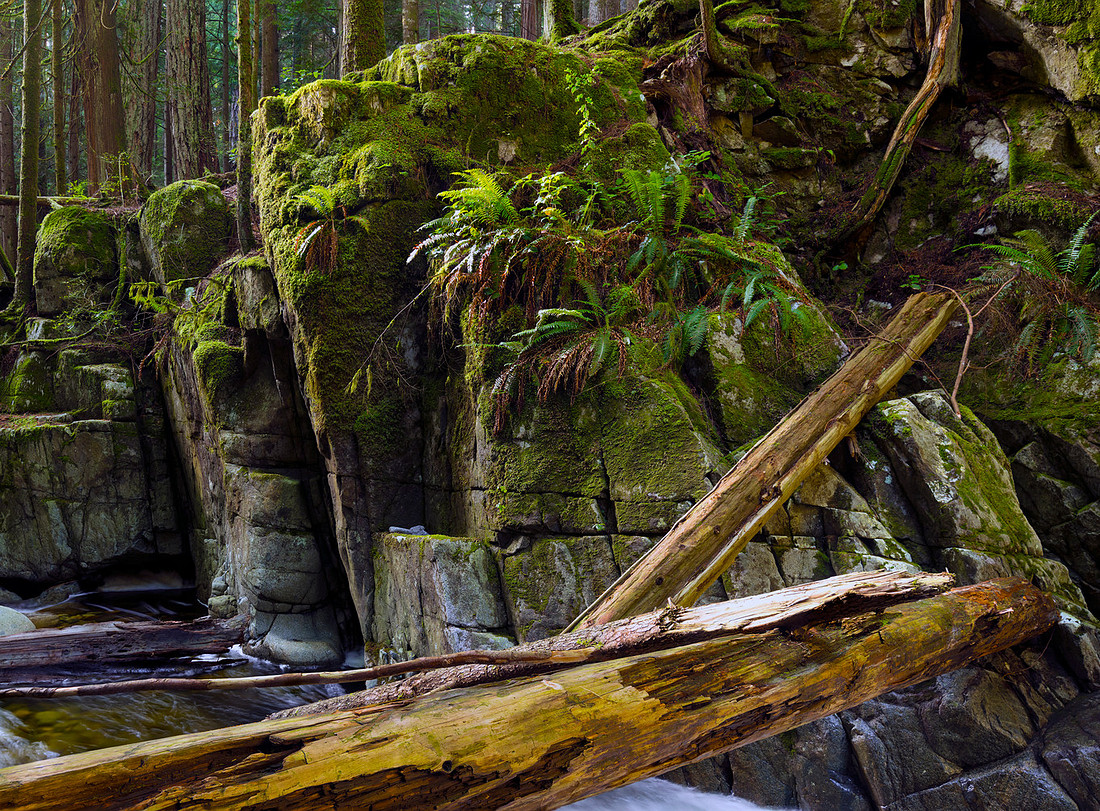
Golden Ears Provincial Park, BC.
#9
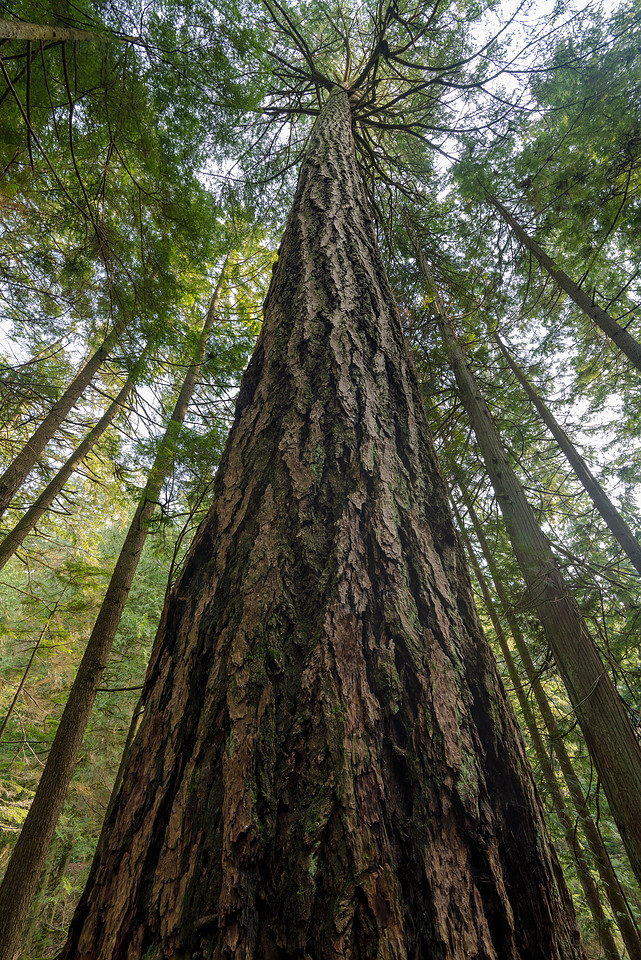
Bon Echo Park, Ontario.
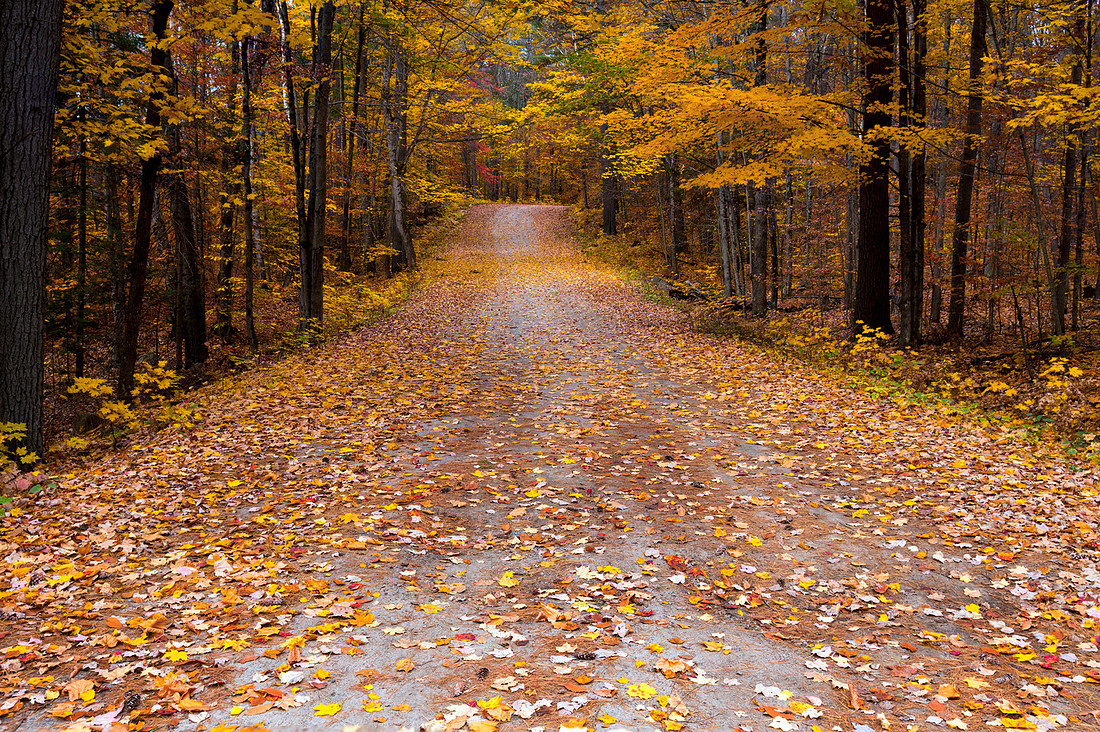
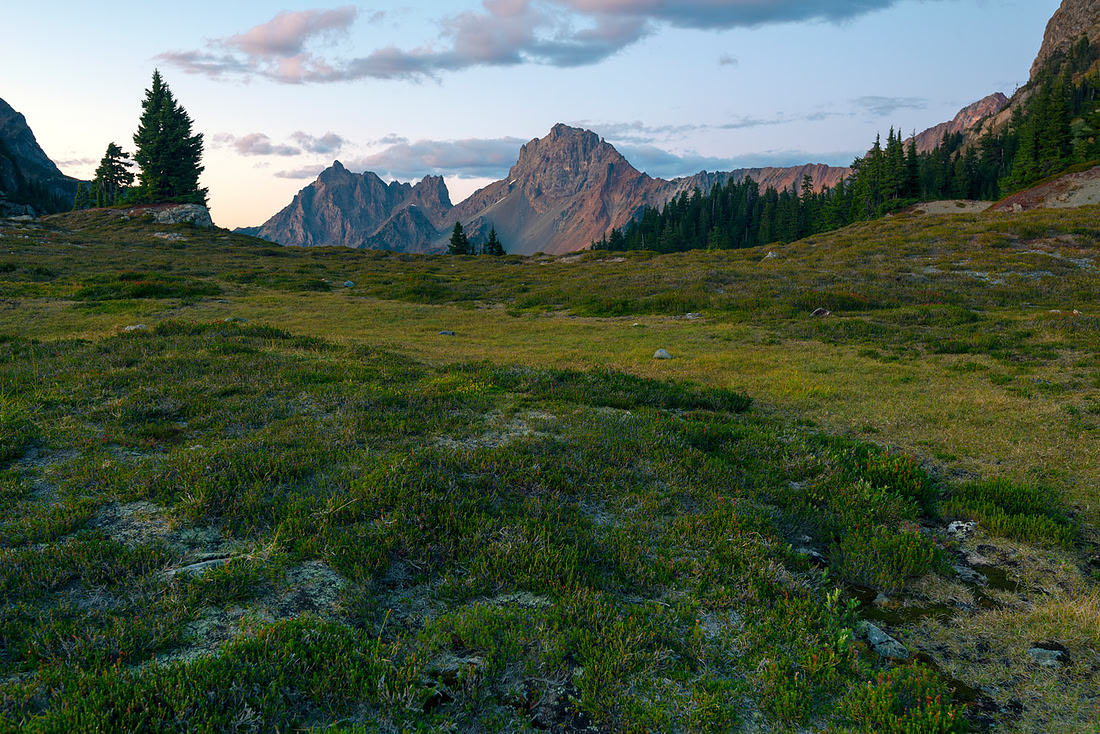
#10
Yellow Aster Butte, WA State.

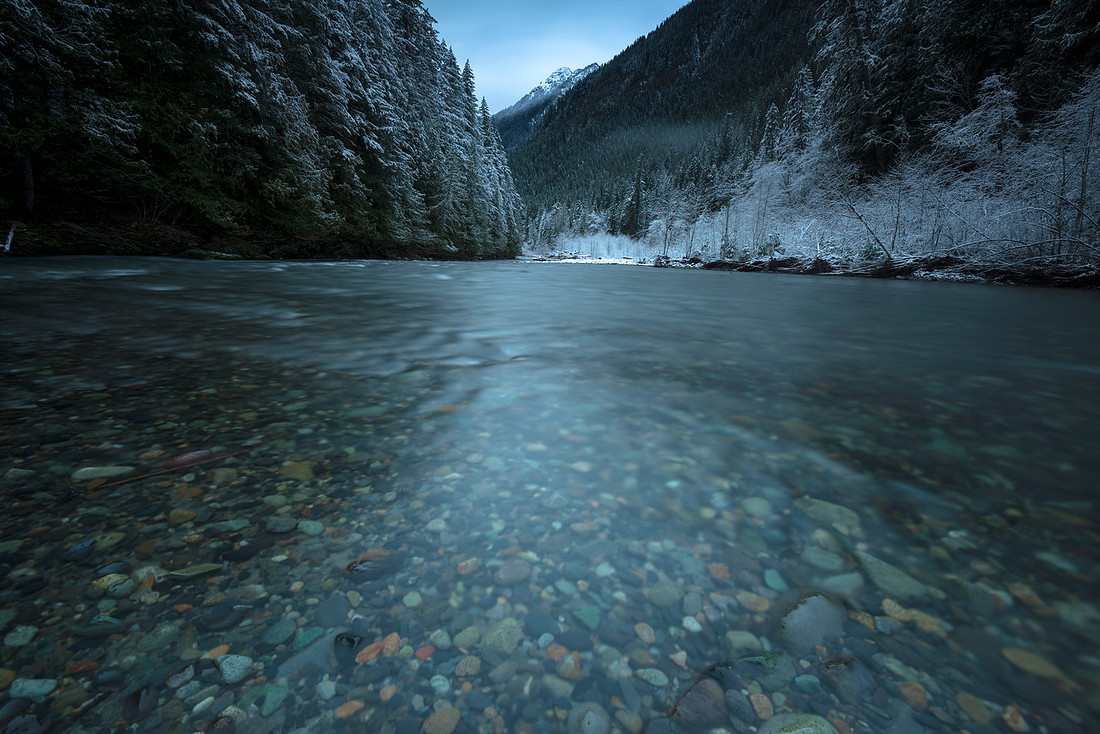
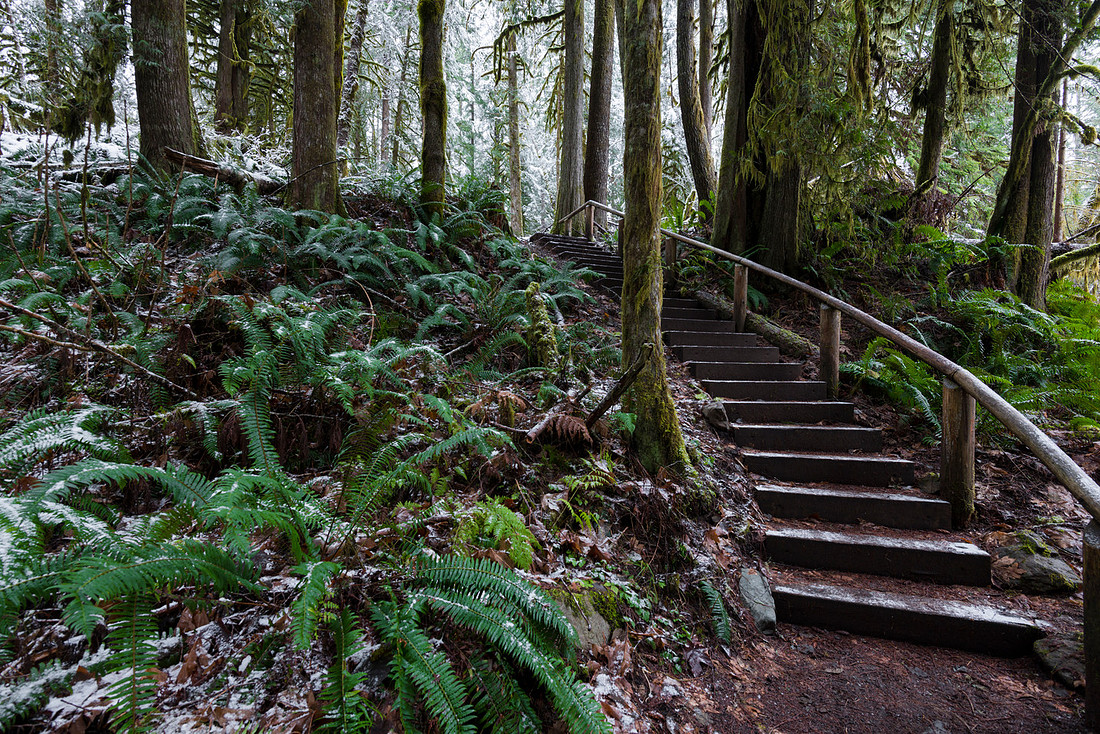
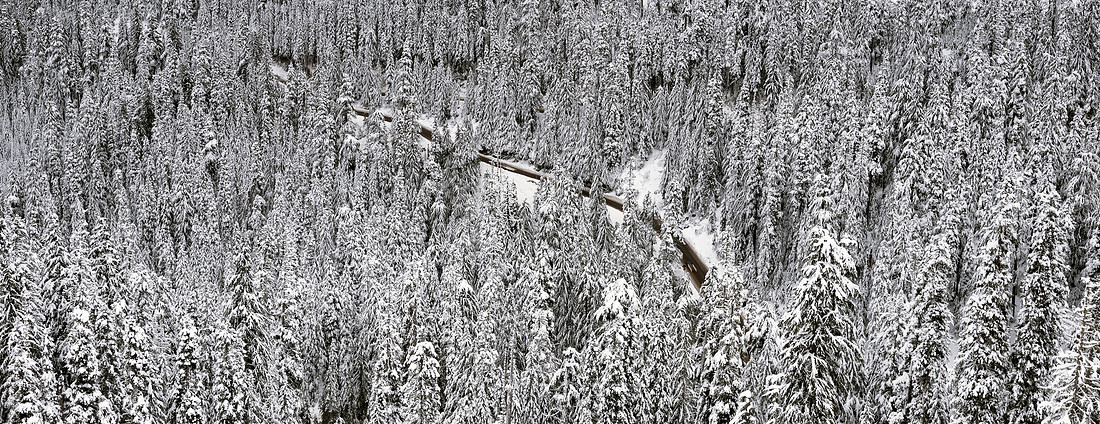
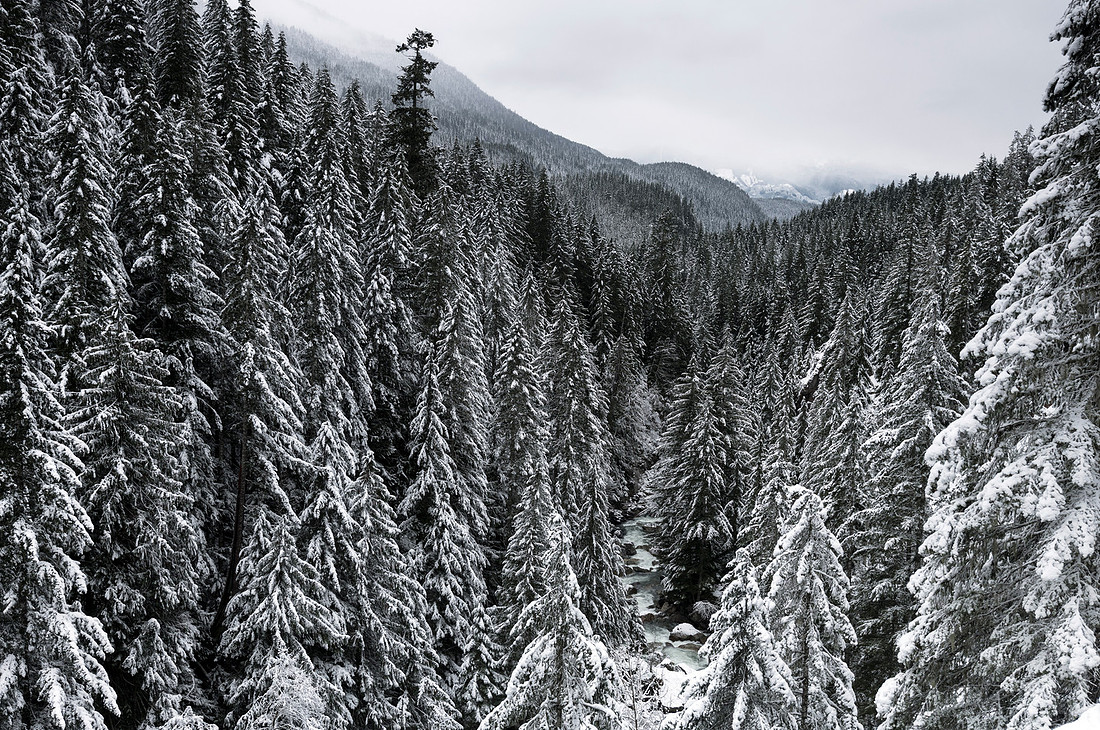
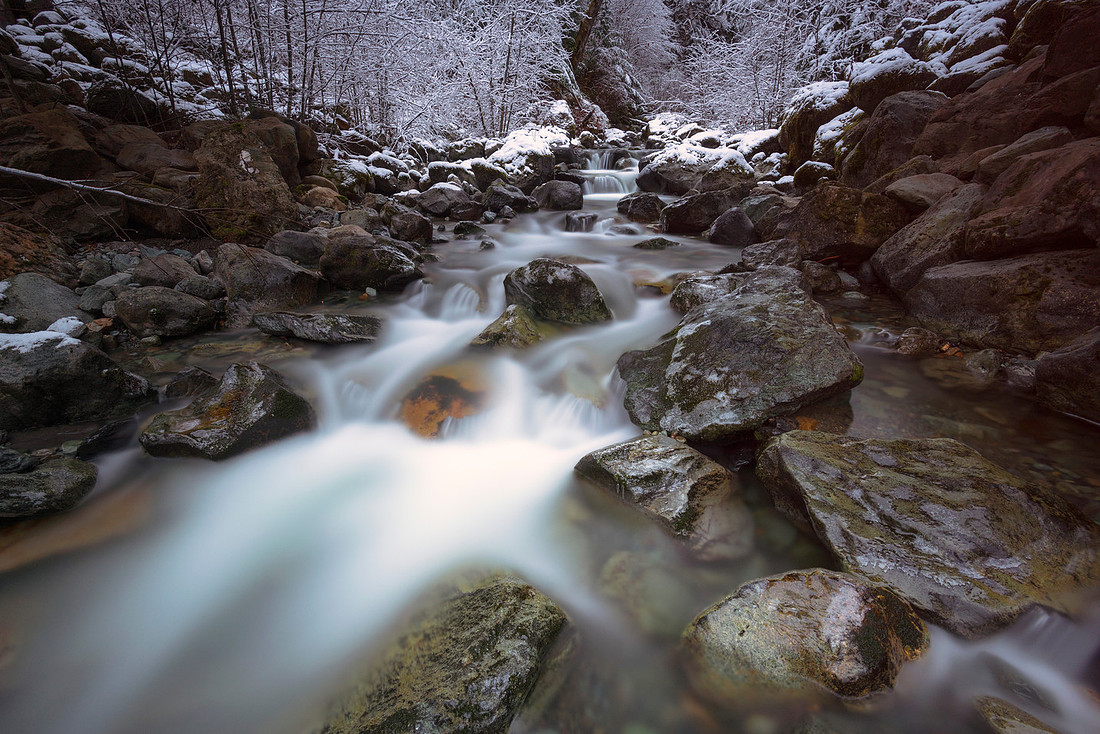
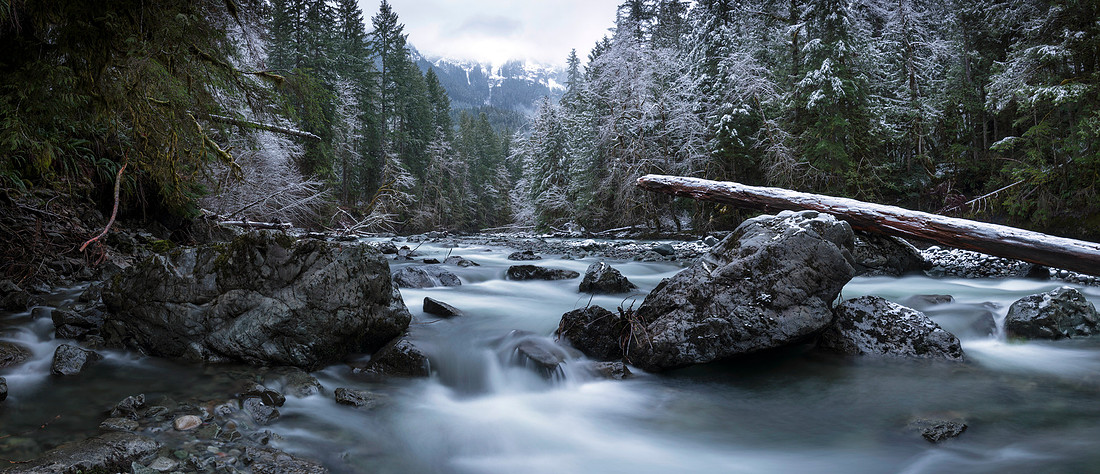
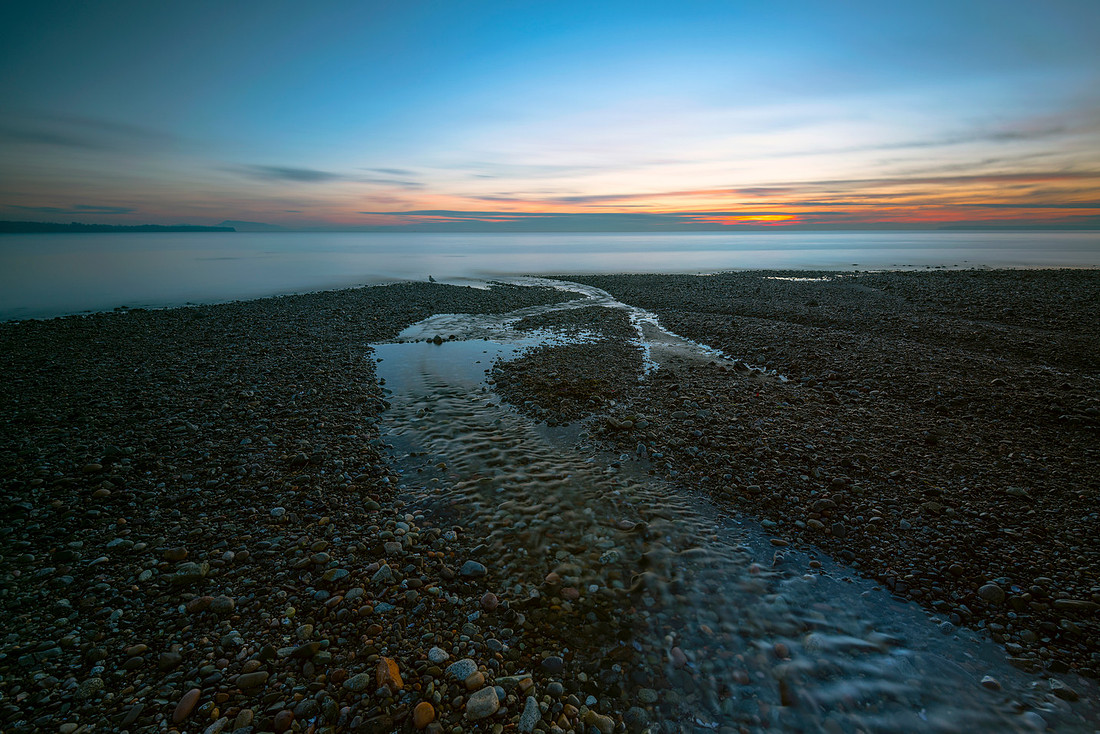
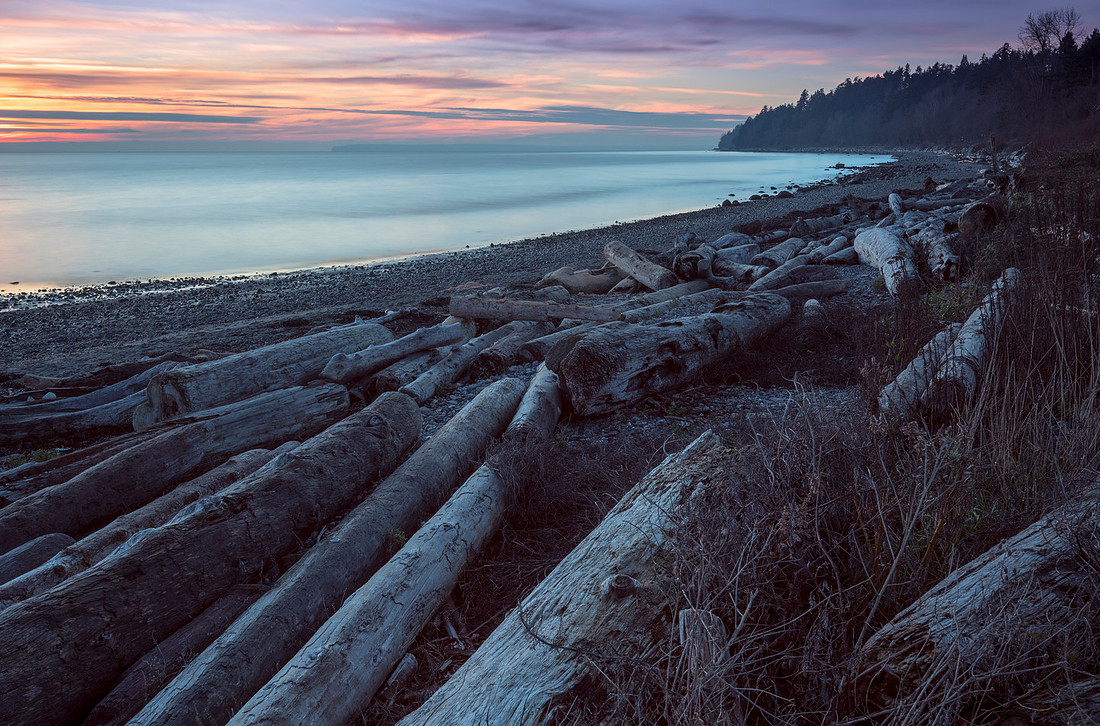
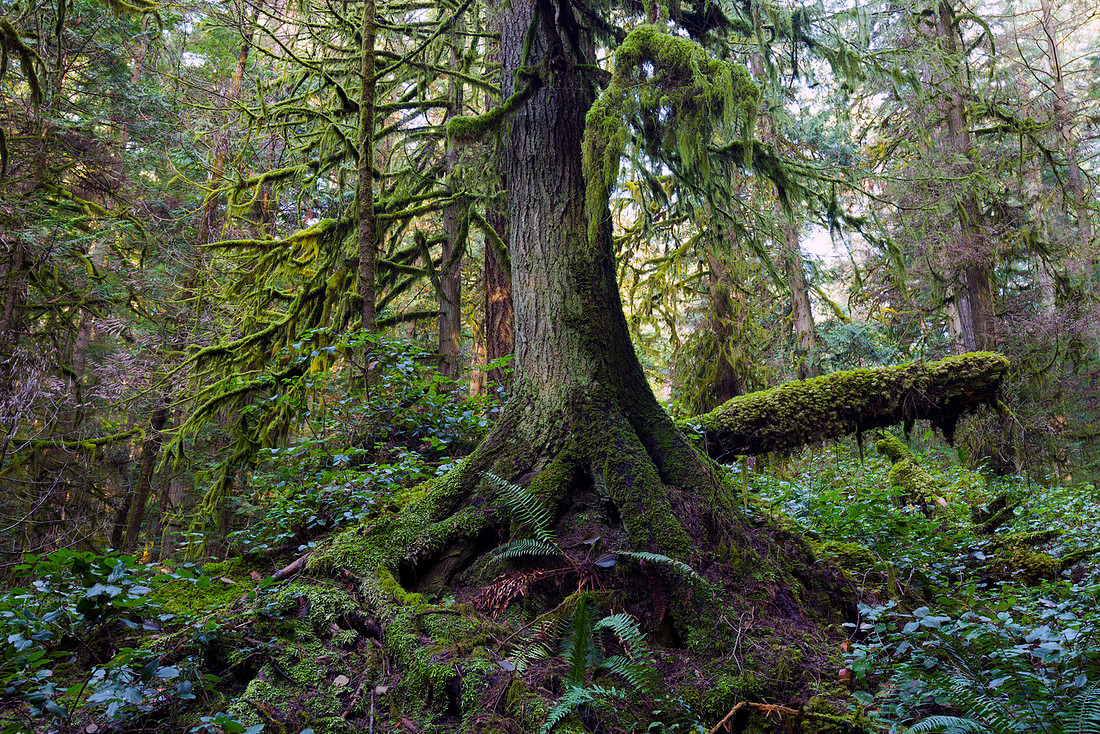
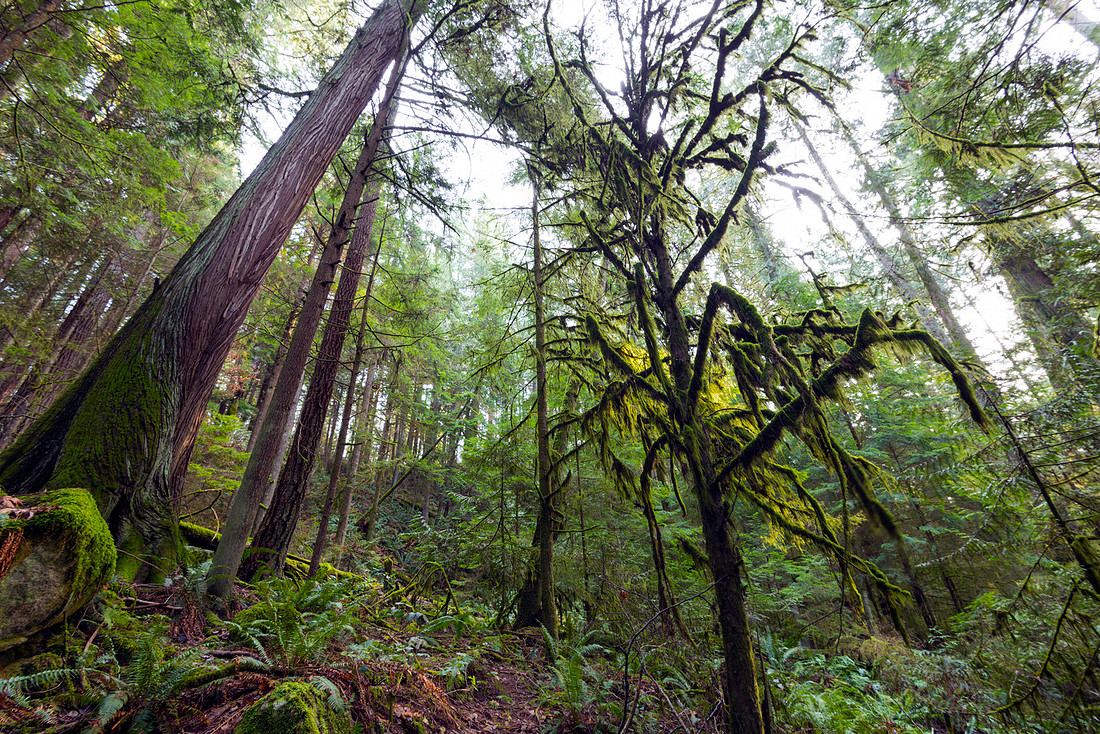
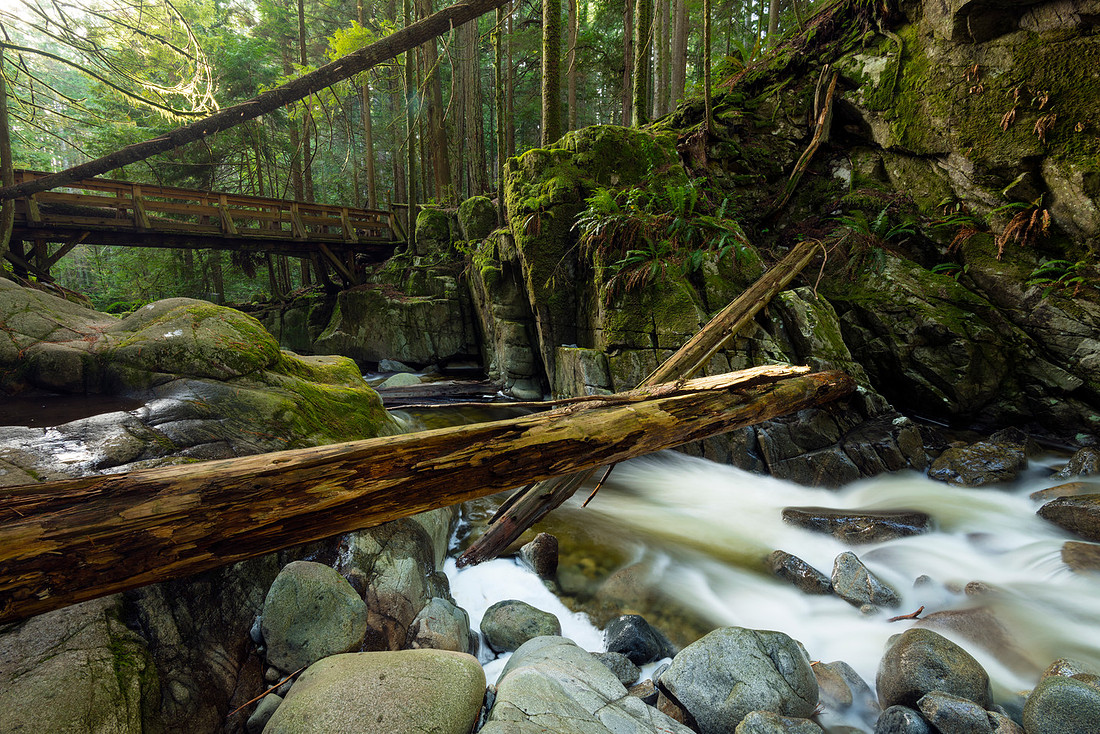

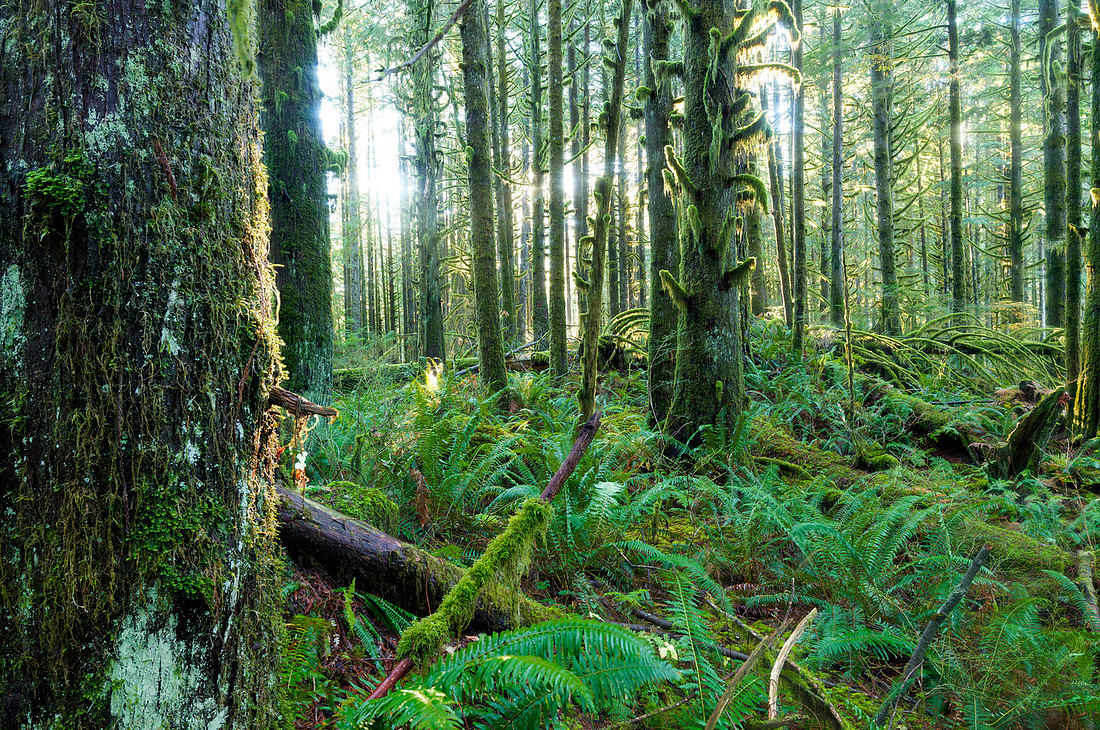
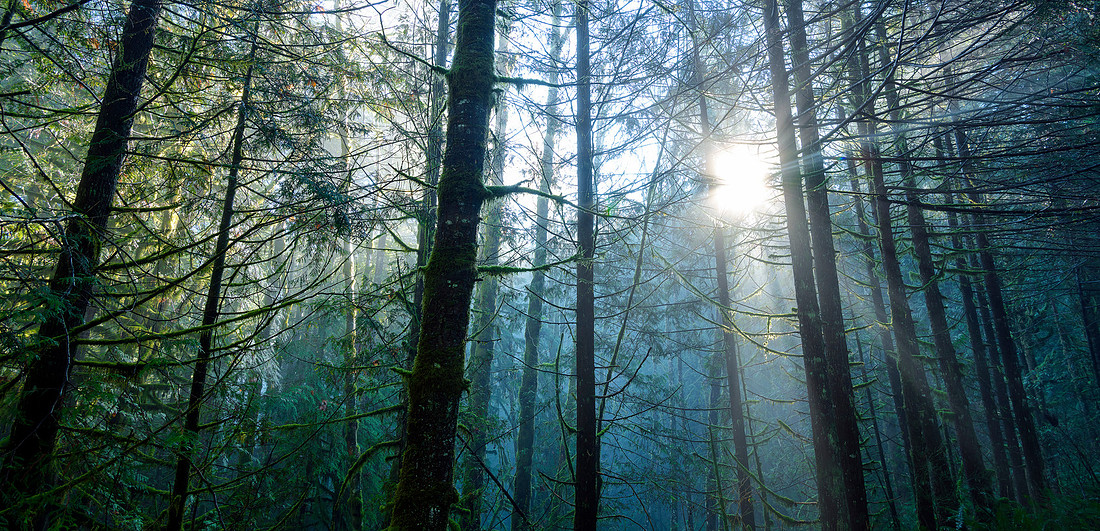
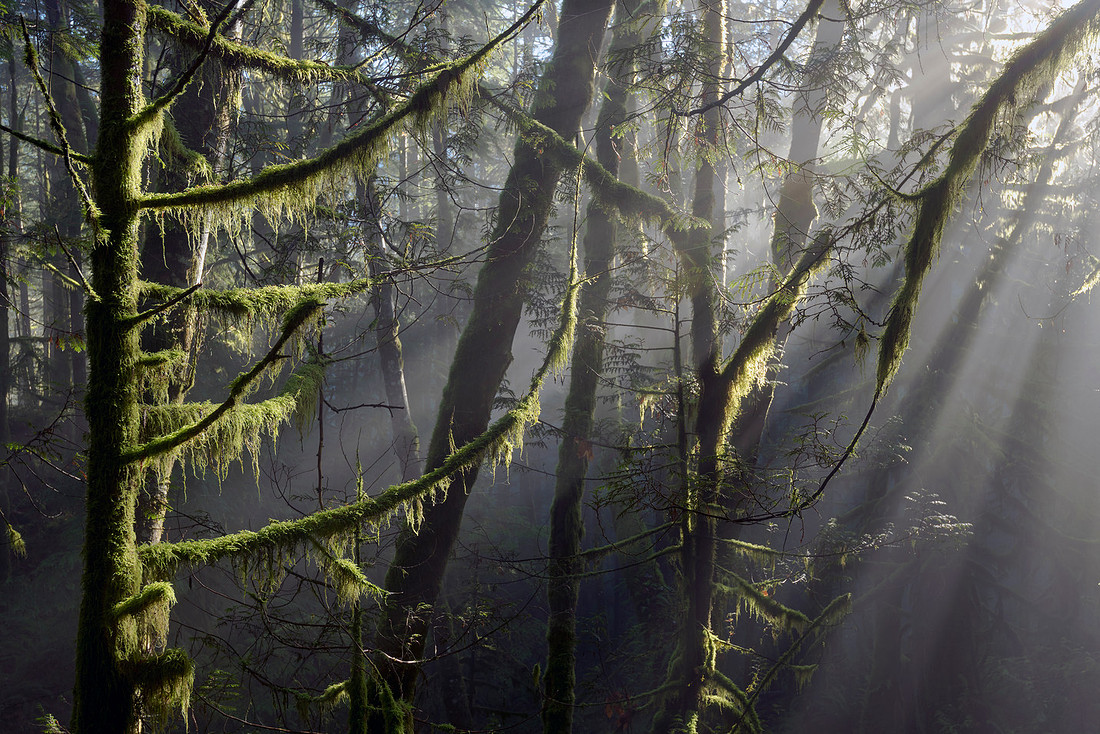
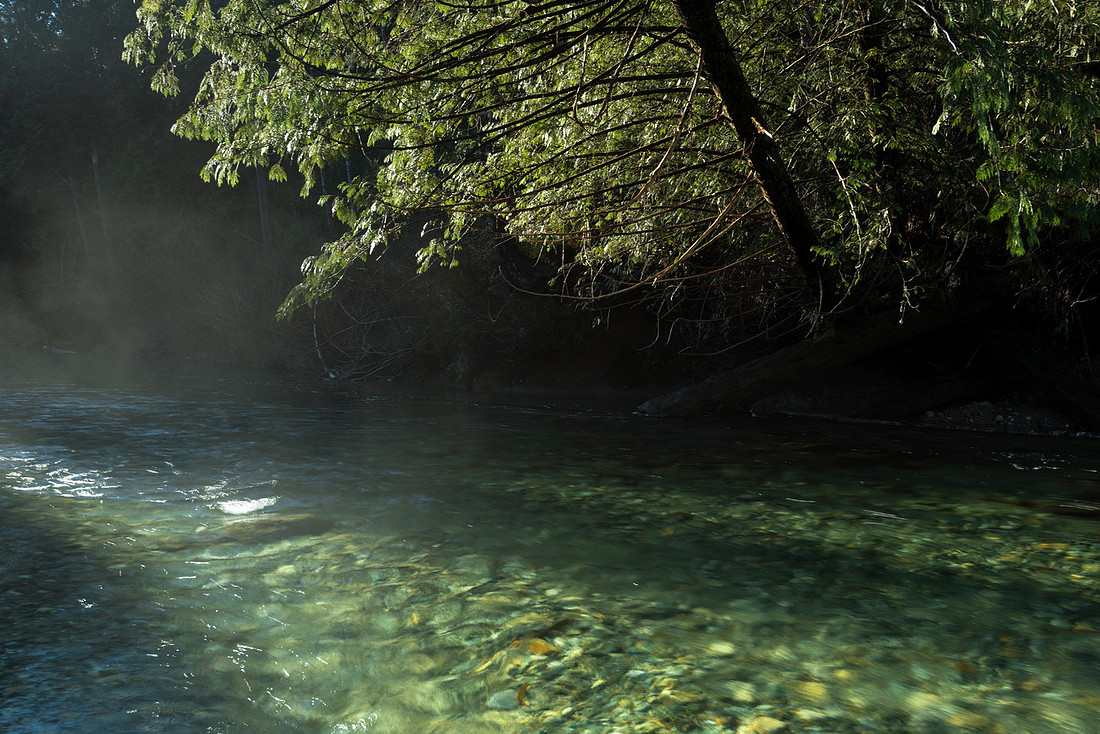
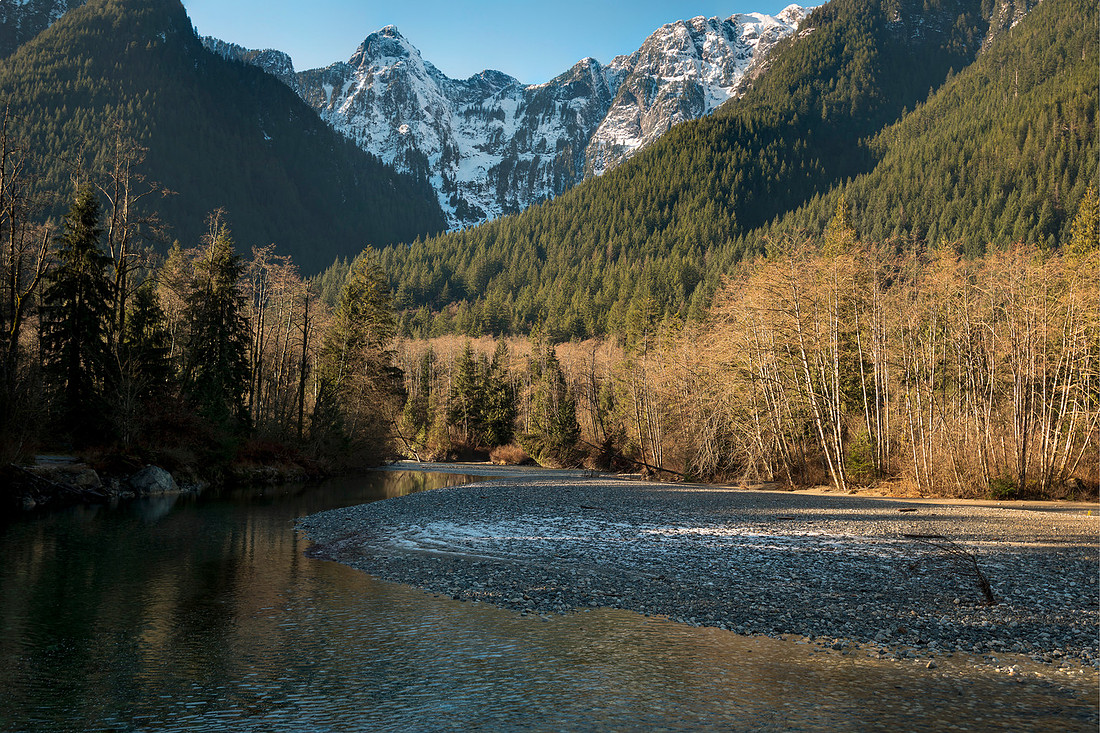
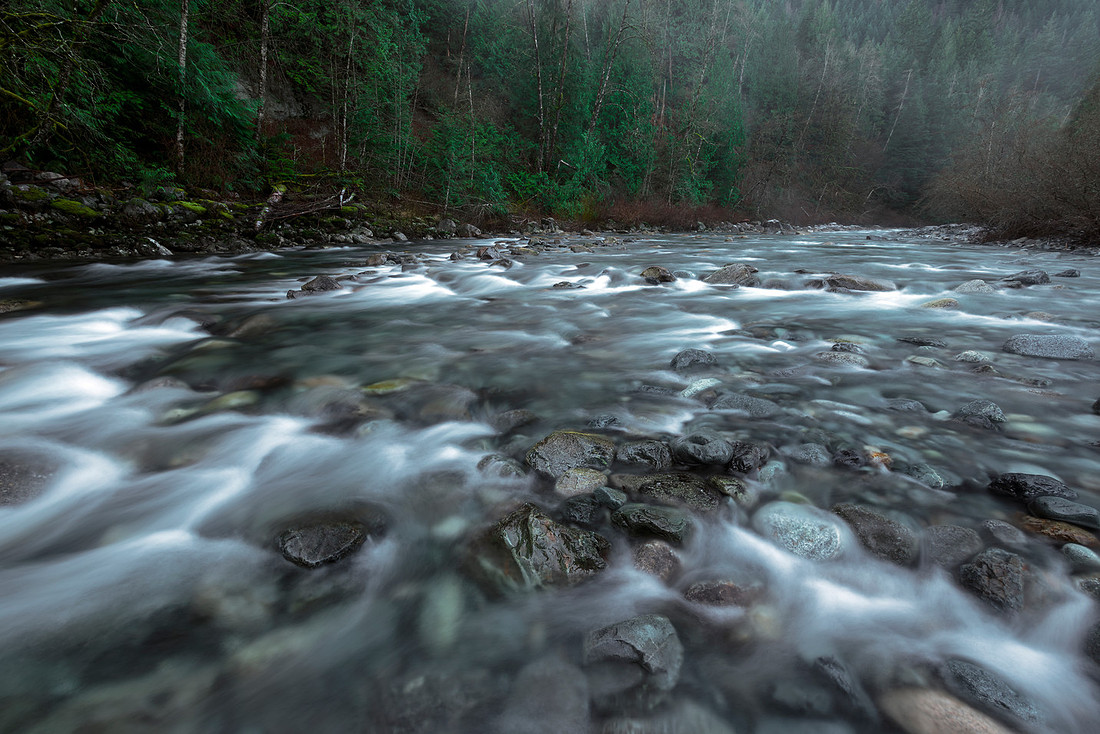
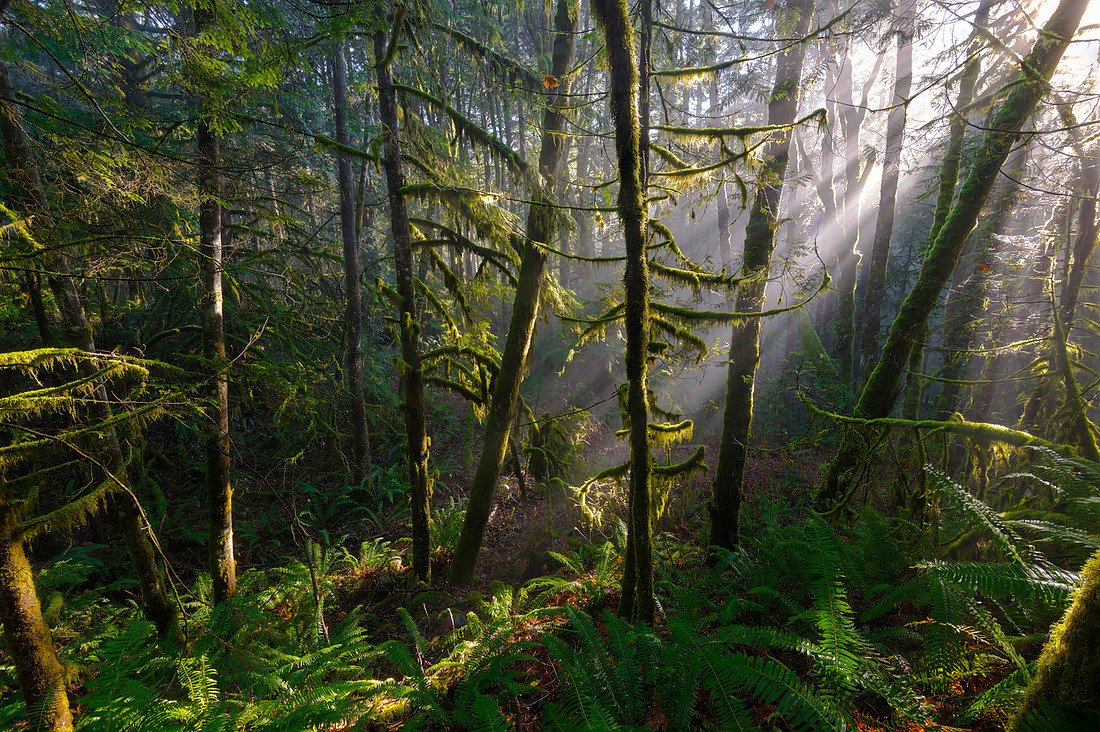
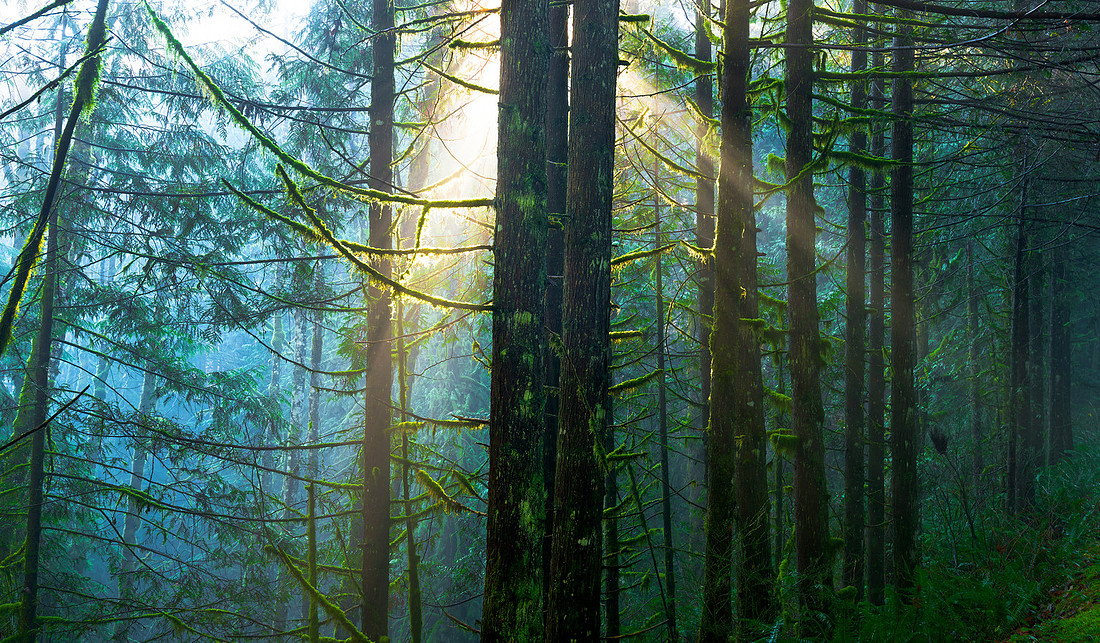
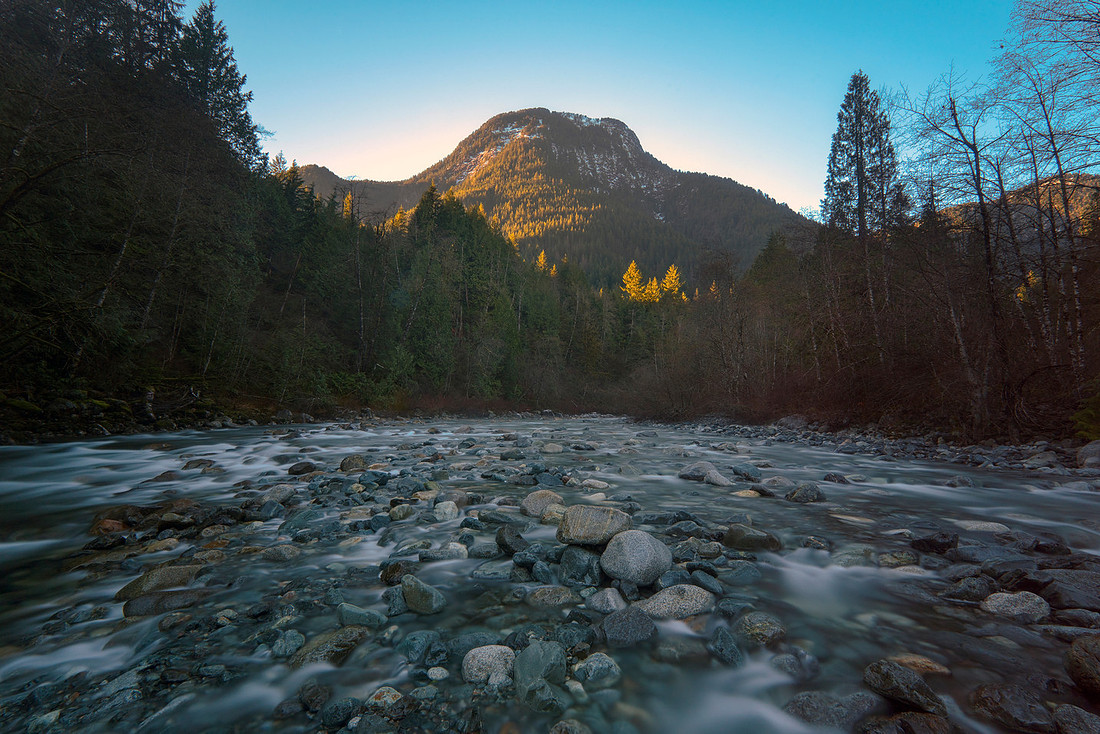


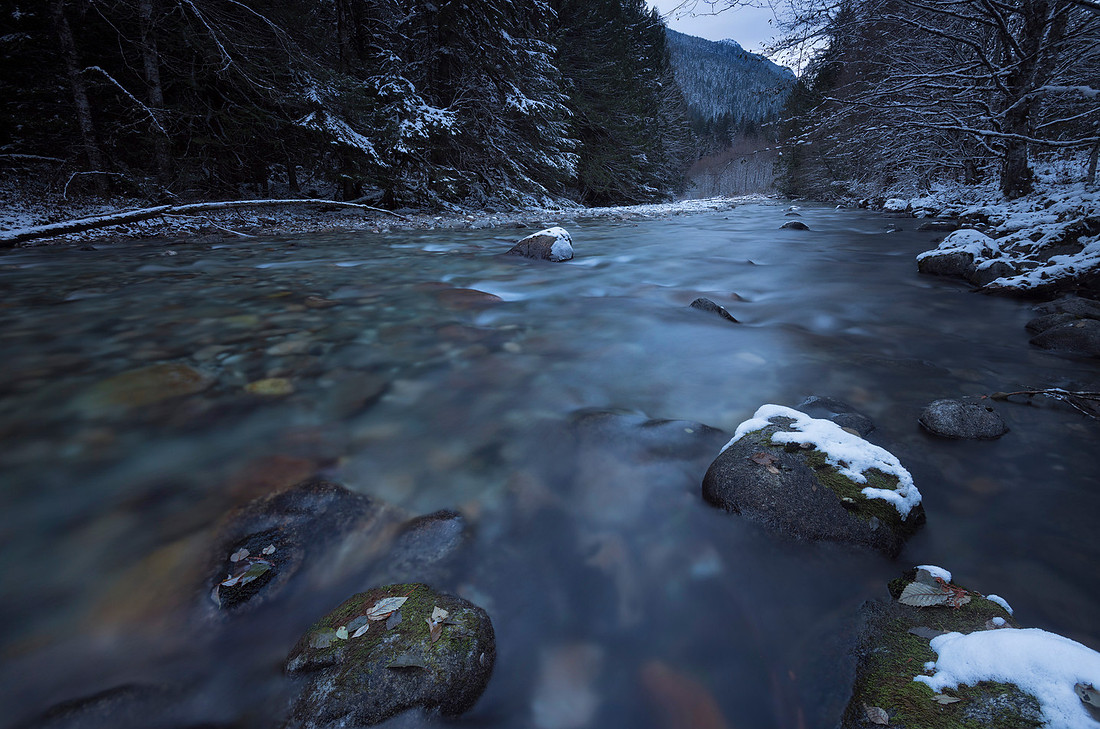
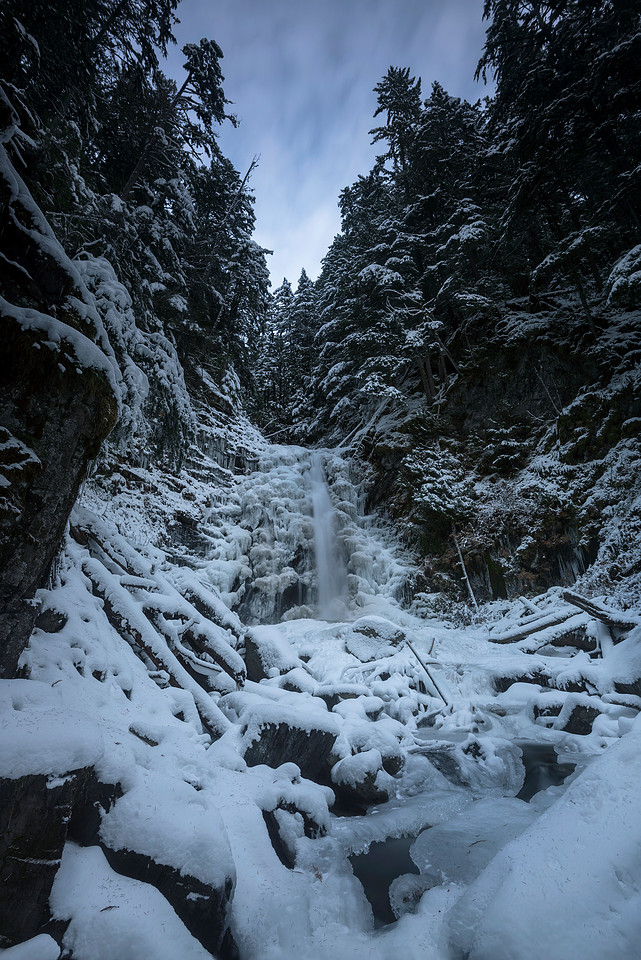
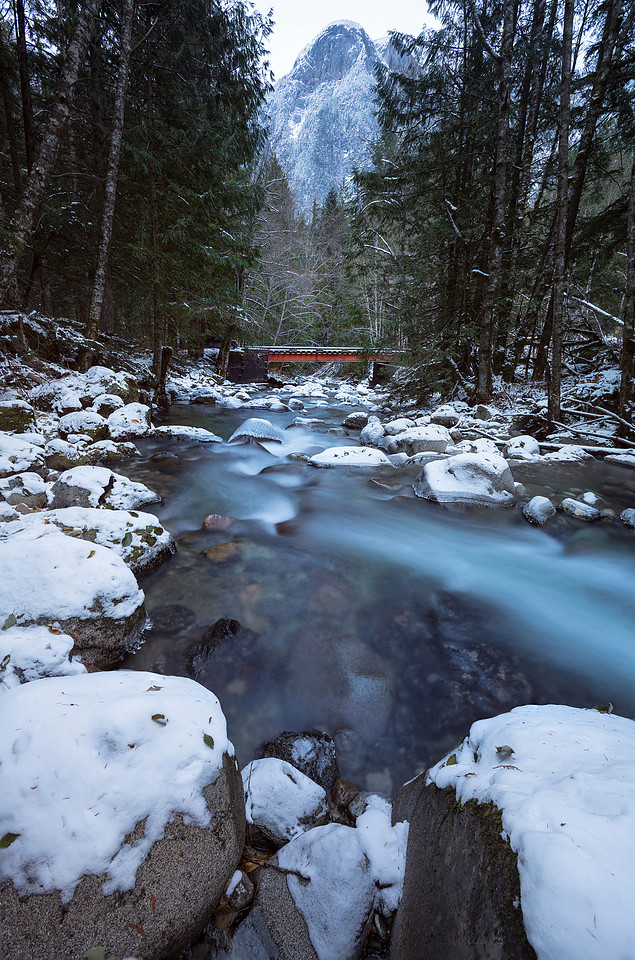
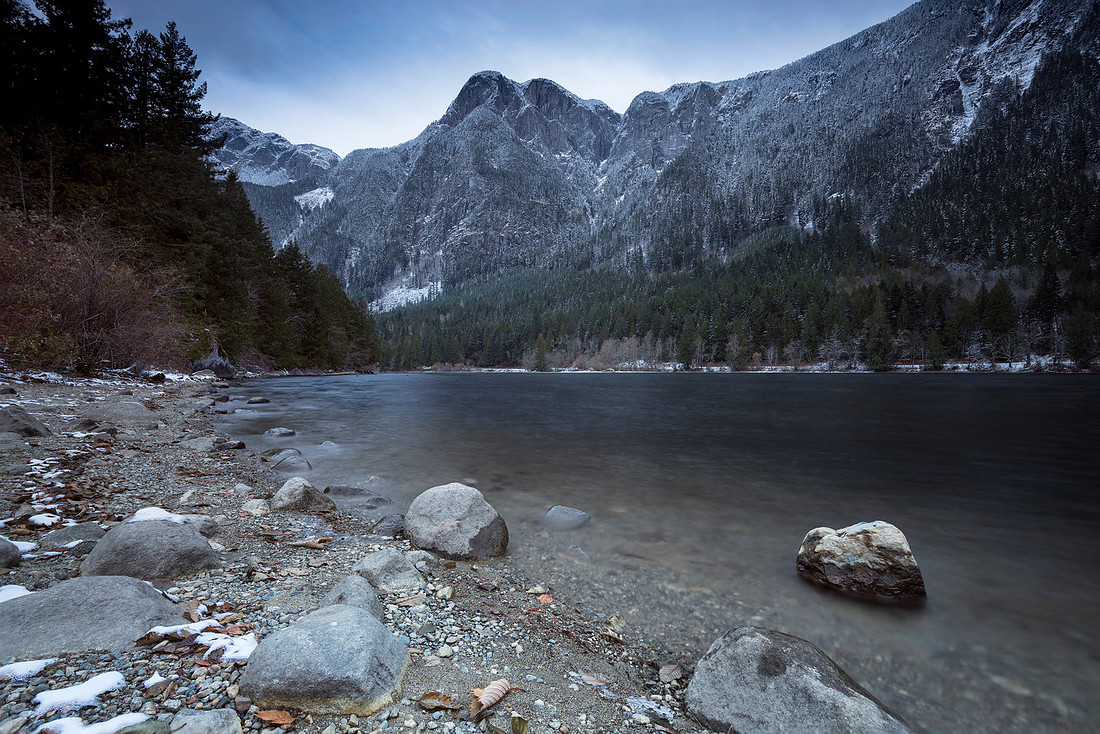
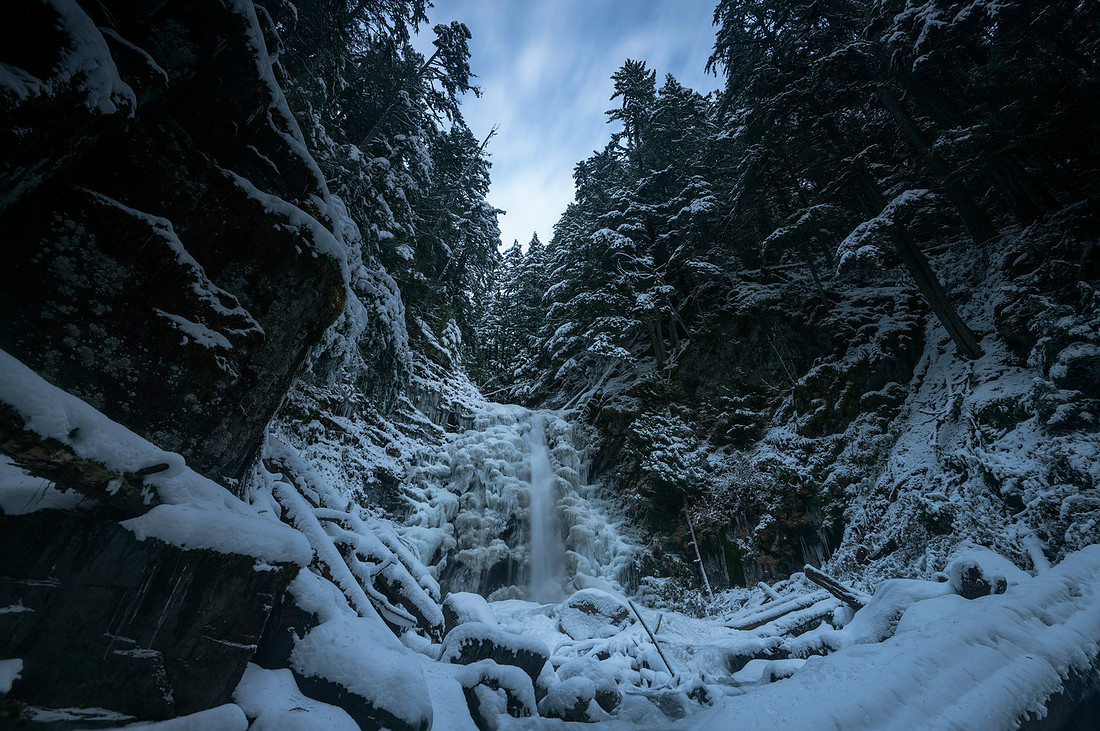
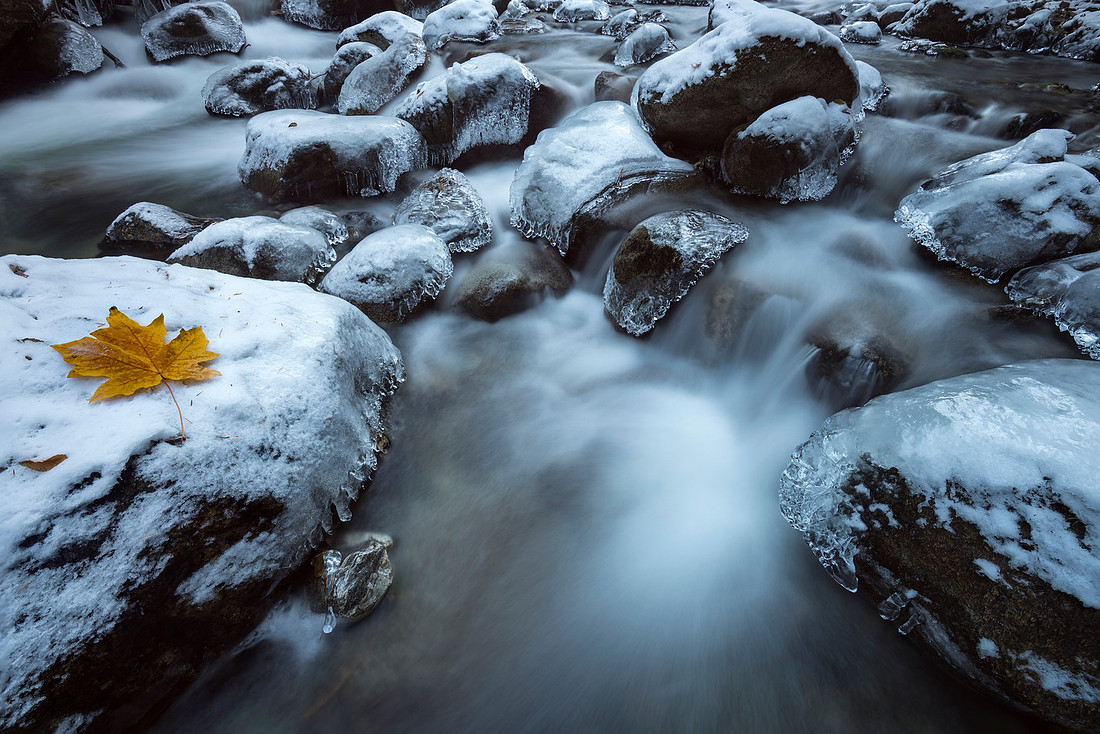
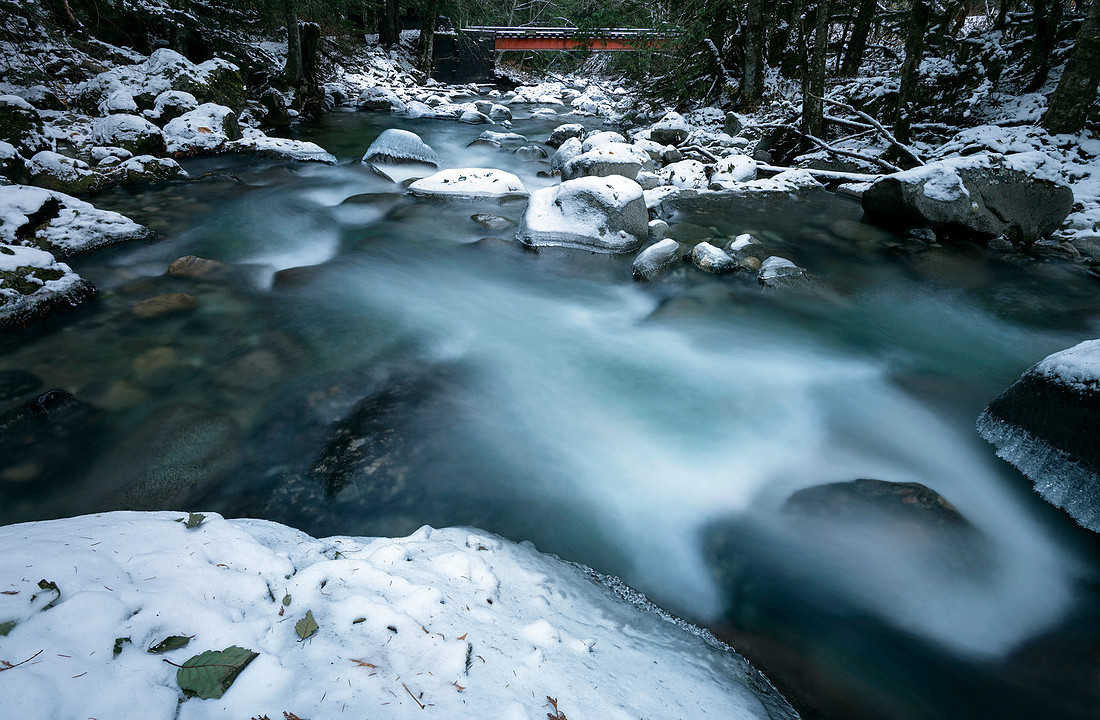
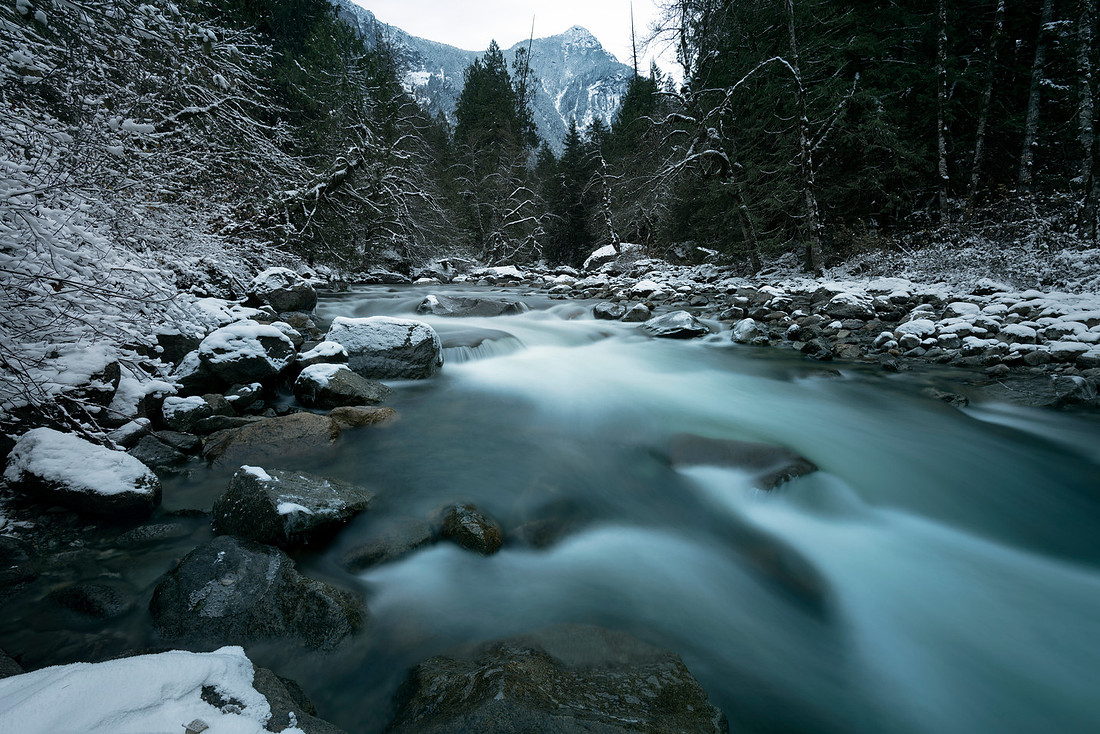
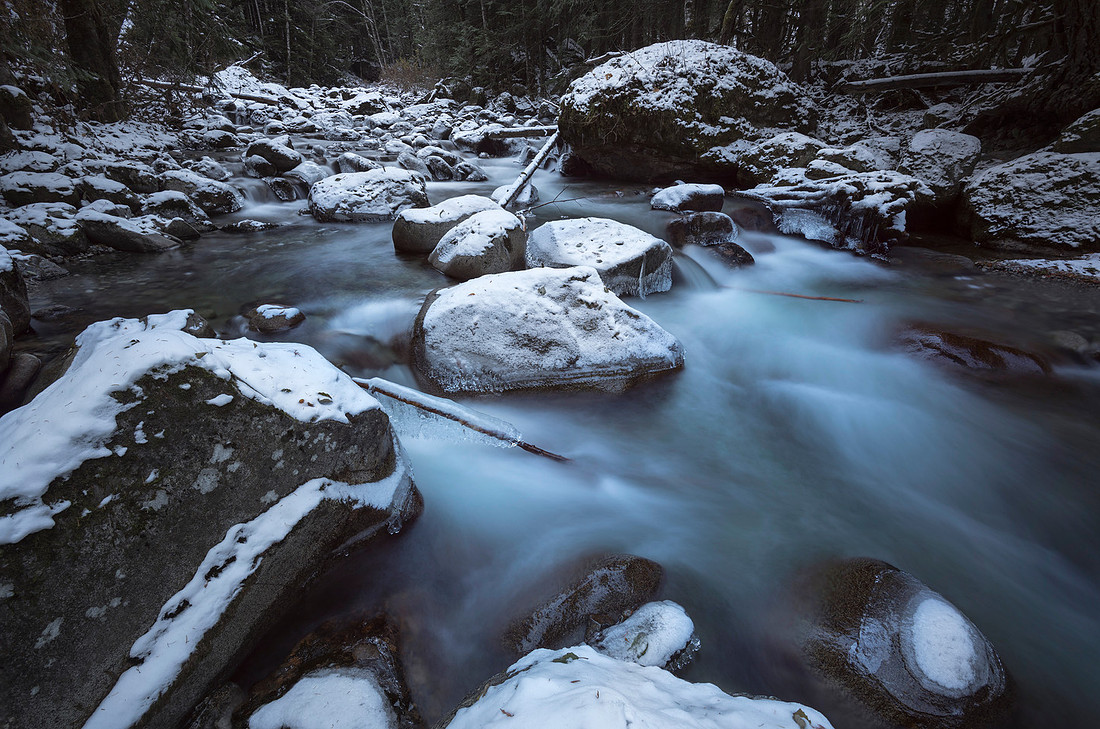


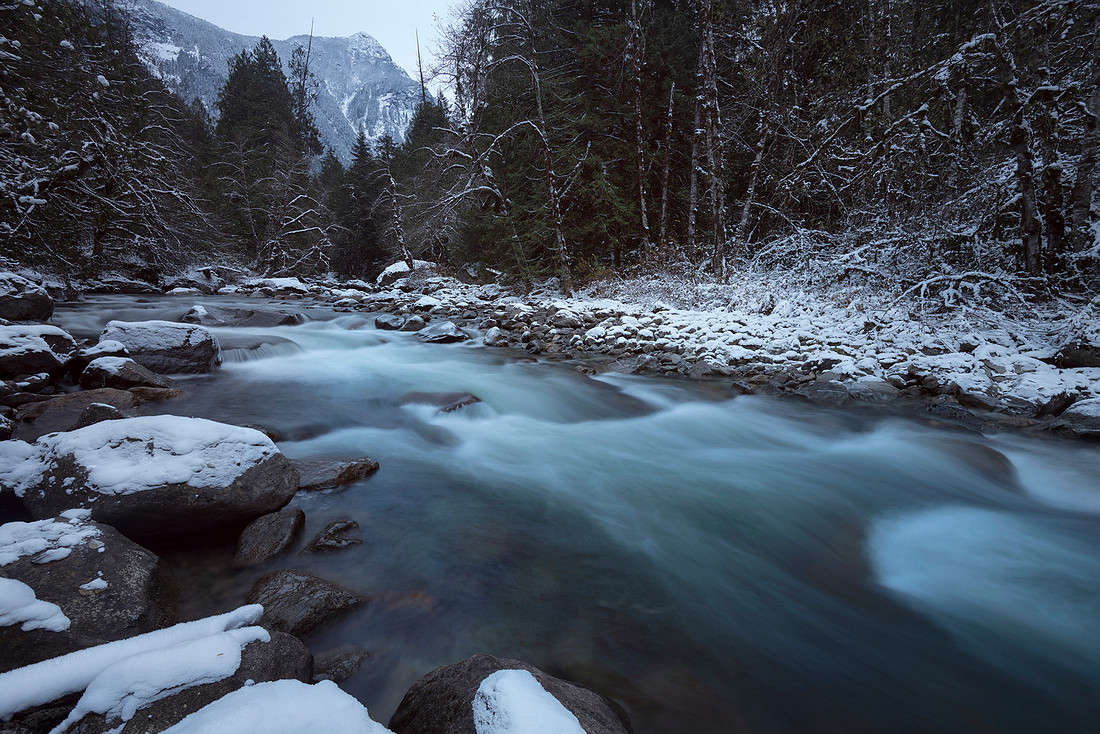
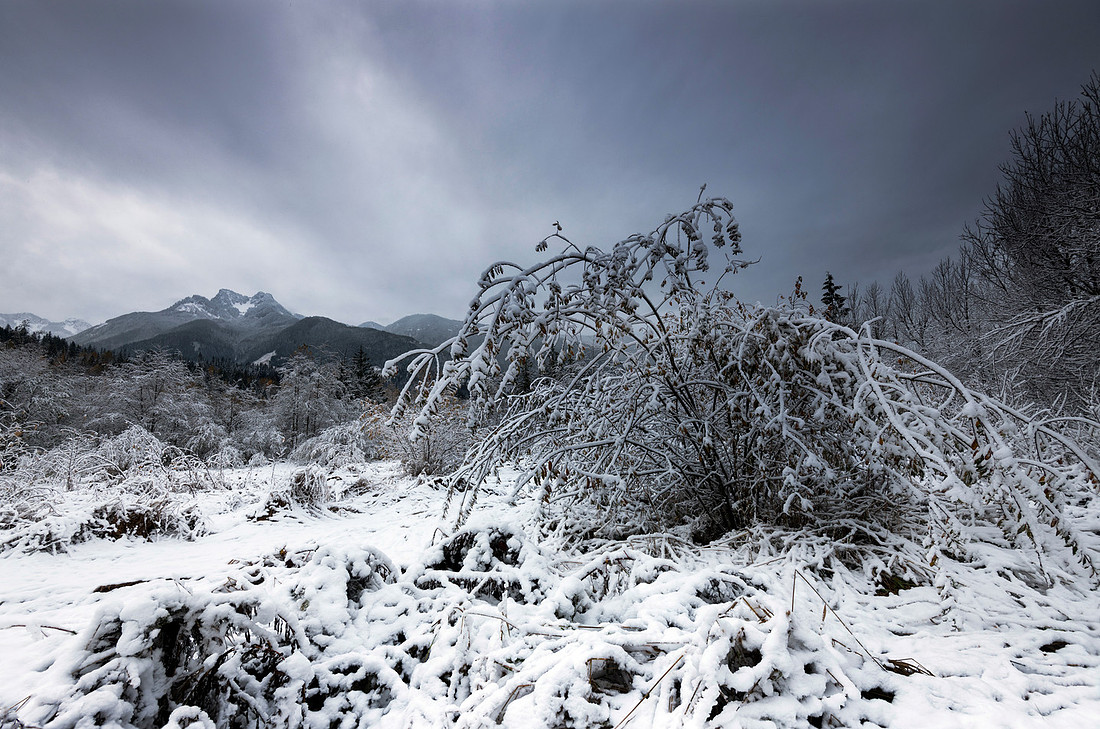
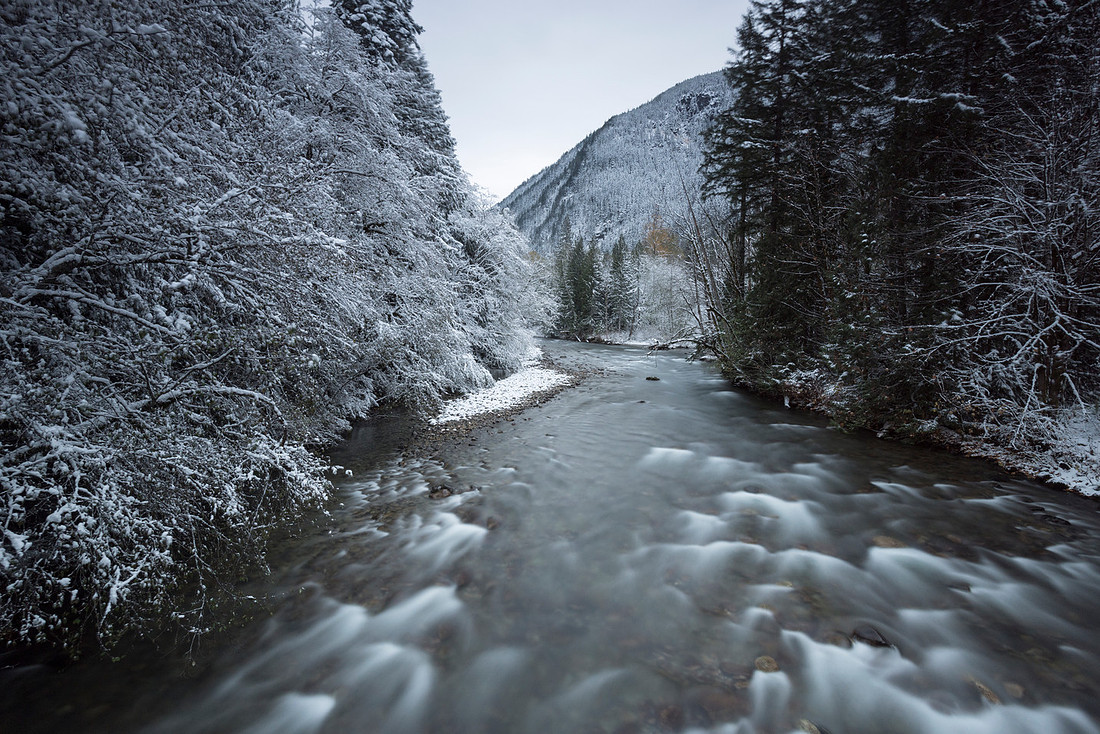
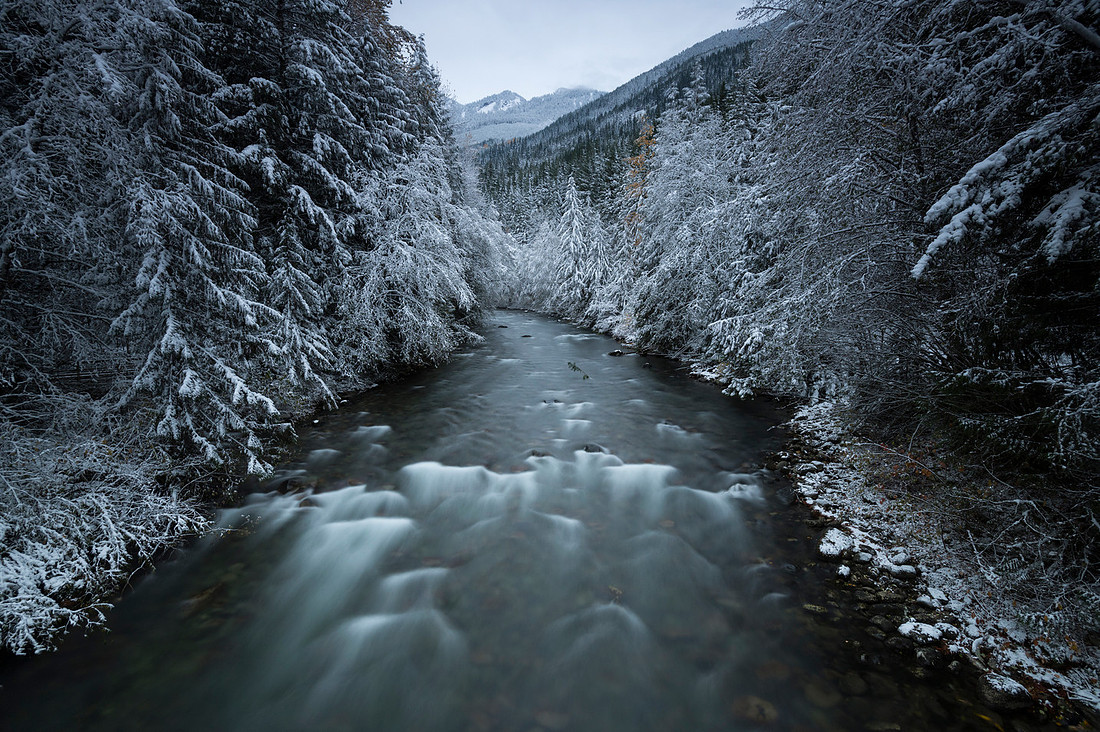
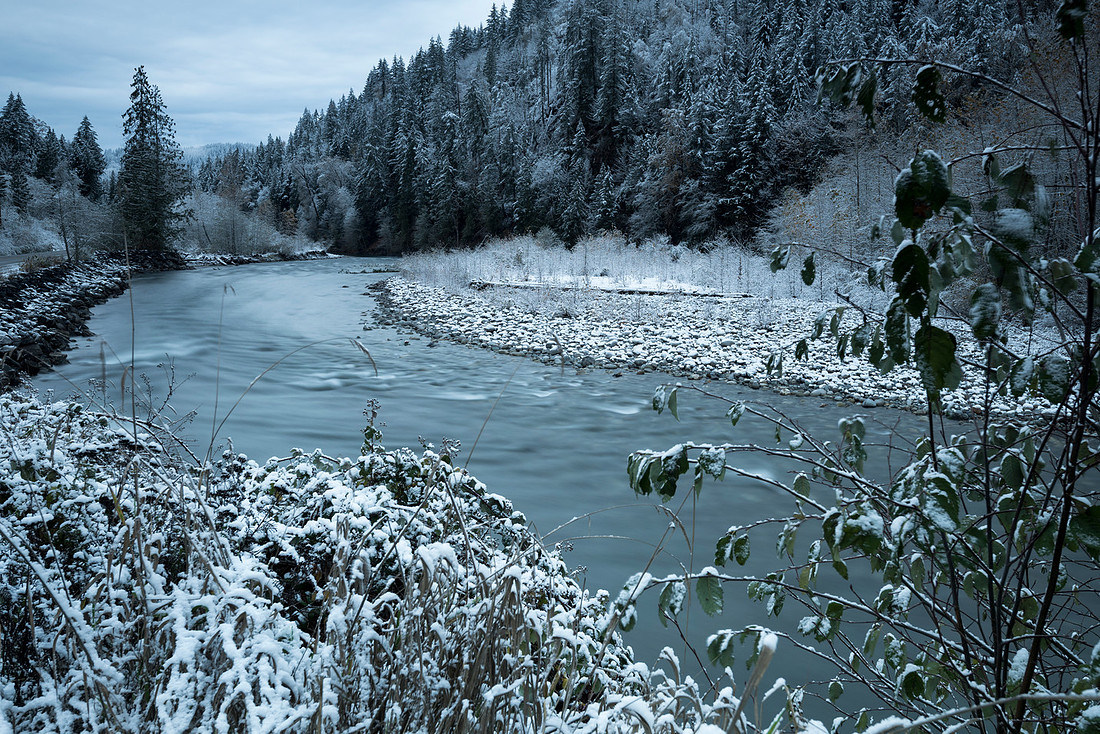
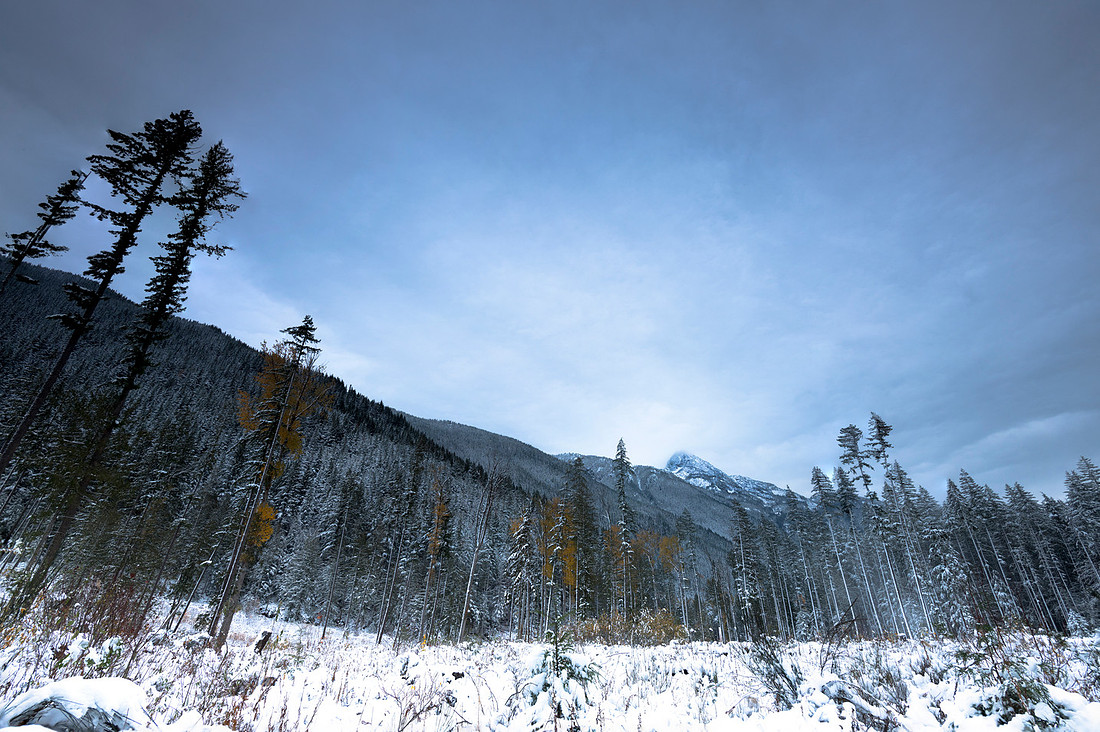
]]>






 ]]>
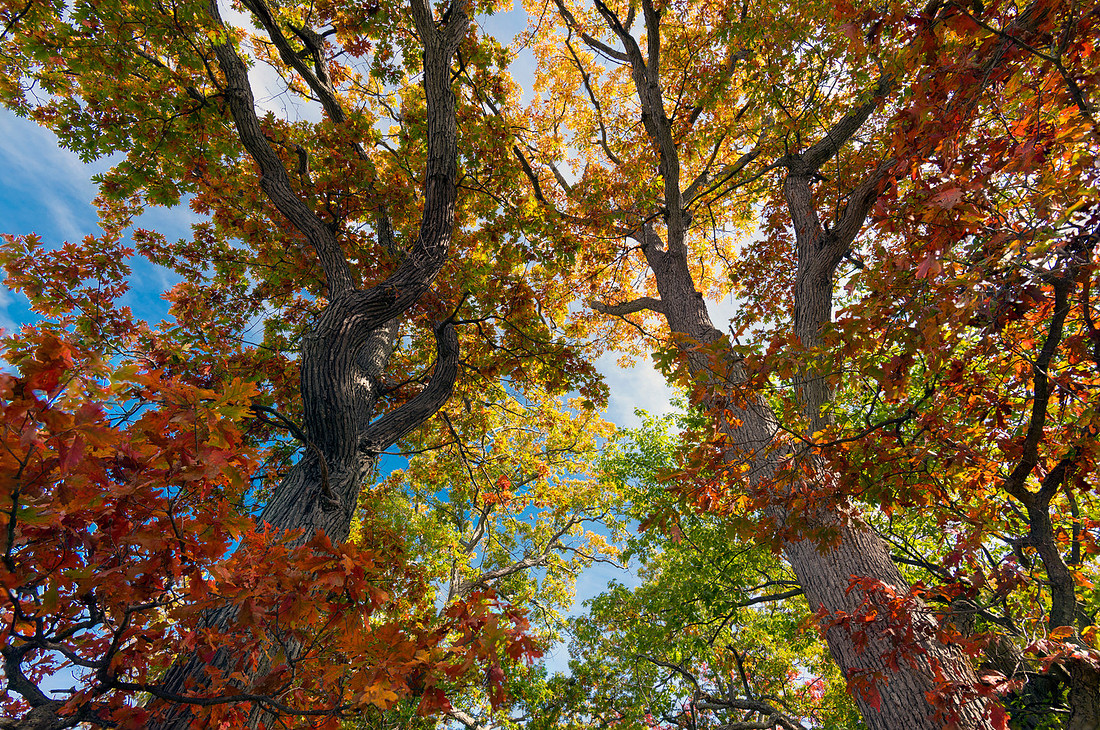
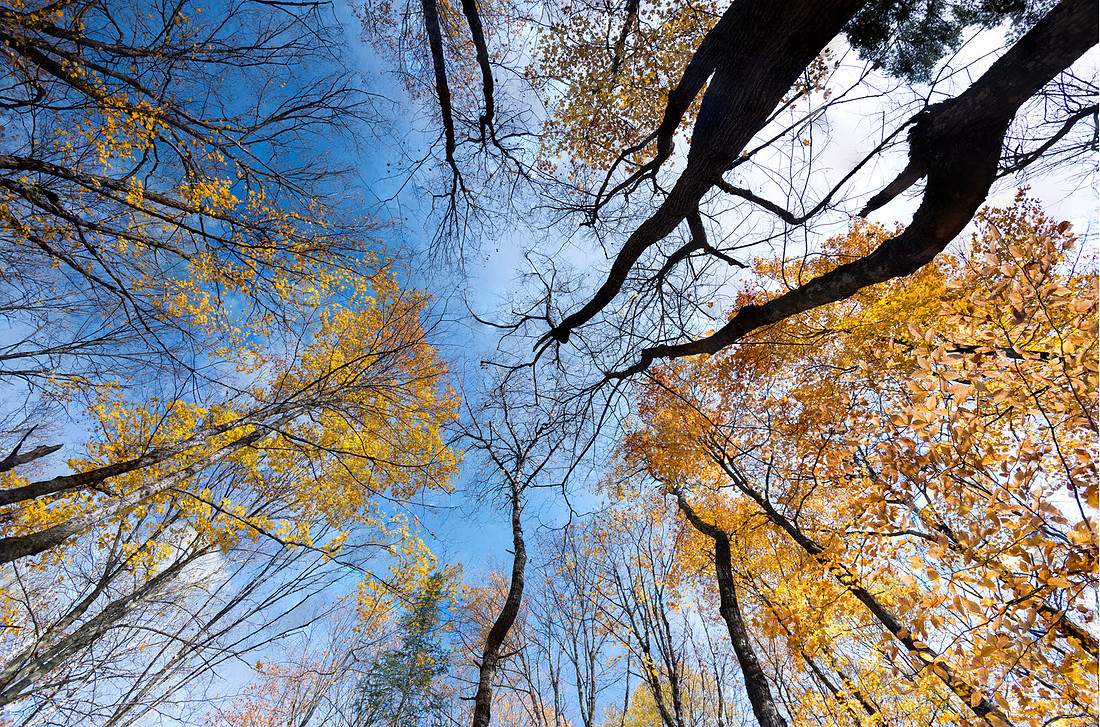
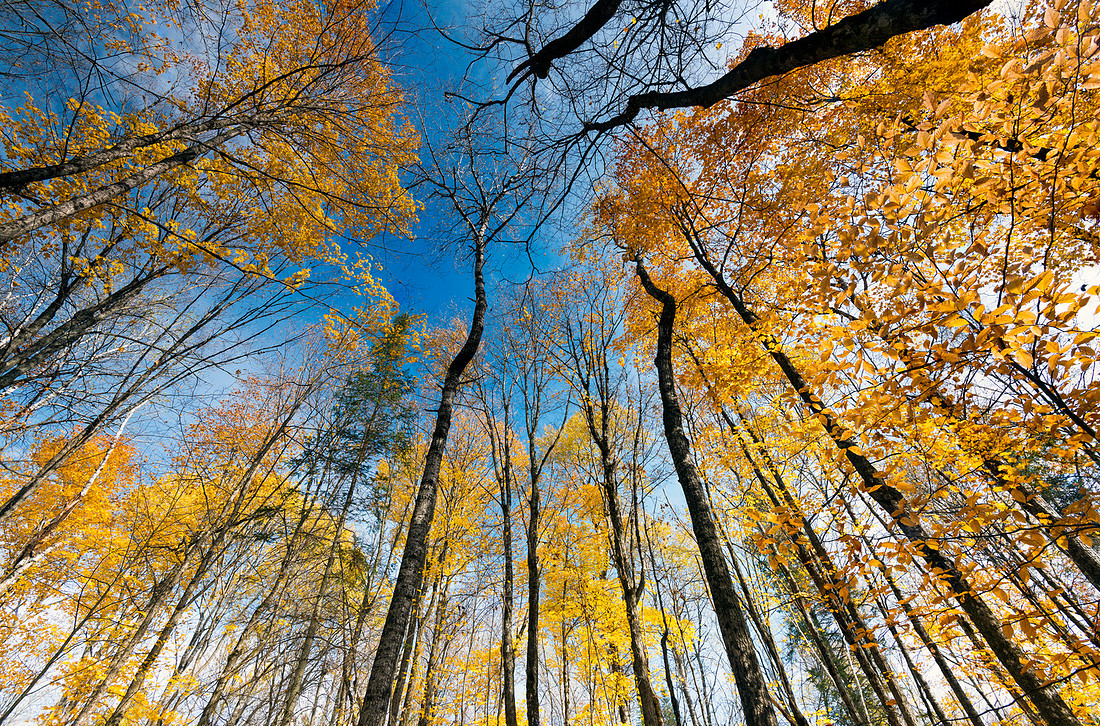
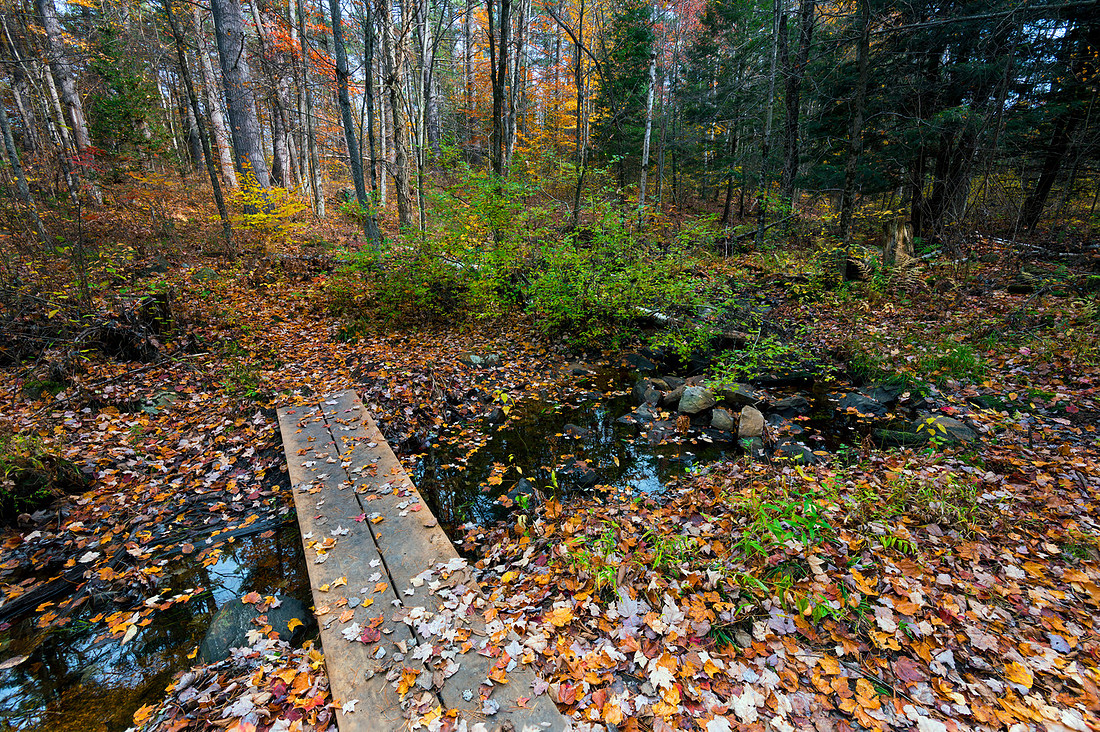











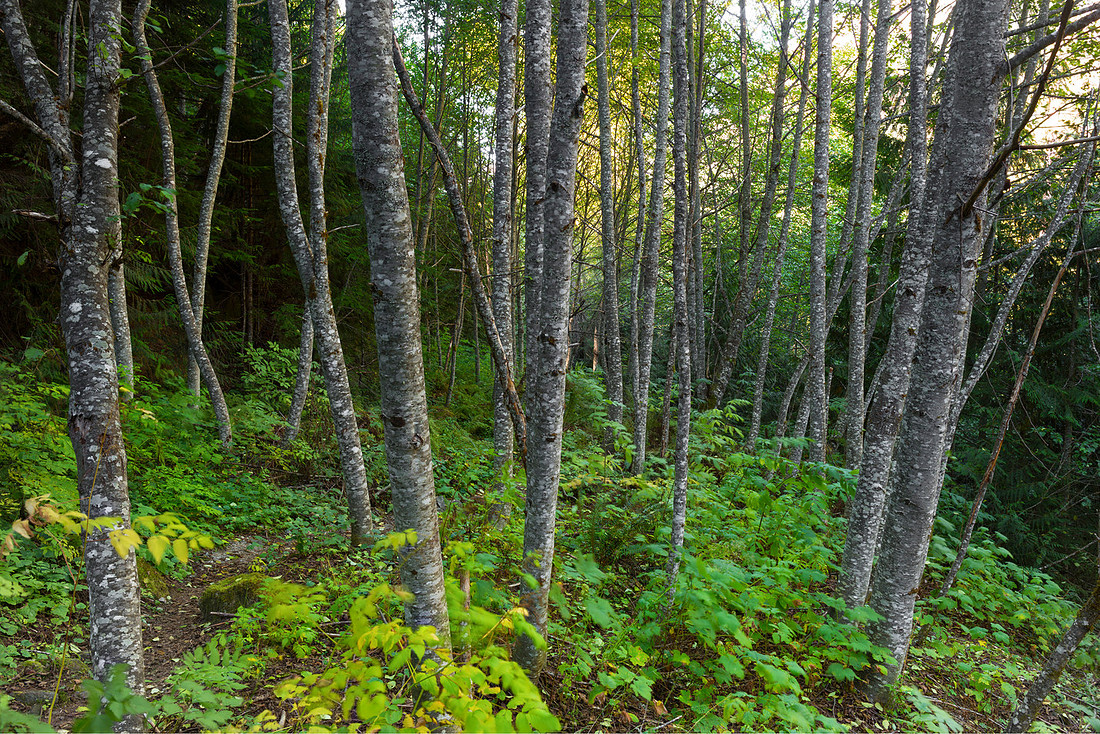
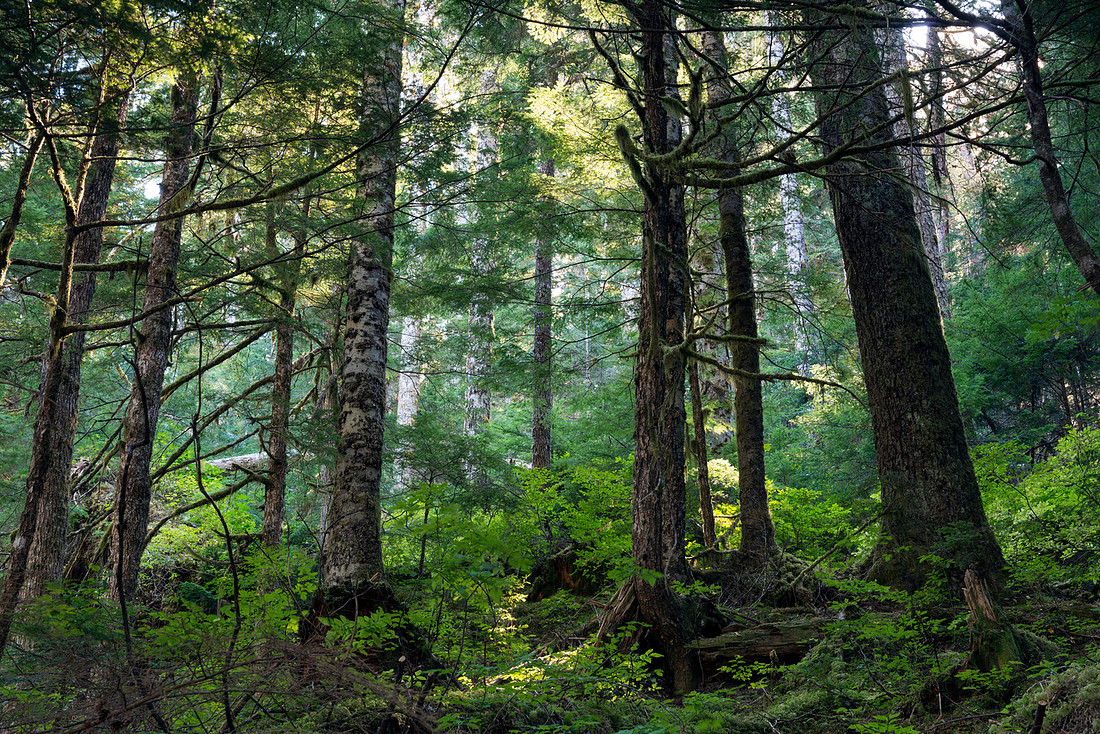
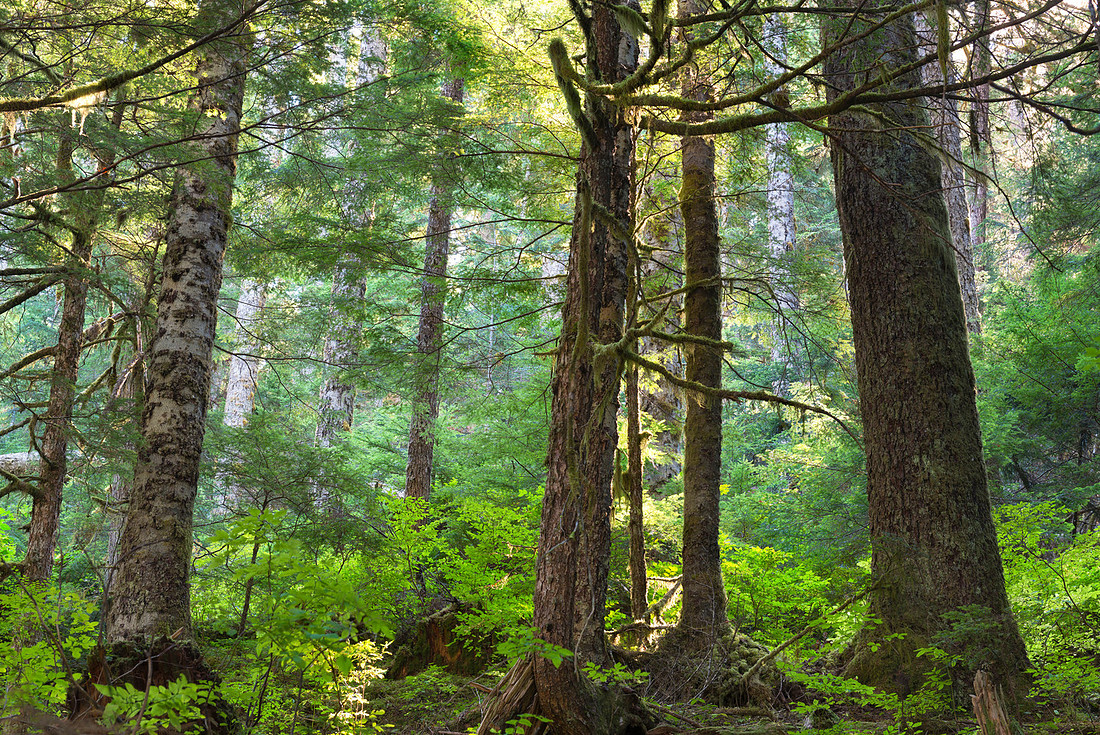
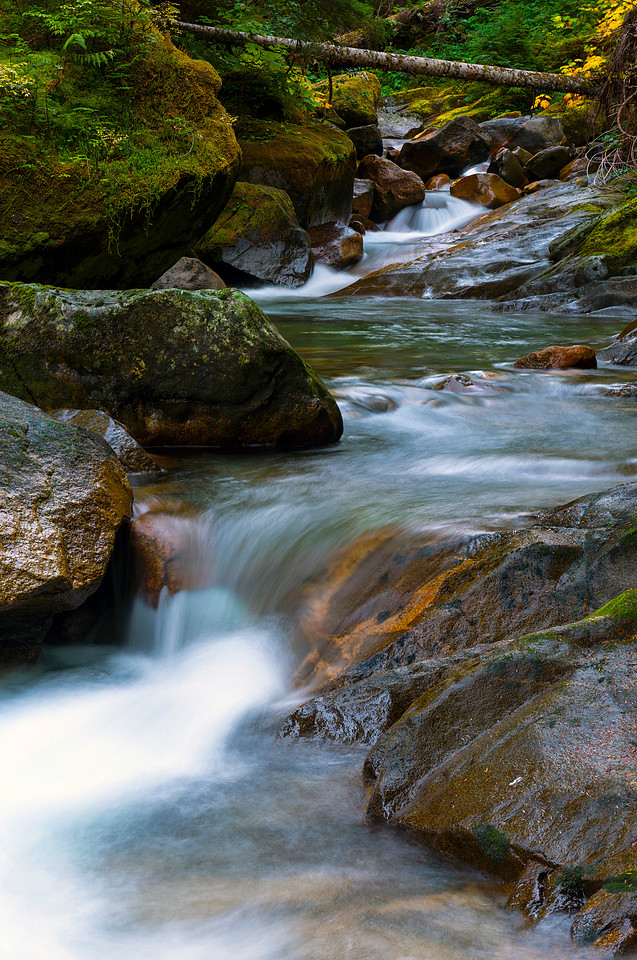








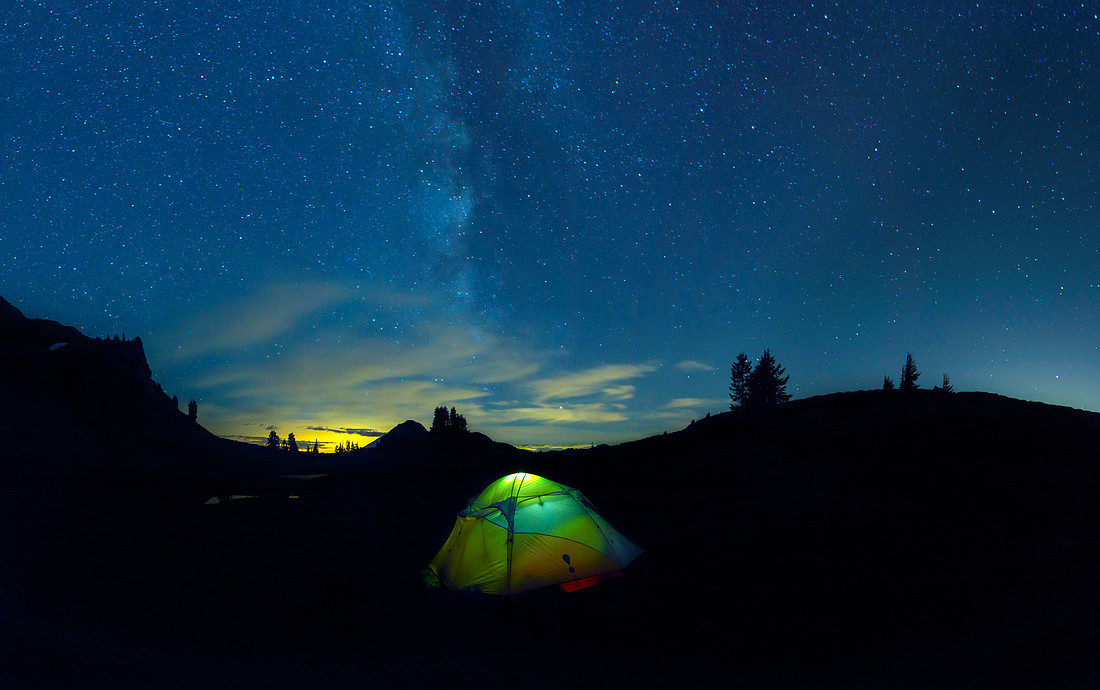
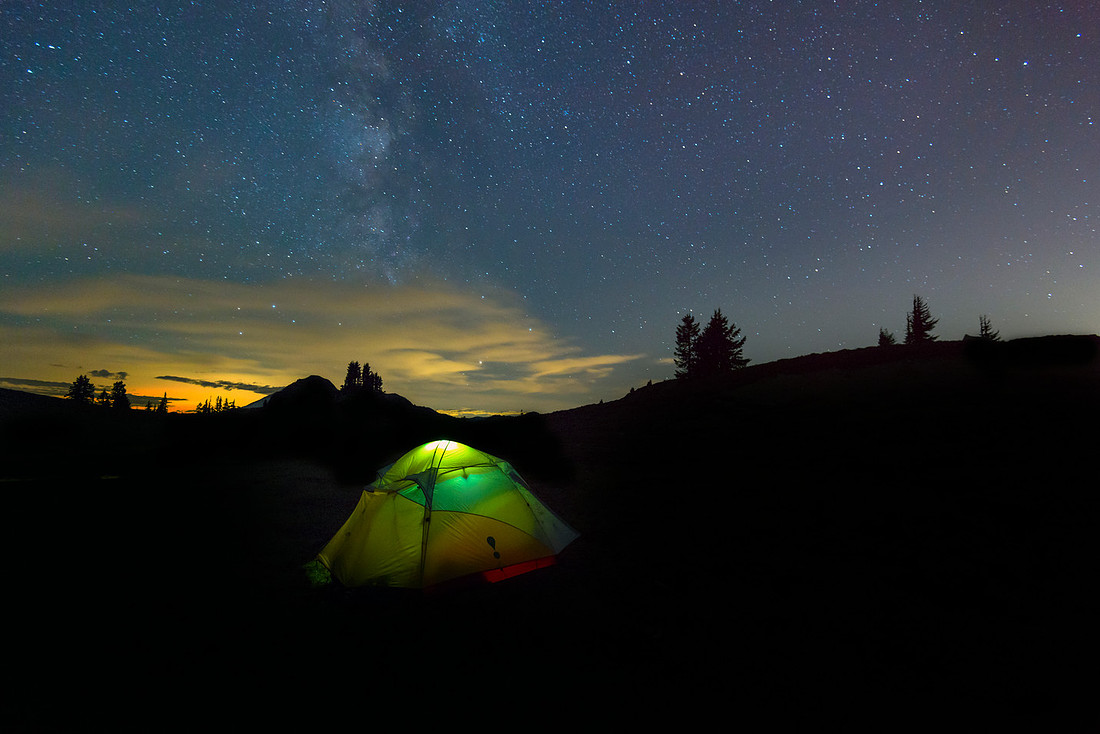

t.
]]>

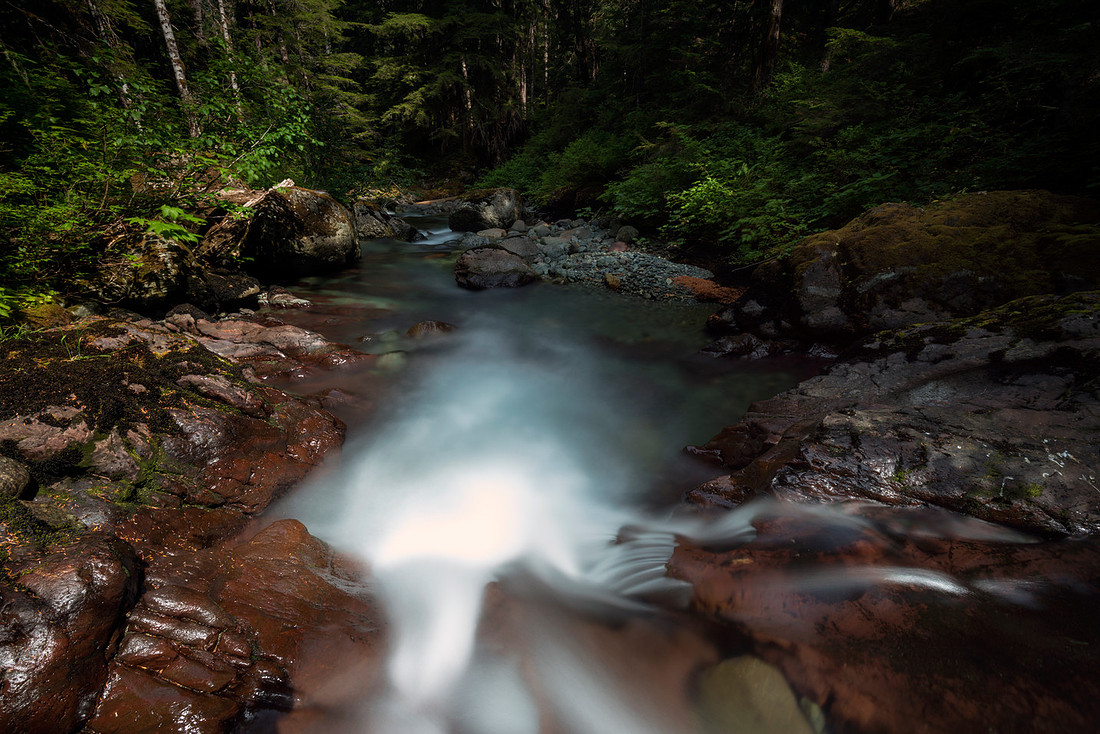
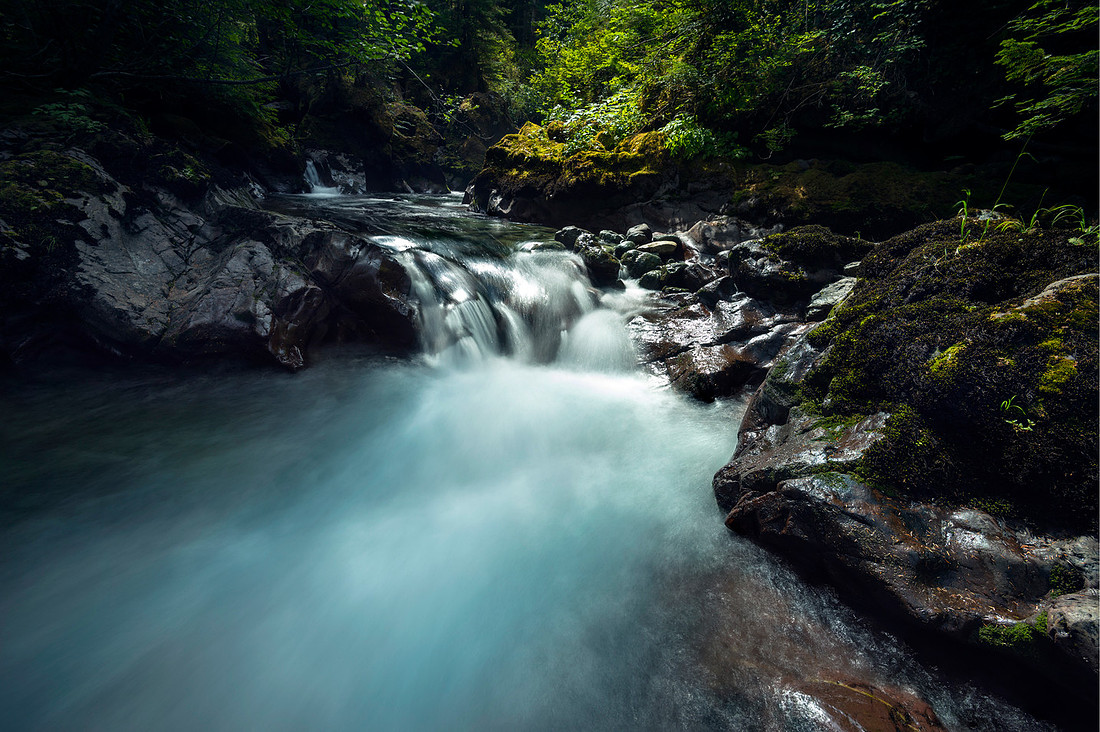
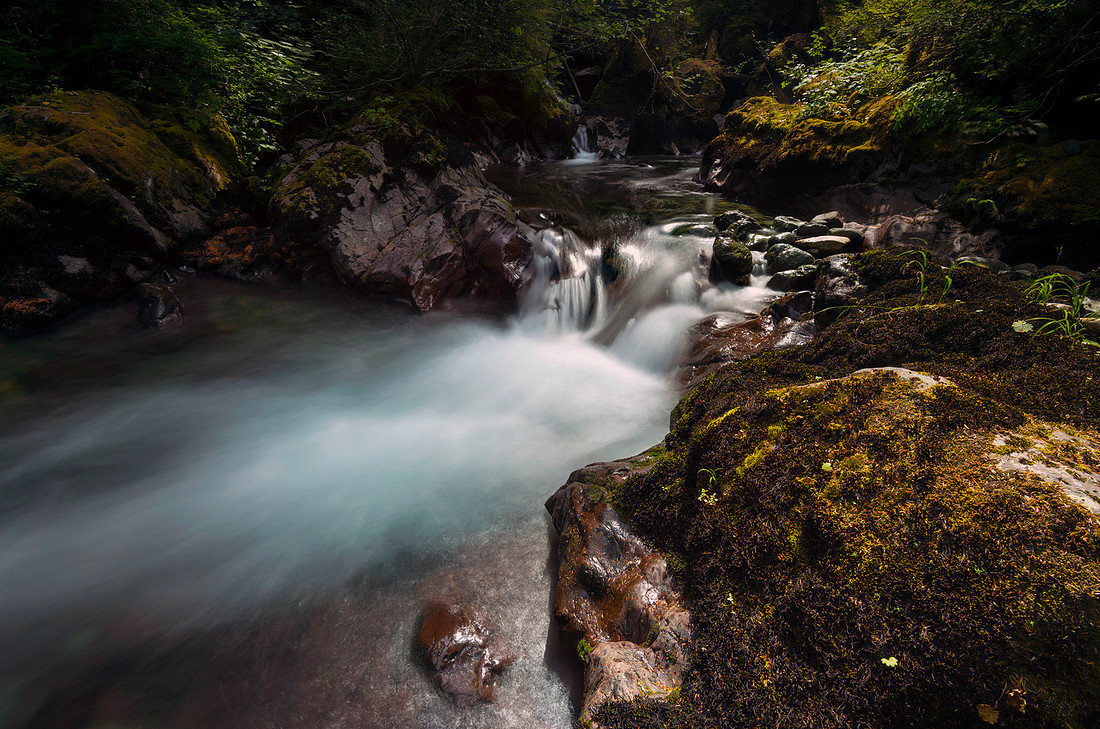
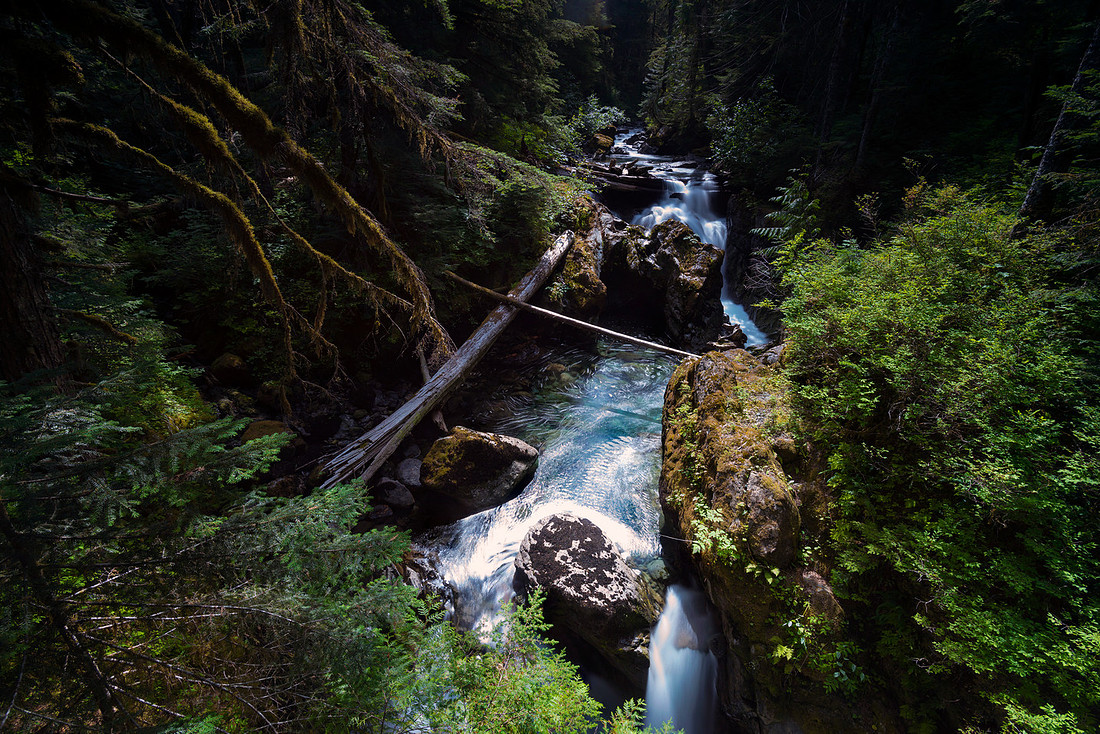

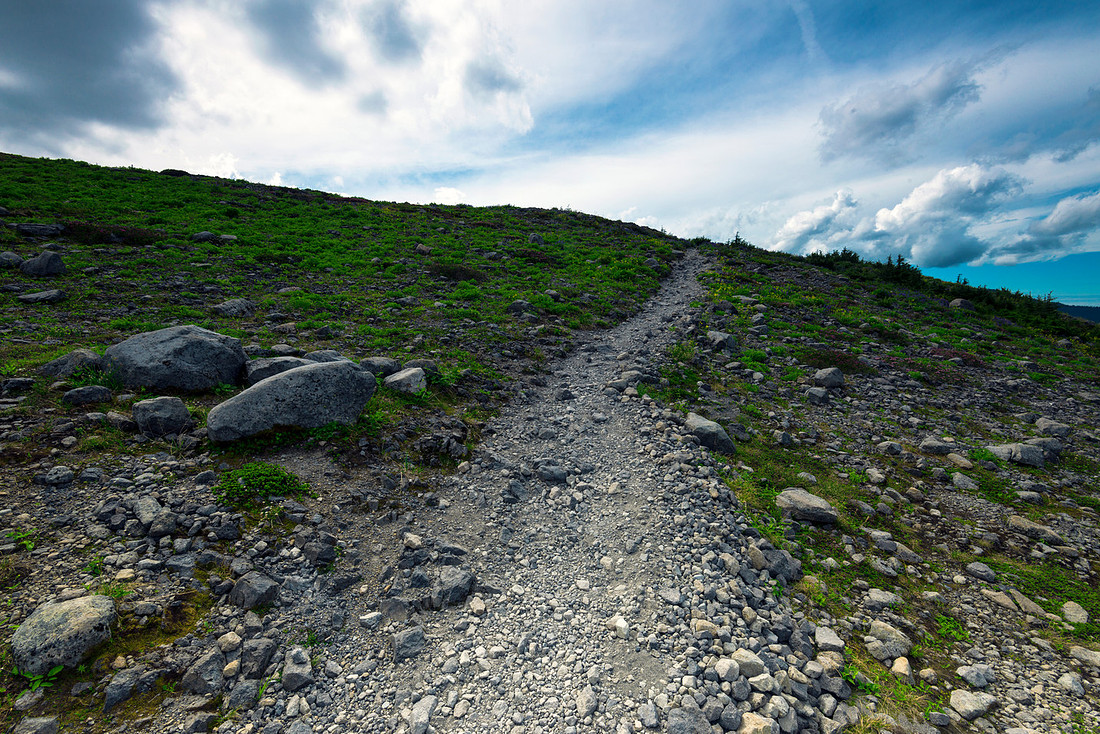
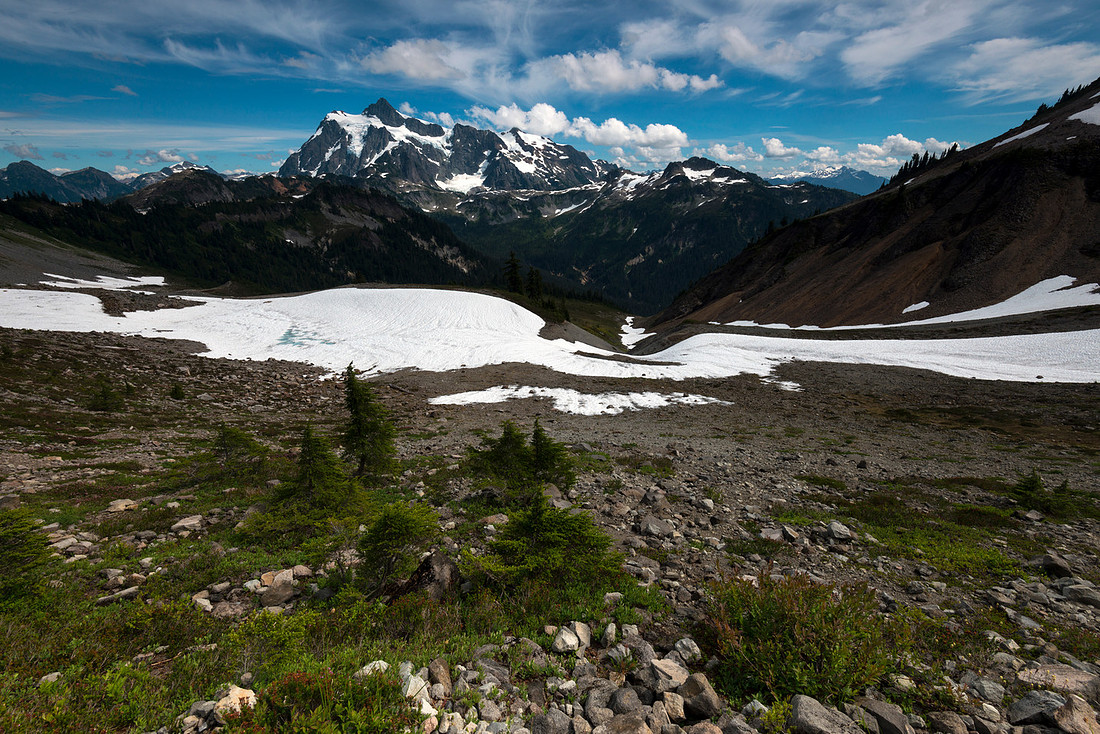
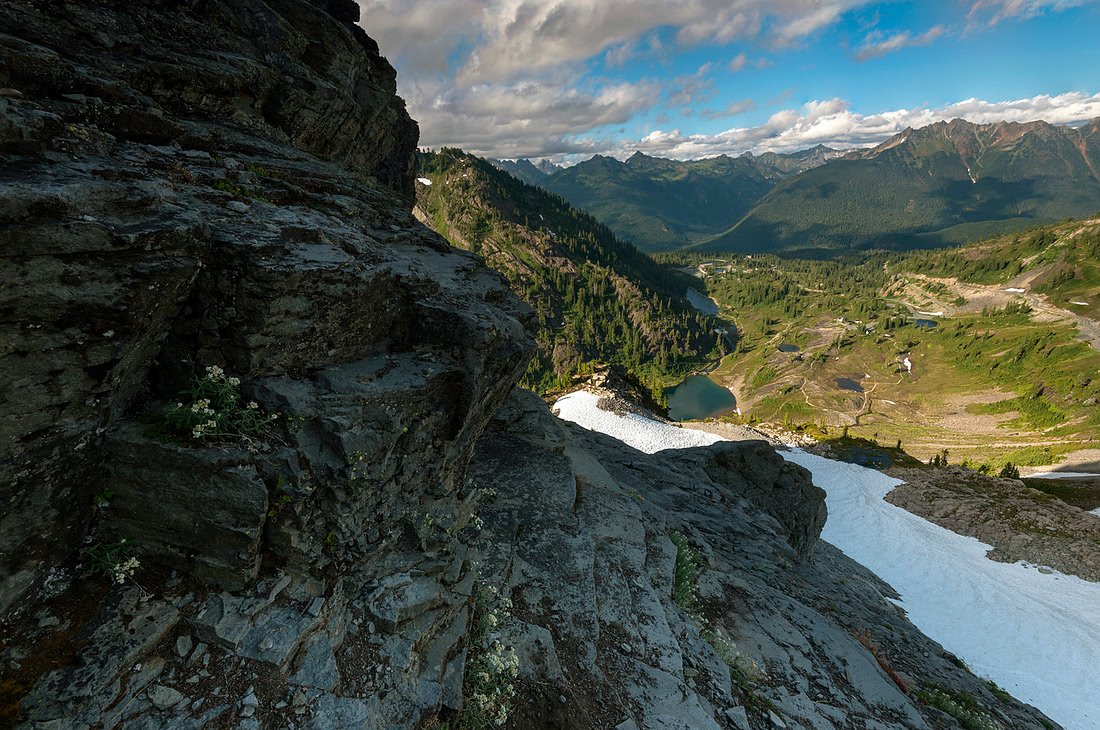
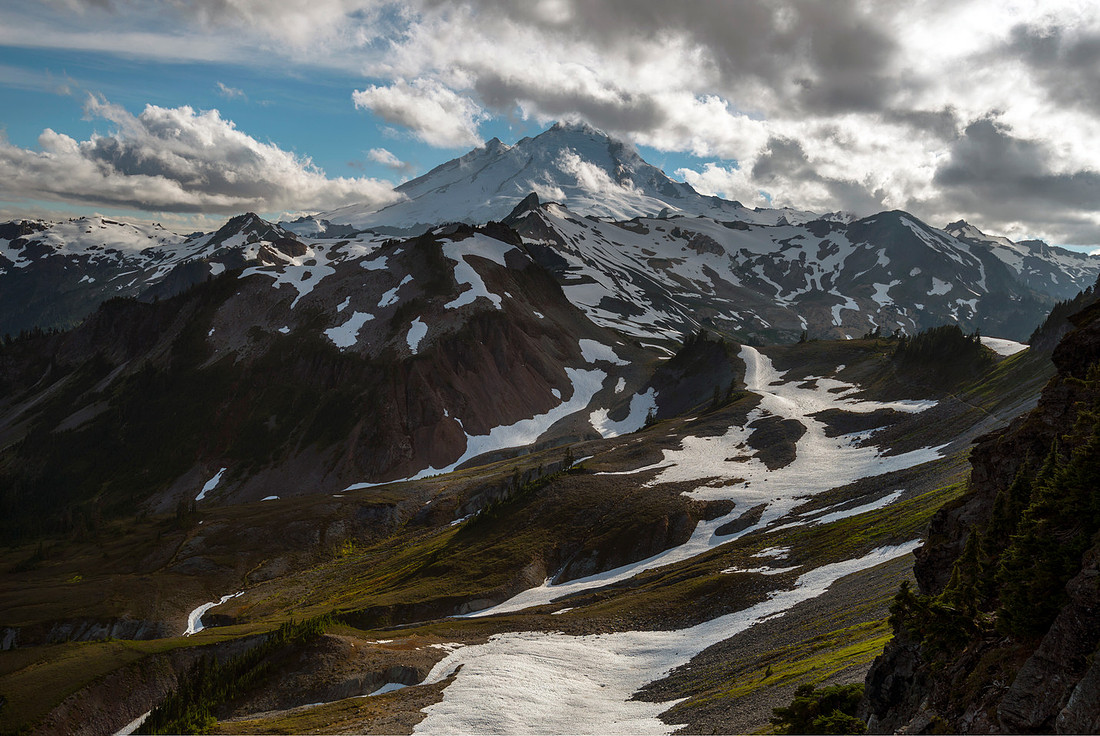
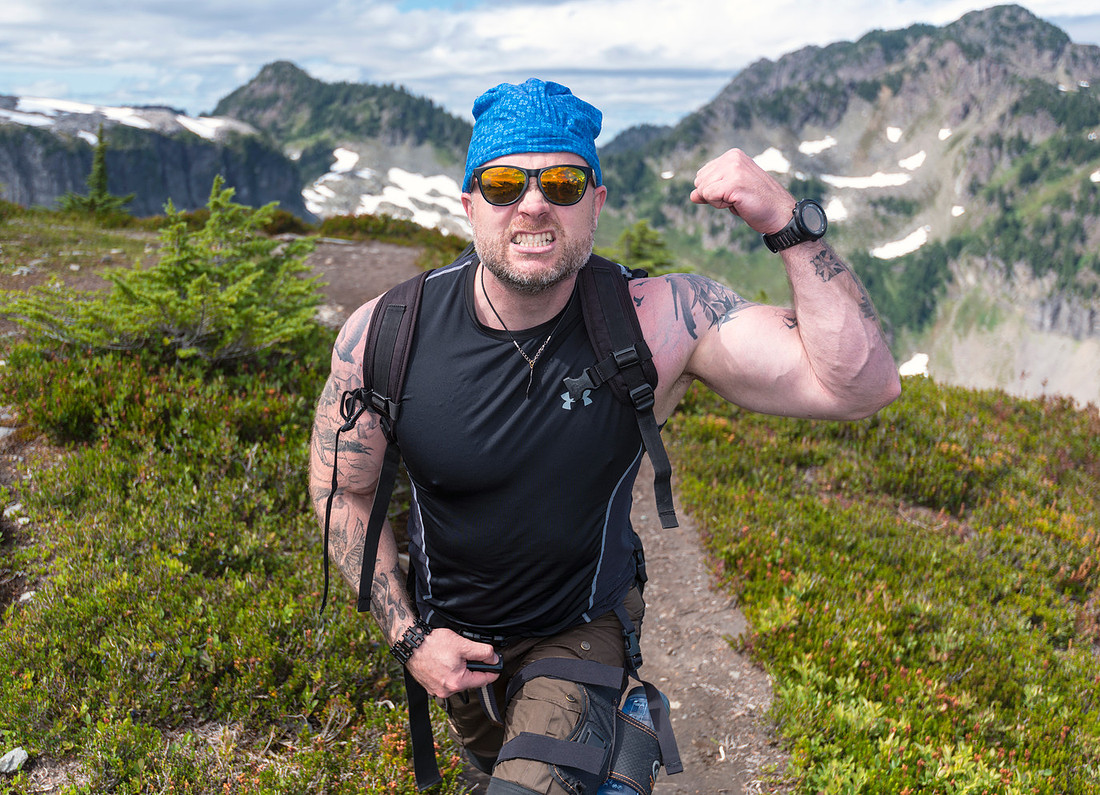
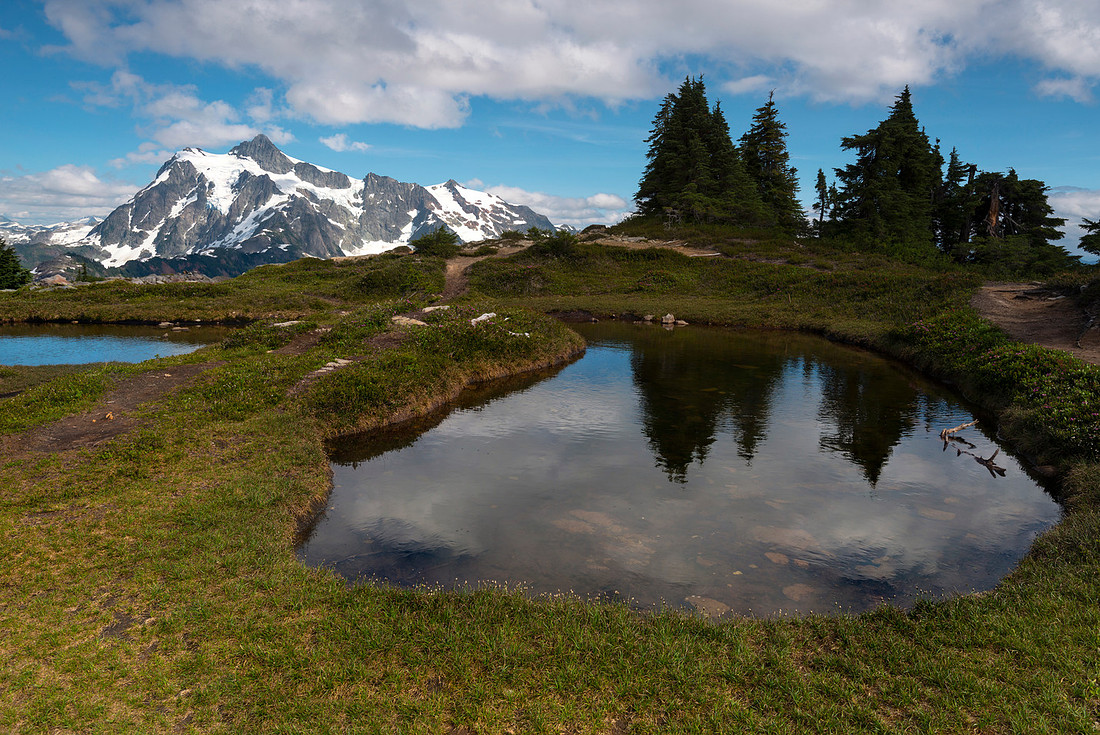
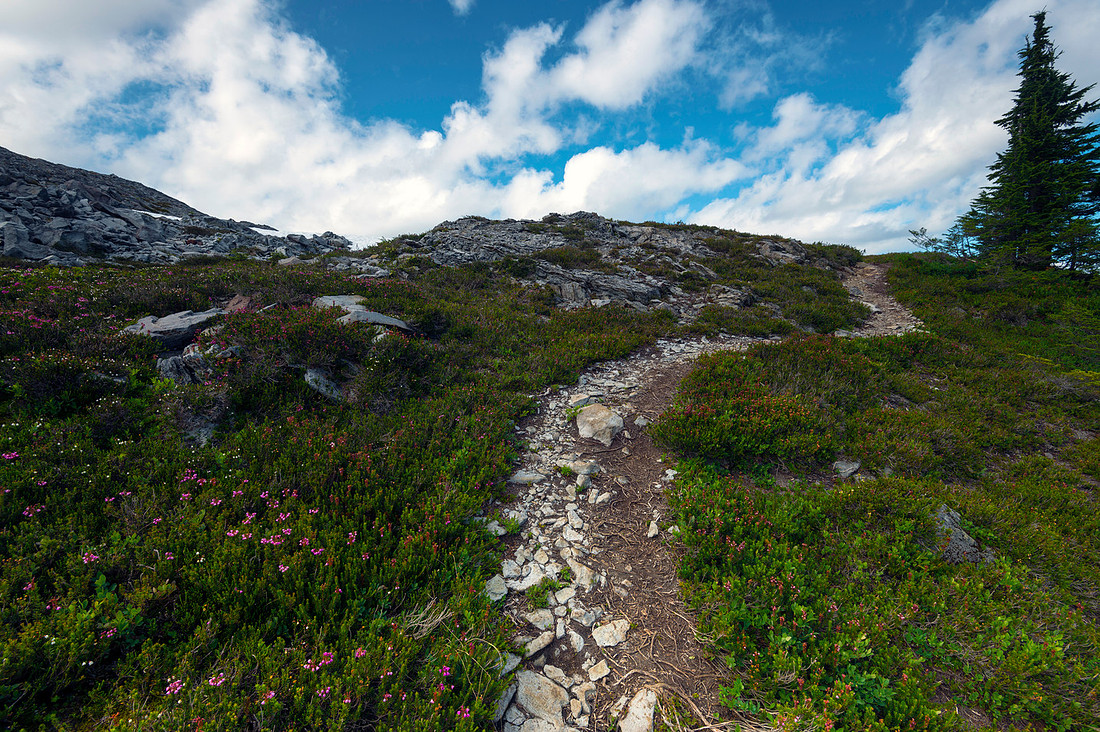
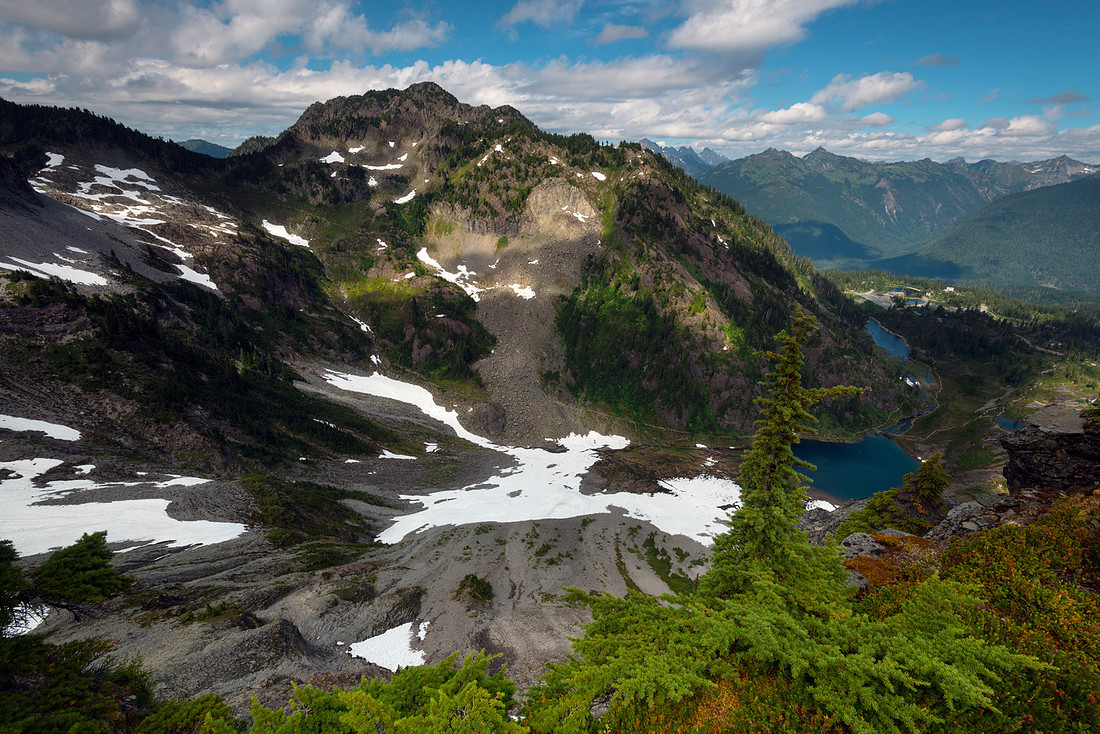
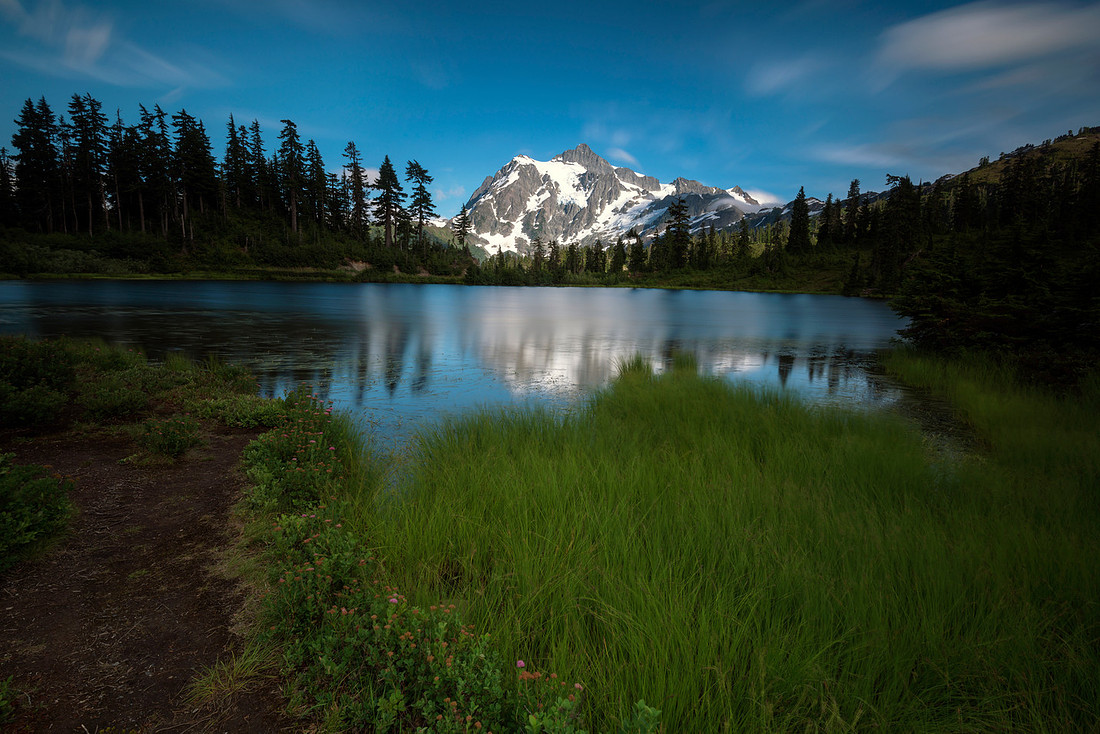
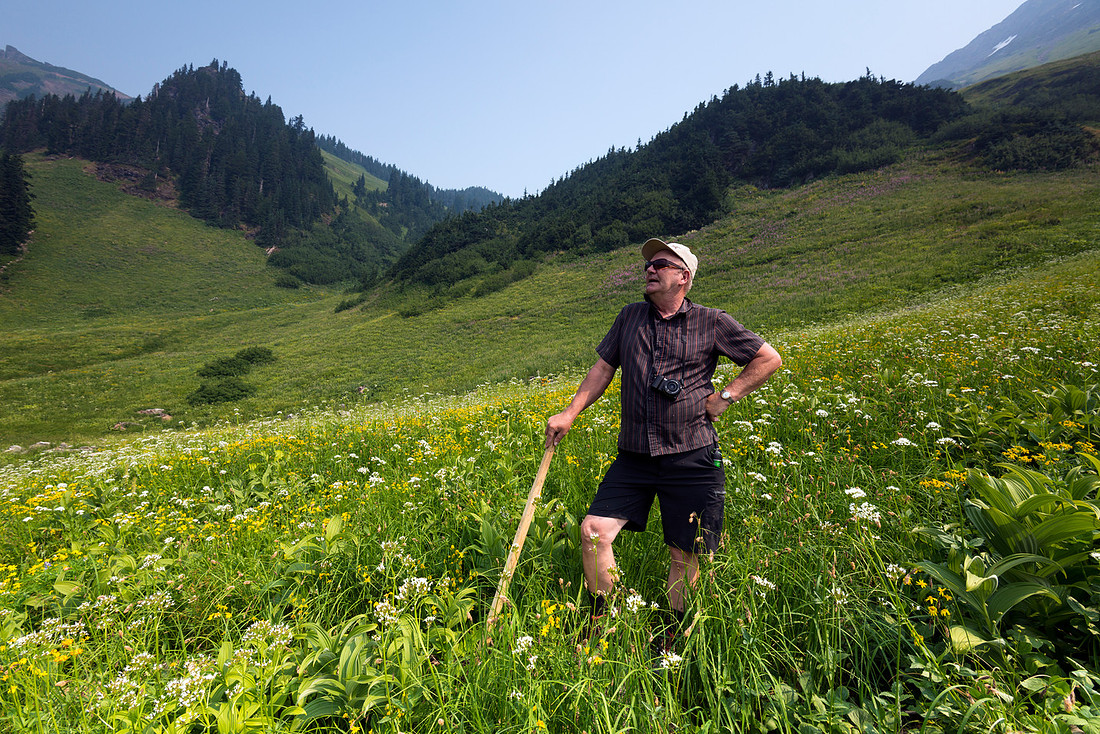
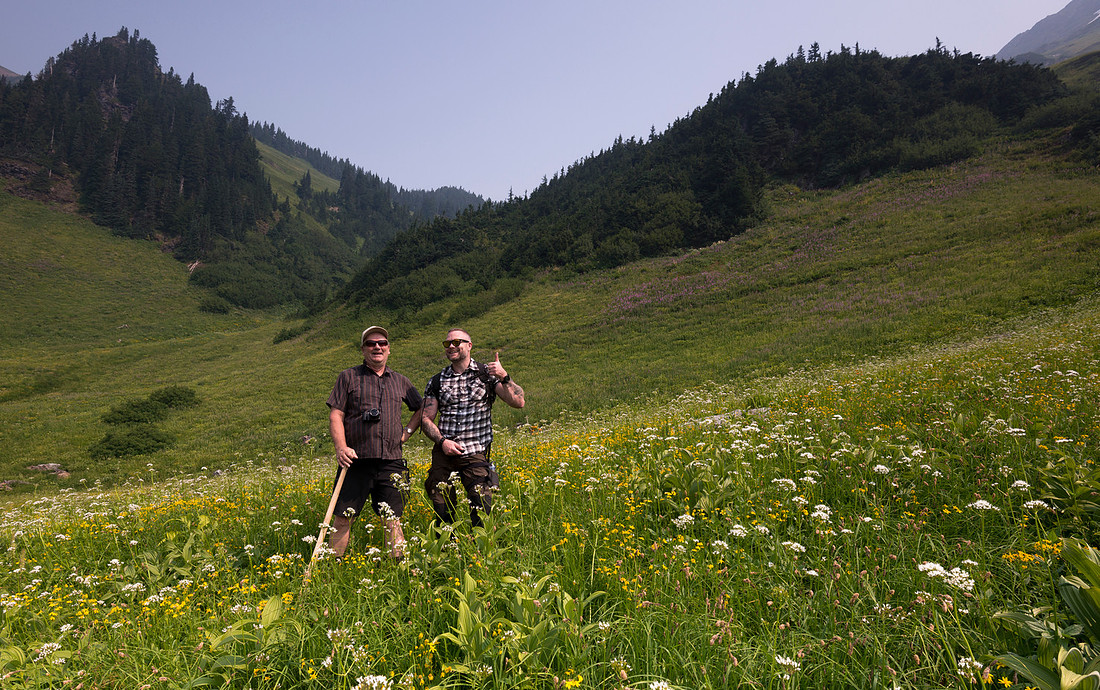
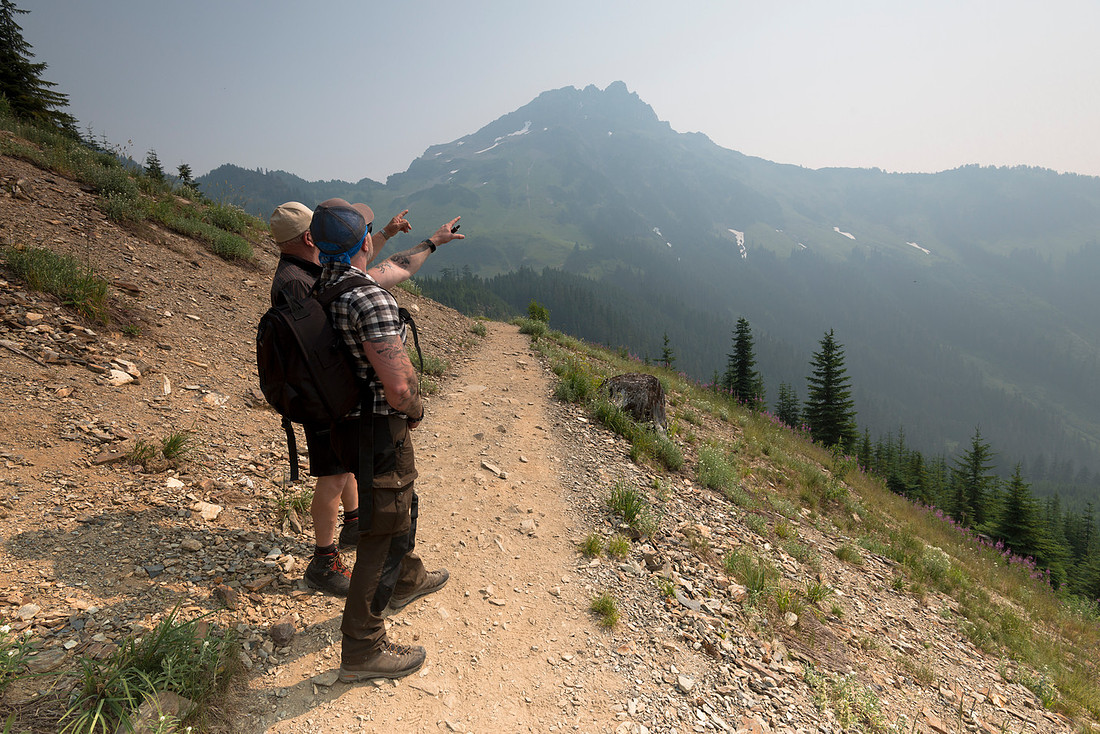
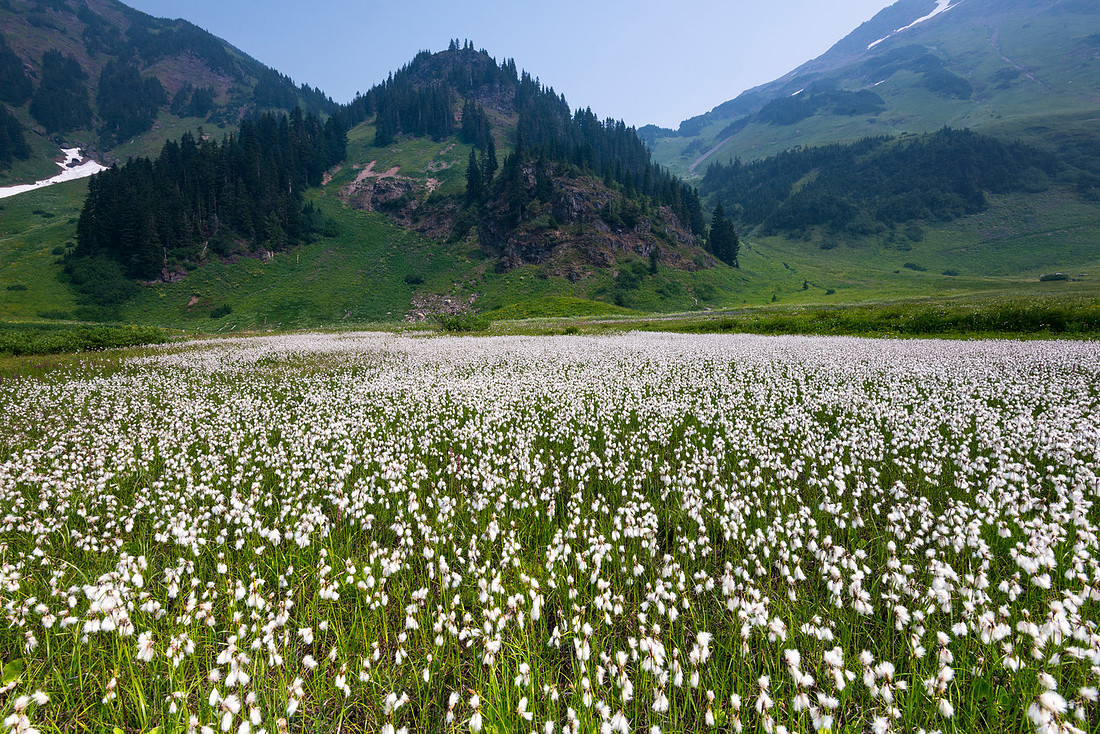
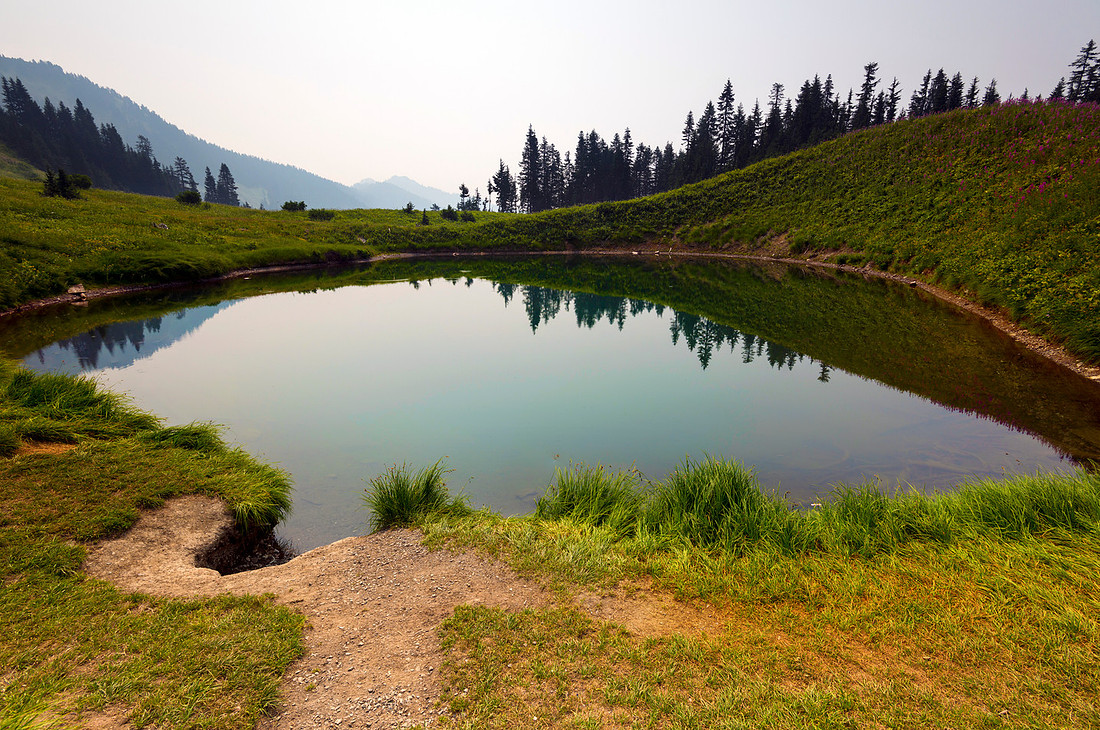
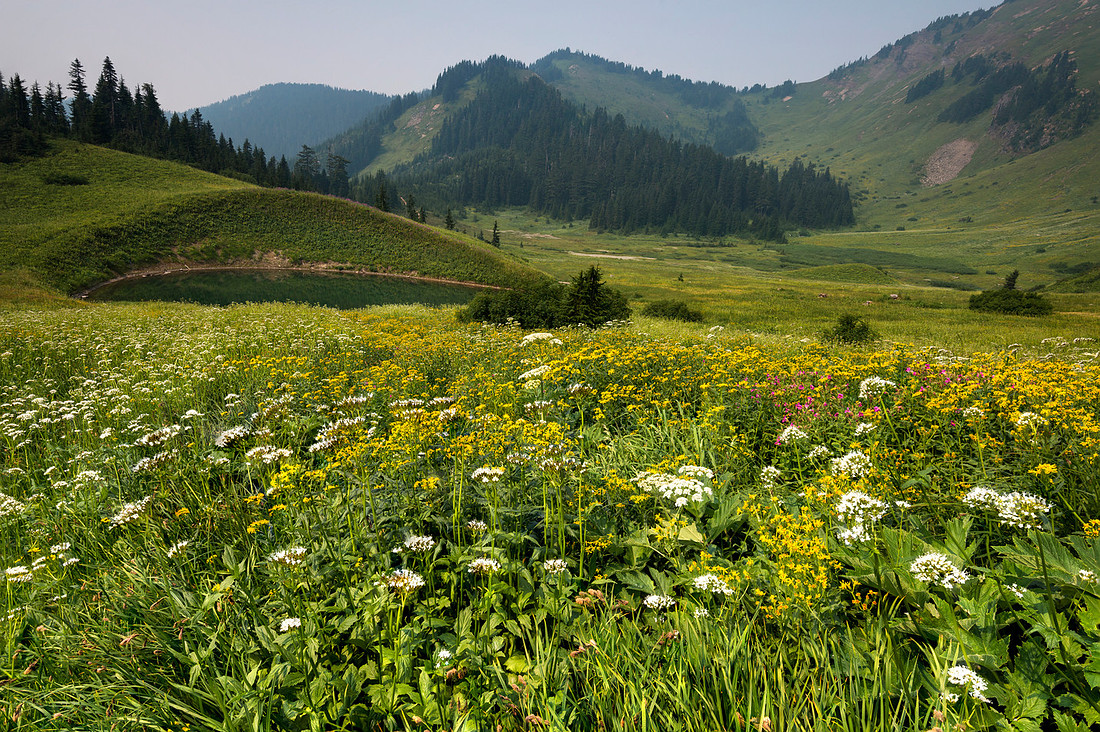
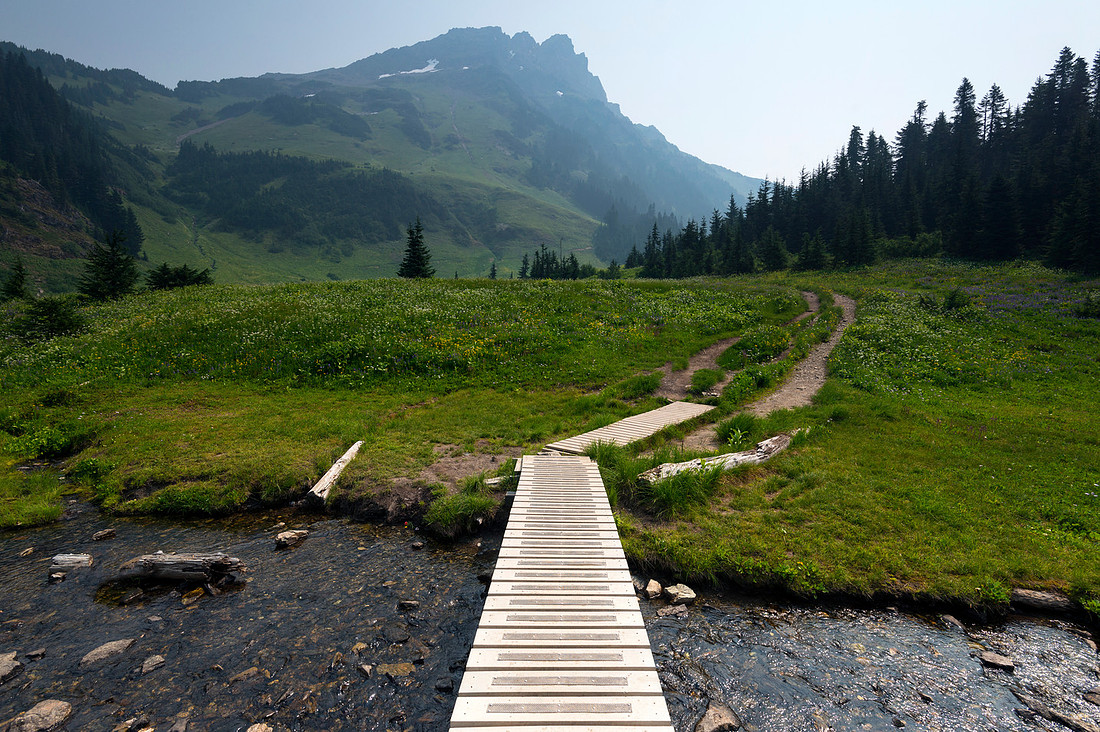

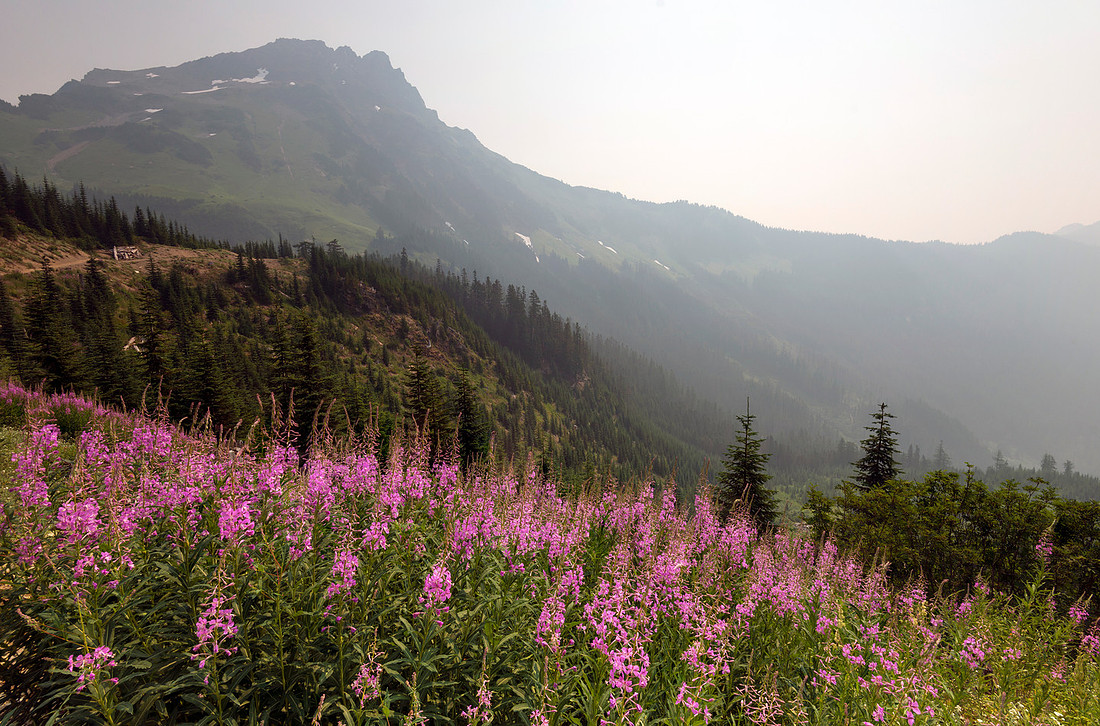
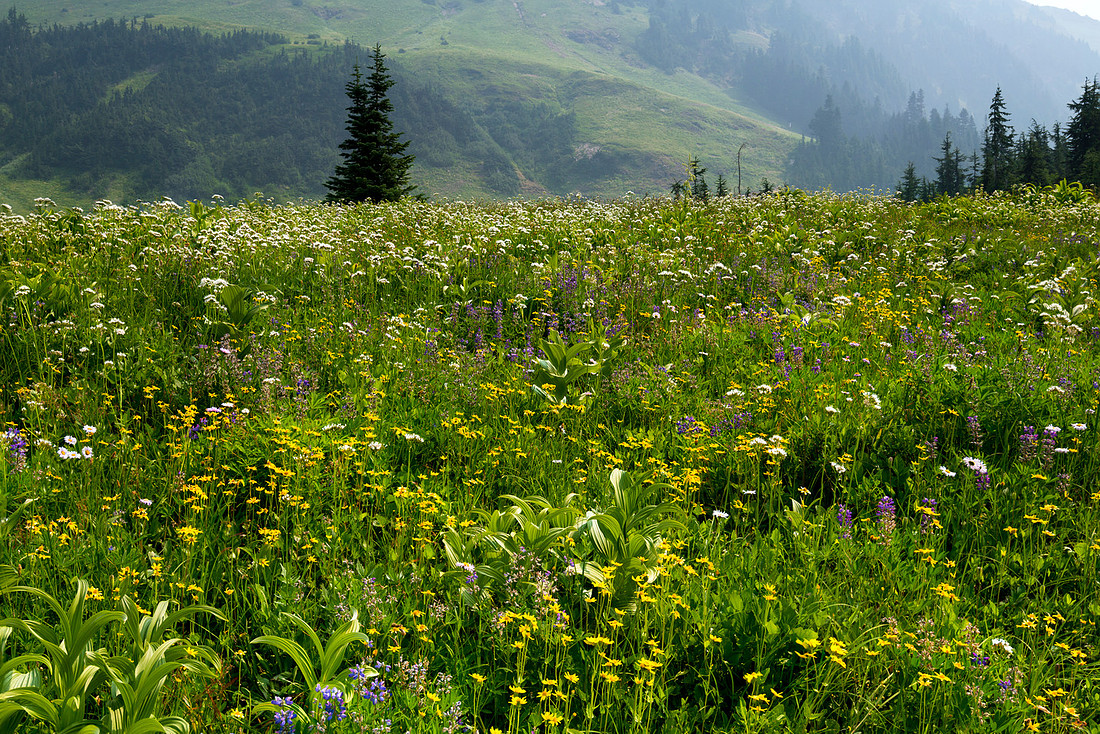
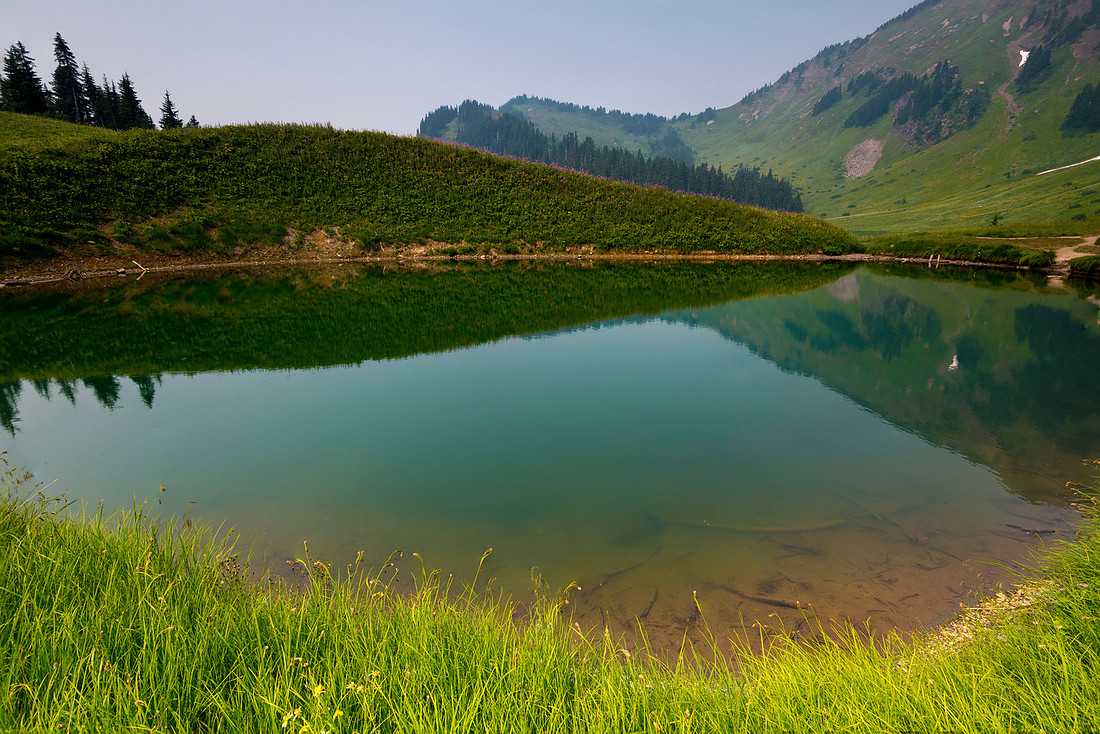
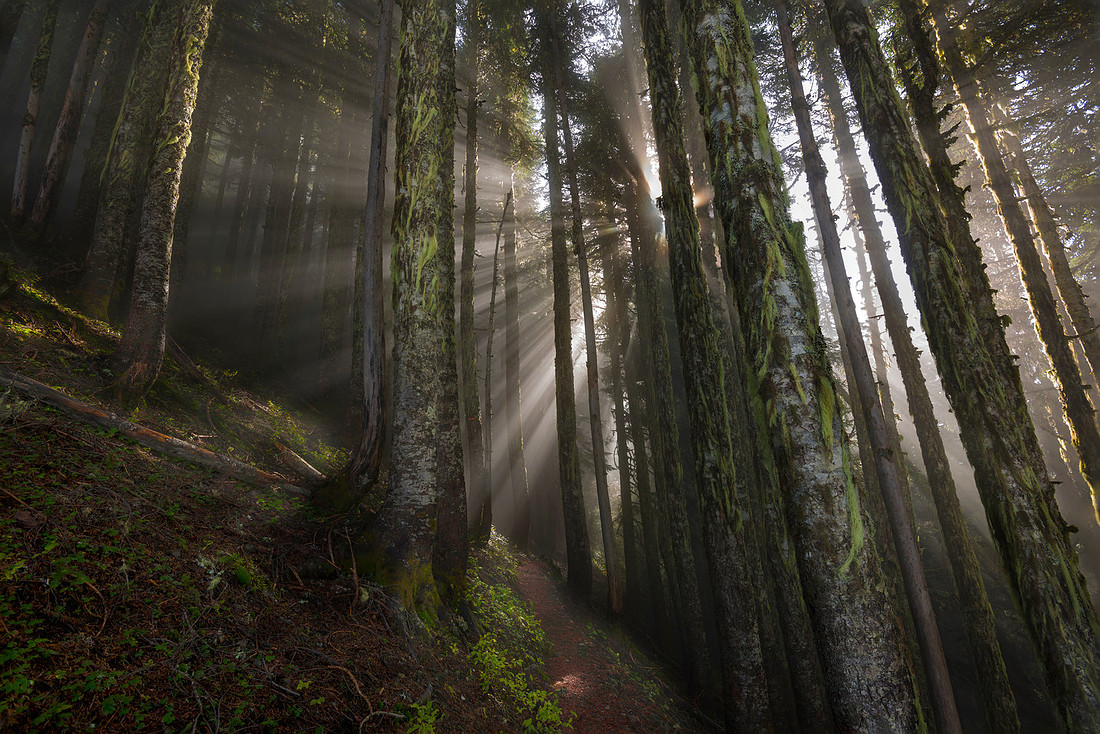
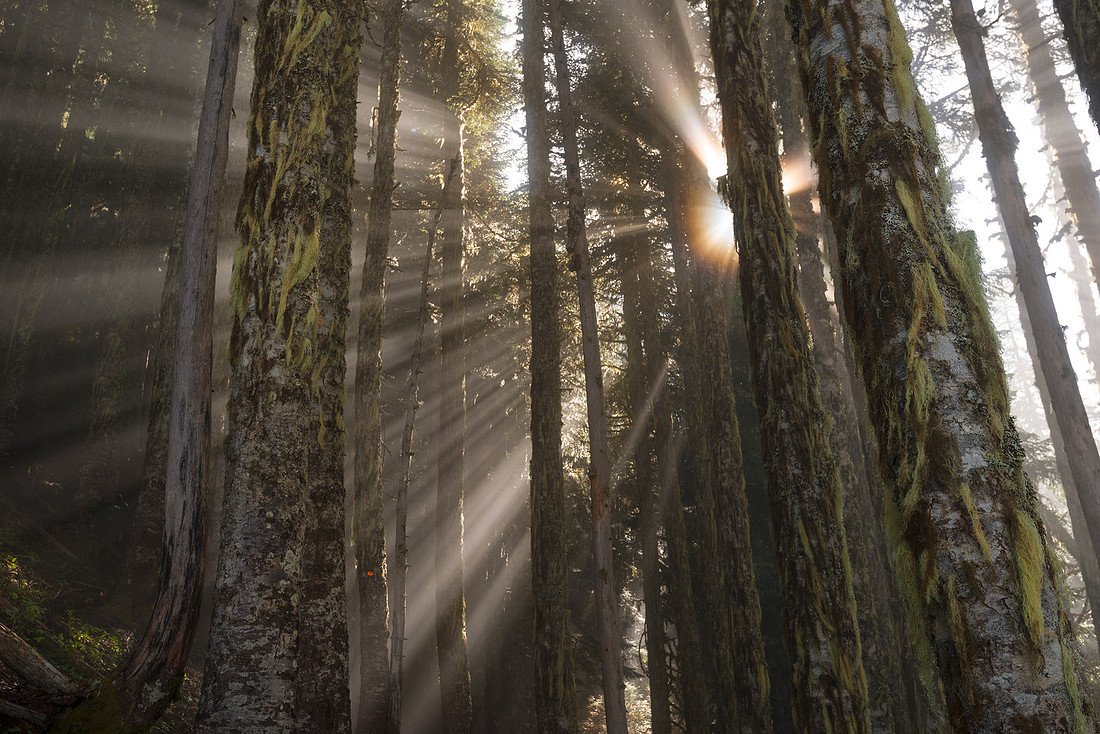
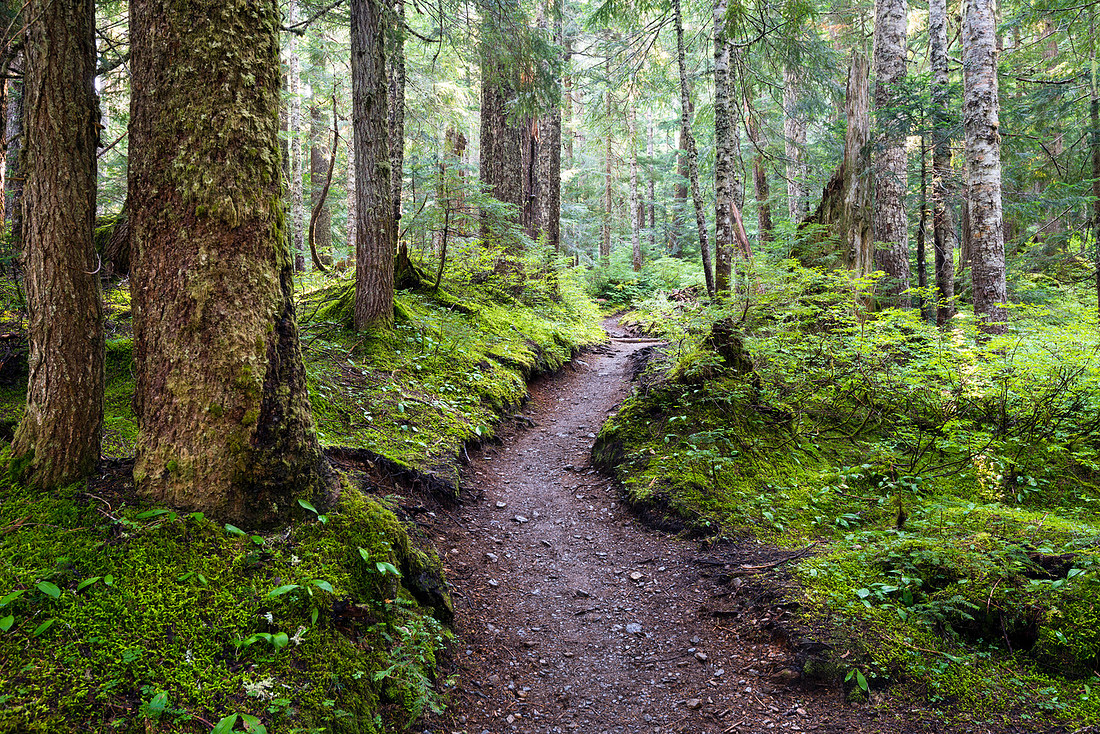
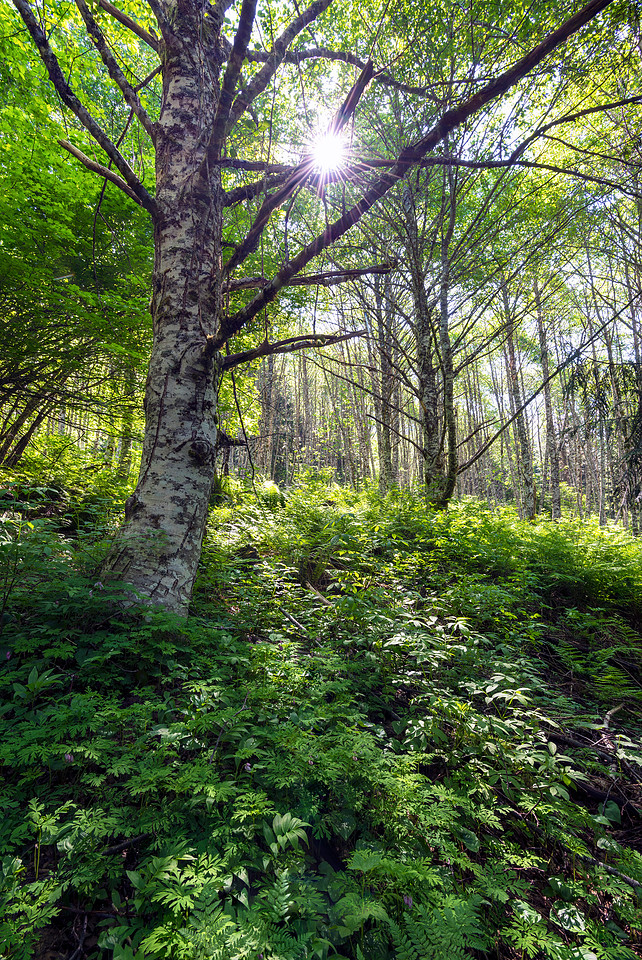
Enjoy!!
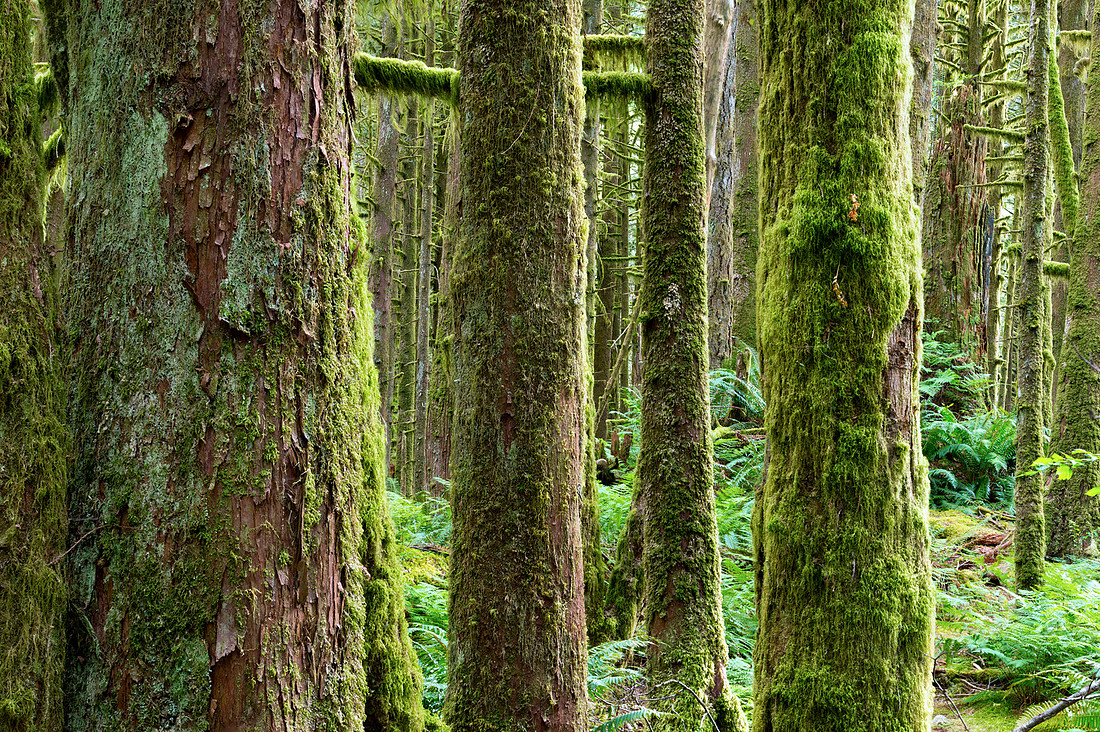
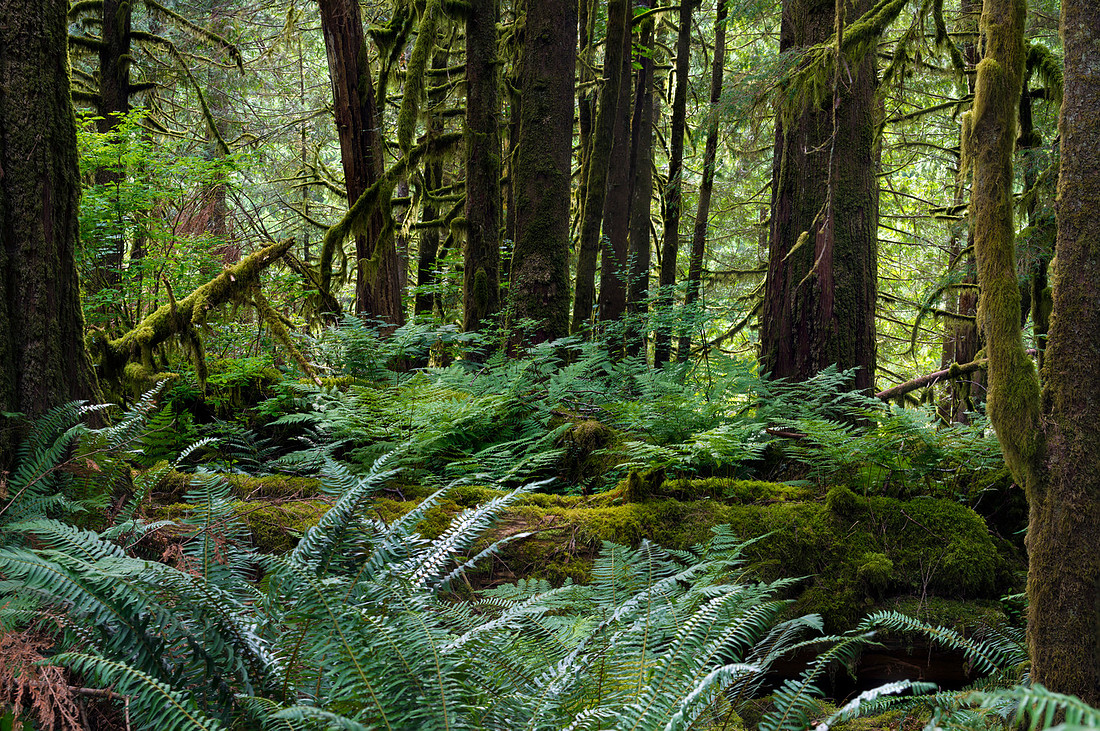
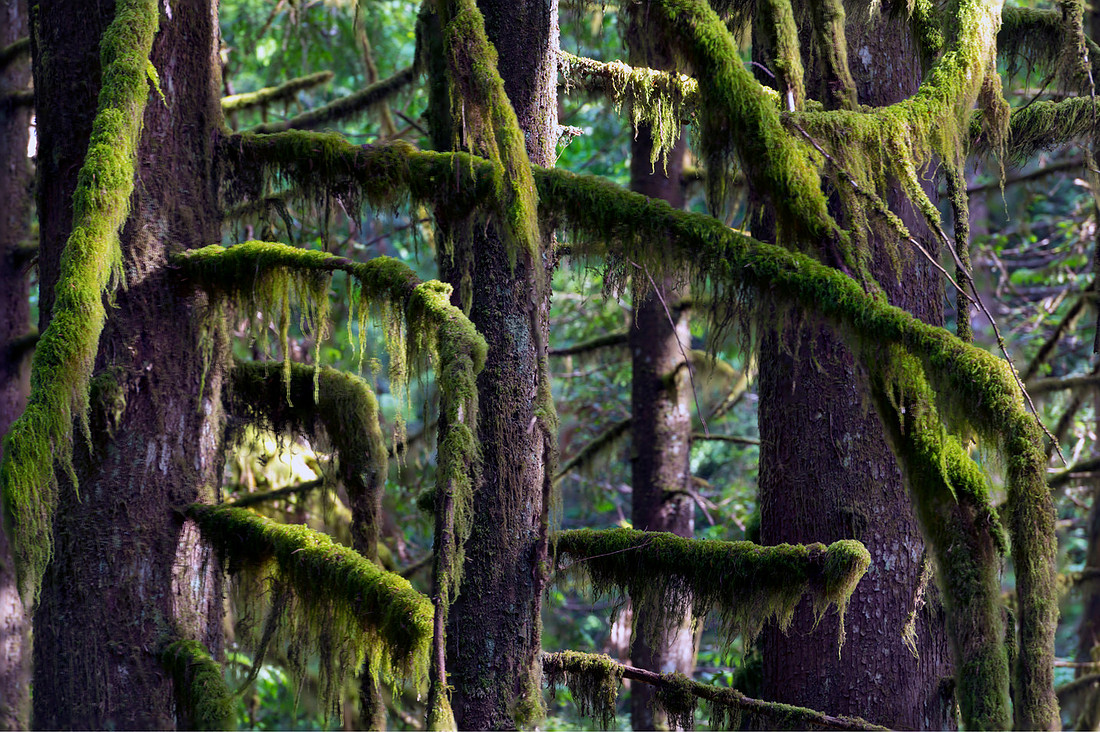
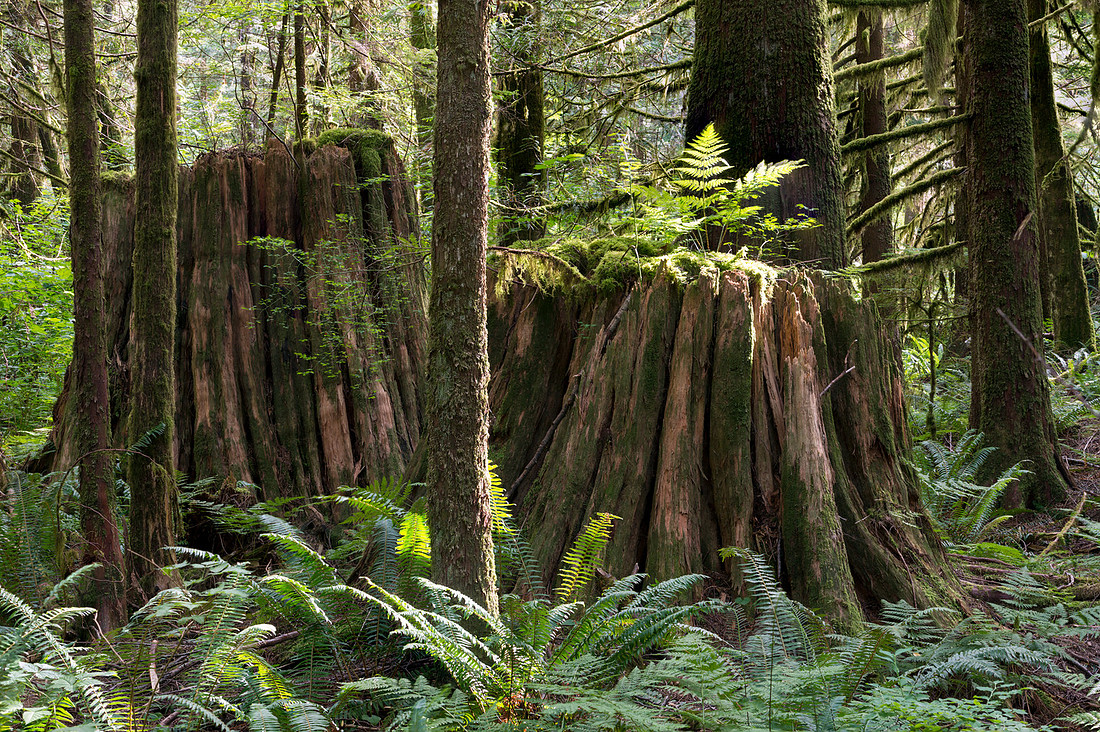
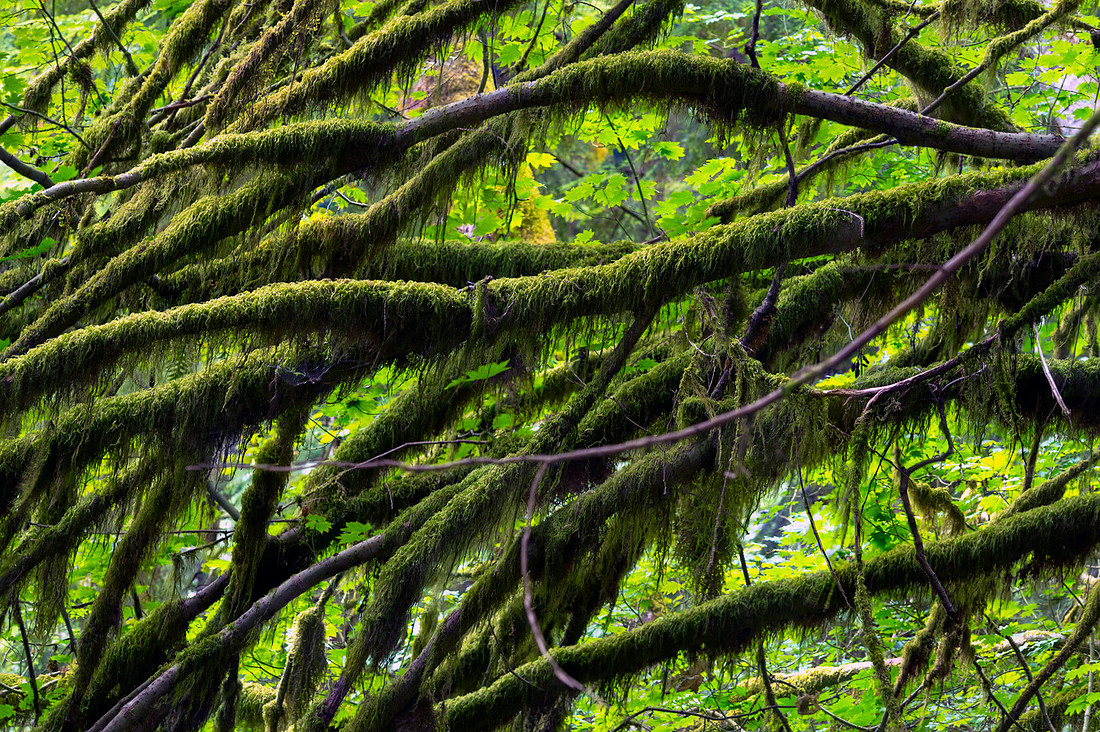
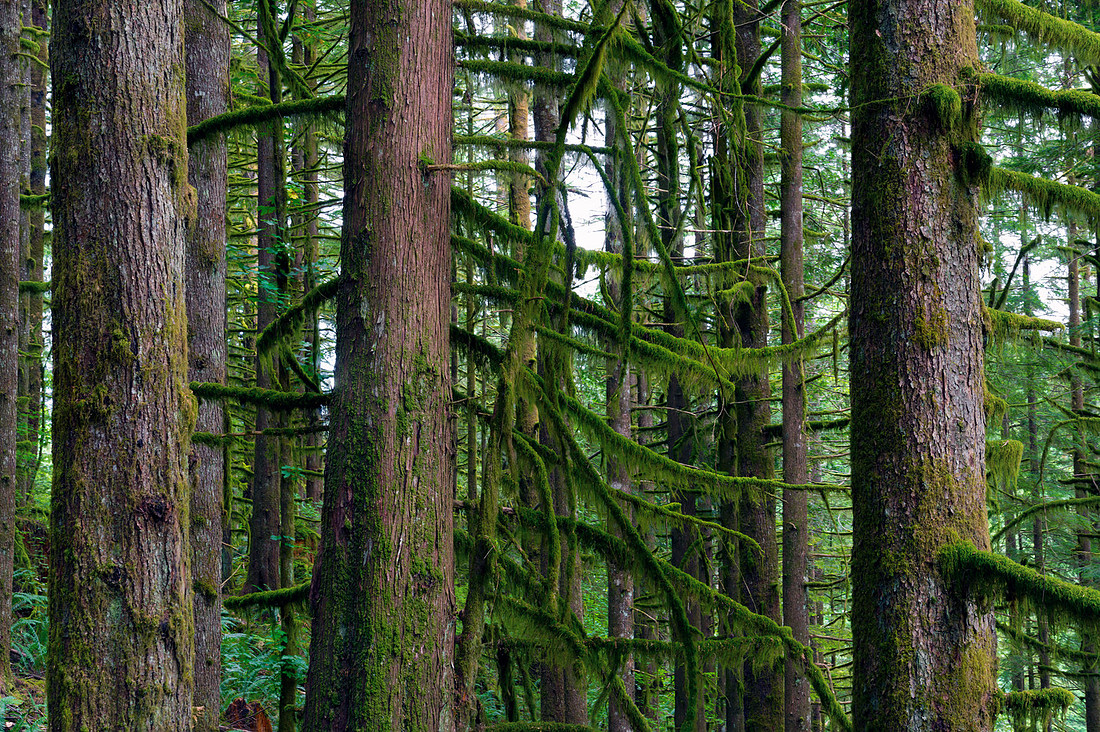
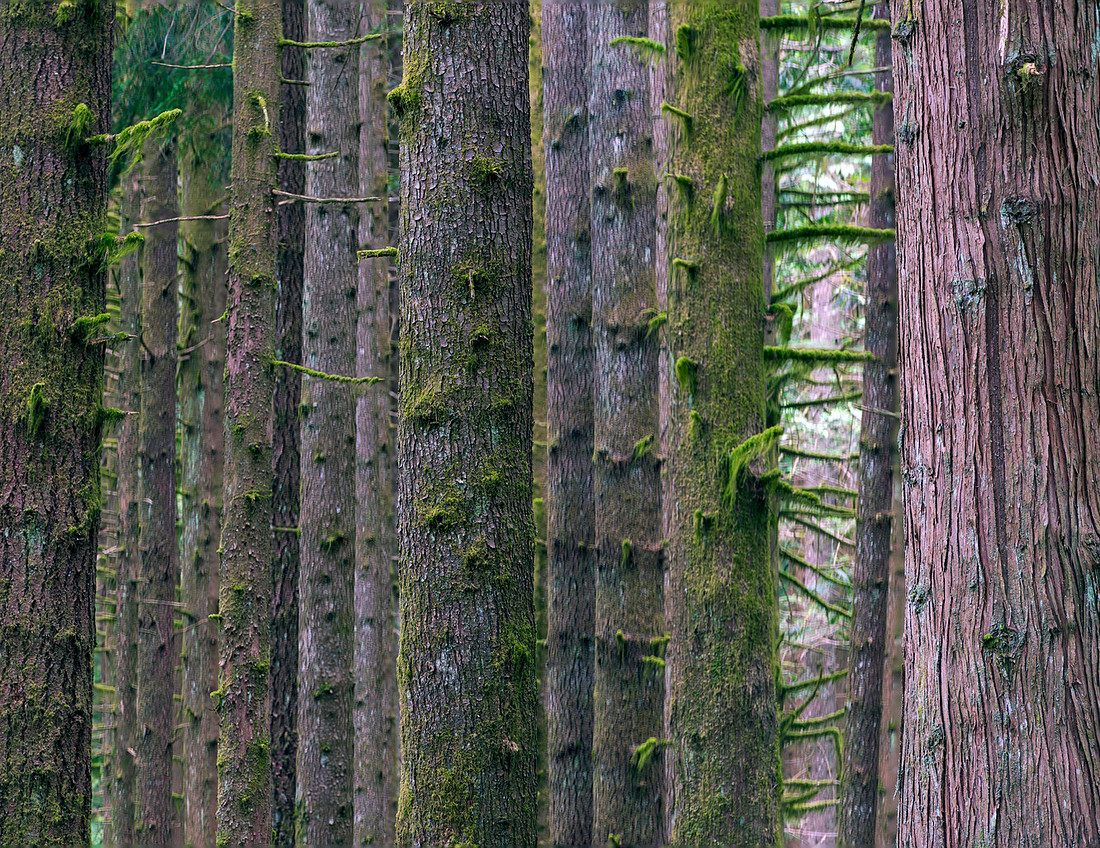
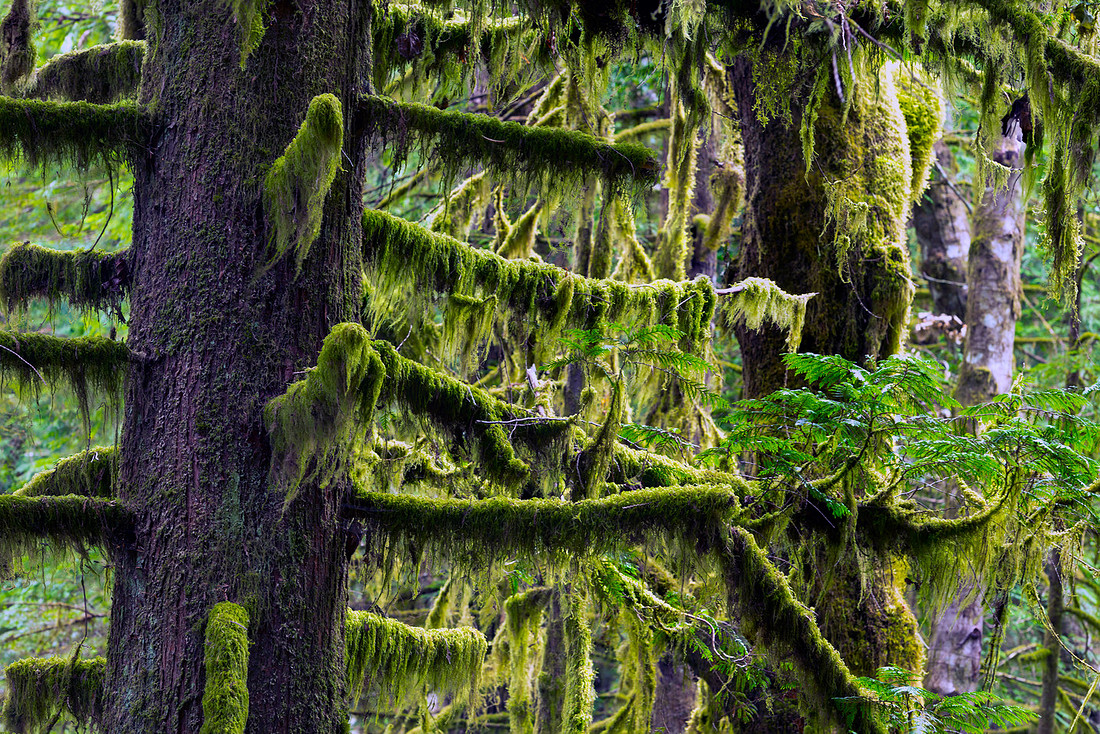

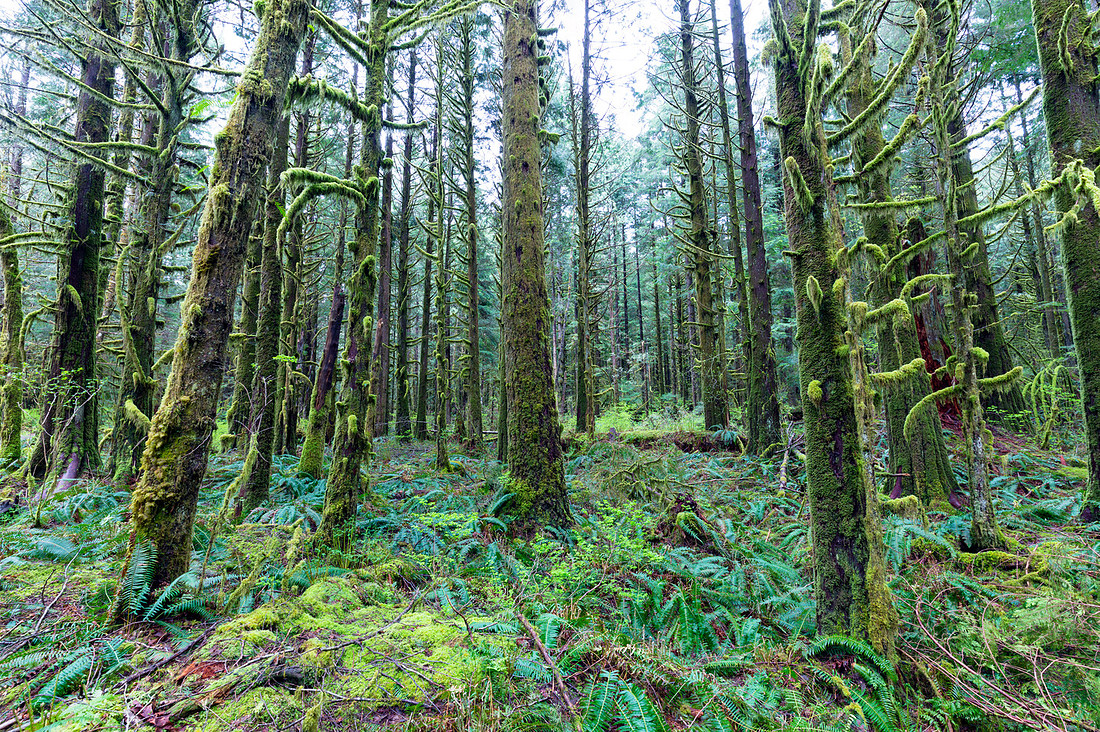
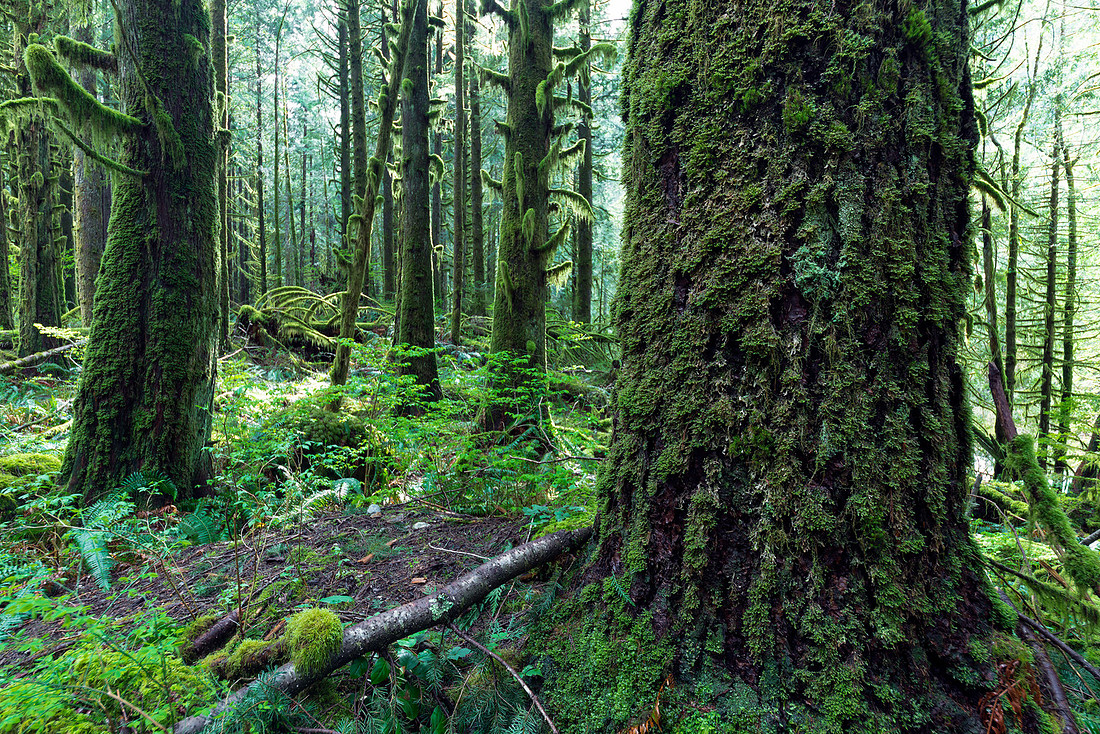
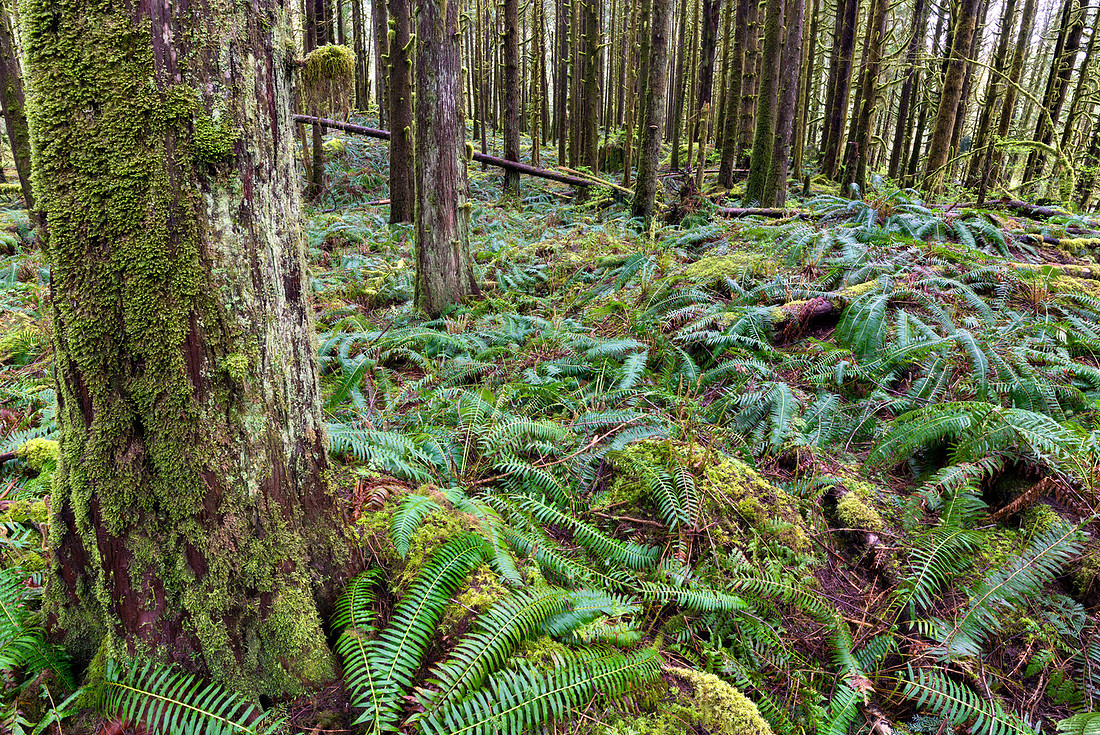
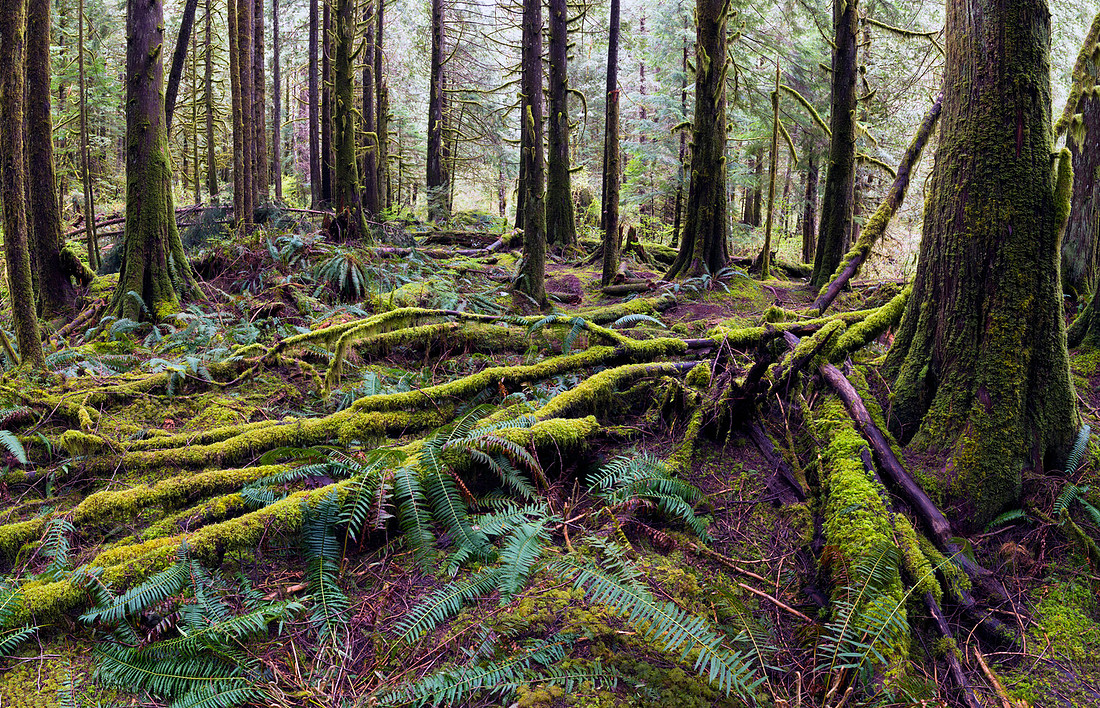
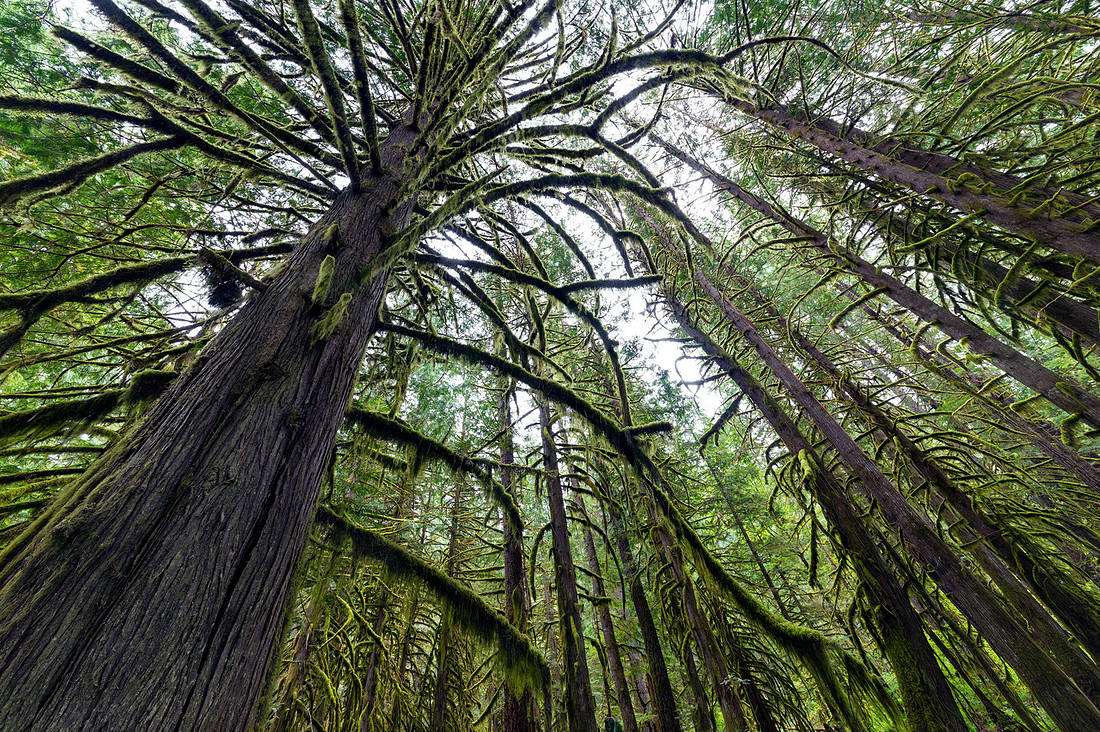
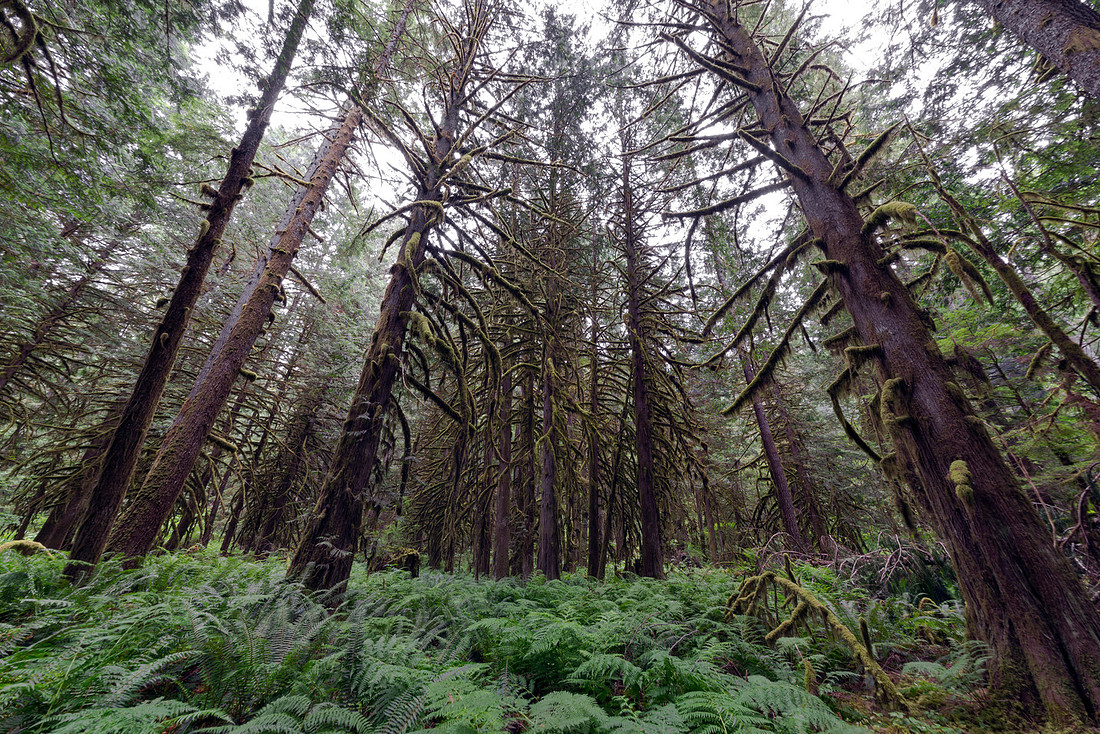
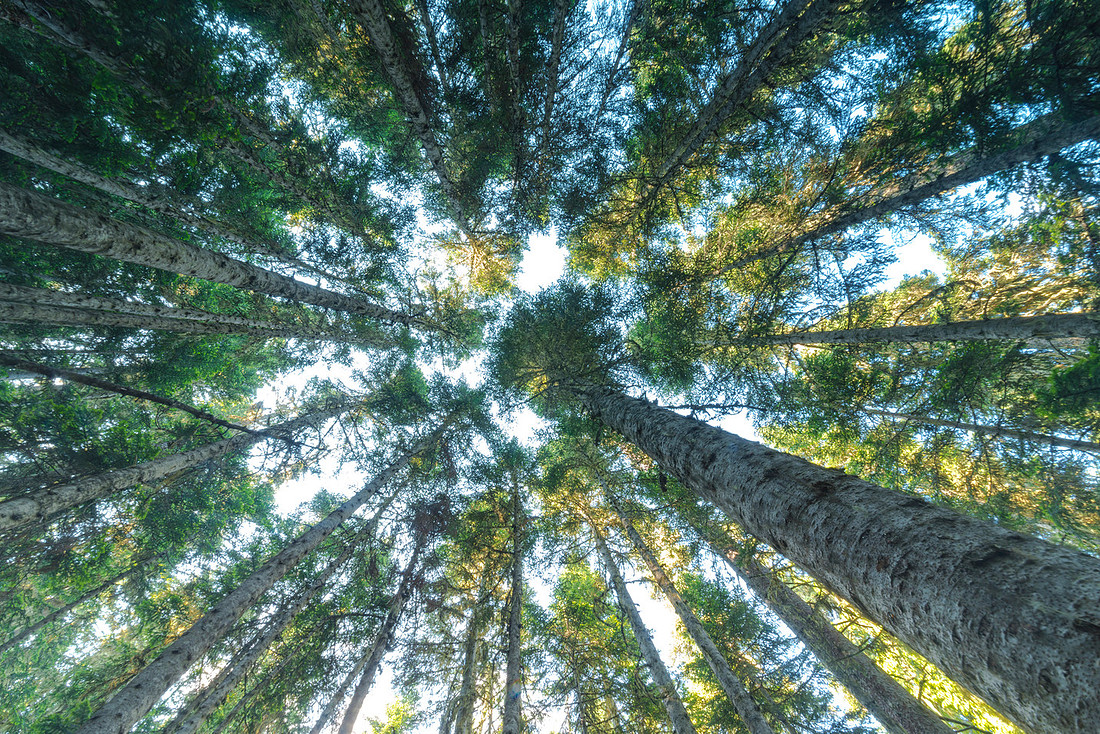
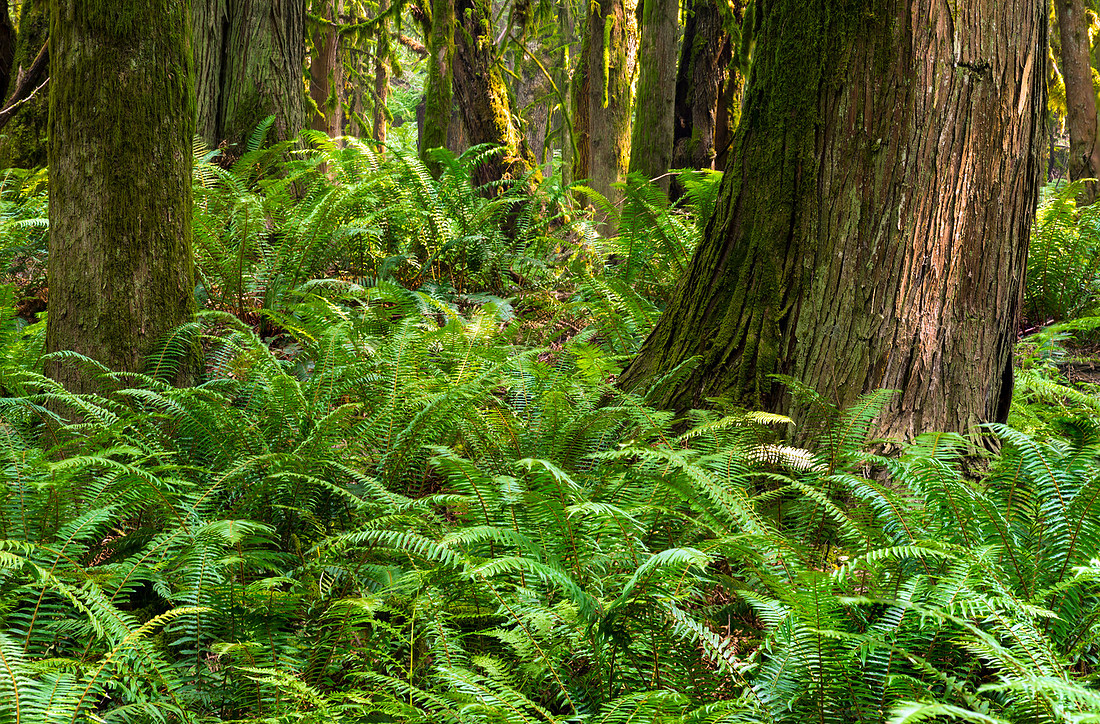
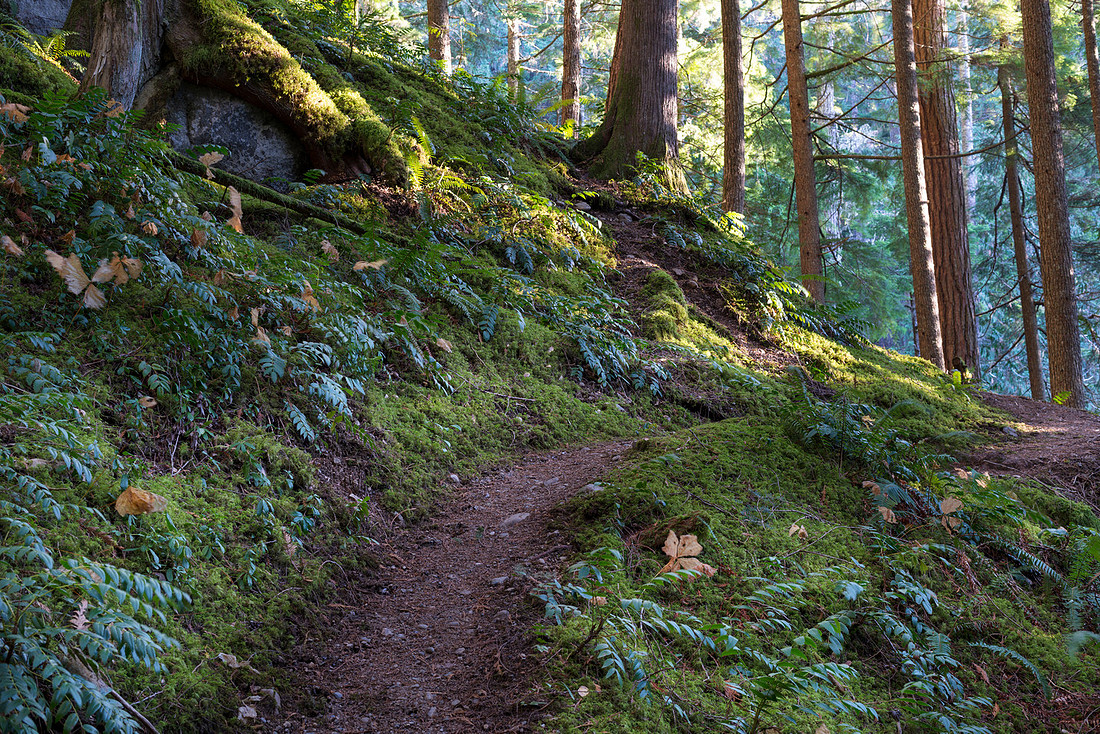
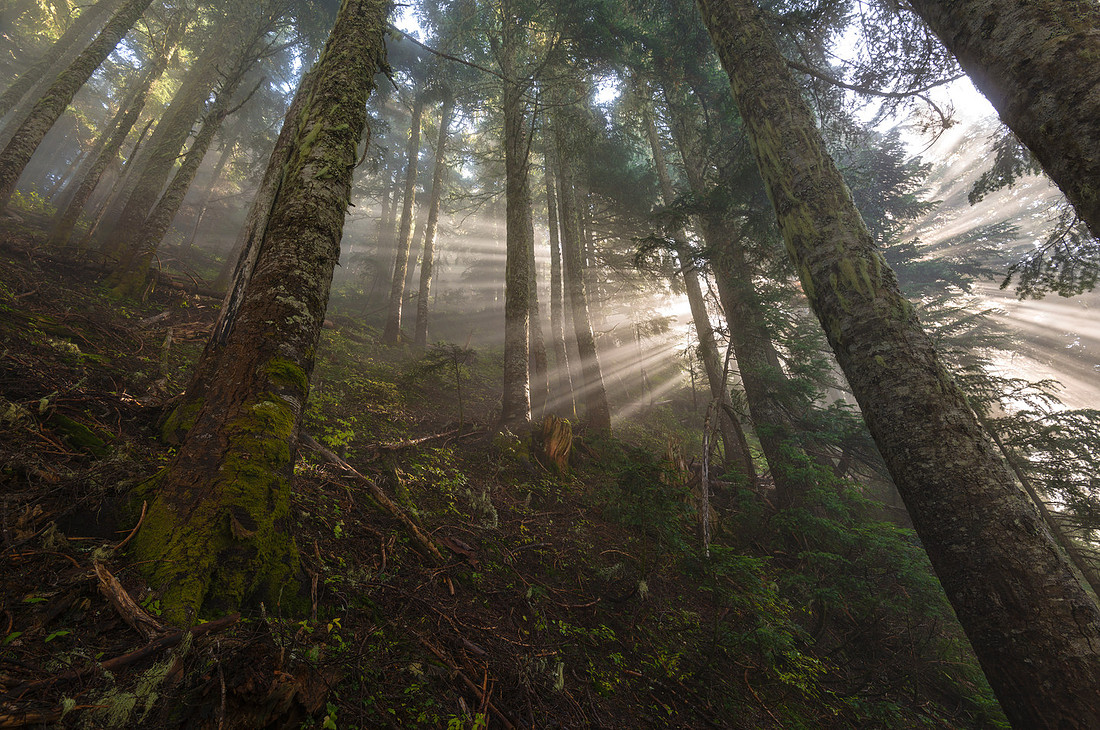
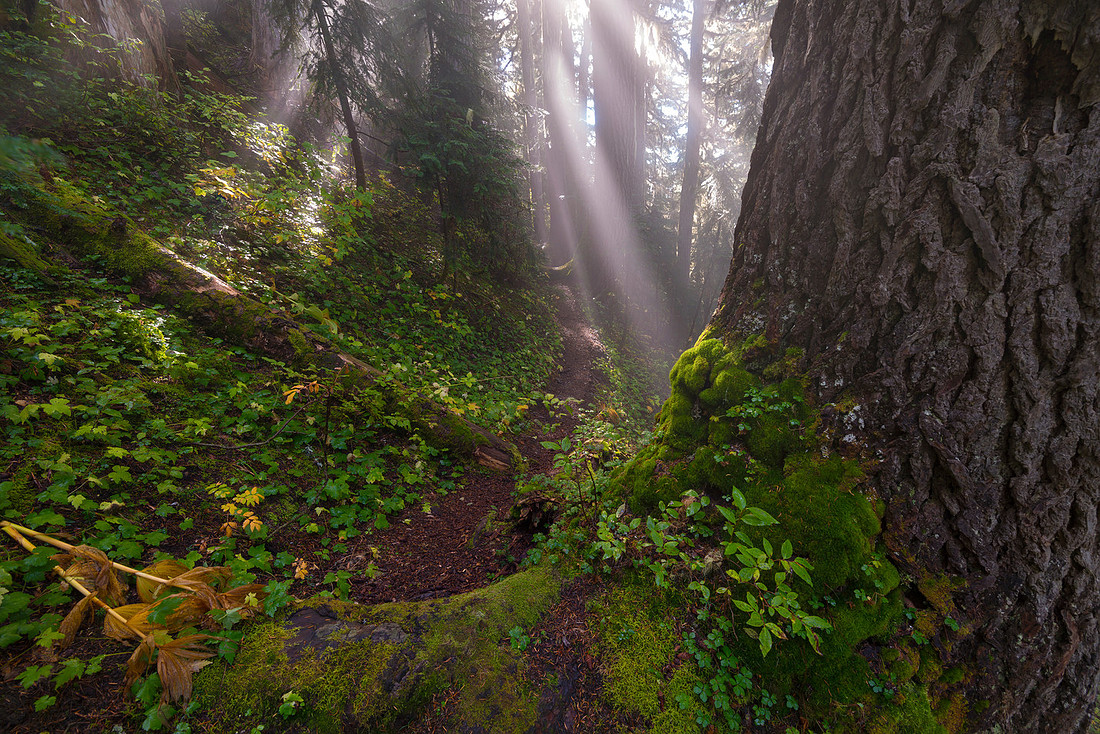
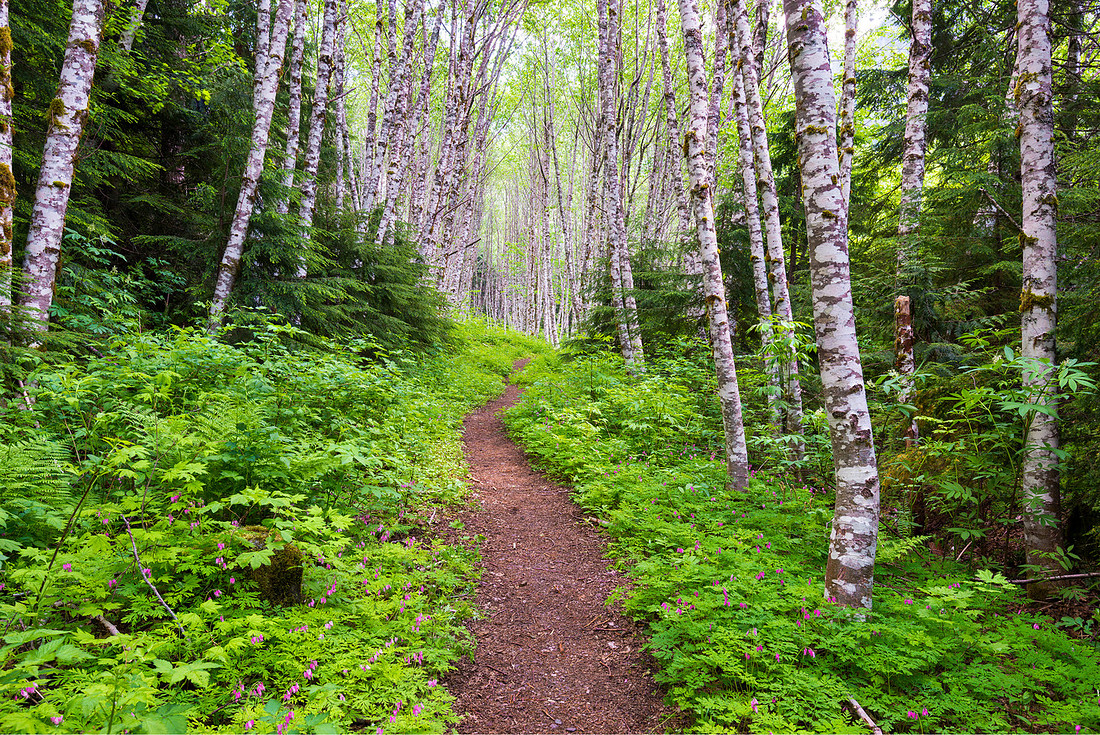
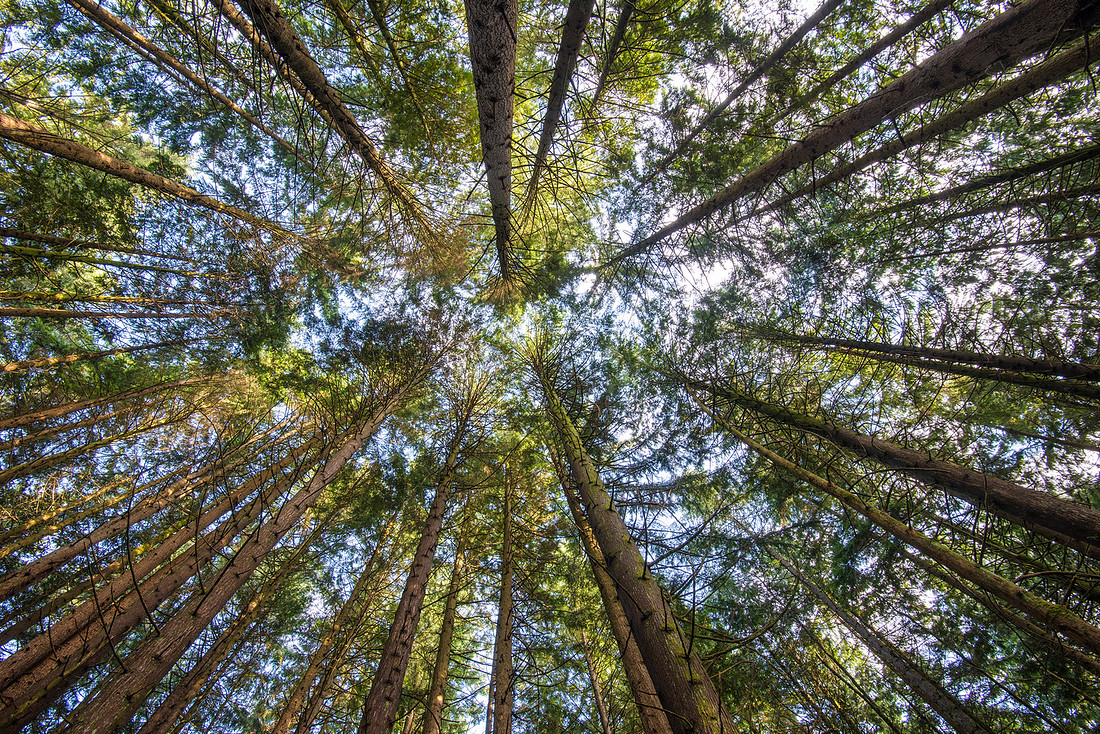

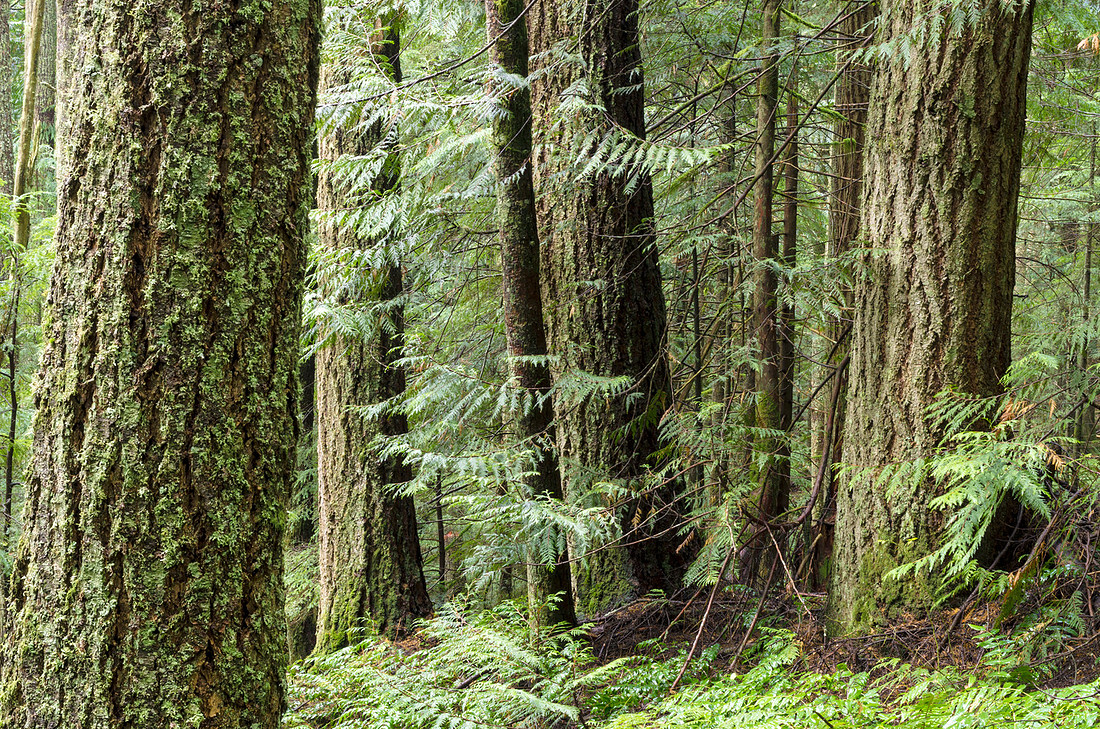
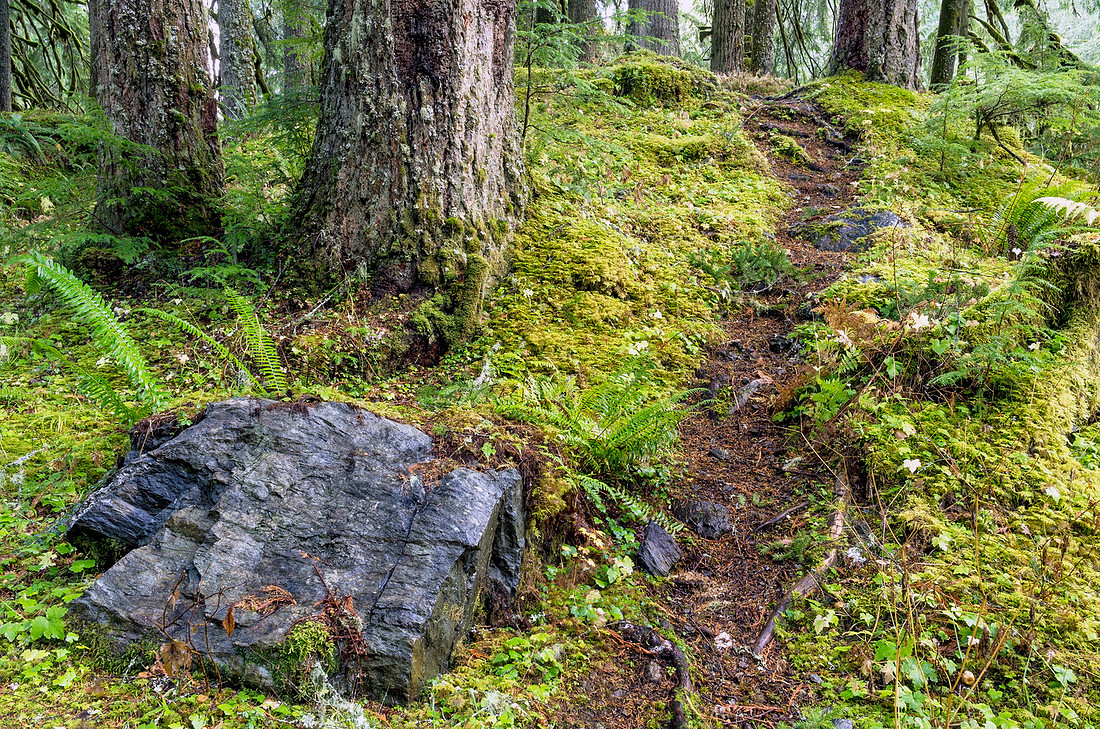
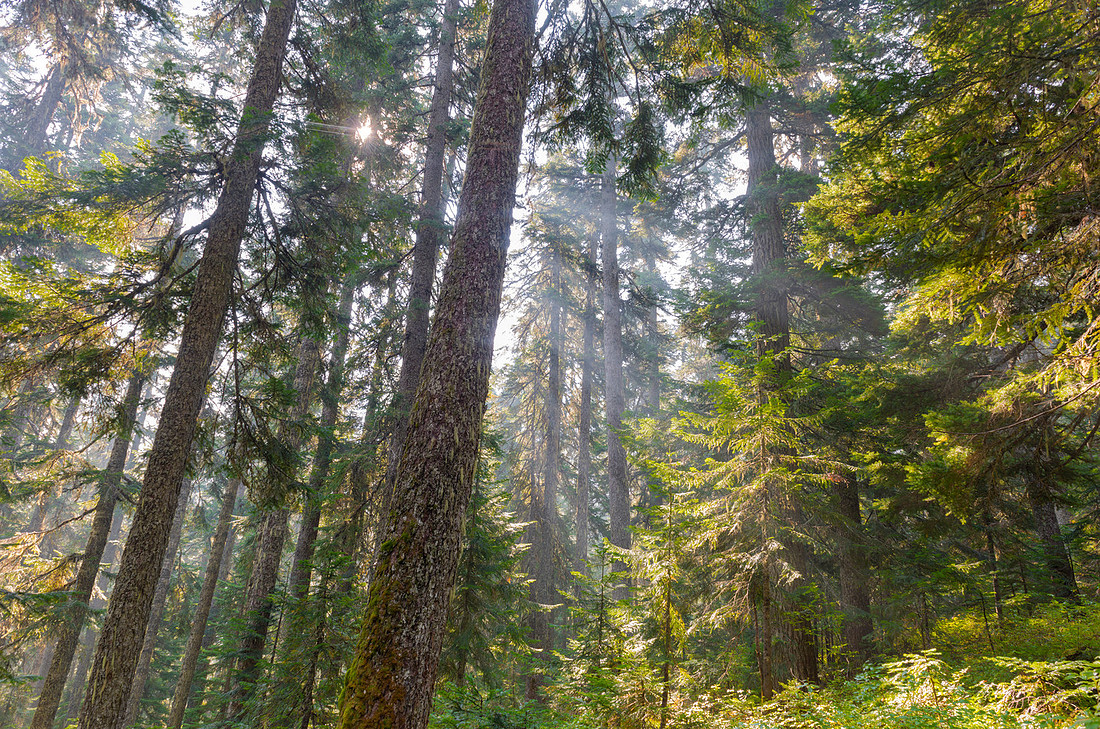
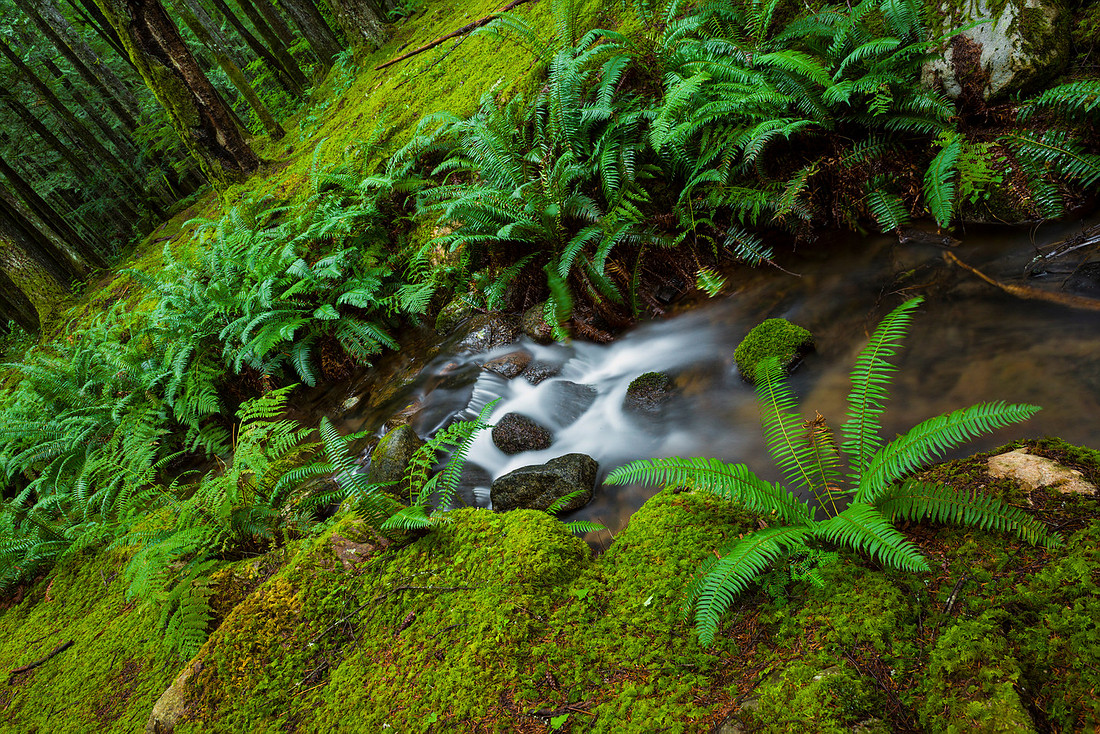

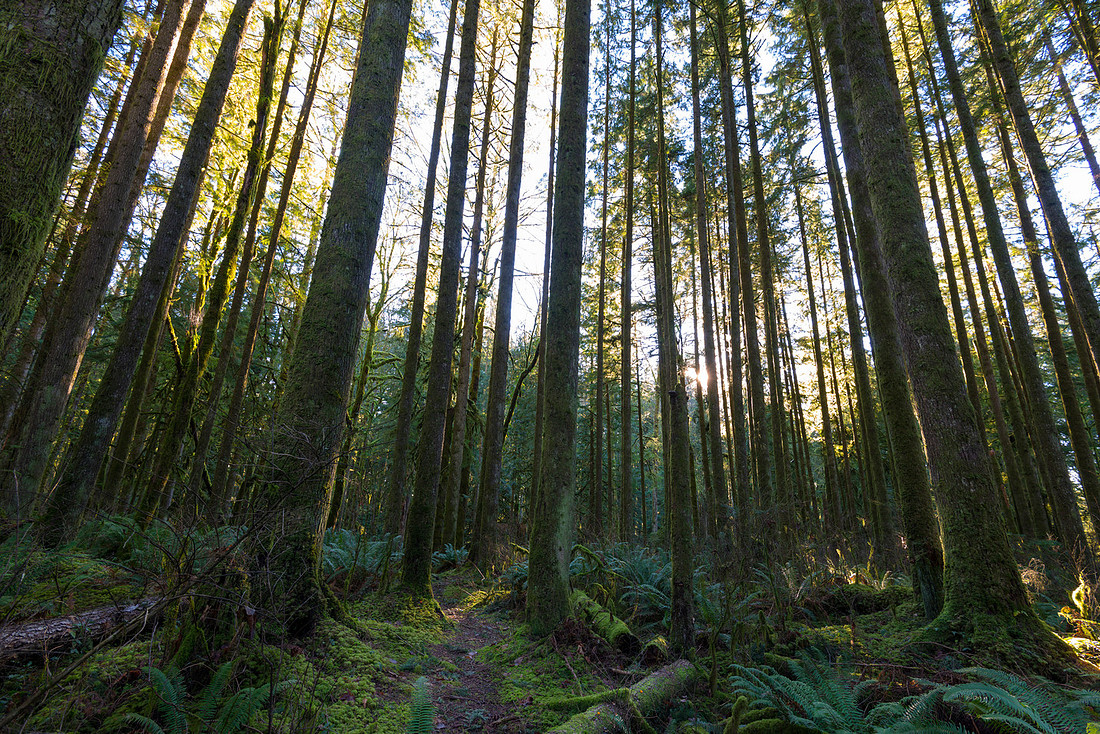
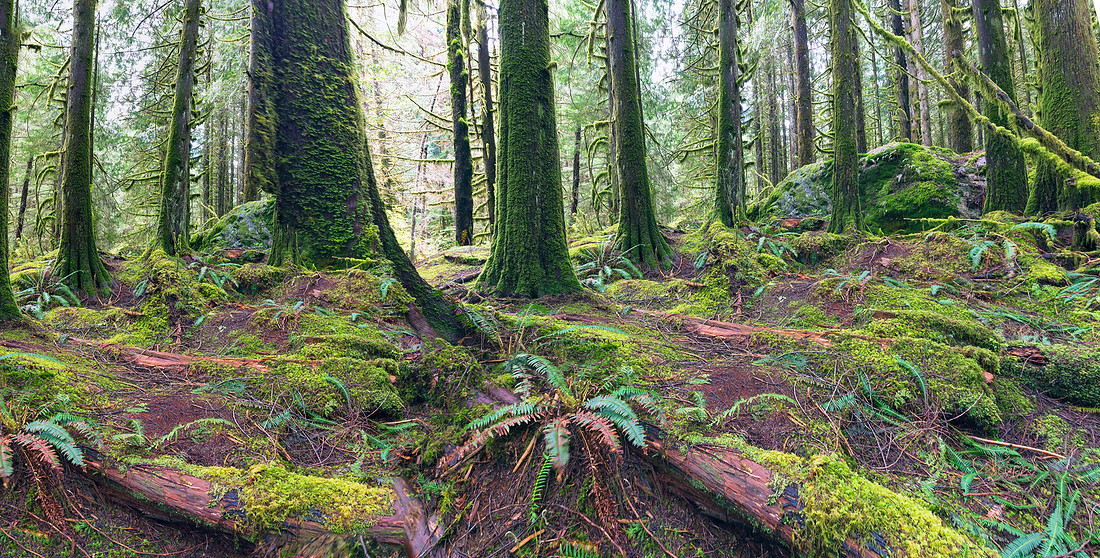
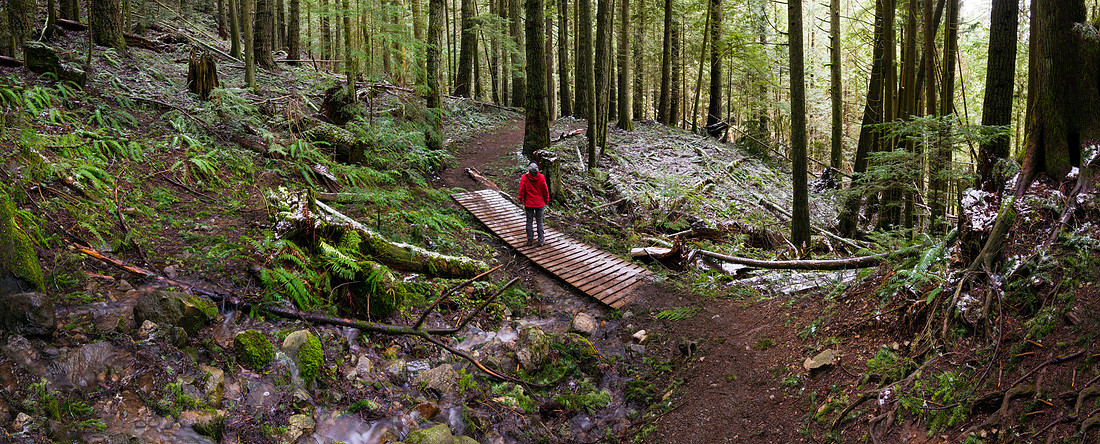
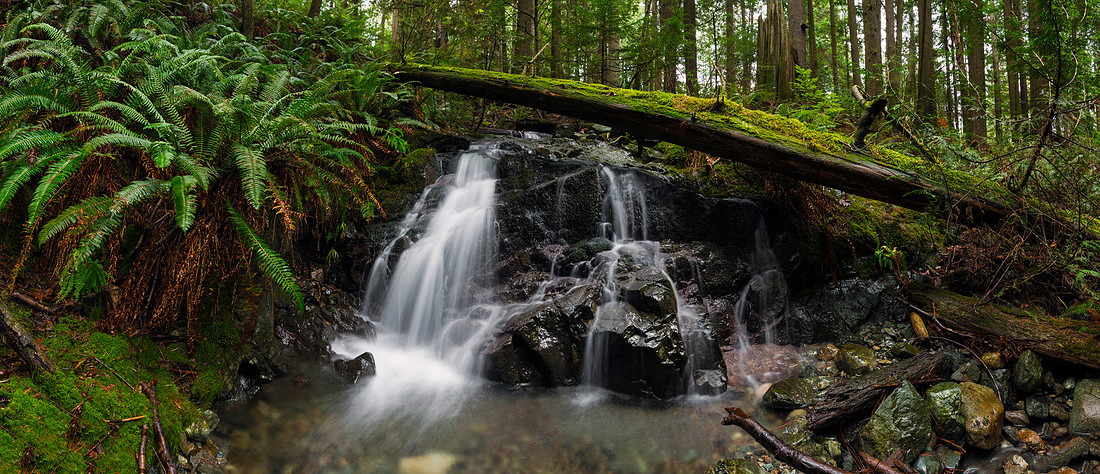
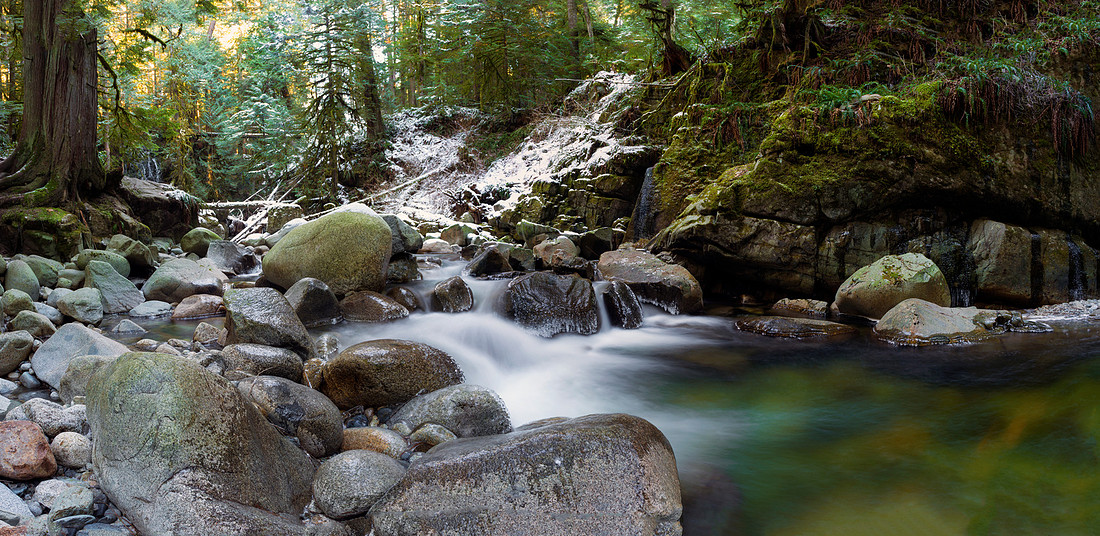
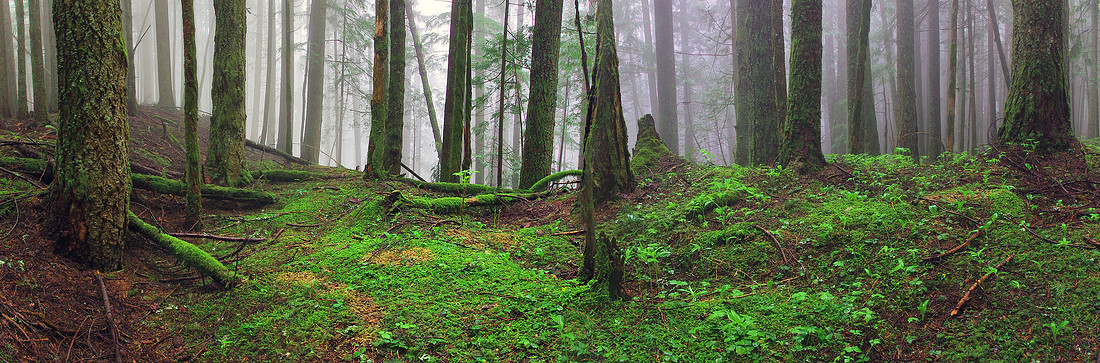

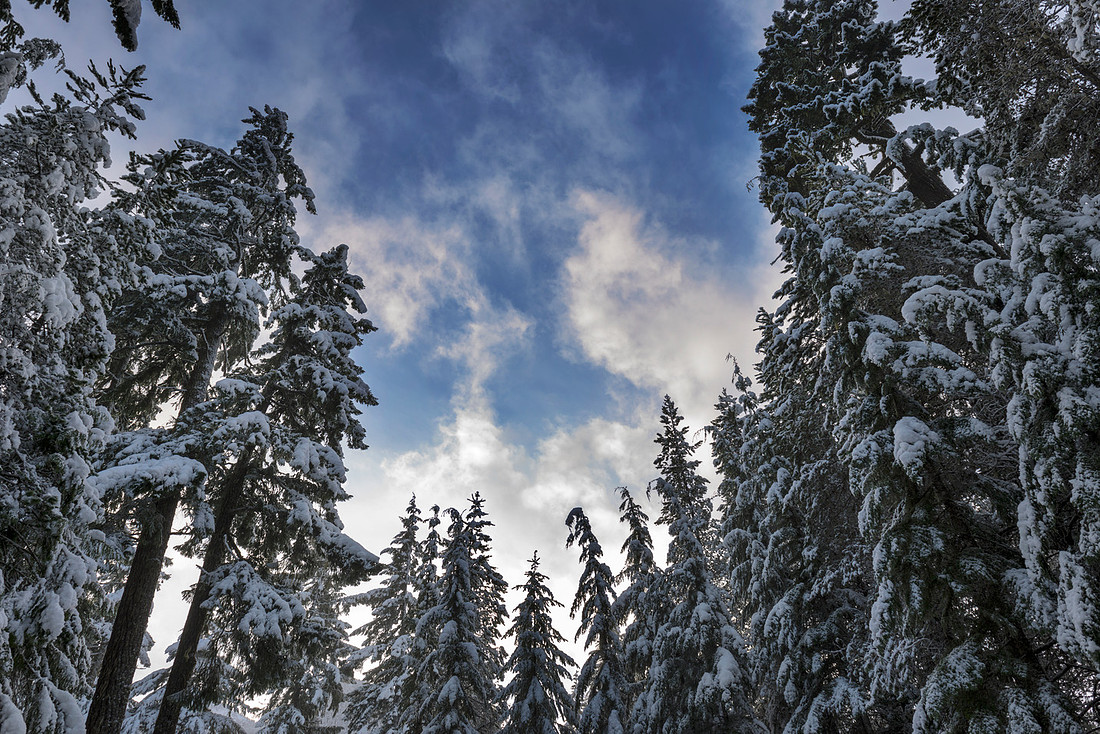
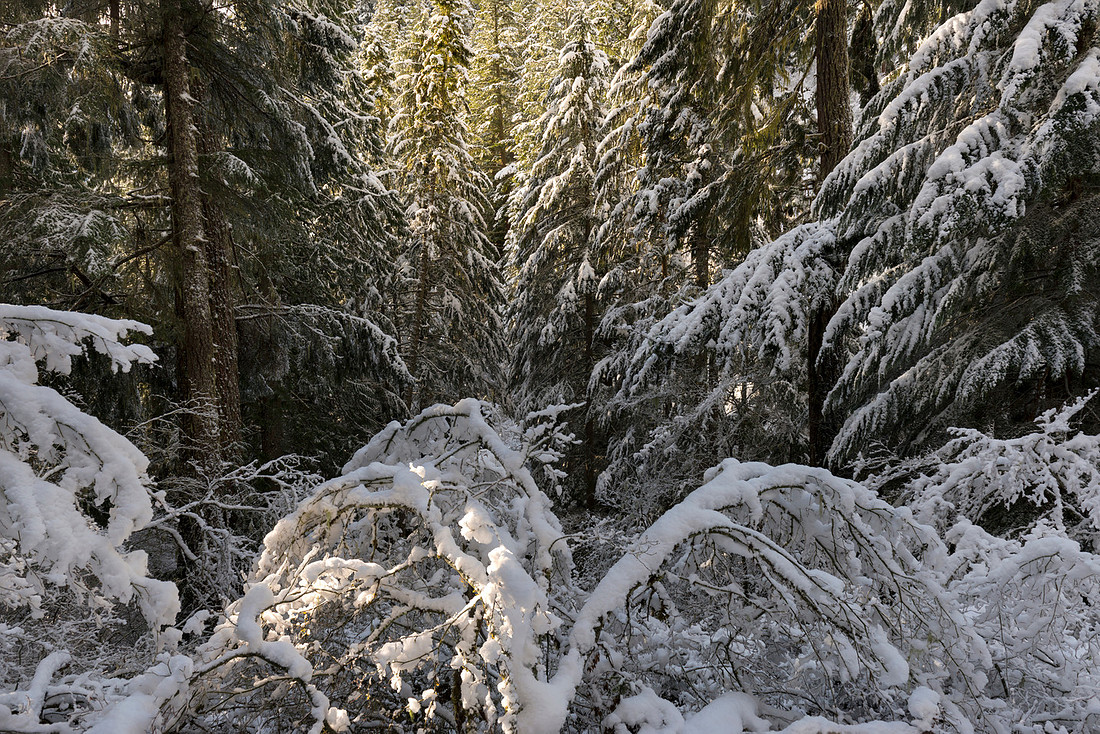
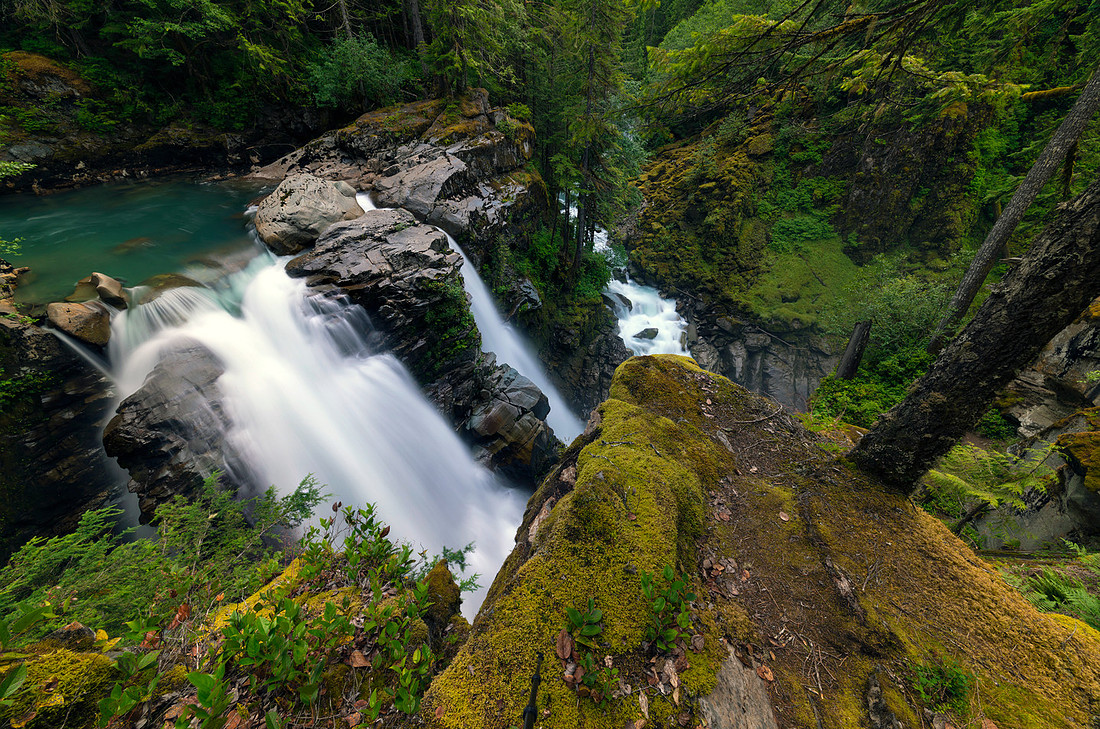
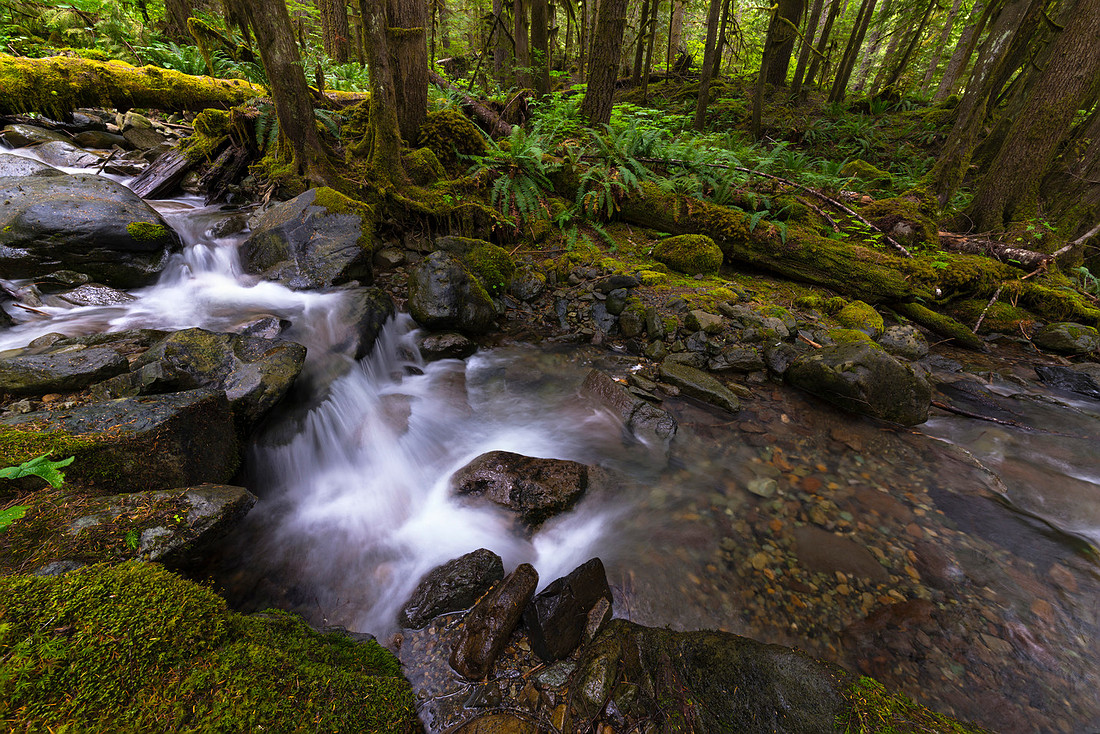
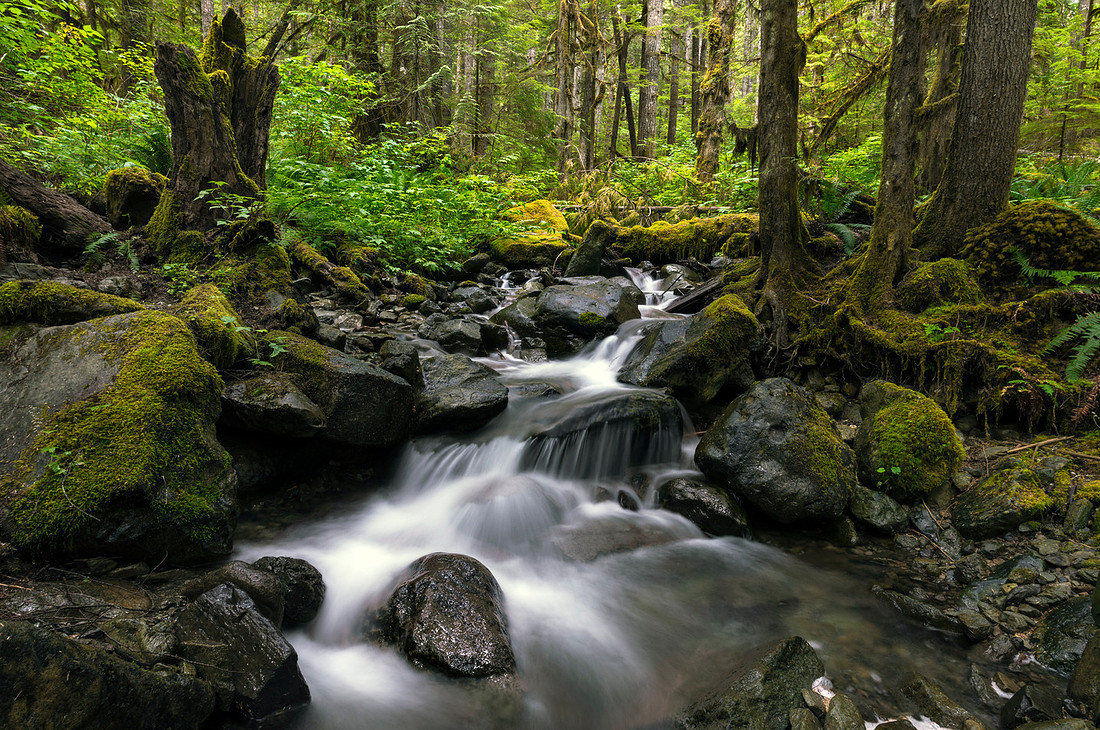
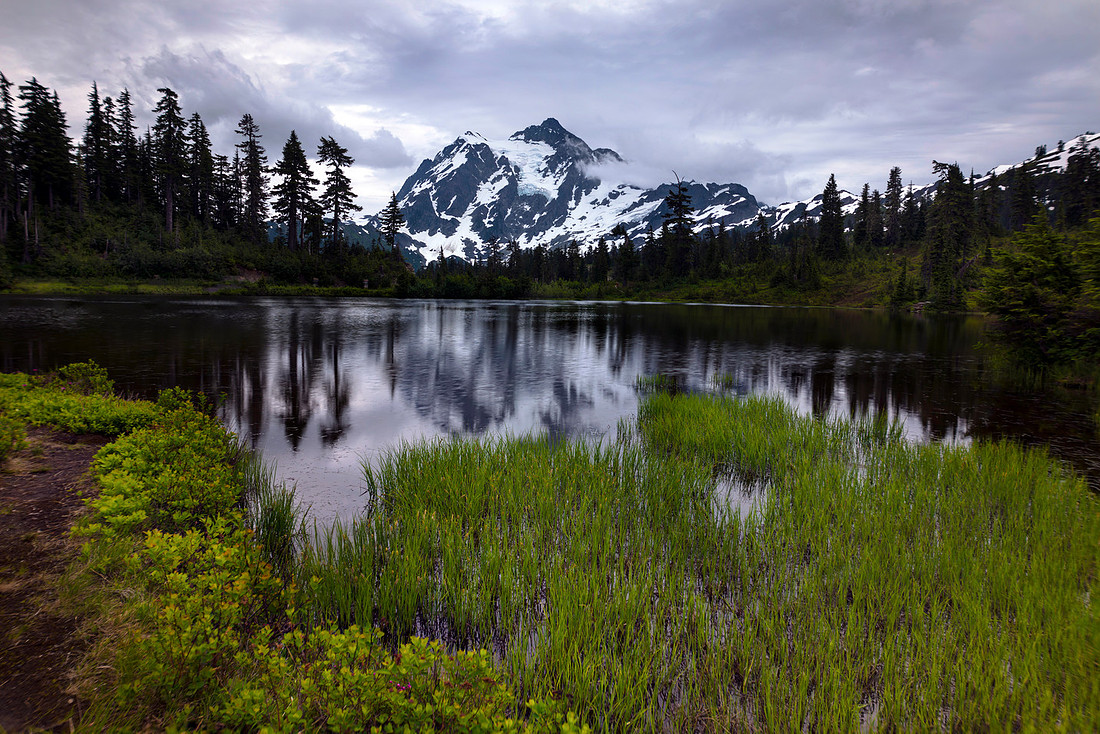
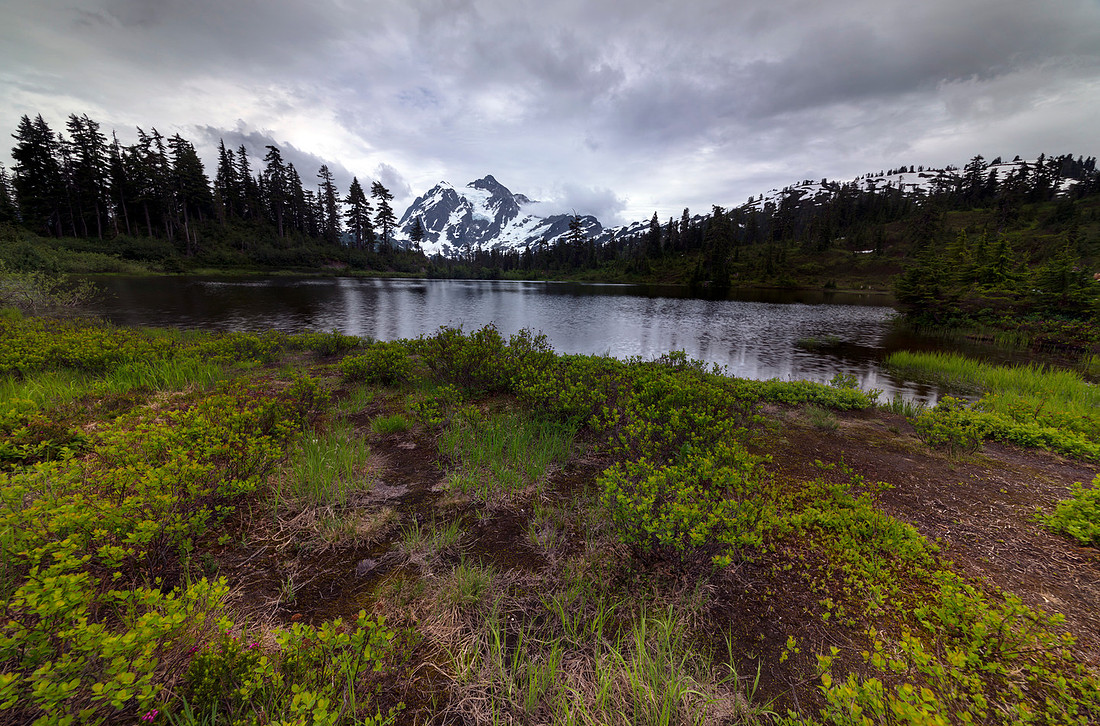
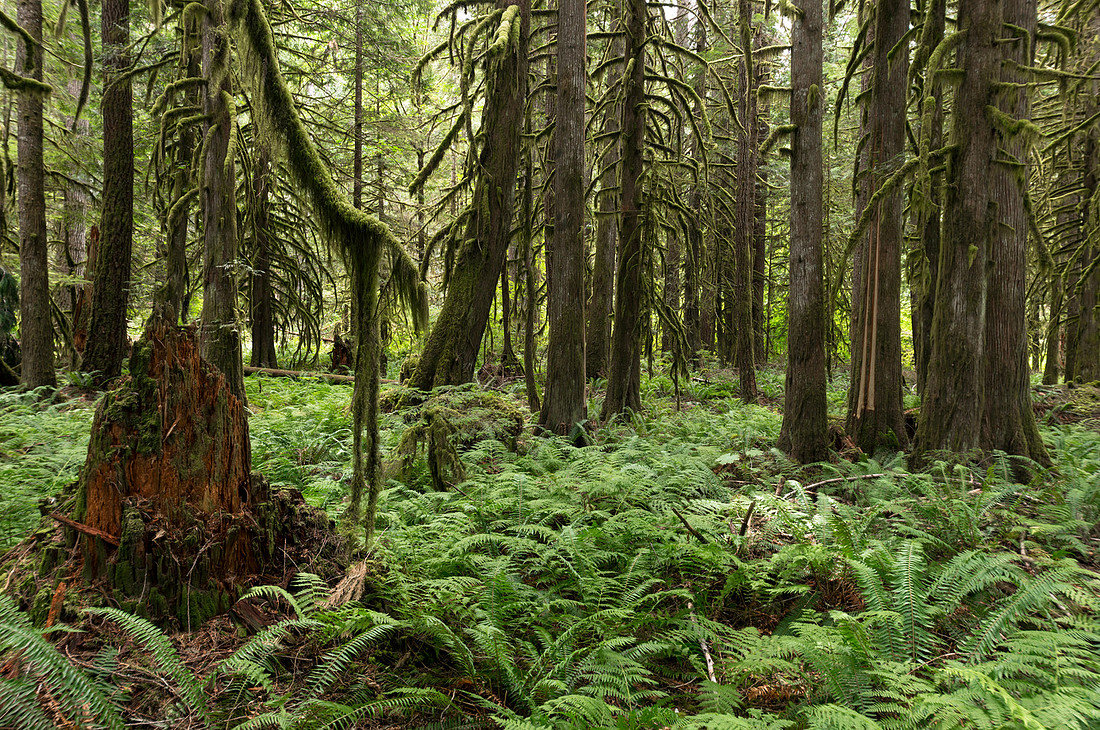
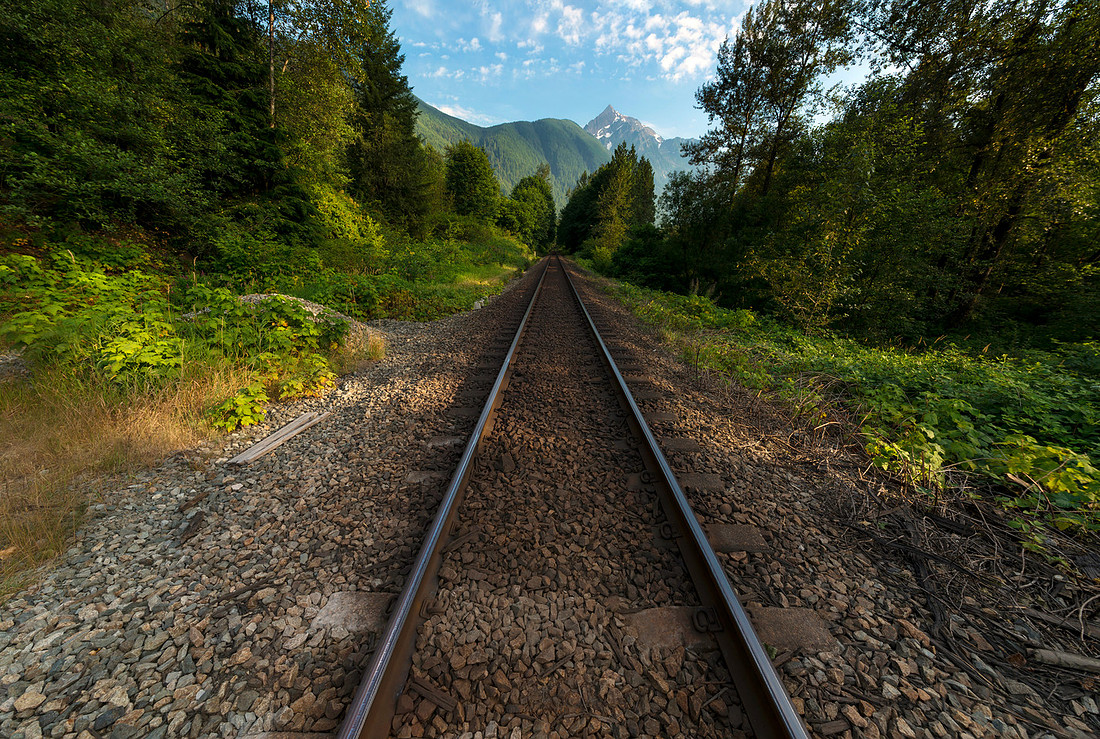

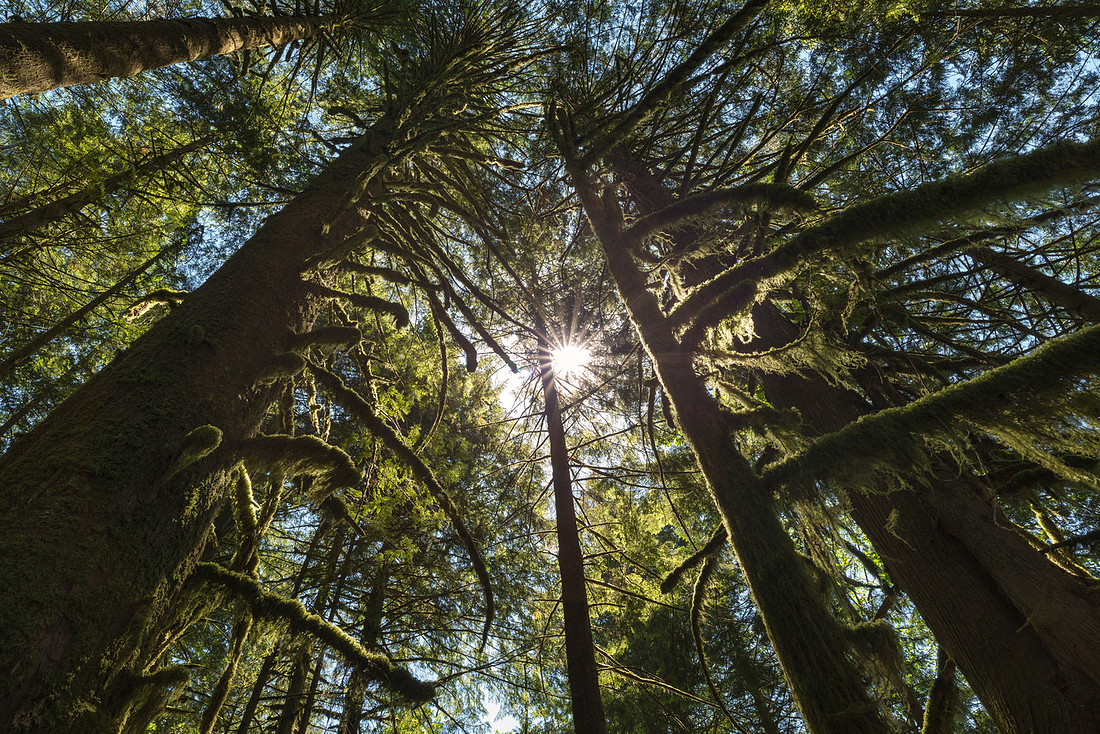
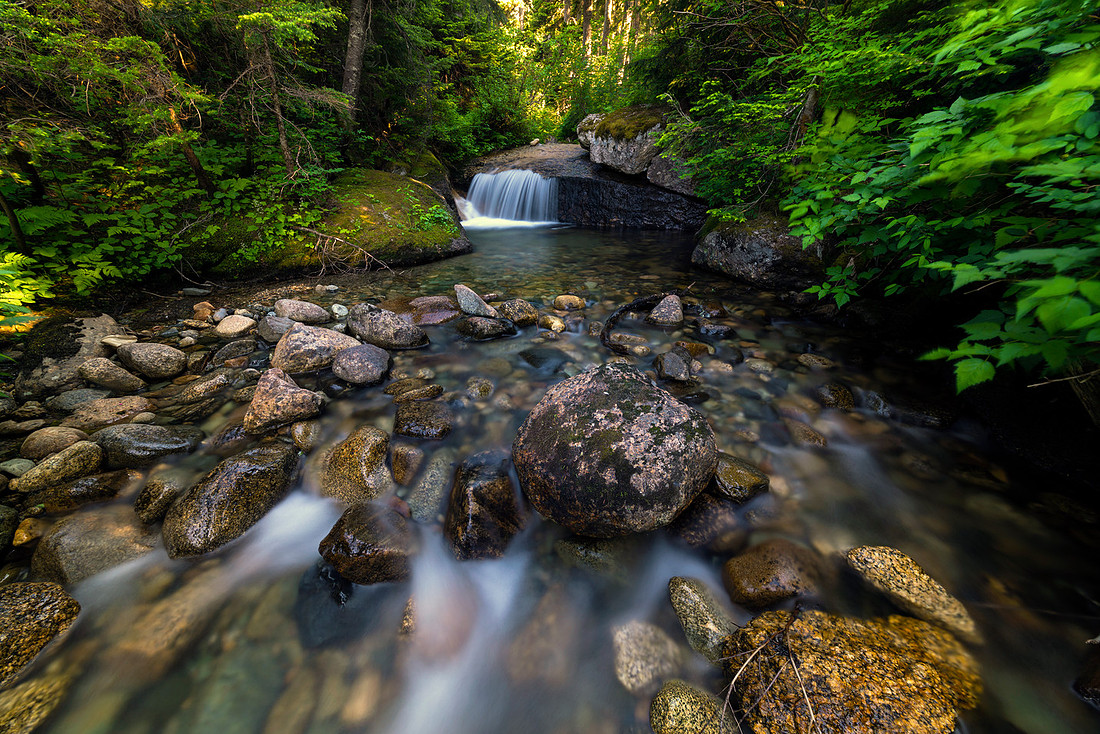
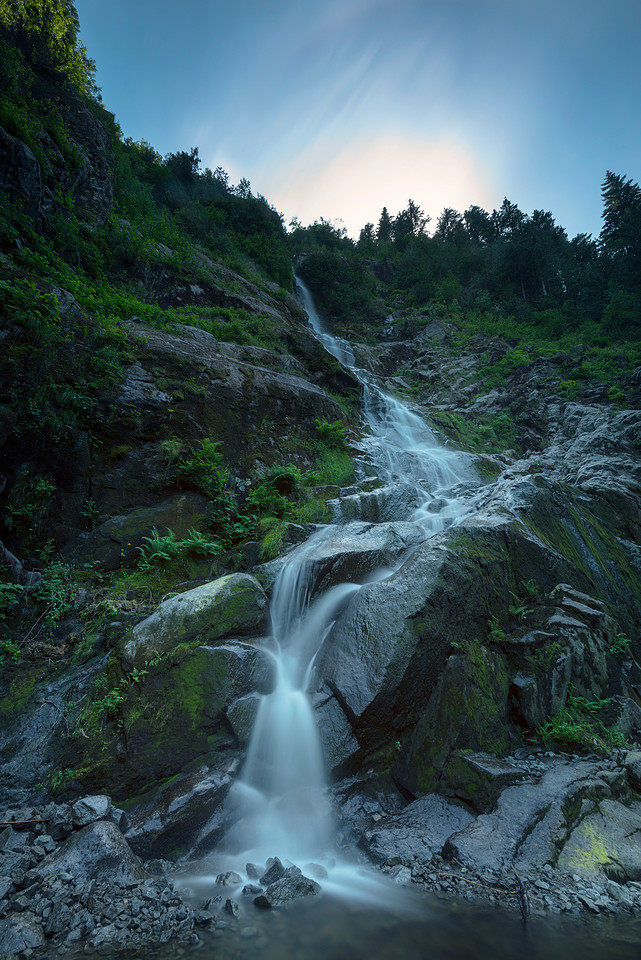
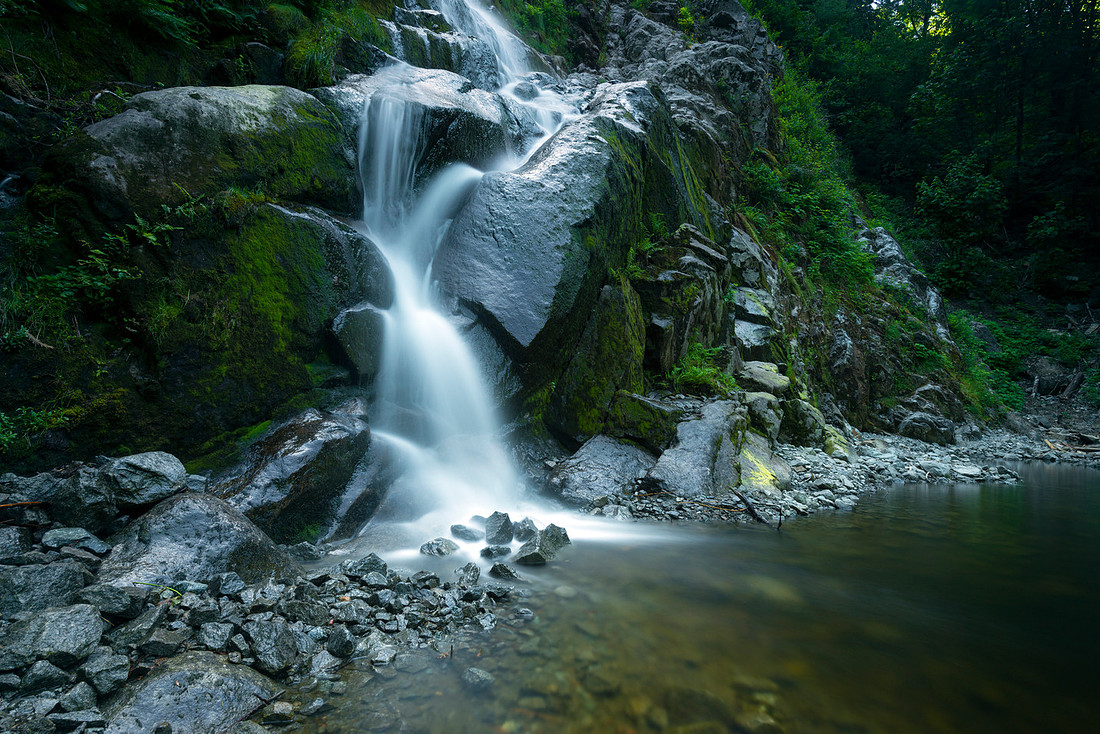 ]]>


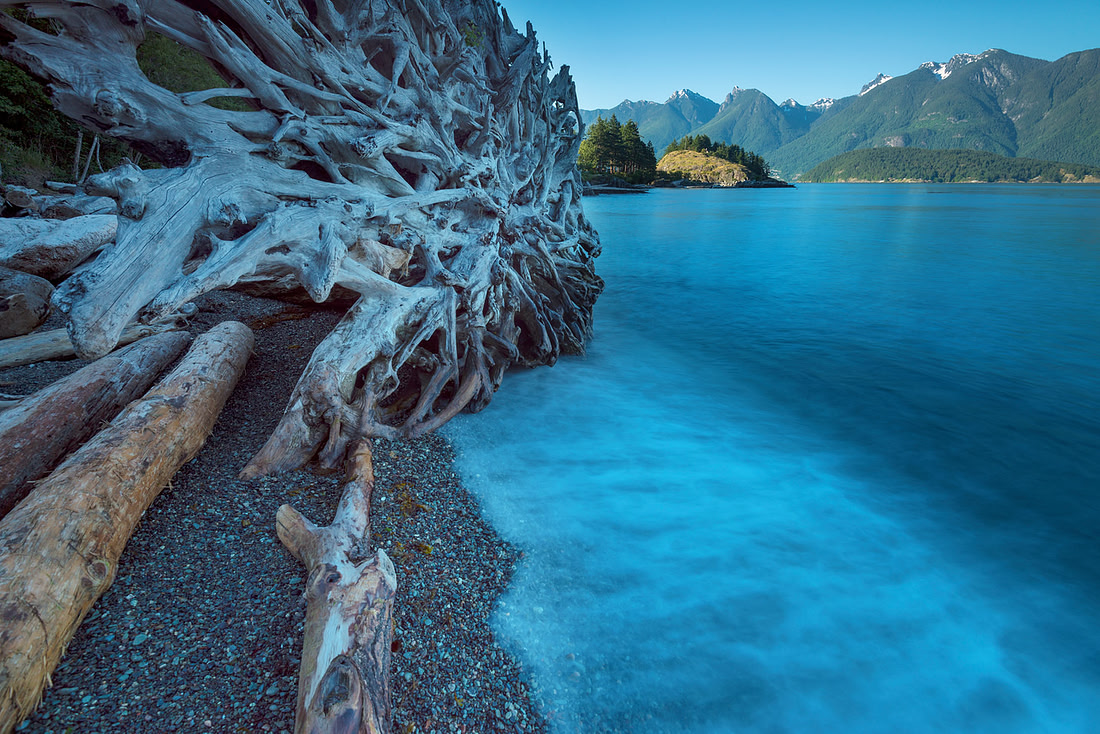
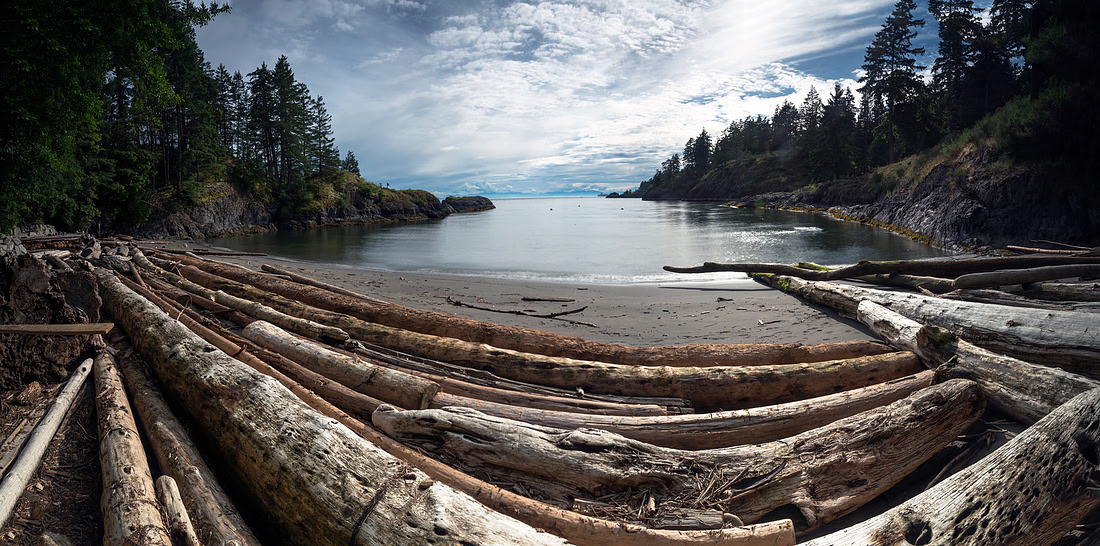
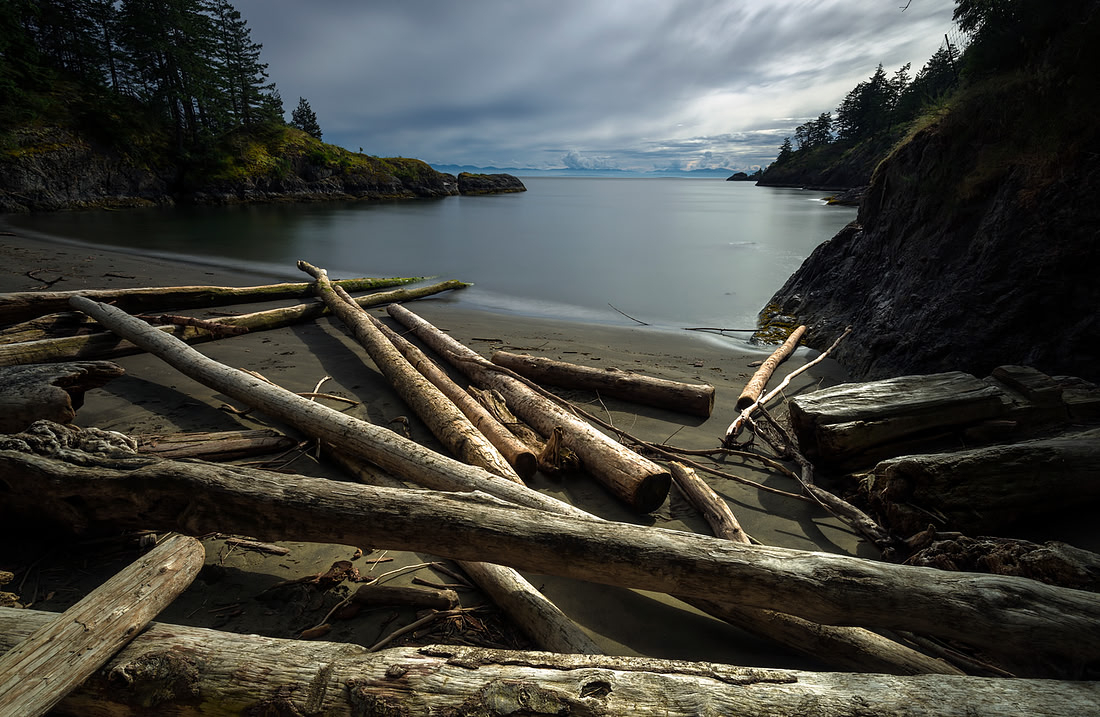
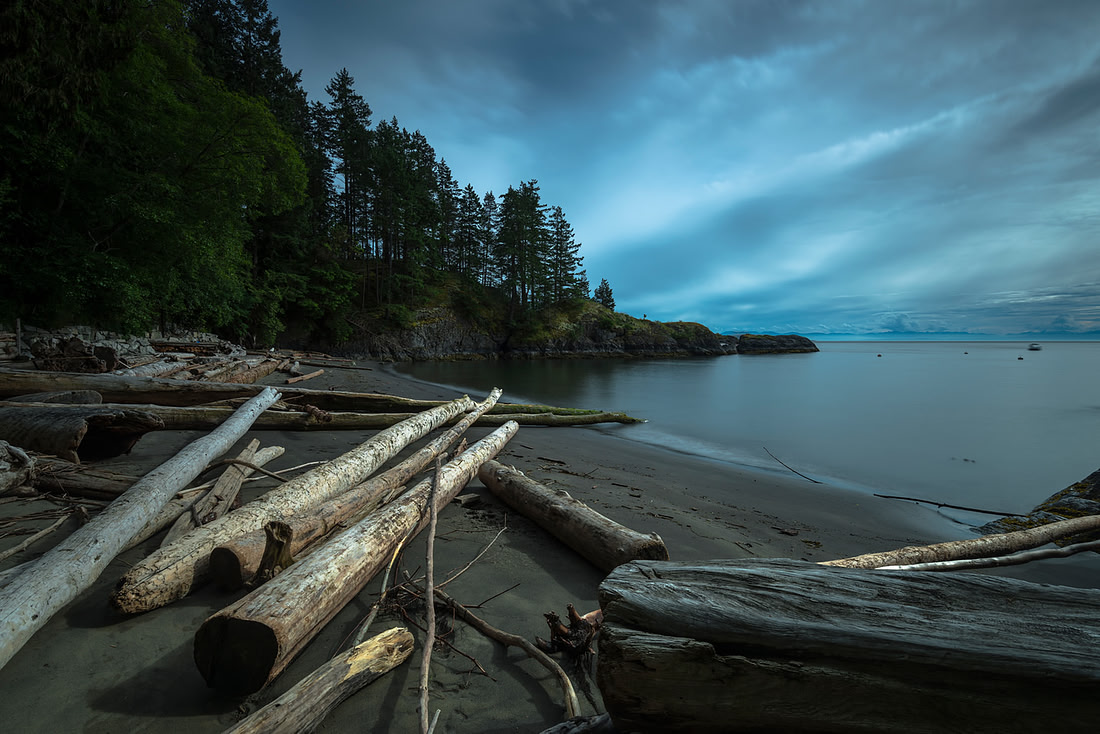
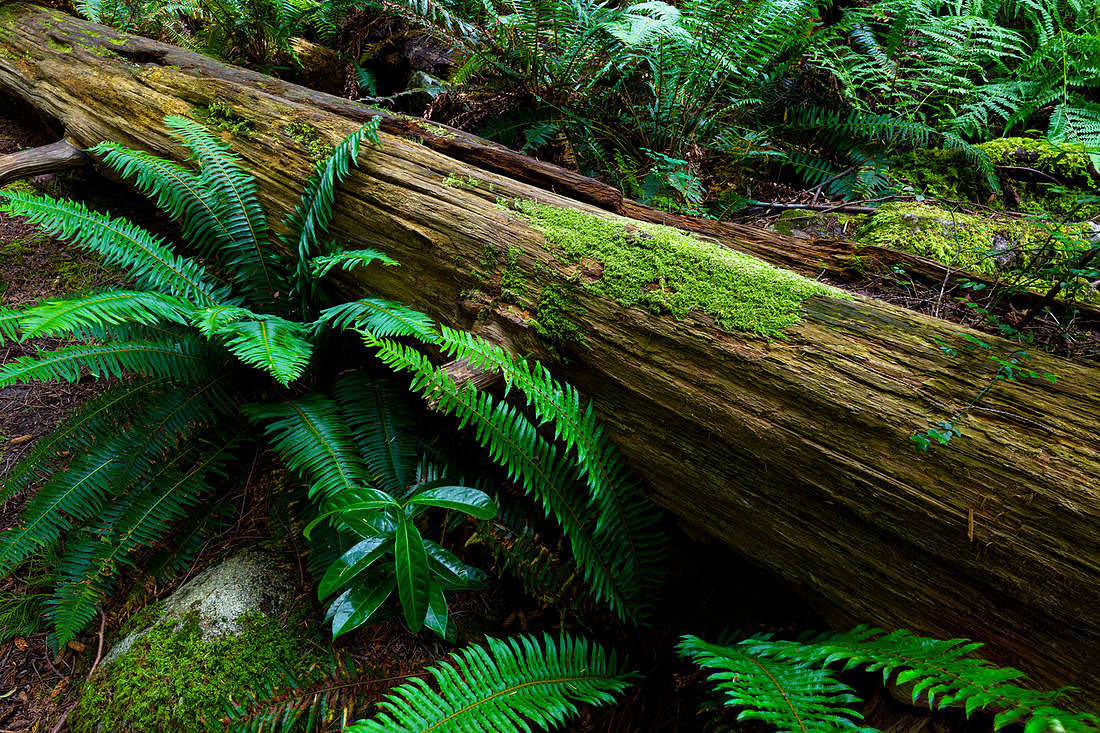
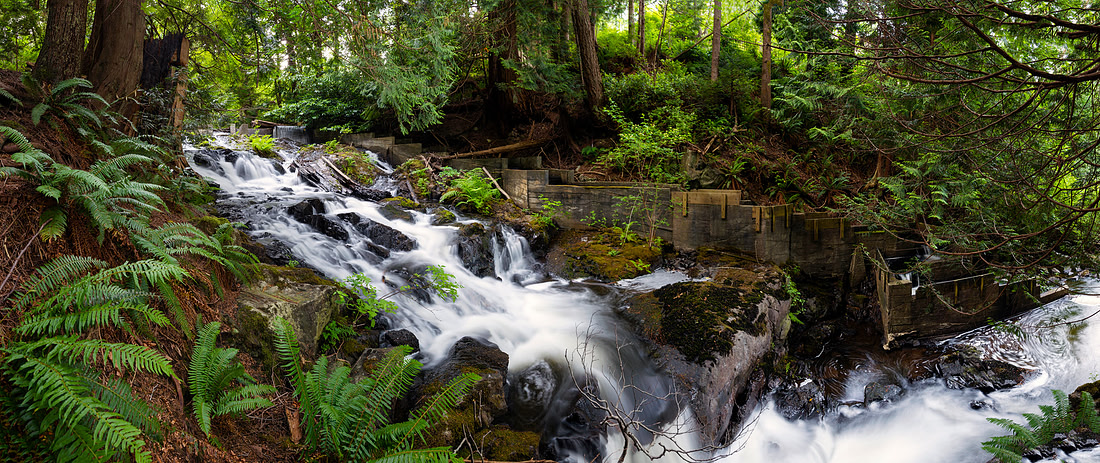
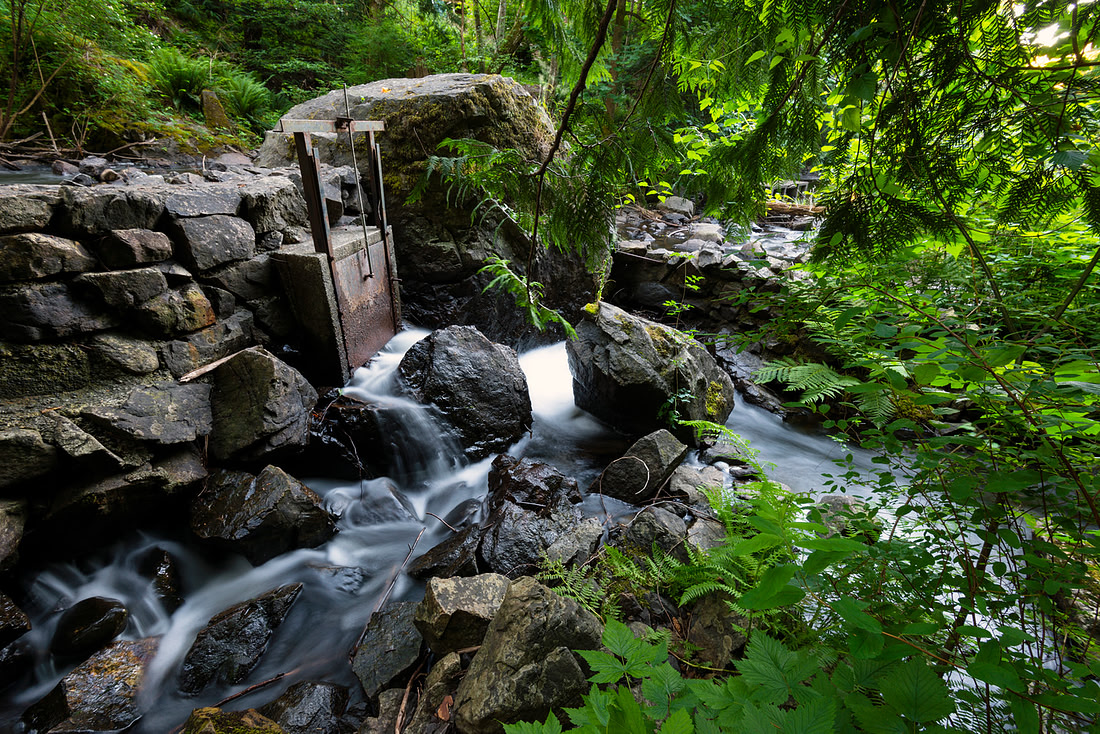
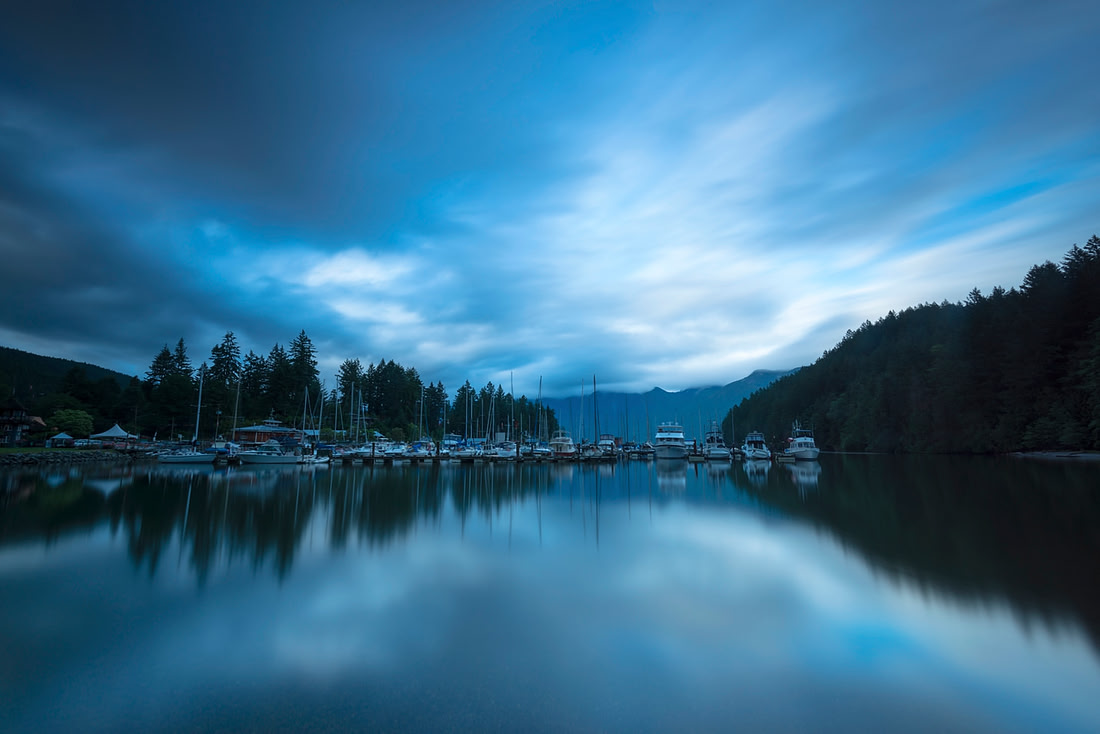
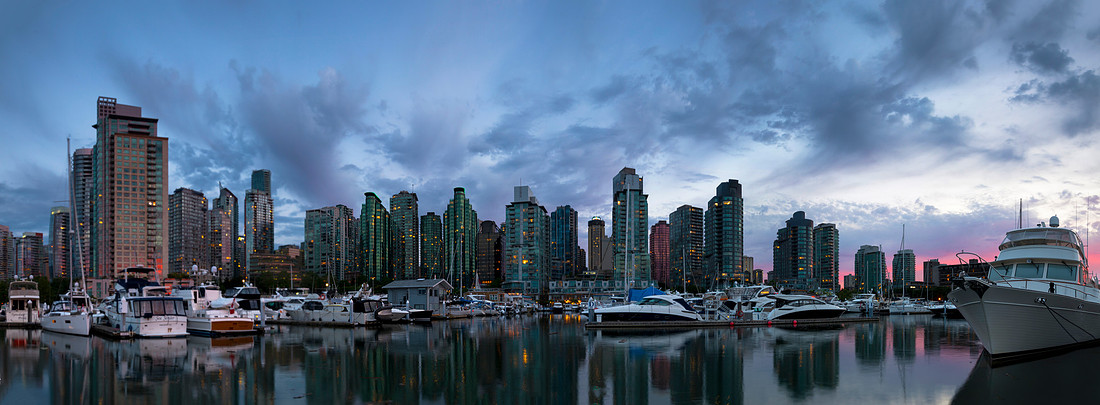
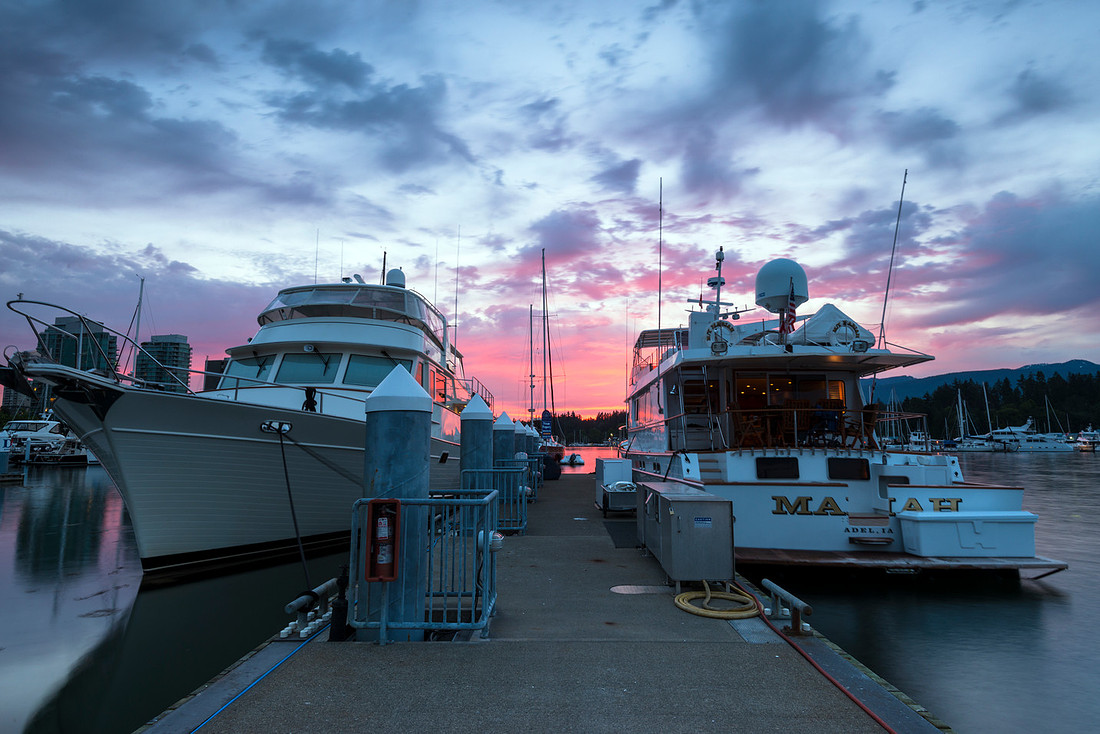
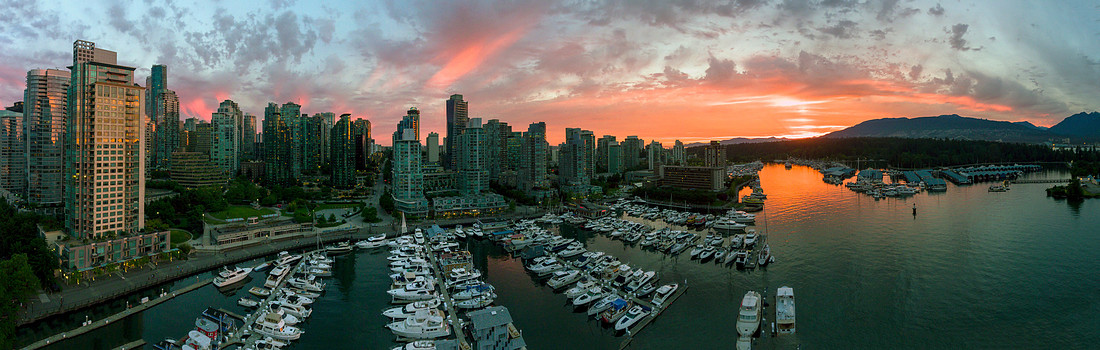
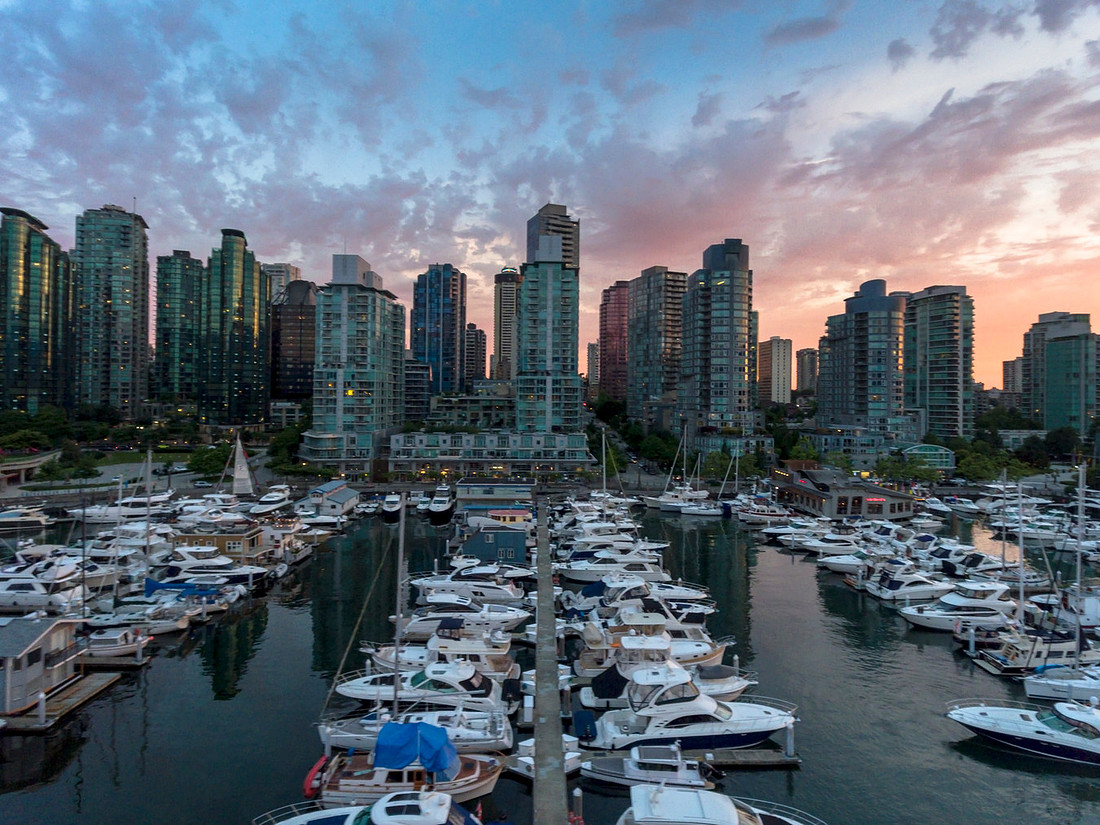
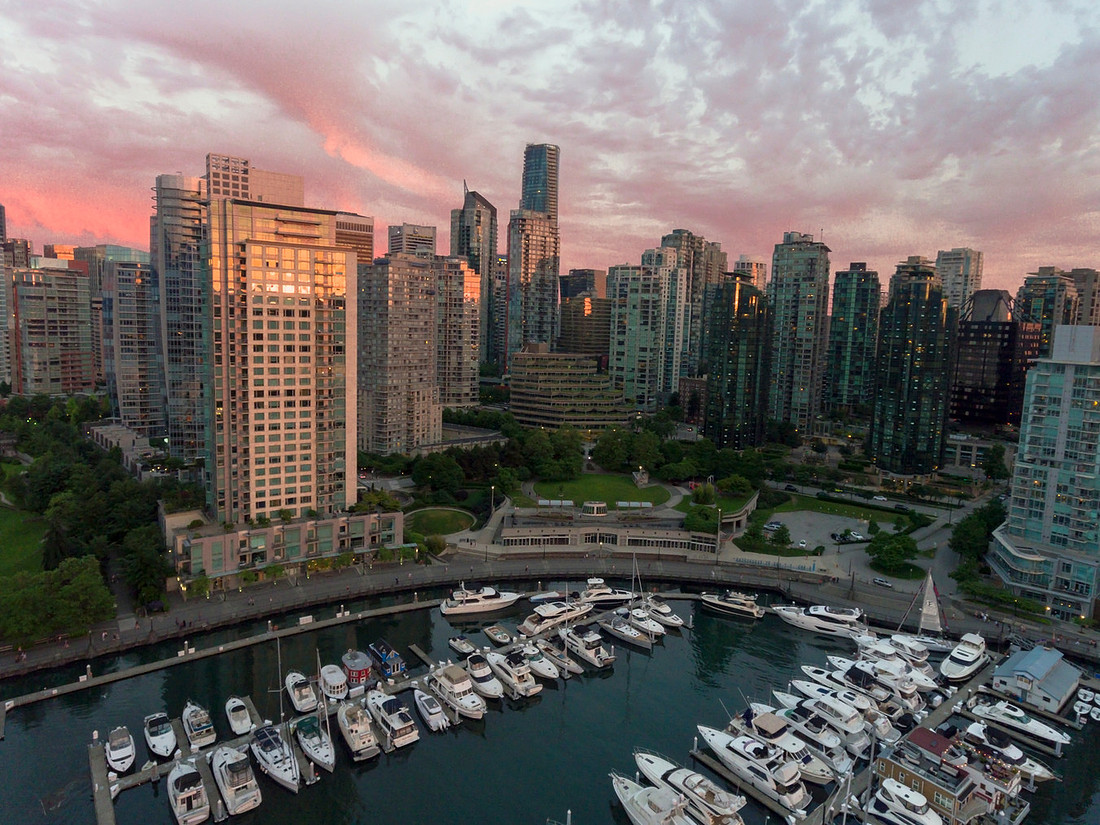
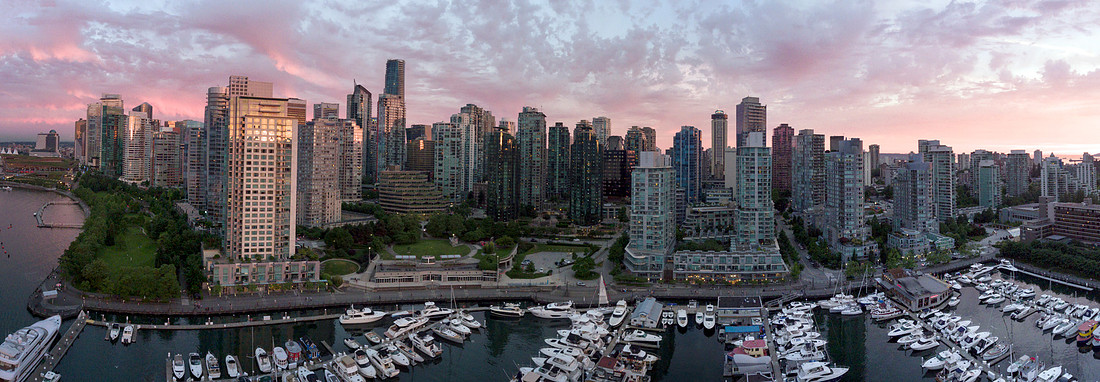
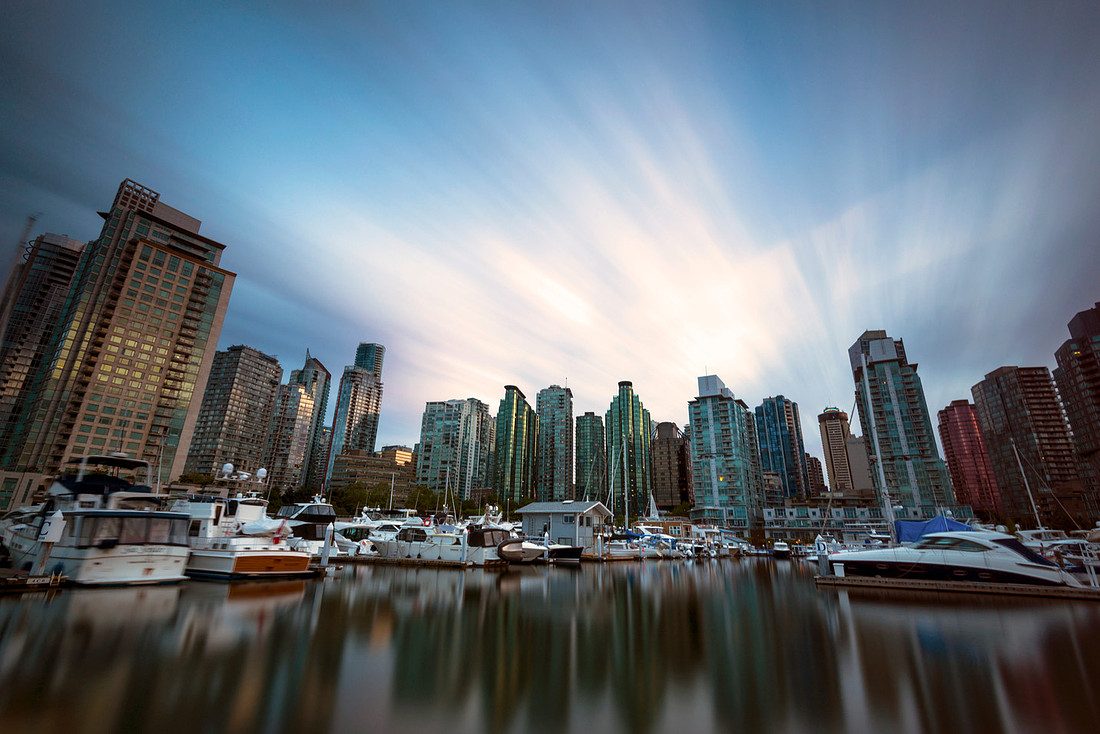
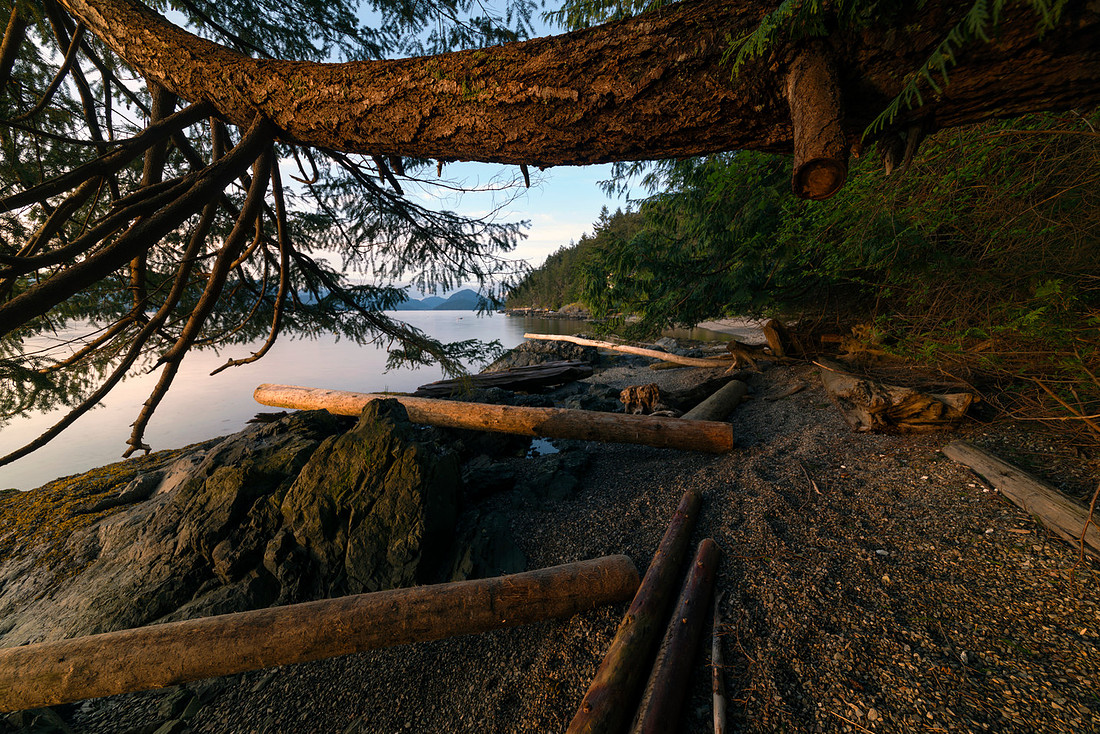
Crayola Beach.
]]>



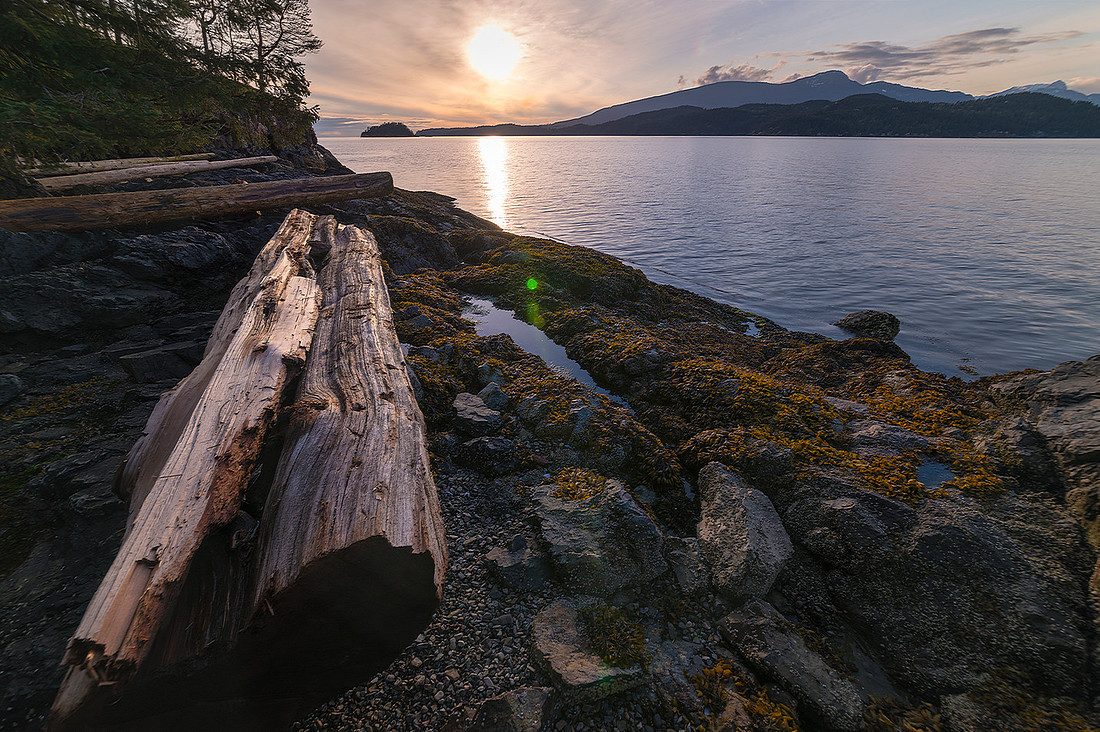
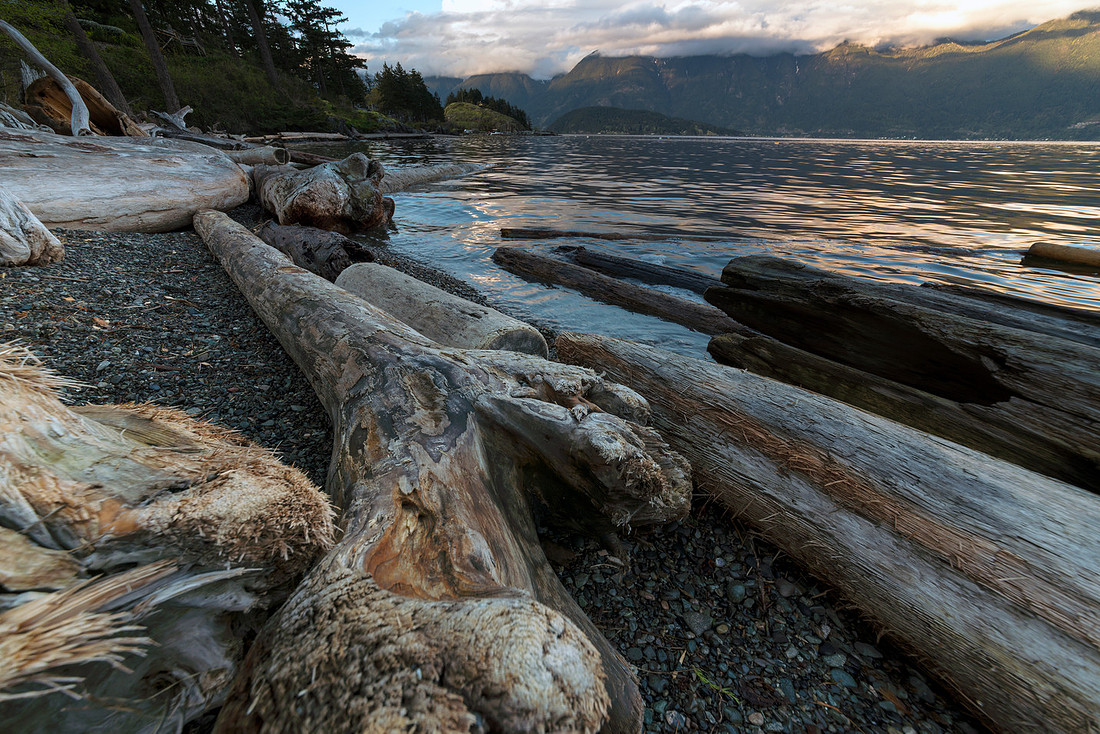

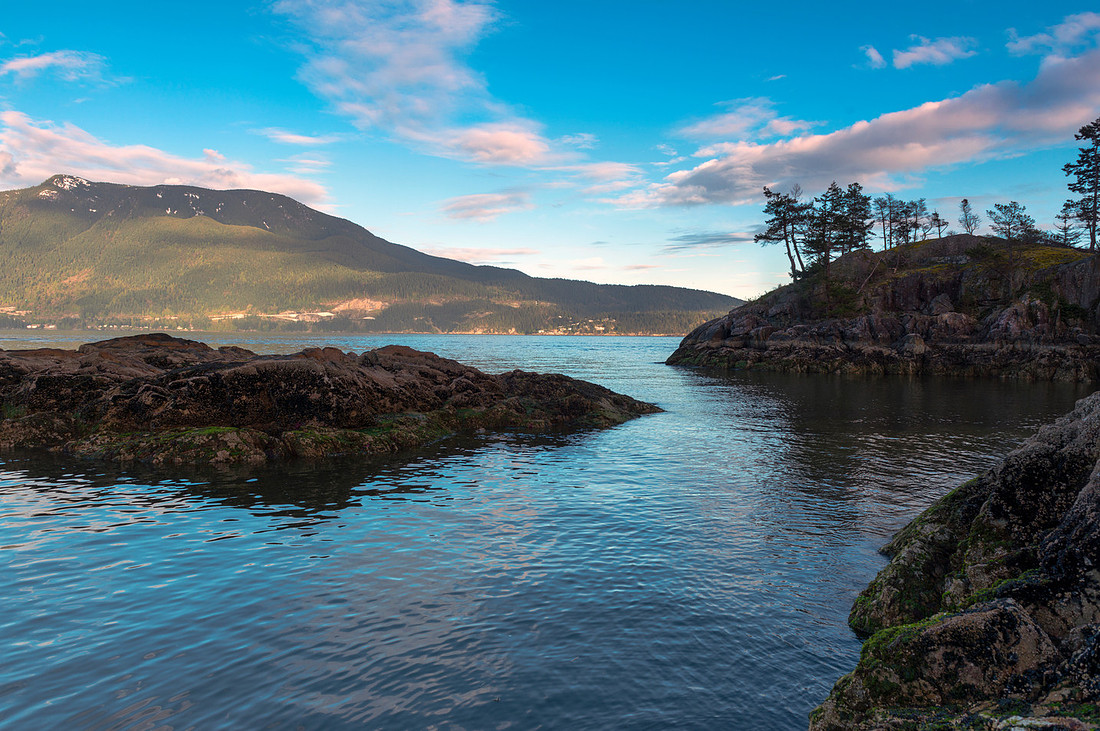

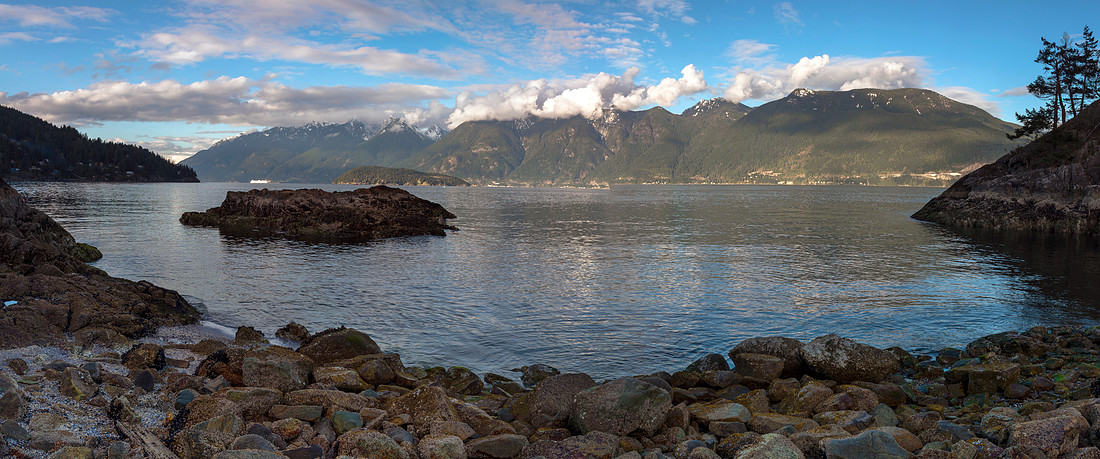
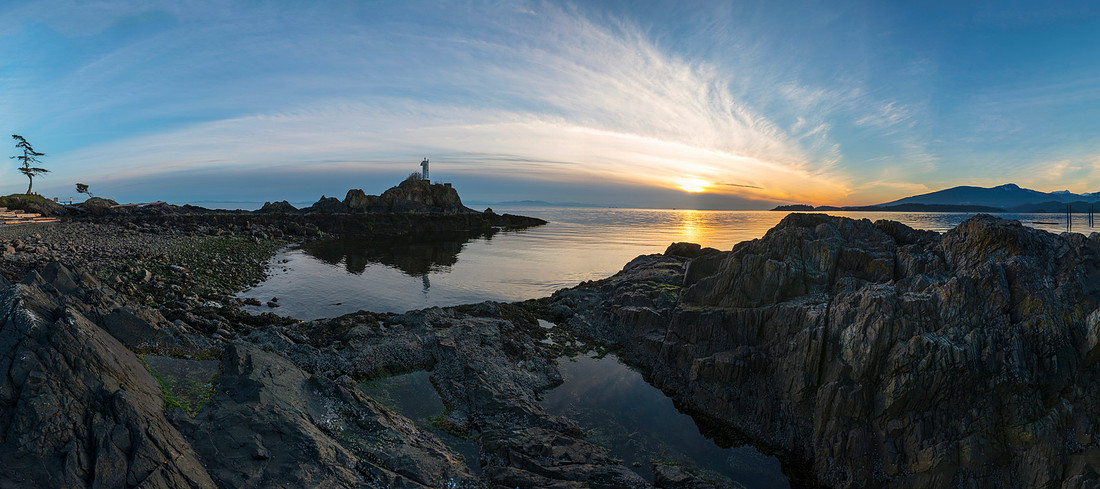
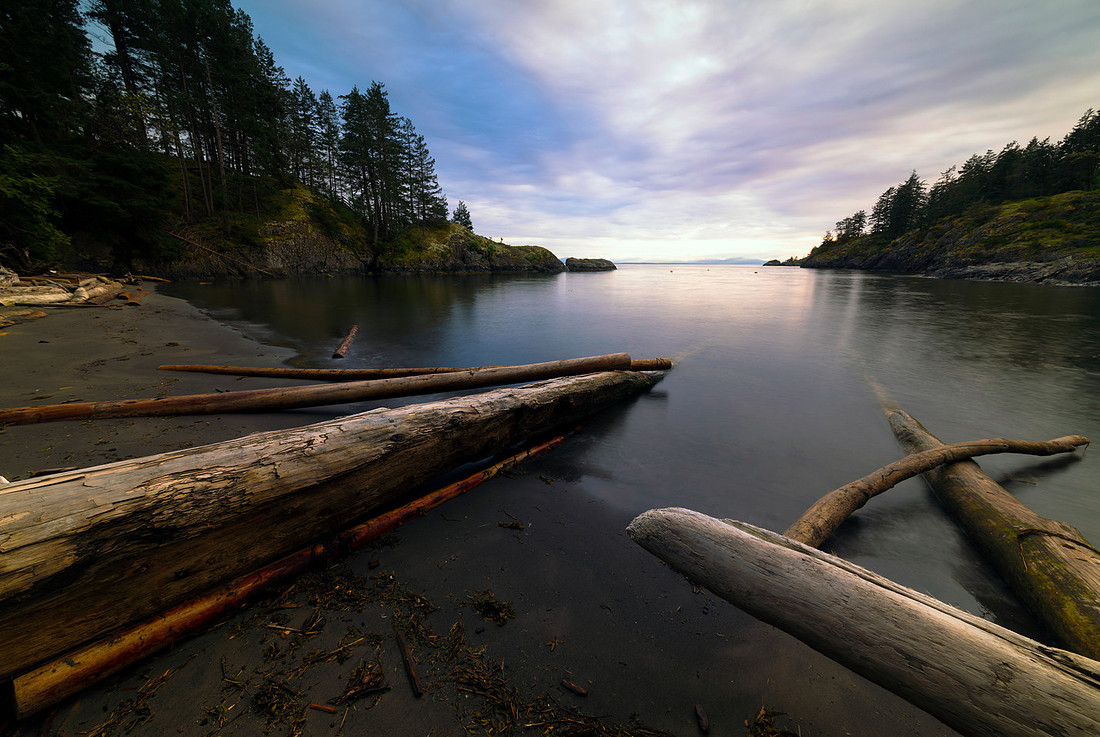
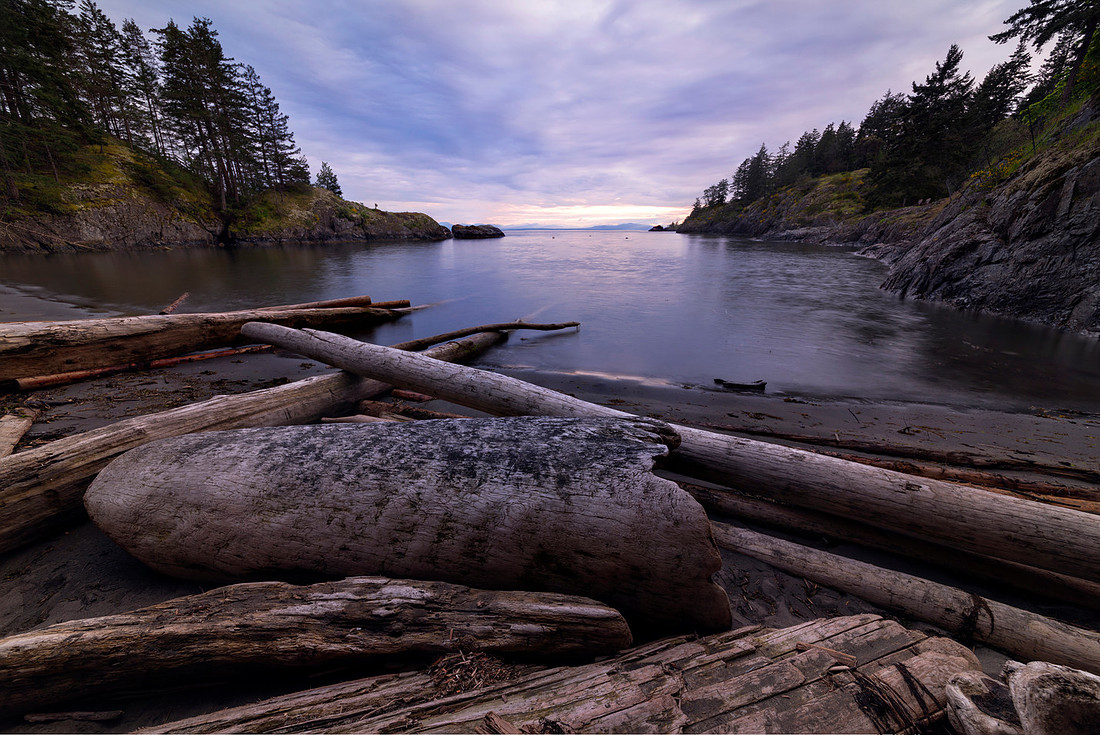
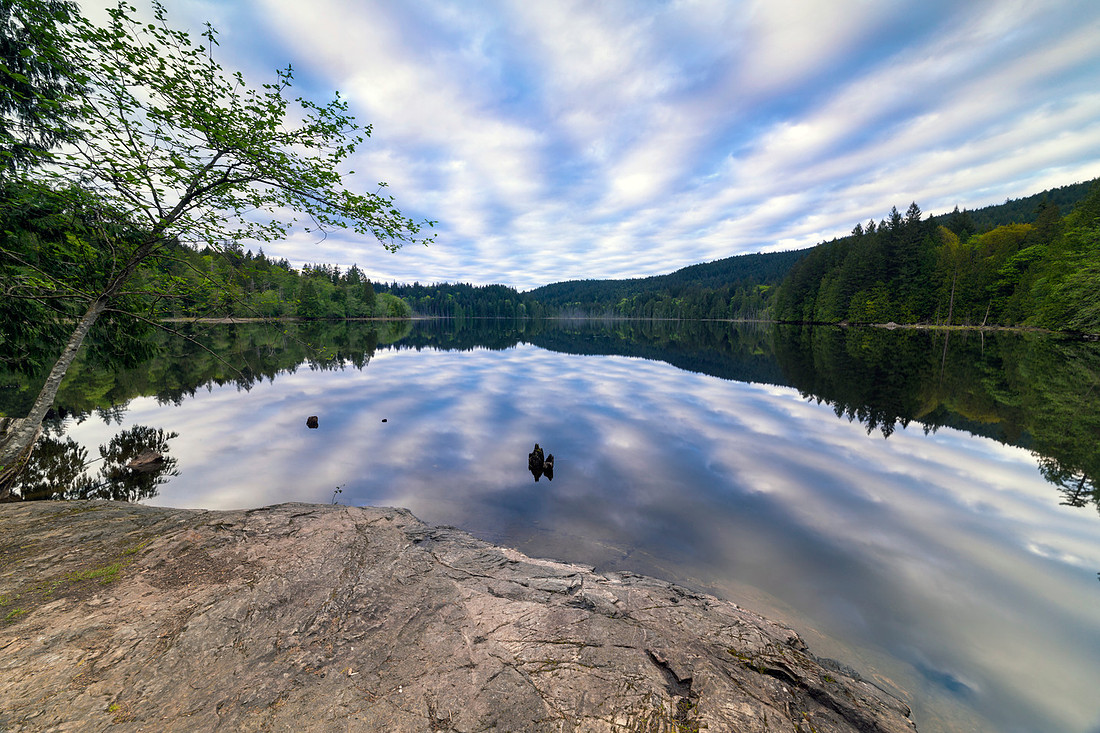

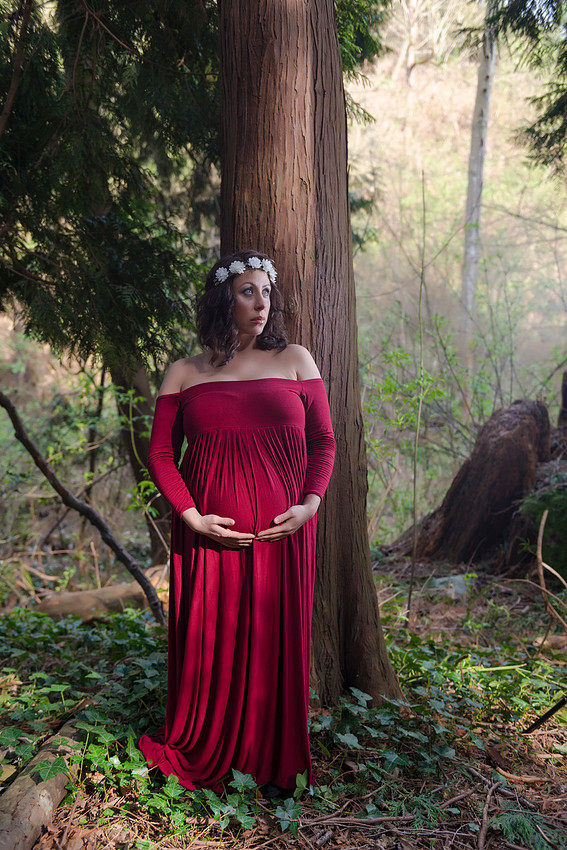
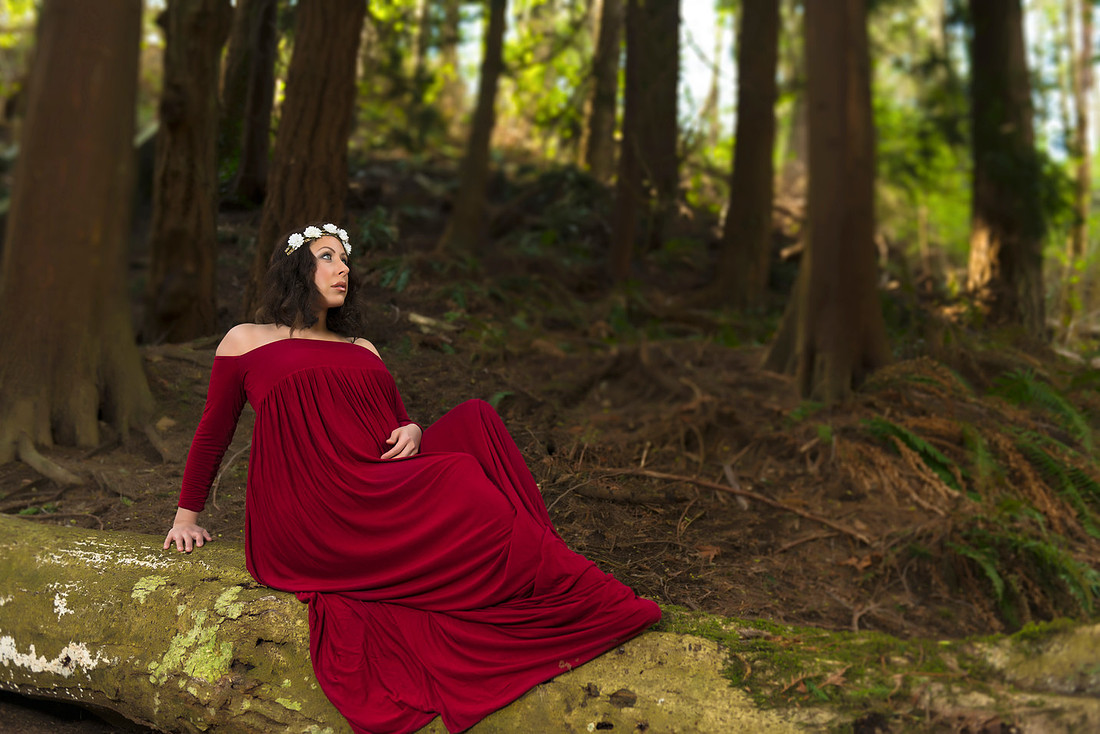
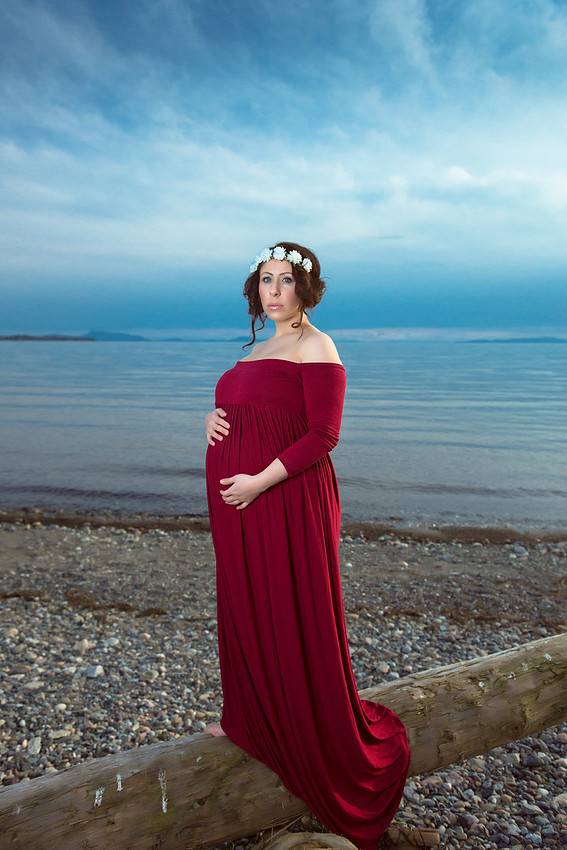
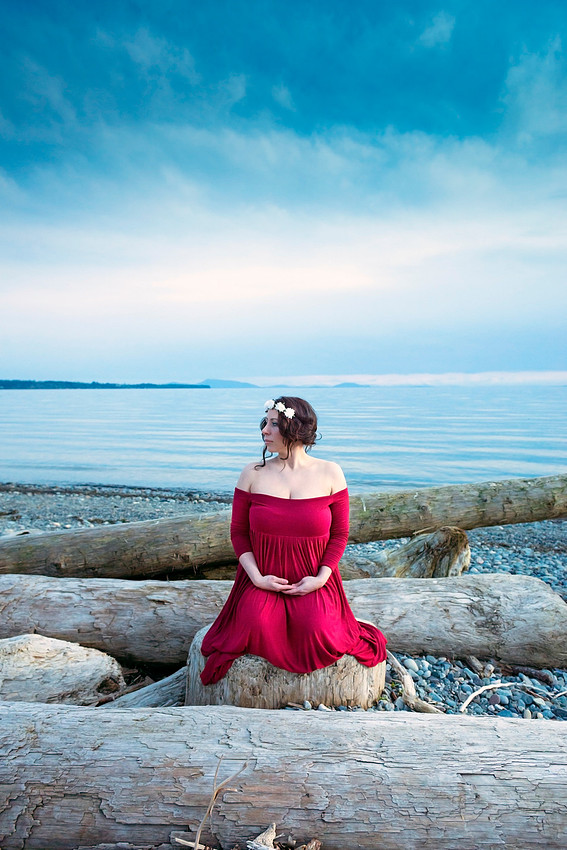








]]>










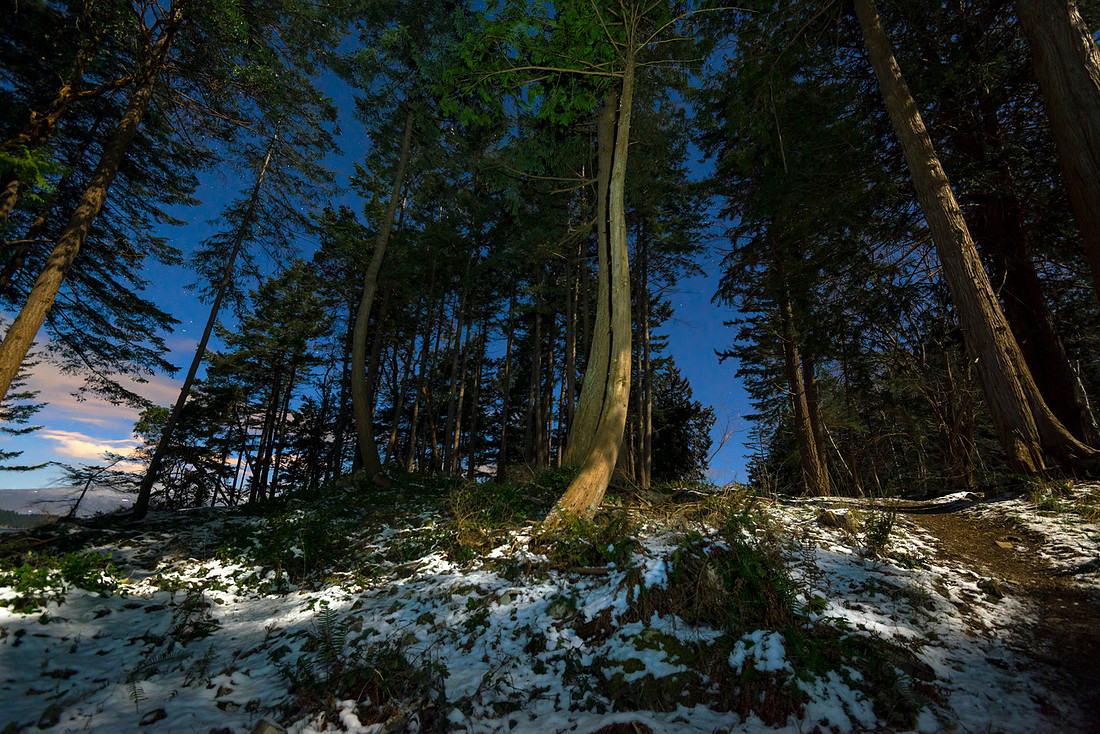
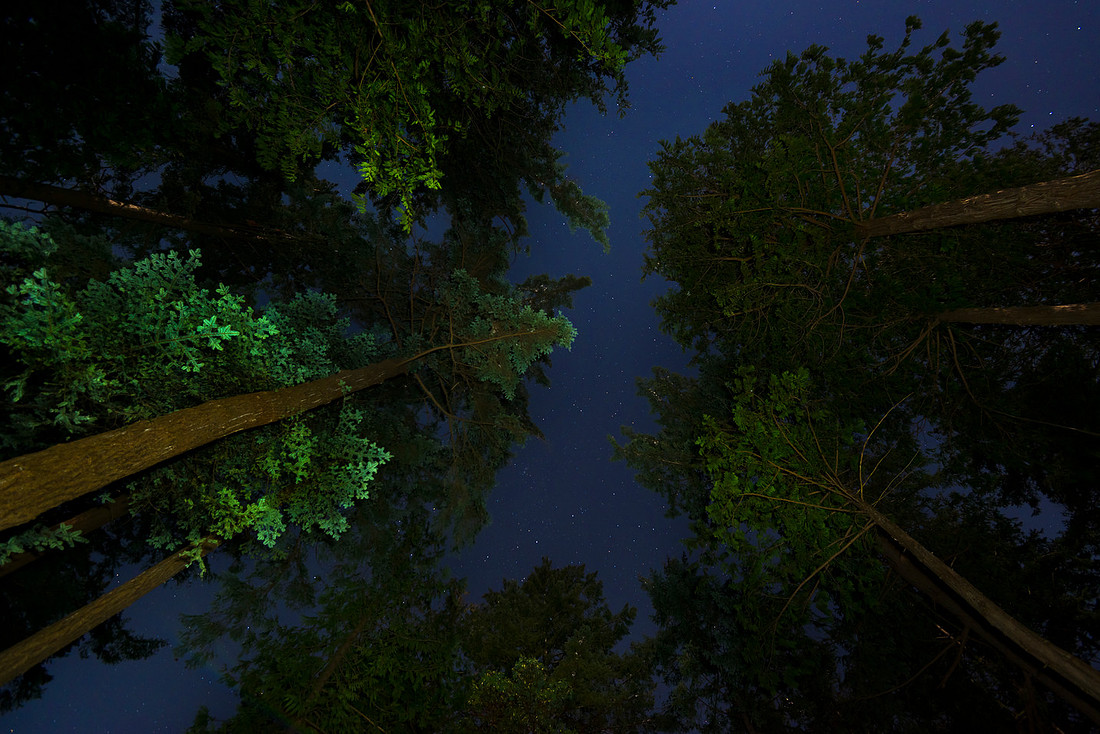
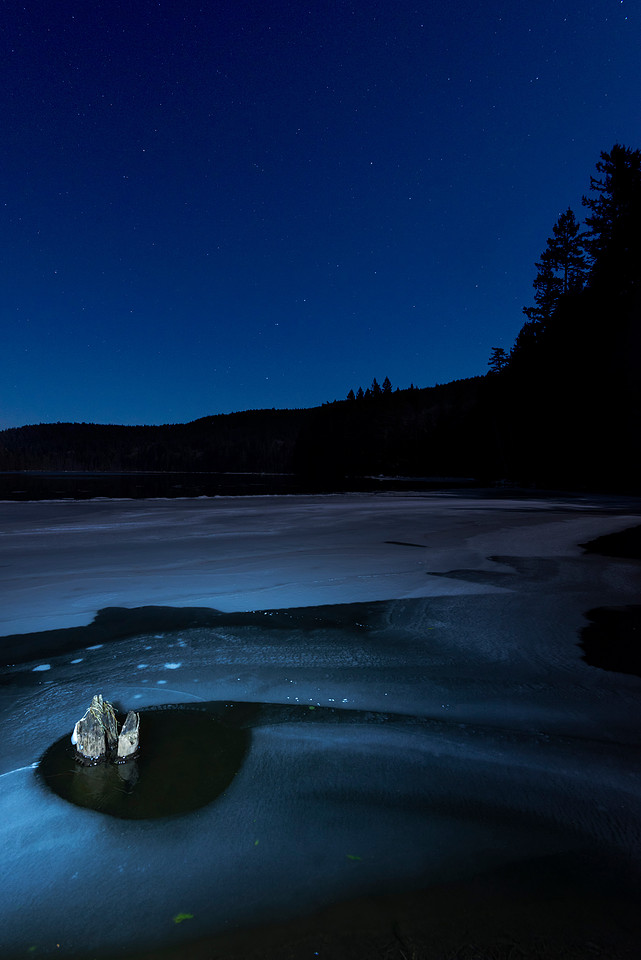
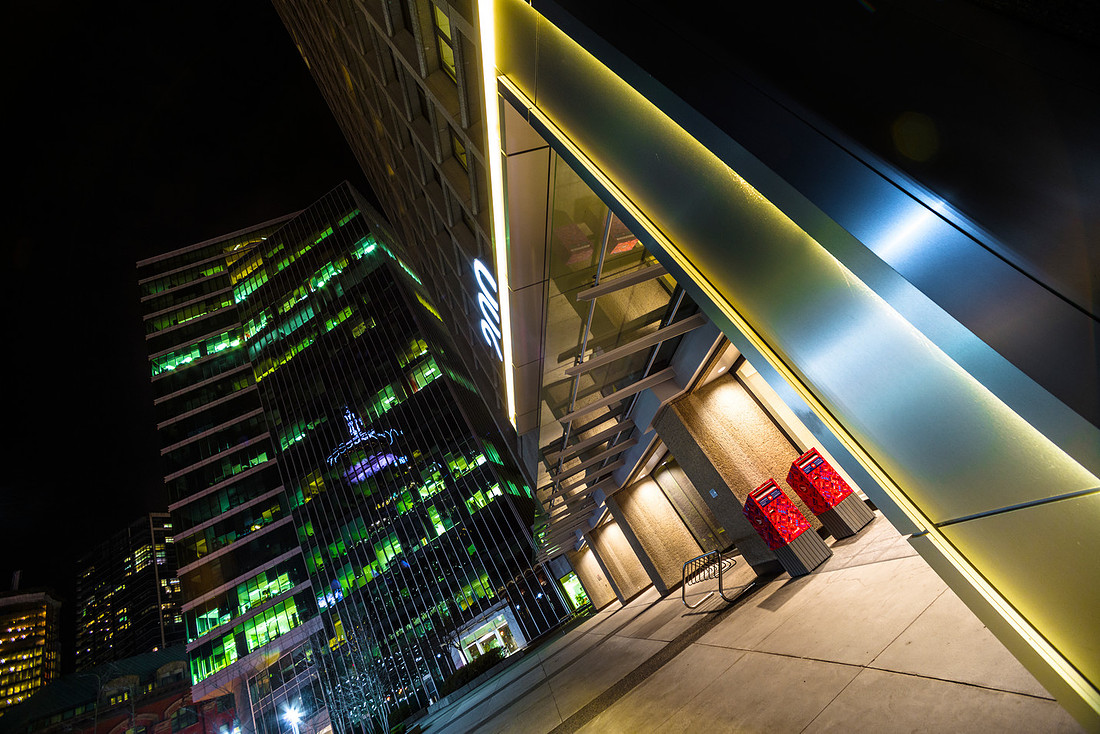
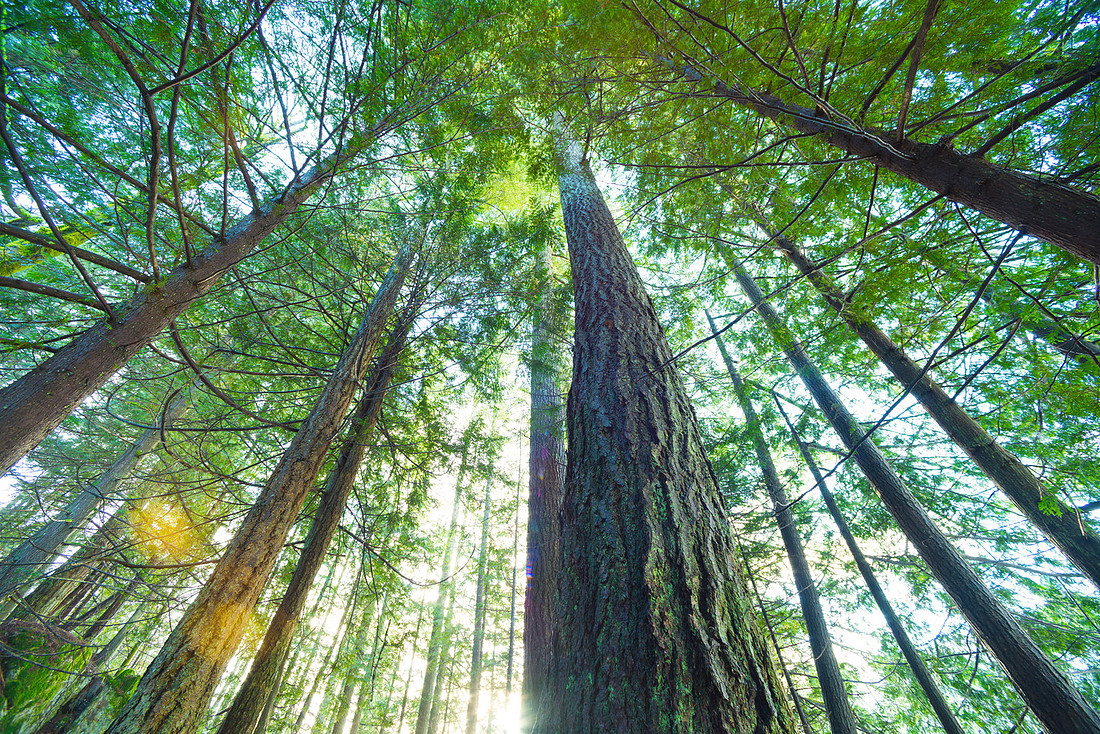
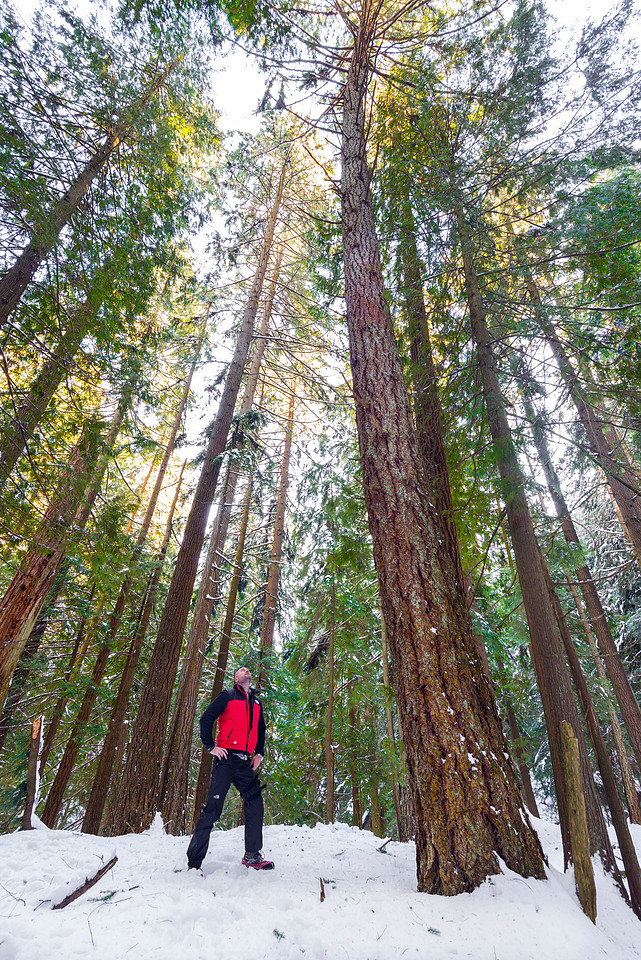


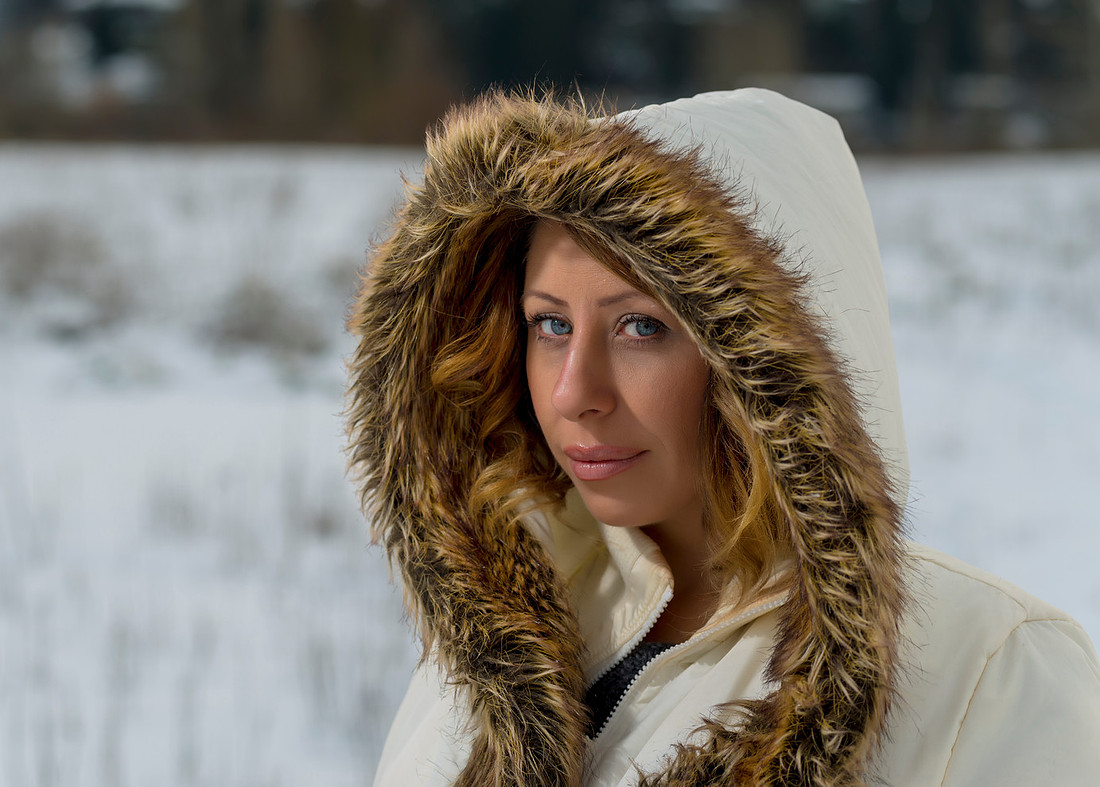

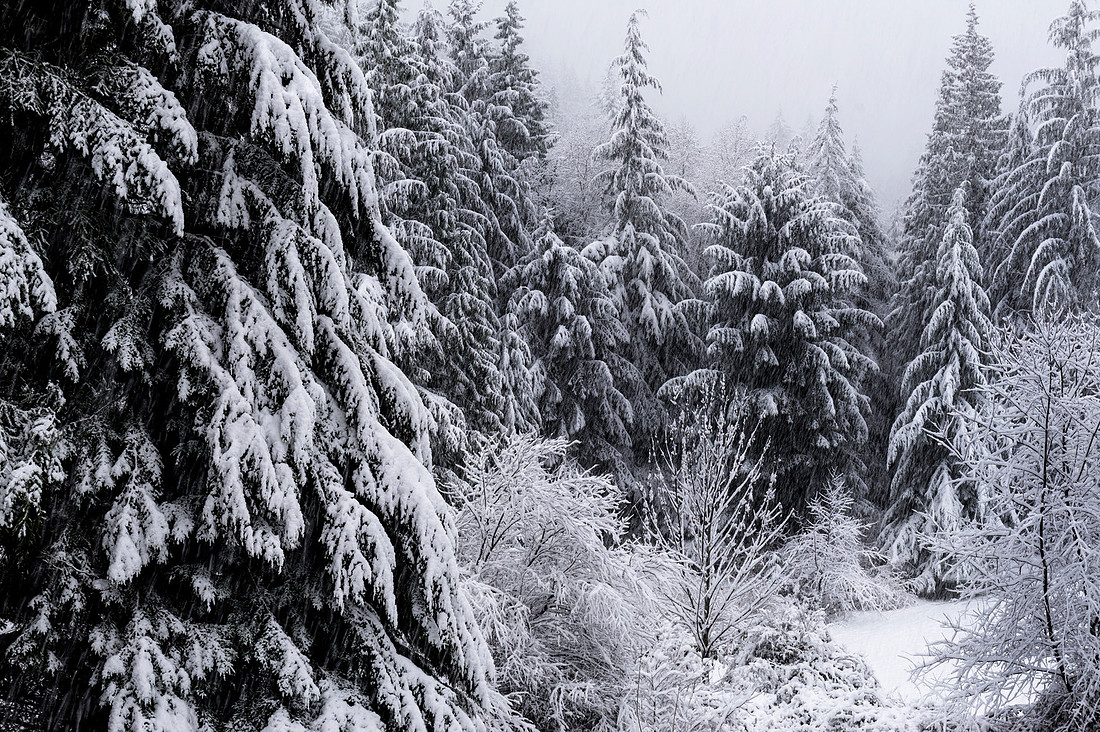
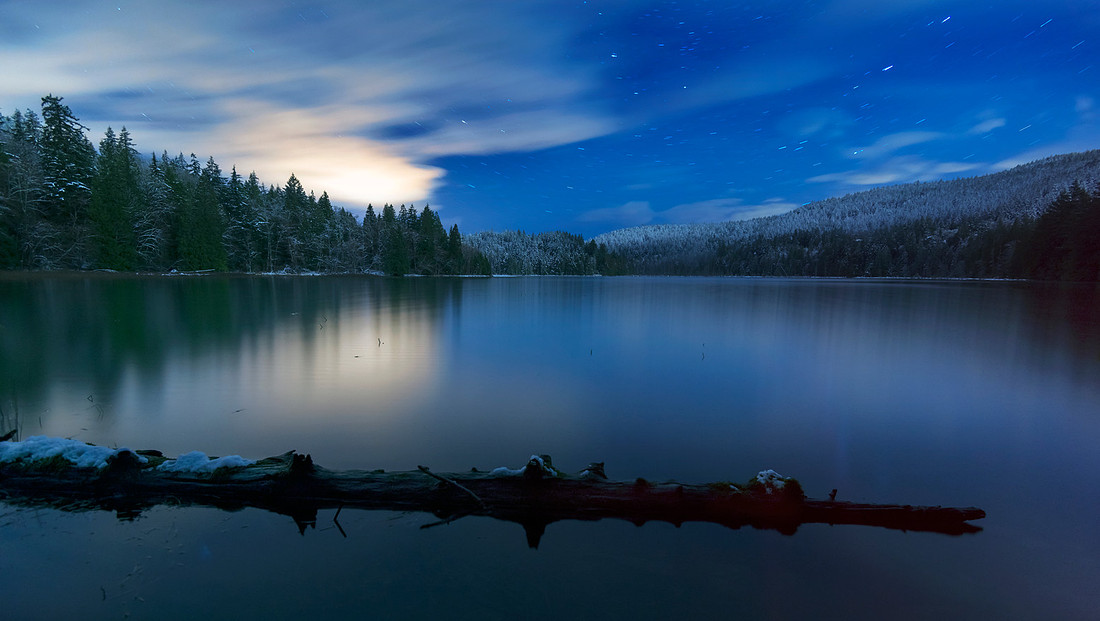
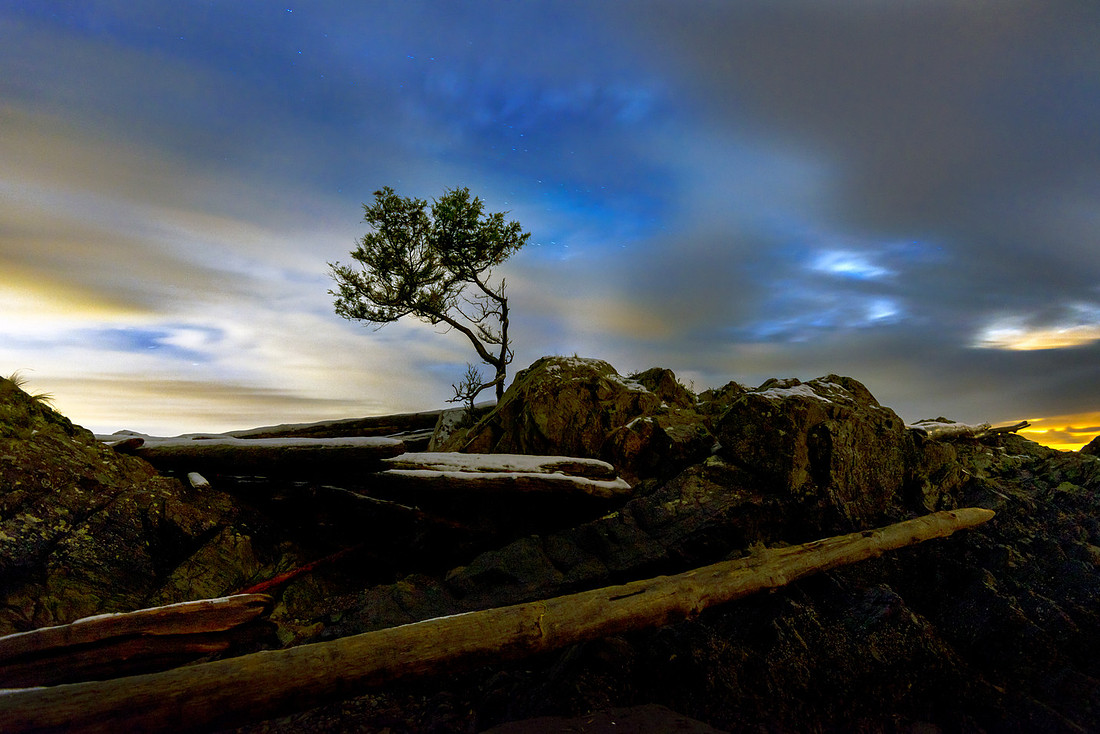
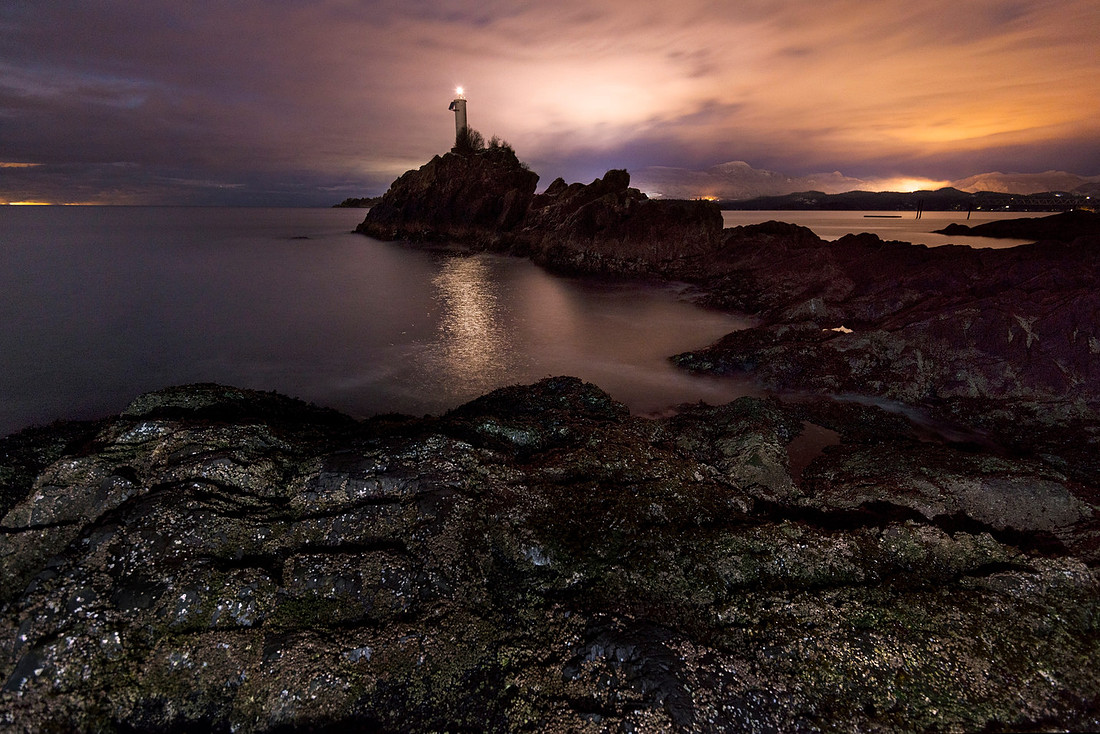
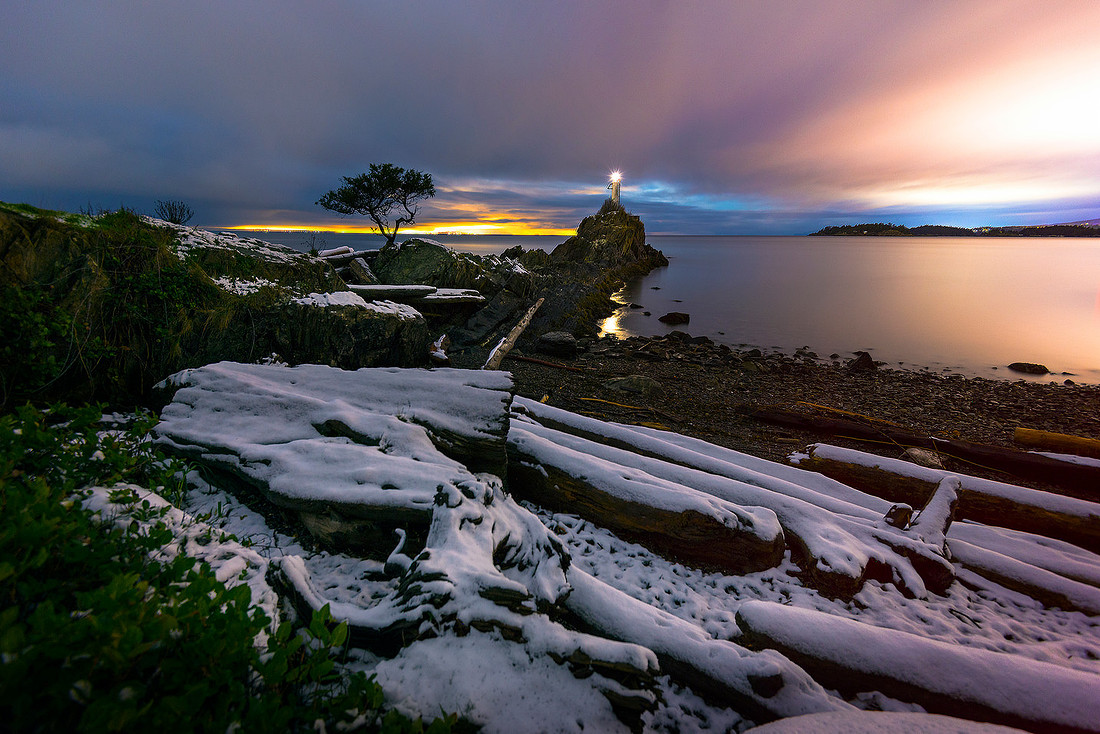
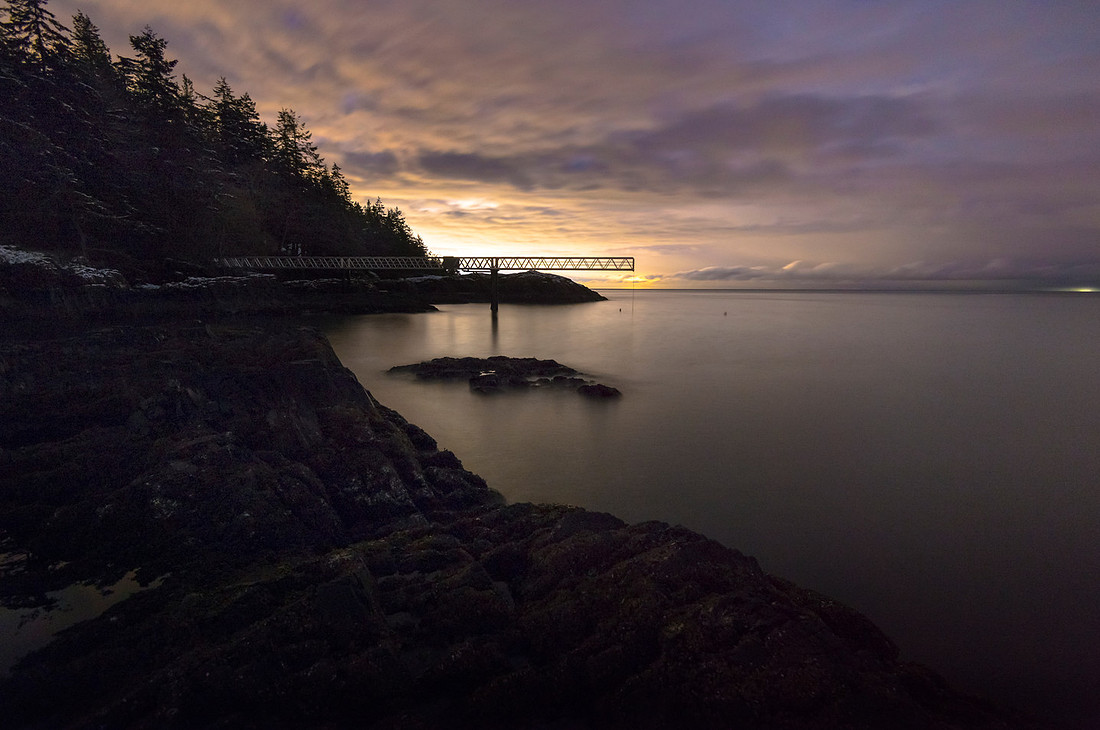
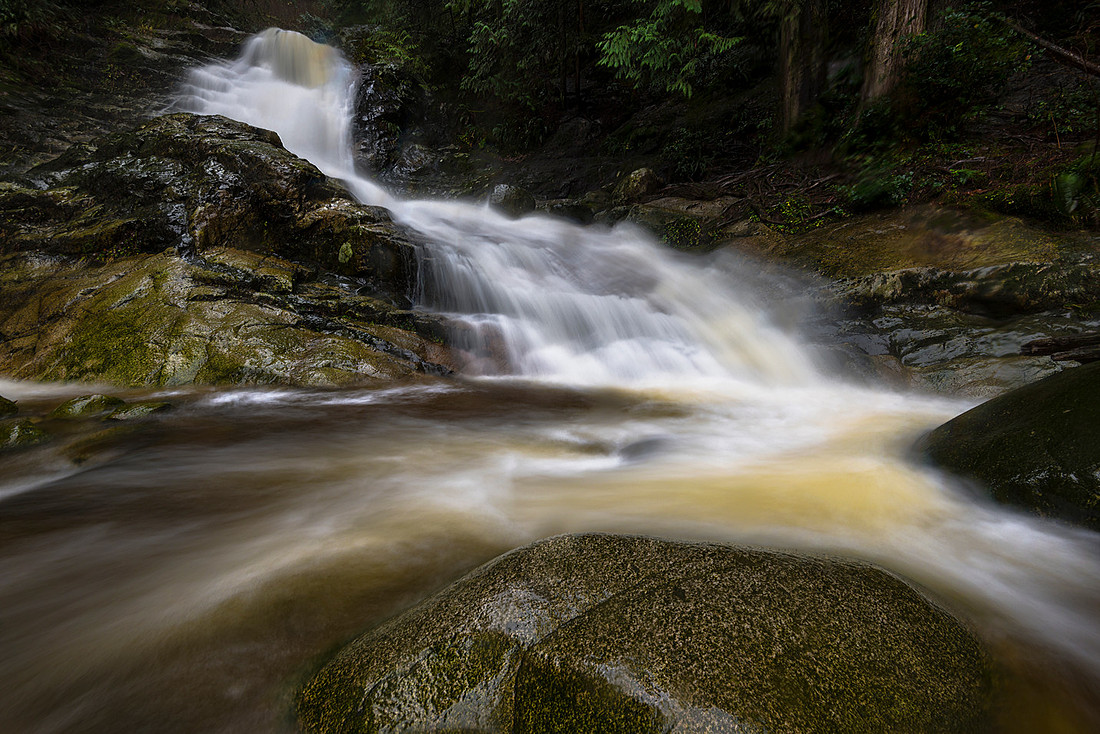
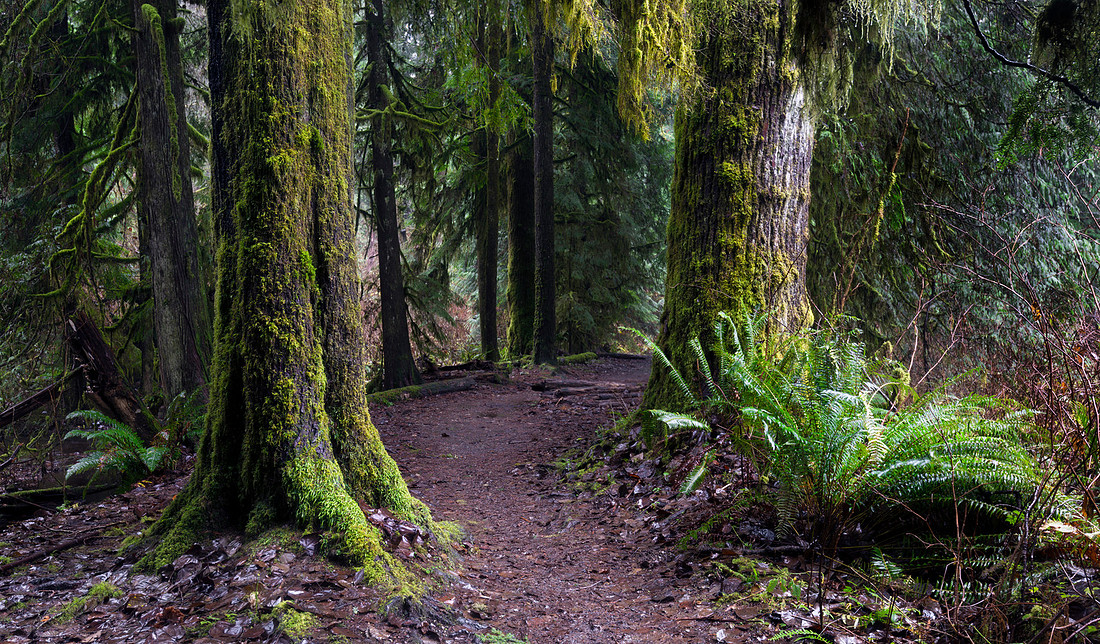
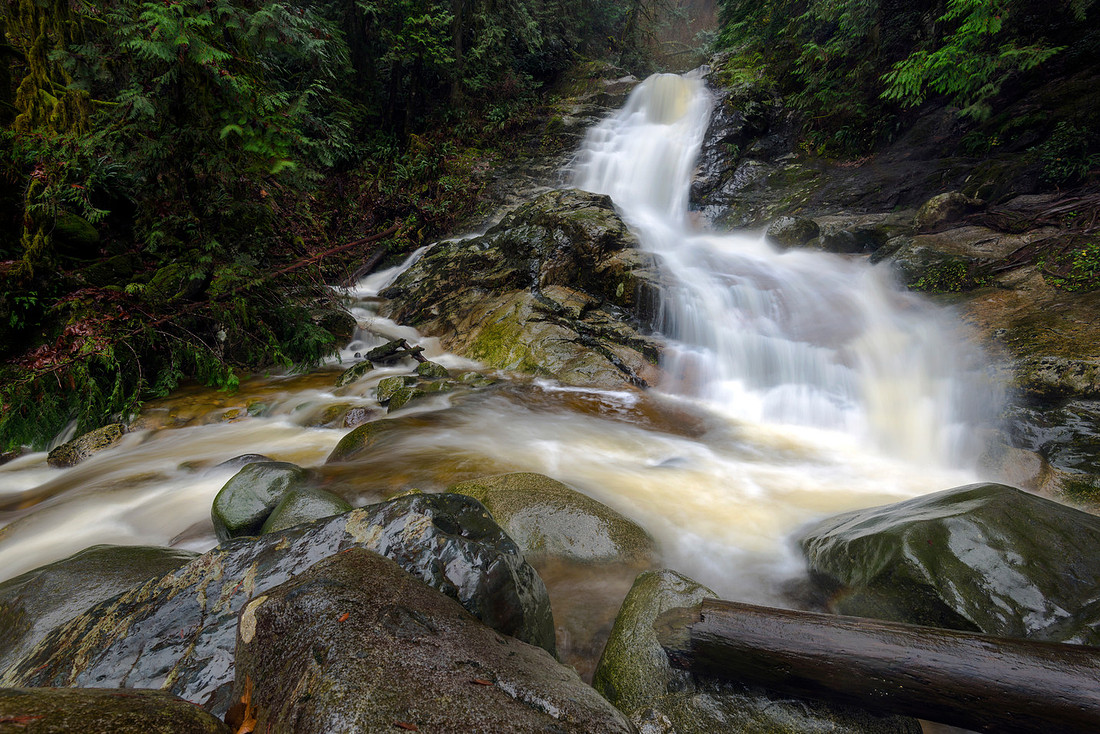
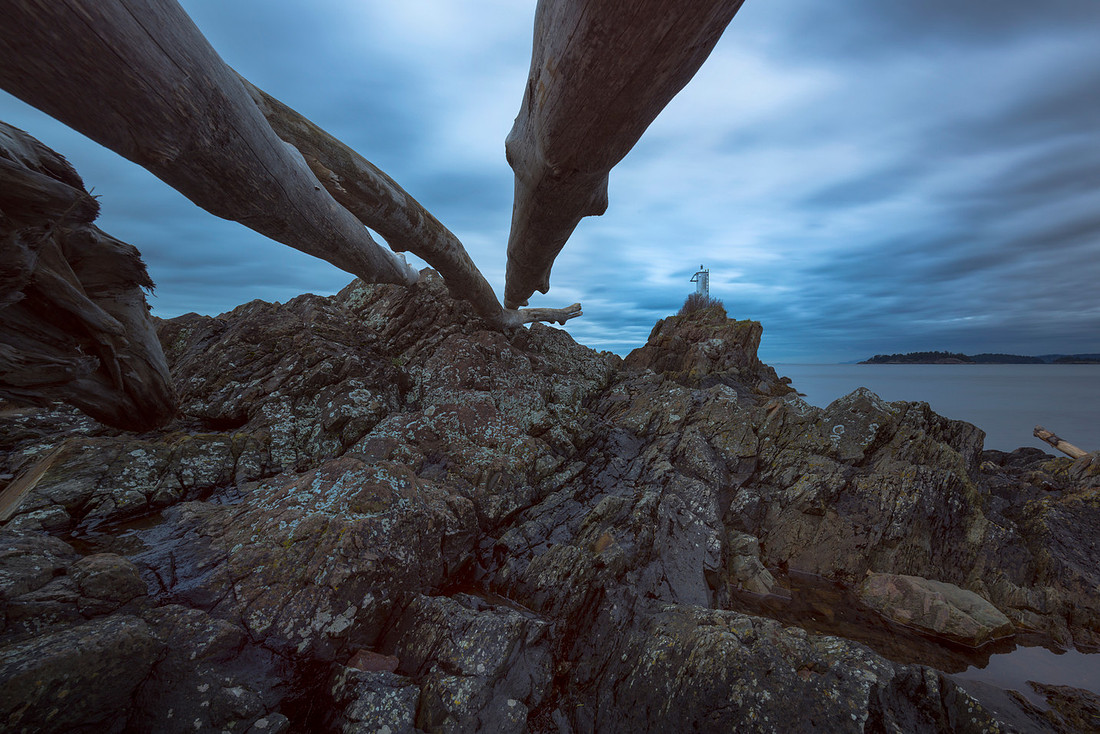
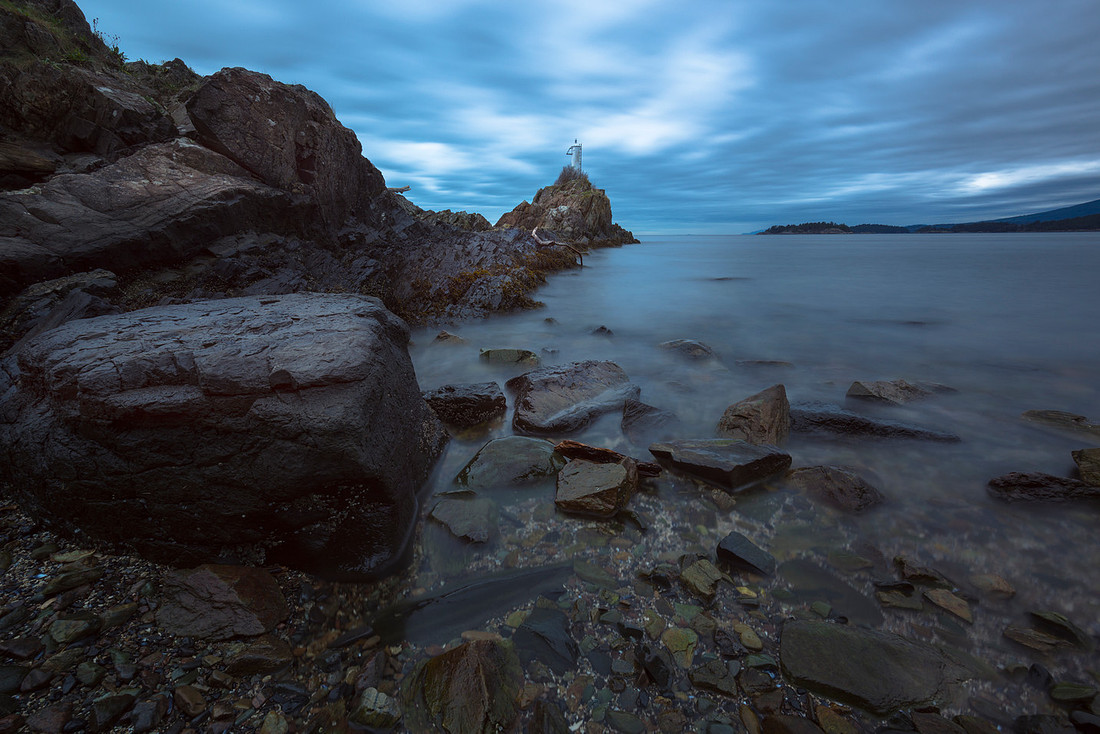
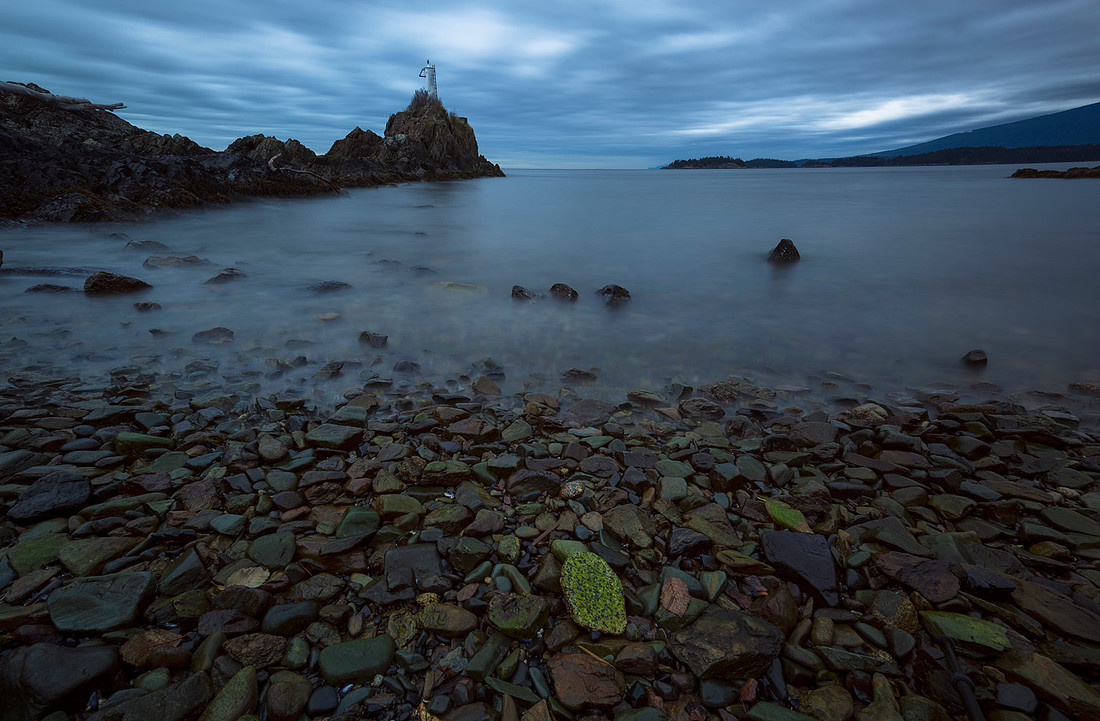
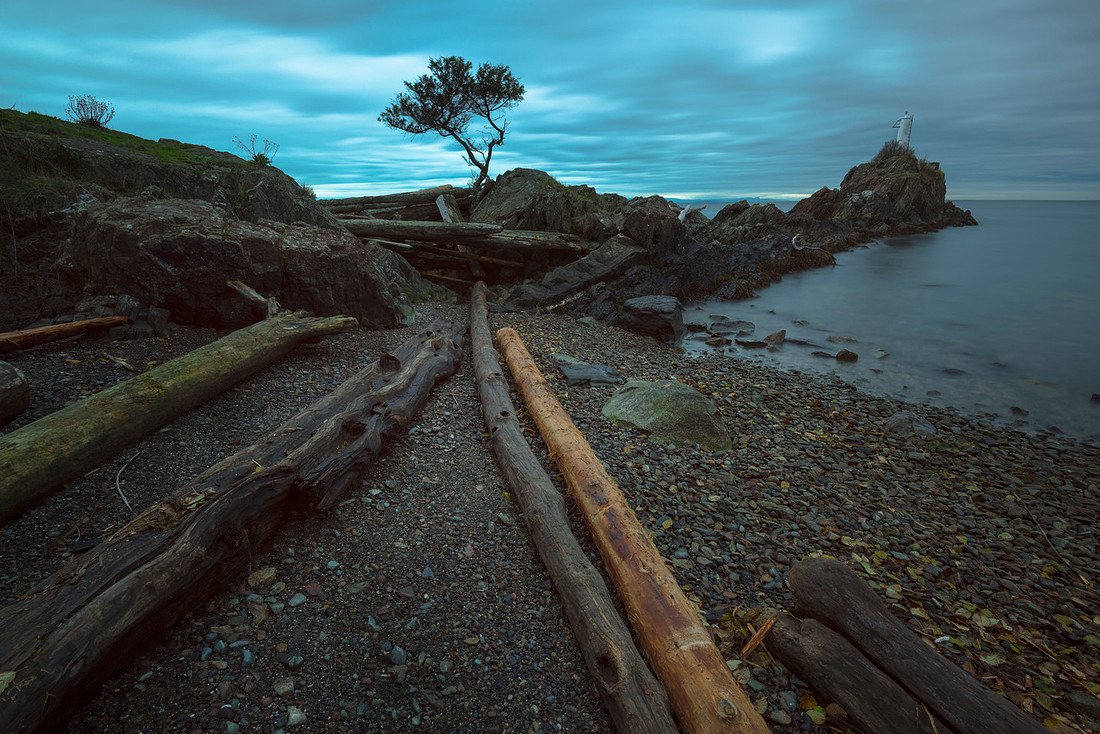
]]>
We decided to stay in a local feel in the small town of Pahoa along the south end of the island. Hawaii did not disappoint. It has made me want to explore the other islands.
Below is one of my favourite areas. This was an area that stretched through the centre of the island called Saddle Rd. Some of the largest cattle ranches in the USA once thrived here. Beautiful sunsets and extremely windy.

Green Sea Turtles thrive along Black Sand Beach, but that is the only place they thrive. This is one of the worlds endangered species. Such a gentle calming reptile.
 The tourist side of the island stems from the west coast and the city of Kona. Some of the beaches here are absolutely pristine and provide a window to the sunset that is unforgettable.
 The volcano is grand, but the ominous feel you get just watching it in the dark from miles away. An eerie glow lights up the pitch black sky letting you know who's boss.
 The lava tubes run all the way to the ocean producing plumes of steam and harmful gasses. The small lava flow you can see in the image is the size of a four story building. The lava moans, groans and screams as it pours into the ocean.

Kona also offered some great options to photograph sink holes in the ocean created by sunken lava tubes from days passed.
 Mauna Kea is a dormant volcano that now houses one of the worlds top observatories. At just over 13000 feet the volcano offers some wild views of the milky way and the constellations. Cold and alone; this was a great place to let the mind wander.

Many picture Hawaii to be beaches and hotels. Not true. Several pieces of the island contain tropical jungles and untouched coastline that make for some good hiking. Be prepared for extreme weather changes.

 If you are looking for waterfalls; then this is the place for you. Too many to count here and many of them are inaccessible or on cliffs that you can only challenge with a telephoto lens. Below is Rainbow Falls in Hilo.
 Want to walk on an old or active lava field. Well you can do that to. Among other things here are some more photos for you to enjoy Hawaii.


]]>

Sitting alone on a couch, eyes blank with dark circles showing all the signs of a sleepless night the young man sat motionless. His hair unkempt and his skin so pale it appeared translucent. The room was busy with activity, but his visage didn’t acknowledge a single soul was around. Seemingly deep within himself the young man showed no signs of being emerging from his internal cocoon. I have seen troubled people before; it’s not uncommon in the business, but he seemed like even the shell of a man was fading. I sat down beside him, his gaze still fixed blankly in front of him as if he didn’t even realize I had arrived. We sat in silence for what felt like an hour. Finally I introduced myself and he turned ever so slowly with his head low and grey blue eyes looking up at me and his bottom lip beginning to tremble he uttered only four words. “Why wasn’t it me”.

Those first few words were said in a voice that was filled with fear, sadness and anger. The young man went on to describe the painful story of having a family member torn from life through a senseless and violence act. The young man had been using drugs and alcohol to suppress his sorrow; that the feelings surfaced on that day were the hardest words he had ever expressed. He was actually sitting in the feeling of grief that had been so long stunting a life that could not move forward.

In the coming weeks and months the young man showed more bravery than a Spartan warrior on a battlefield. He allowed himself to become vulnerable and shared his emotions and anger with his peers and the staff. Realizing that what happened to him was not him and that he could choose what he wanted to become. Moving through grief was the key to letting go of his anger, guilt and shame. This young man had believed that if he had of been able to change certain things from his past, that this horrific event would never have happened. He had pulled all the weight of the events on himself and believed that if he had of arrived early, left late, or didn’t stop to get a sandwich, things would be different. Shedding the layers of his feelings and allowing himself to gain strength and power from the fellowship his paradigm shifted.

From a man that had yet to smile; I will never forget the day I heard him laugh. Reborn to being truly alive the young man sat down in my office and told me a joke; a really bad one at that, but we both laughed and smile together. As many of these experiences began to happen over the following weeks it was hard to not marvel at the transformation of one man’s journey through hell. Leaving drugs and alcohol behind the young man was talking about his future. When he arrived he believed his only future was suicide. The pain had been so strong and so powerful that he believed his only way out was death.
Now a bright future lay in place as his story was not over yet.
Watching the human spirit rise in the wake of evil is a miraculous thing. The ability to transform is not beneath any of us and this is proof. The story of this man’s life was nothing but tragedy after tragedy, but removing himself from the chaos of use for the numbing effects of suppressing feelings he could see the light again.
Smiling and laughing on his last day in treatment he looked at me with now brilliant blue eyes and a skin tone that was the color of a spring bouquet of sugar tipped roses and said “thank you.” I replied with “you’re welcome”, but we both knew he saved himself.
]]>
]]>










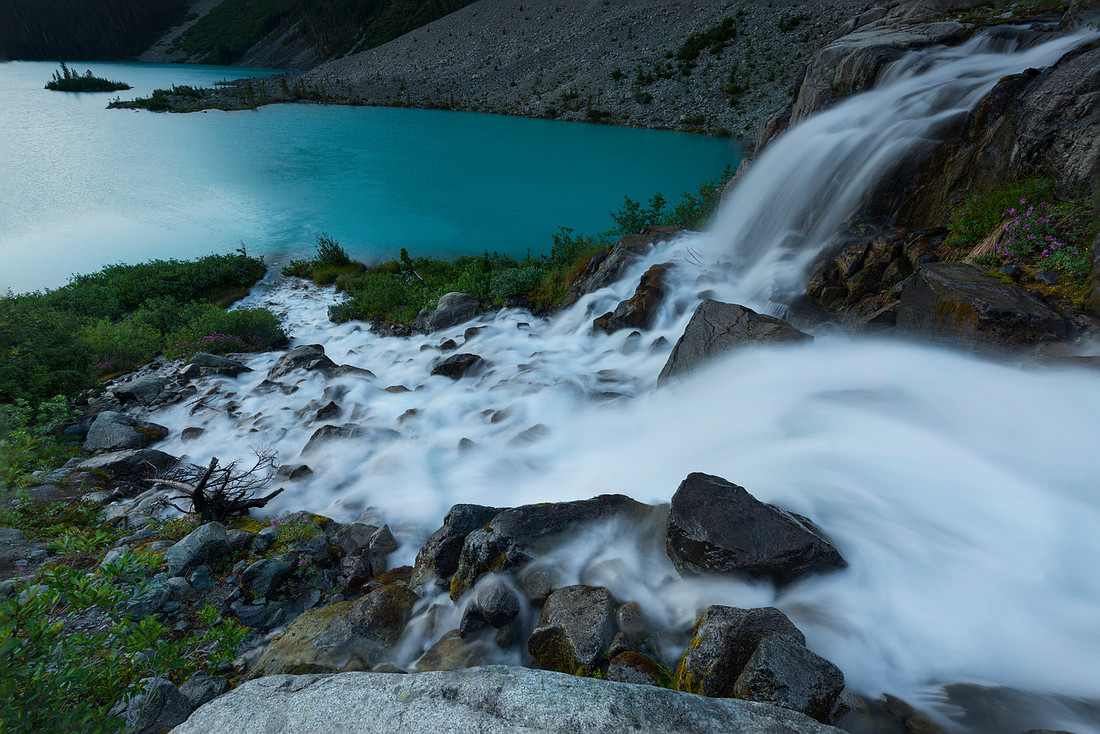
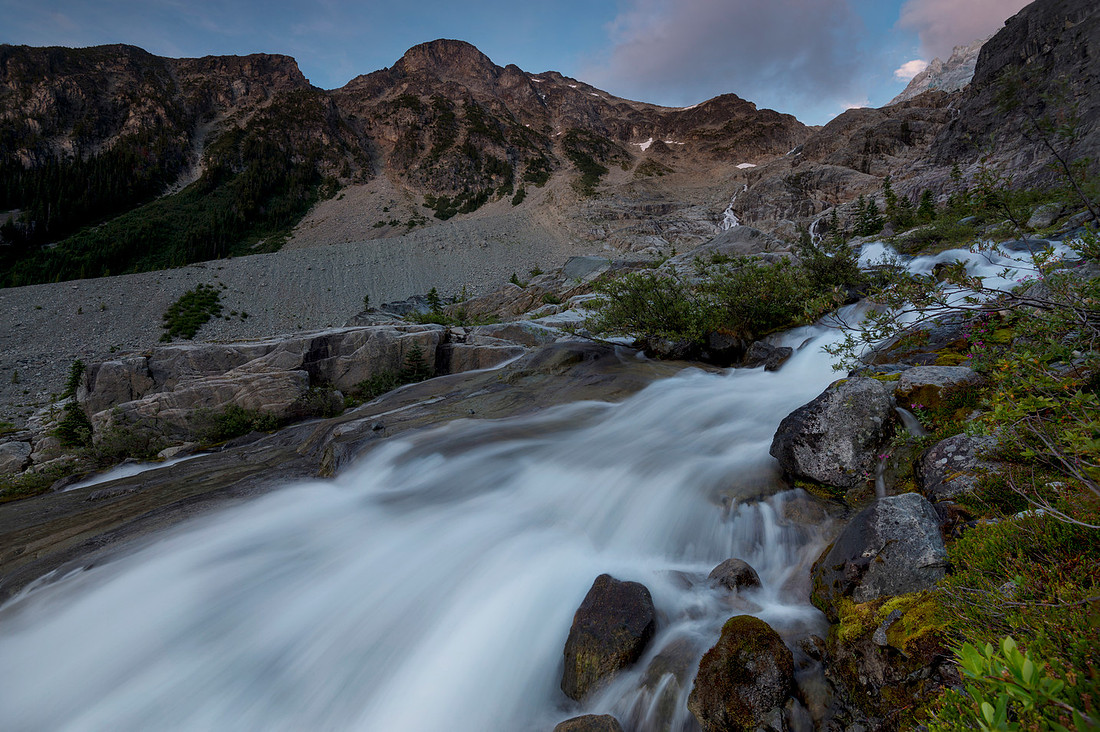
]]>
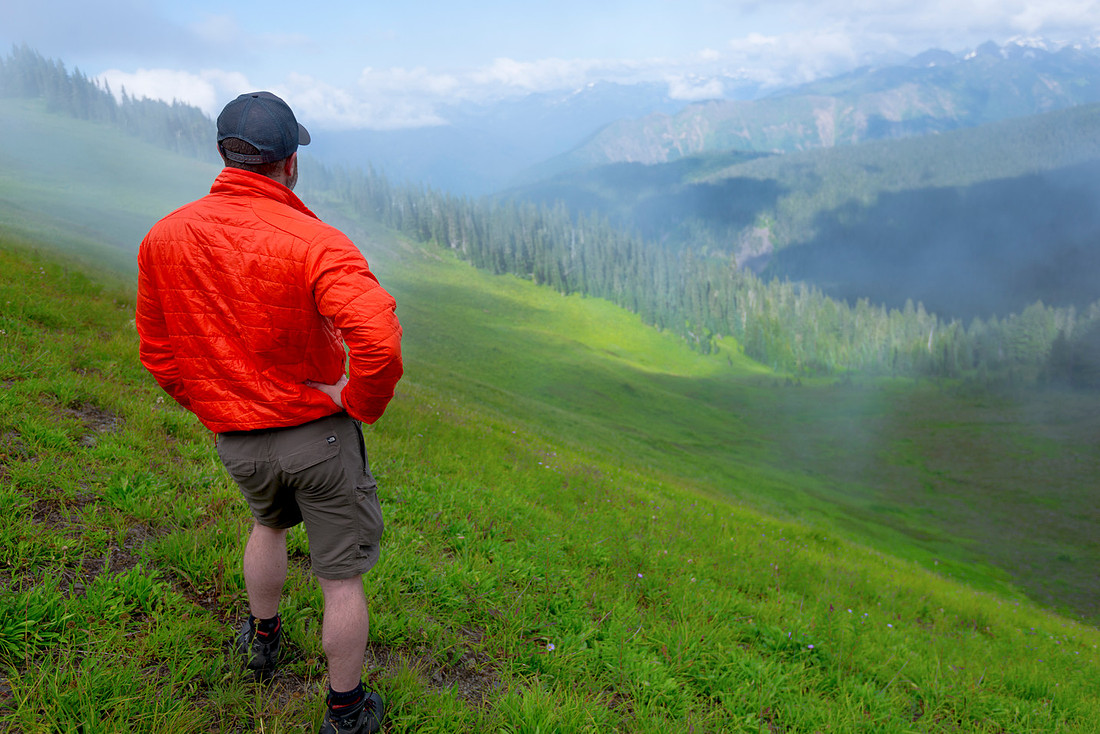
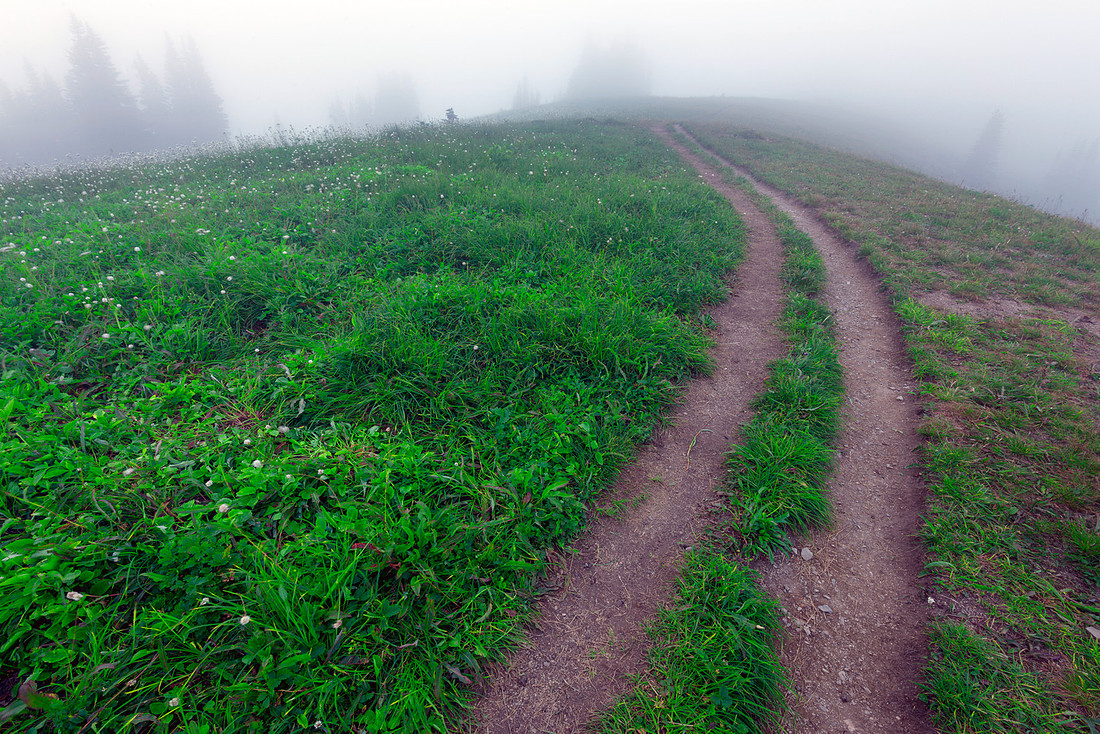
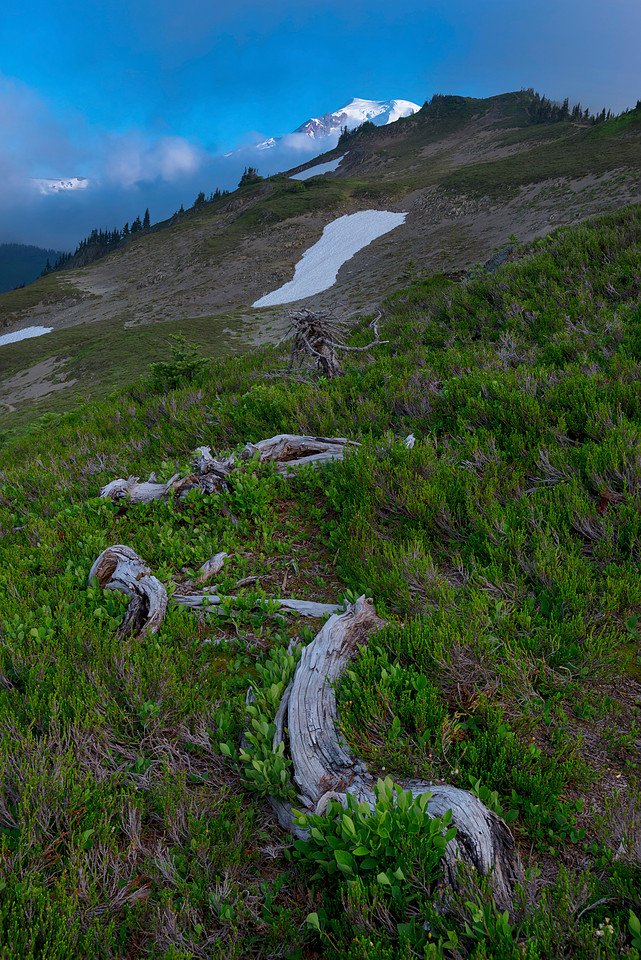
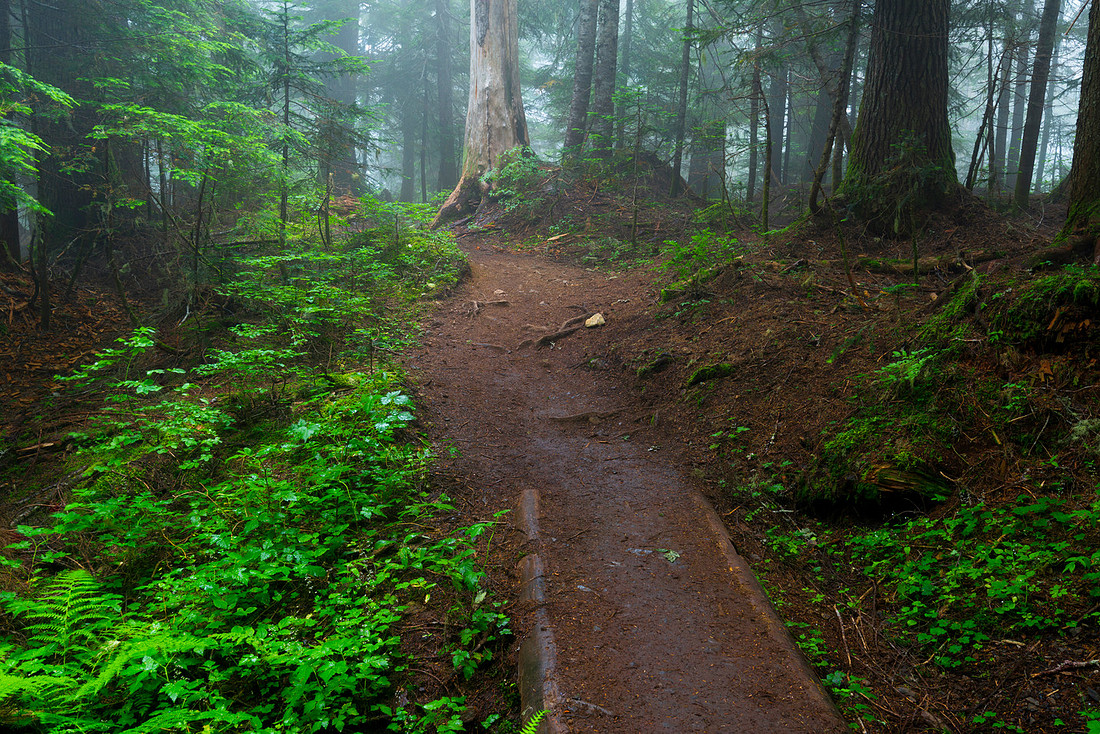
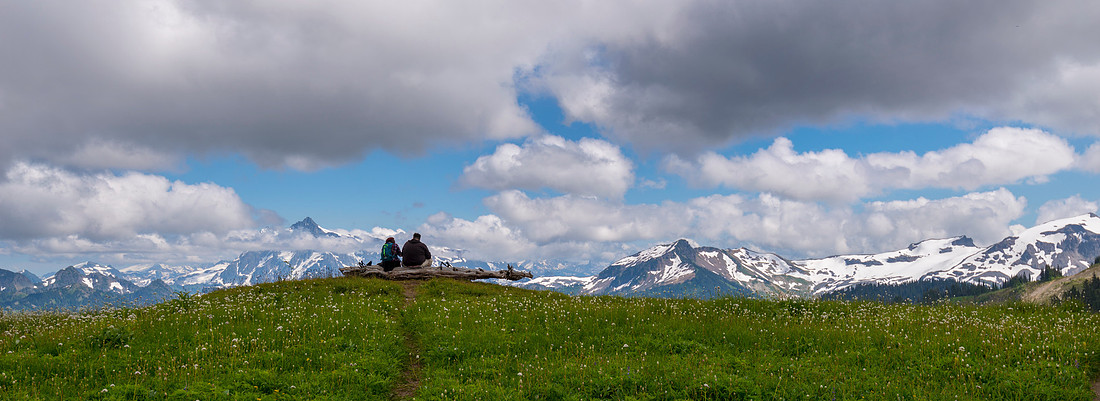
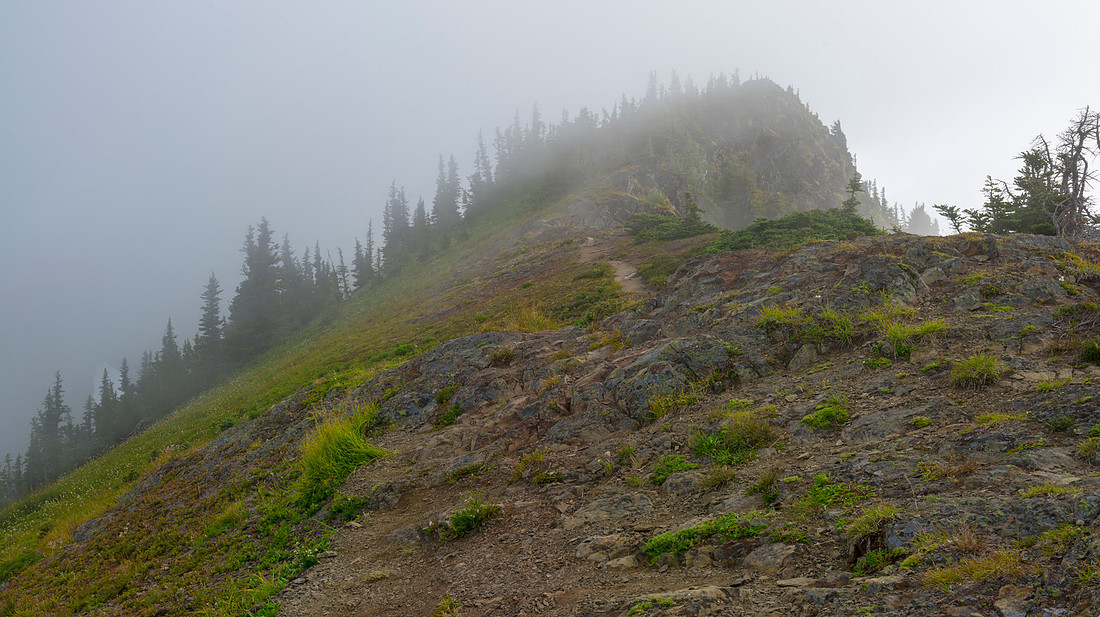


Some B&W and Colour.








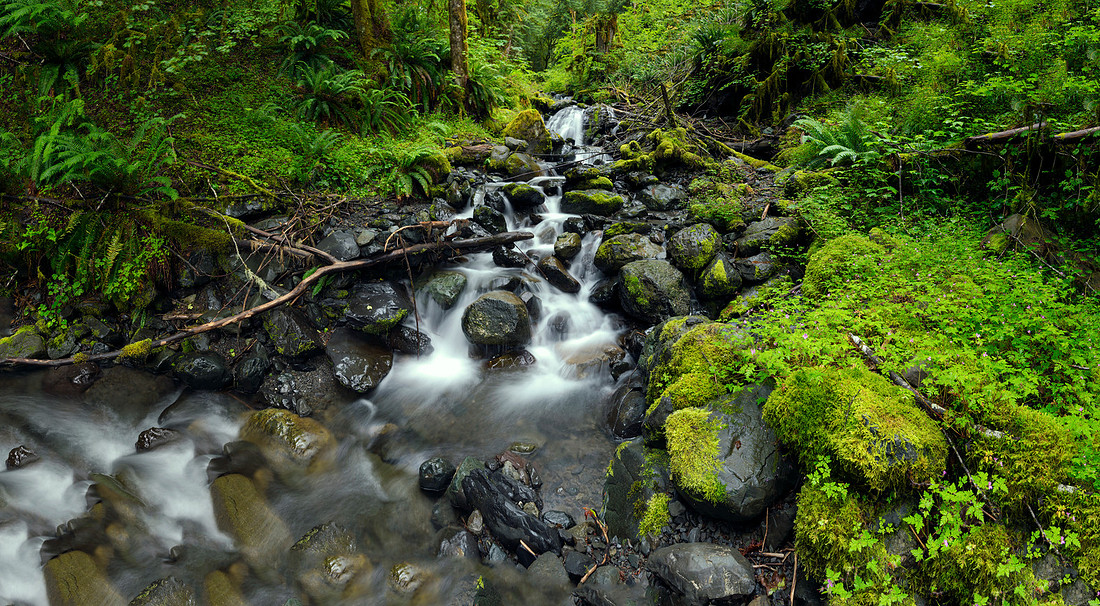
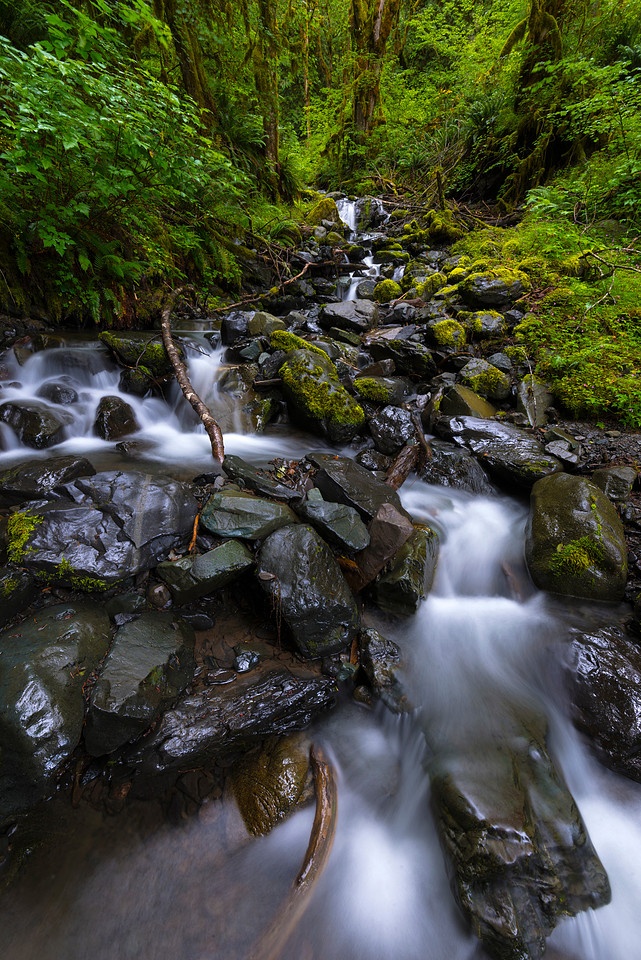
Here is a view of Fossil Creek.
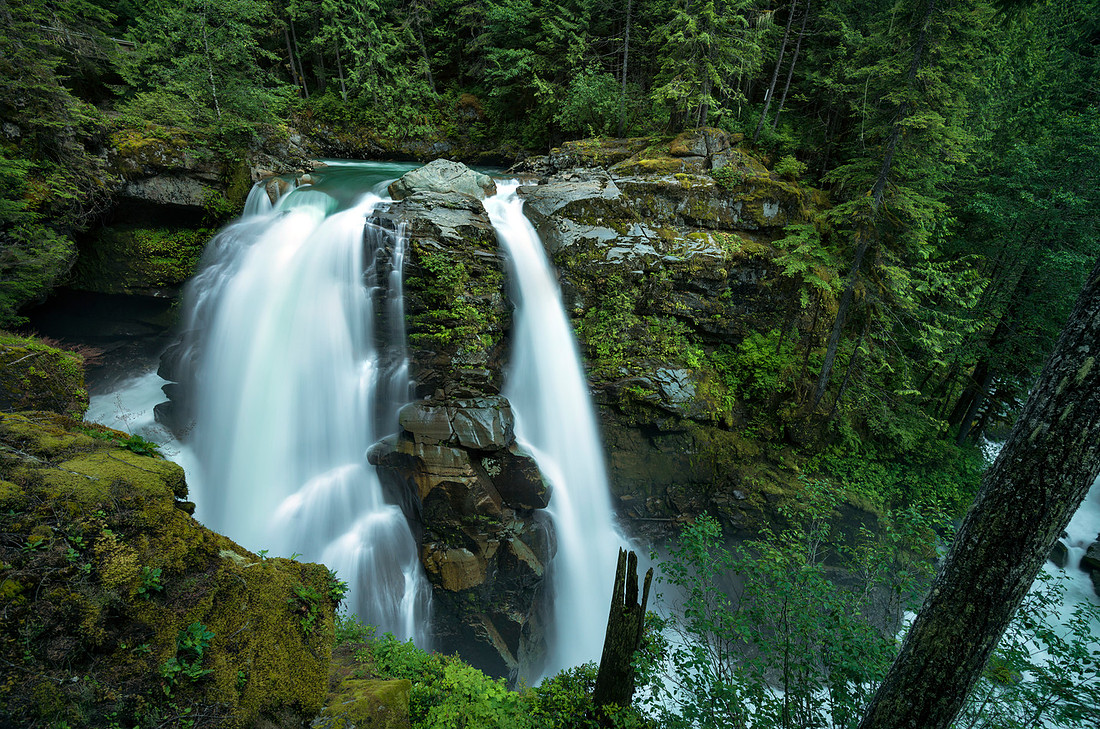
Nooksack Falls.
 A beautiful panorama of Fossil Creek.

Tara at work.

Samantha applying some hair spray.

Tara with some makeup.

Myself dong some ... well ... selfies!!
 More Samantha finishing up a cut and style.

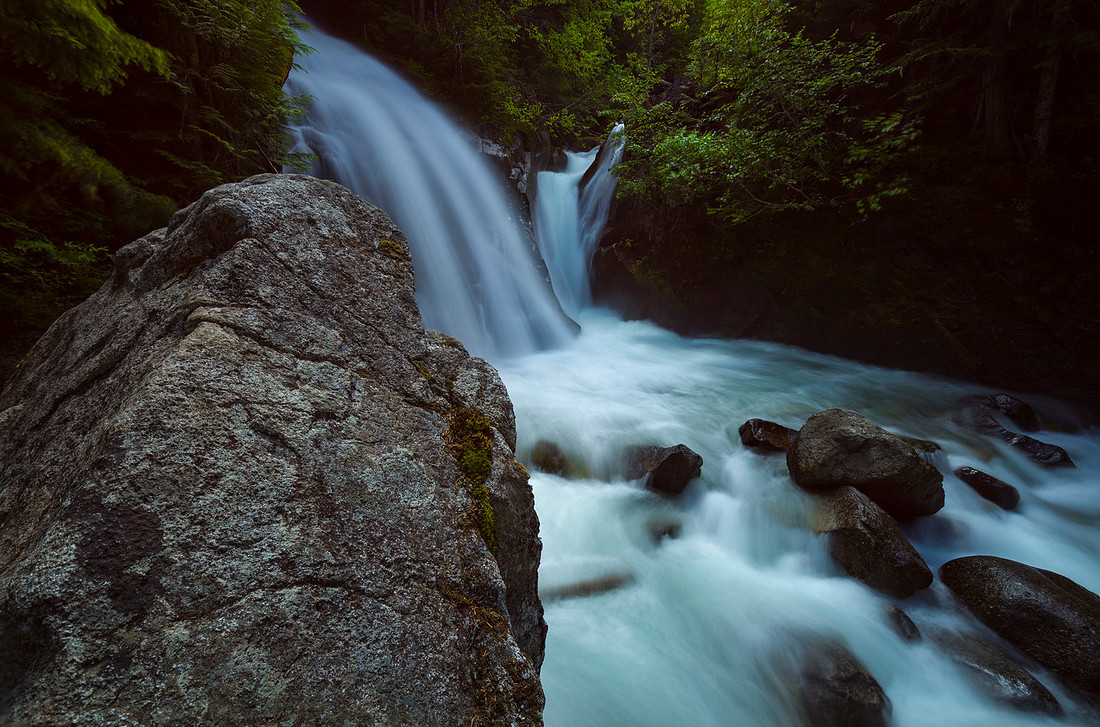
Rainbow Falls.
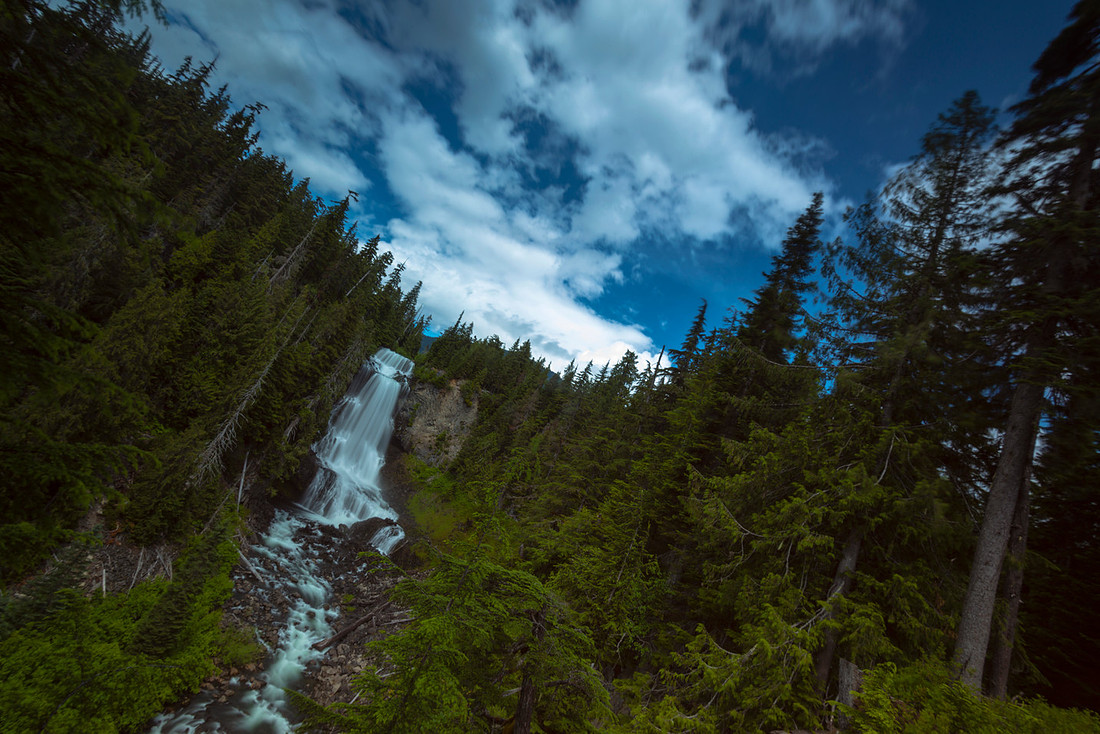
 Alexander Falls
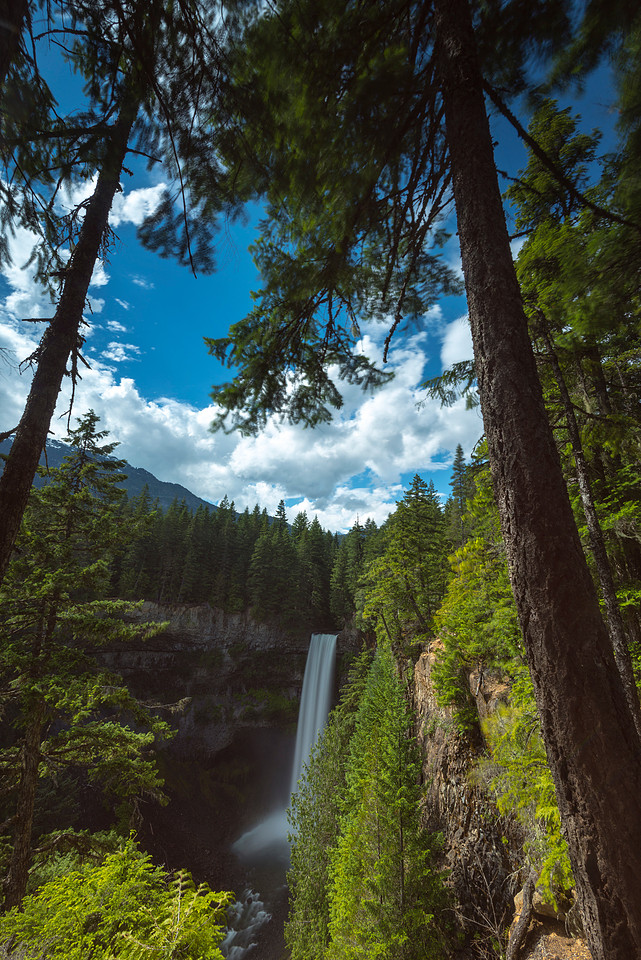
Brandywine Falls.
More Rainbow Falls
One more of the creek cascading over Brandywine.
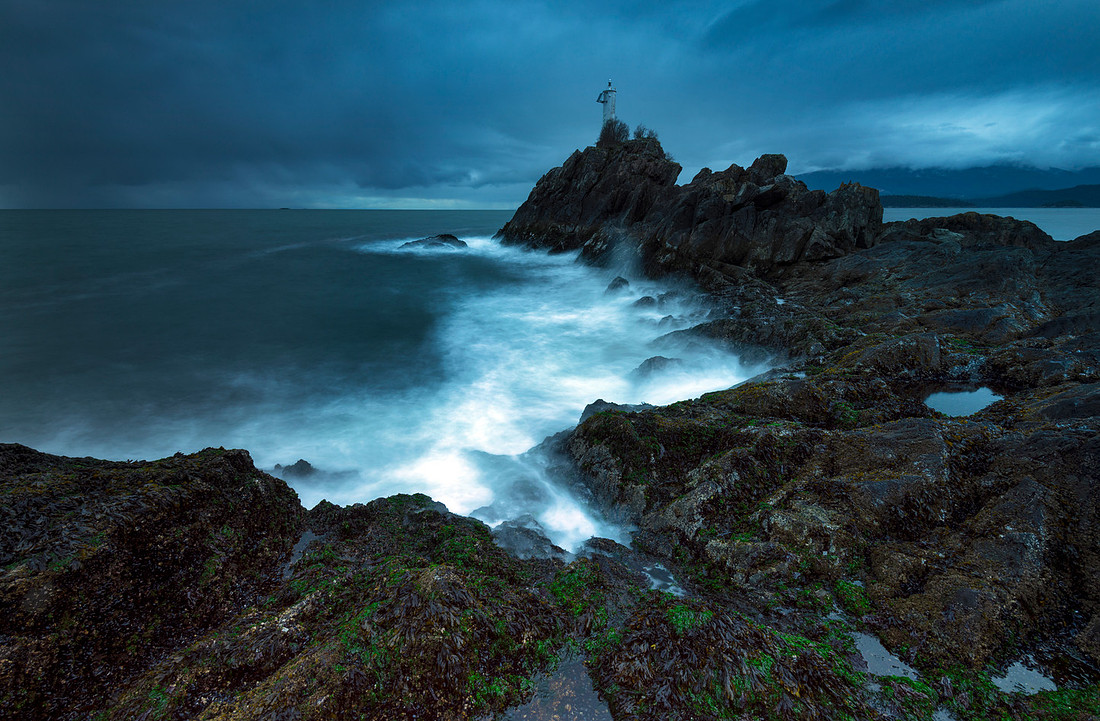
The first time he tried to speak to me he couldn't even explain his situation without breaking down into tears with guilt and regret. A man that was broken emotionally, physically and spiritually sat in the chair across from me. He explained that he needed this or he would have nothing to go back to in his life; that he needed to find himself again or he would die. I listened and nodded my head and allowed the man to talk to me; a complete stranger. How hard it must be to sit and talk about something so intimate and dark with only a fraction of hope left. Wiping away tears that wouldn't stop coming; he expressed that alcohol had become his best friend and his worst nightmare. Admitting that he was powerless was not easy, but he did it and looked up at me as if to say "I surrender".
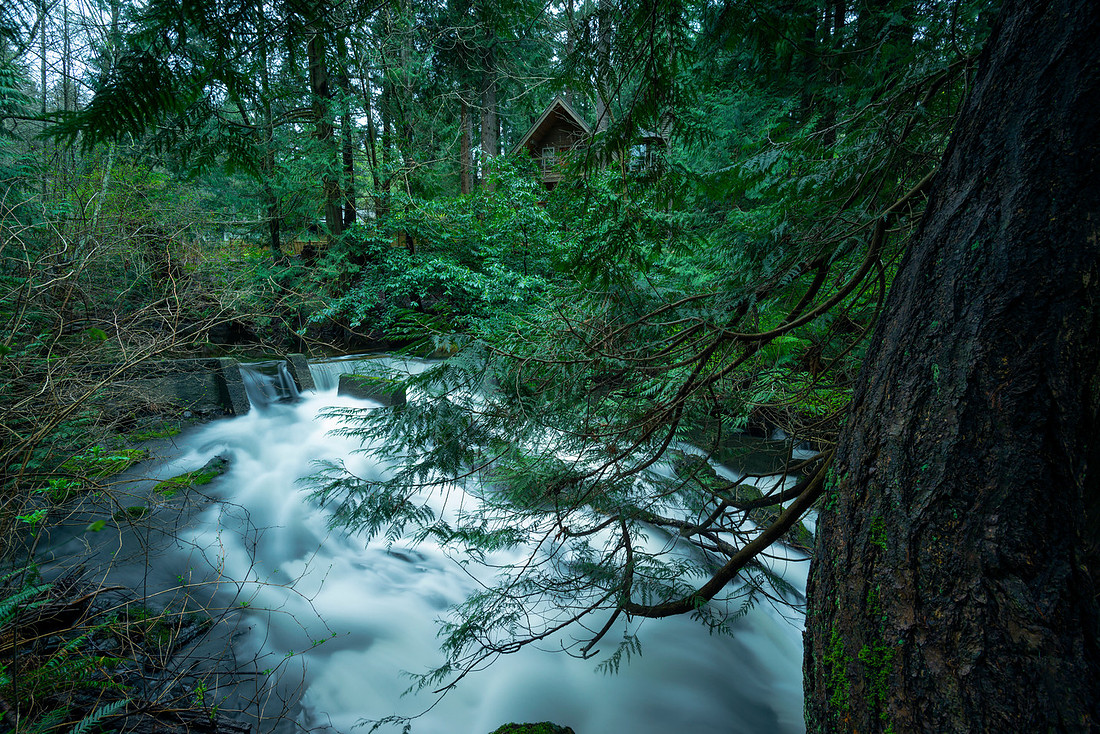
Over the coming weeks I watched the frail man begin to smile when he talked about his wife, and his spirituality and his family that he so deeply loved. As the days stretched forward without the use of alcohol the man that was authentic and human began to shine again. Working through and talking about the deception, the deliberate isolation to keep drinking, the failed commitments to his wife, the embarassing aftermaths, and the financial troubles that had been sparked from what seemed like a sleeping giant called alcohol. He explained how everything was in control one moment and in the blink of an eye he had become the damaging being that wrecked havoc upon everything he held to his heart.

The man that was so lost and so afraid had soon become a leader. Watching this man help other's new to treatment and building confidence in almost every minute of the day was infectious. He even stood taller and his words had deep intrinsic meaning that others listened to. The man was seeing who he really was for the first time in years. Every time we spoke in private the man still carried guilt and shame, but was able to let it go with the hard work he put into the program. The man was finding self compassion and was radically accepting what happened and was seeing not what happened to him, but what he knew he could become.
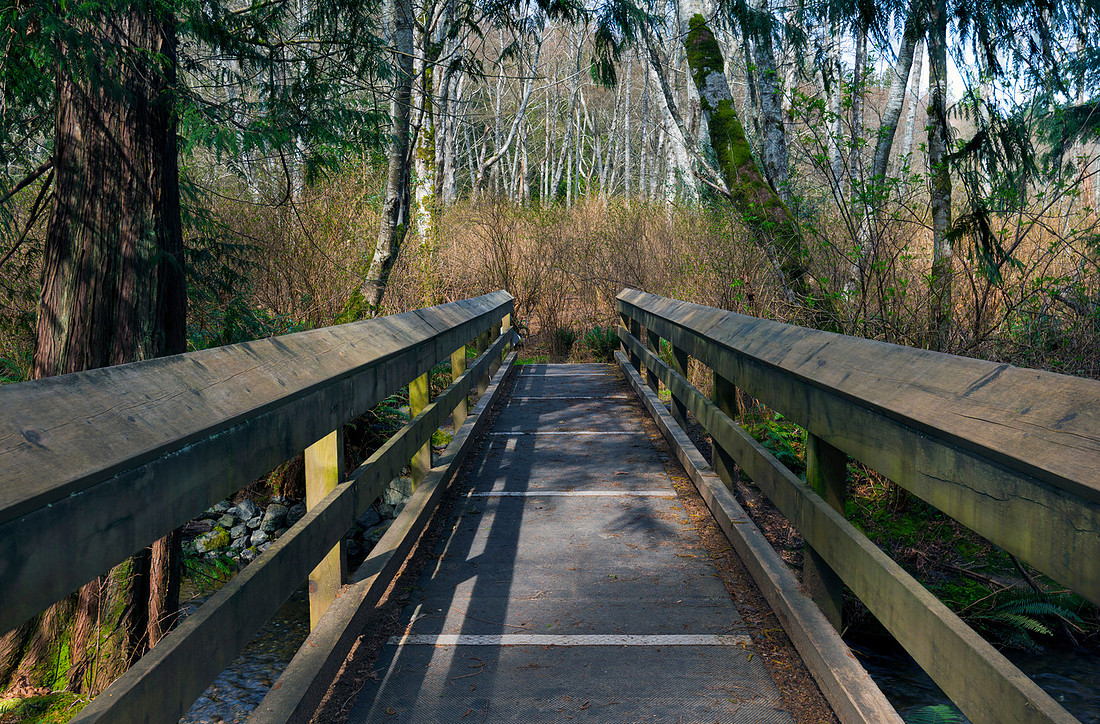
On his last day in treatment I presented a certificate of accomplishment to the man and everyone in the room met him with applause. Each person spoke of one word that described the man; all with deep thought and meaning that was true to him. The man that sat in a chair in our lobby with his head in his hands had found who he was again. He now had goals and tools, along with a huge support system in the 12 step program. Before he left the room he hugged me and wouldn't let go. He told me that he will never forget what myself and all the staff had done for him. Gratitude, love, and kindness would not be the words used to describe the man forty two days prior, but today those are the only words I would use for this brave soul. In all my years in addiction across this country, this man touched my heart in a way that says resilience in the human spirit and the reward we get for watching such an amazing transformation is exactly what we should all strive and live for.
All photos are from beautiful Bowen Island surrounding The Orchard Recovery Centre.
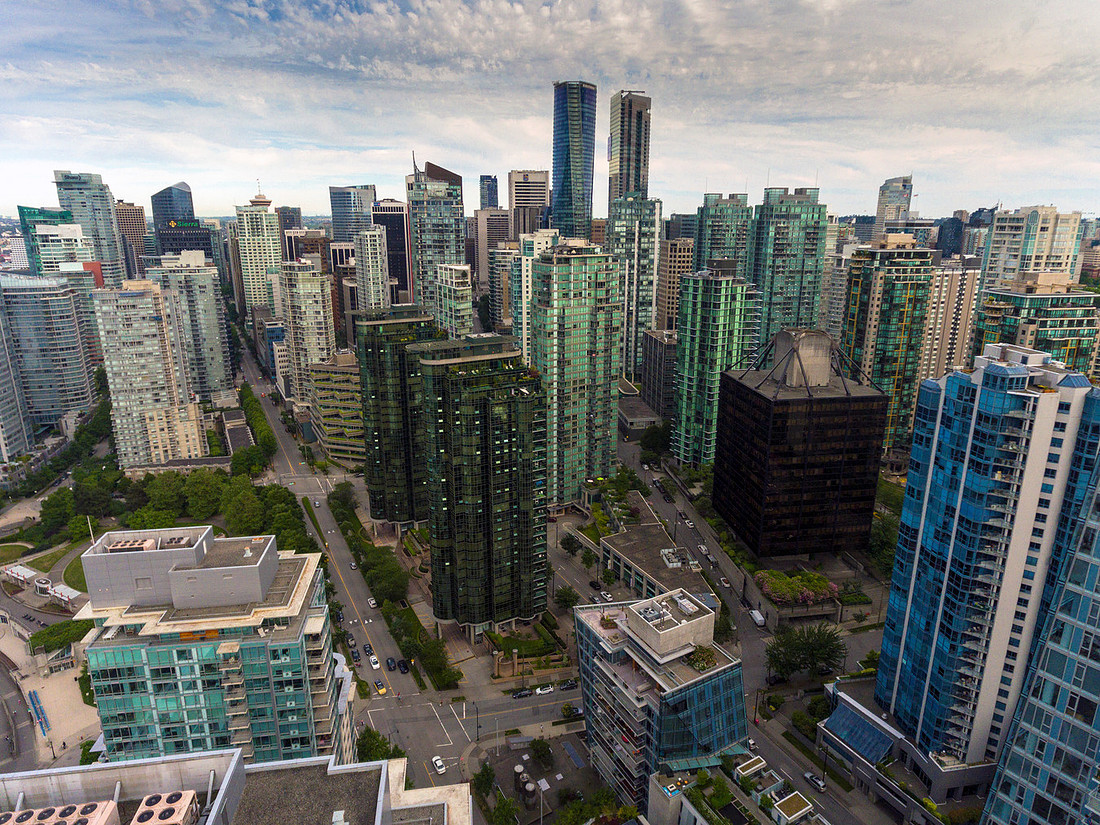
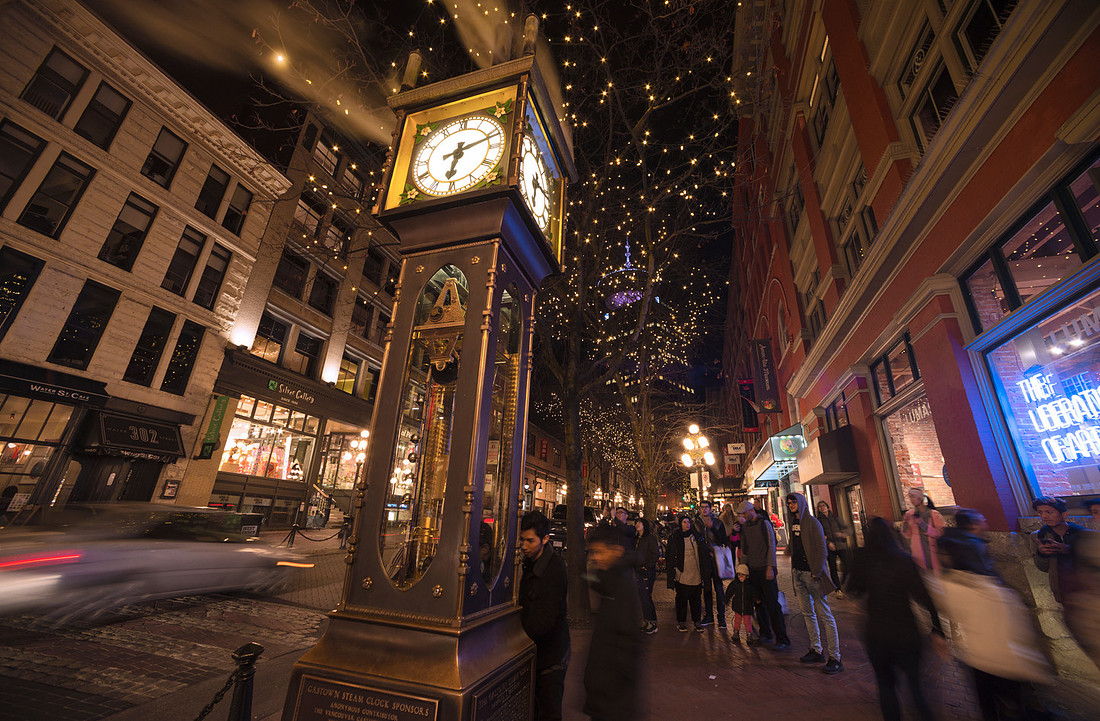
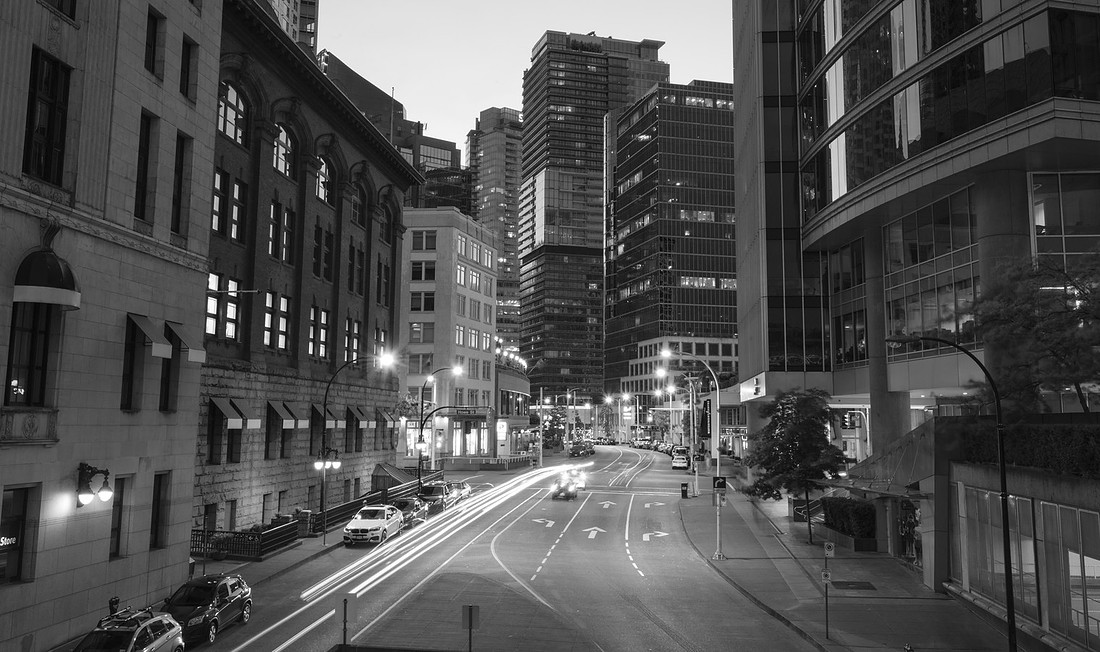
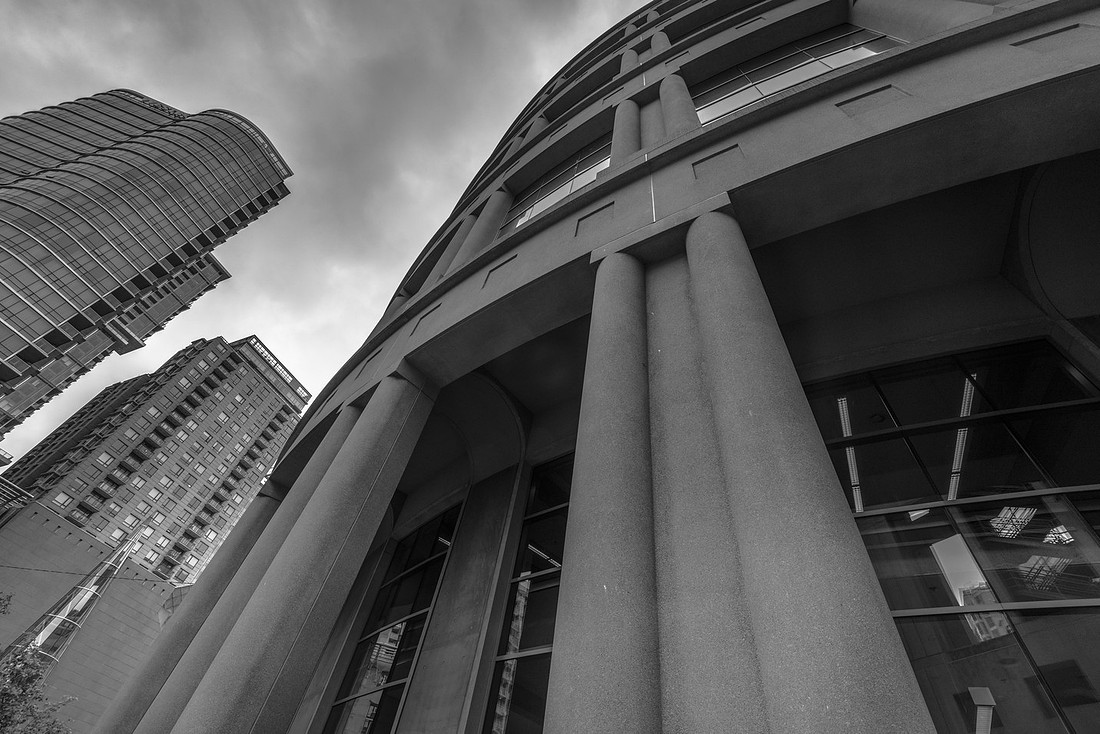
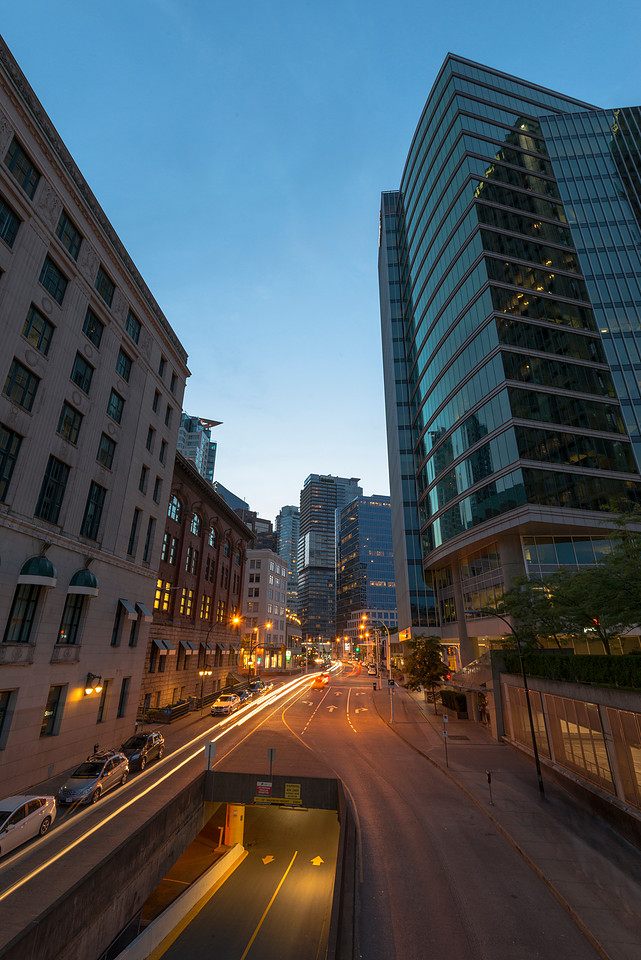
]]>Below is the Vancouver Library
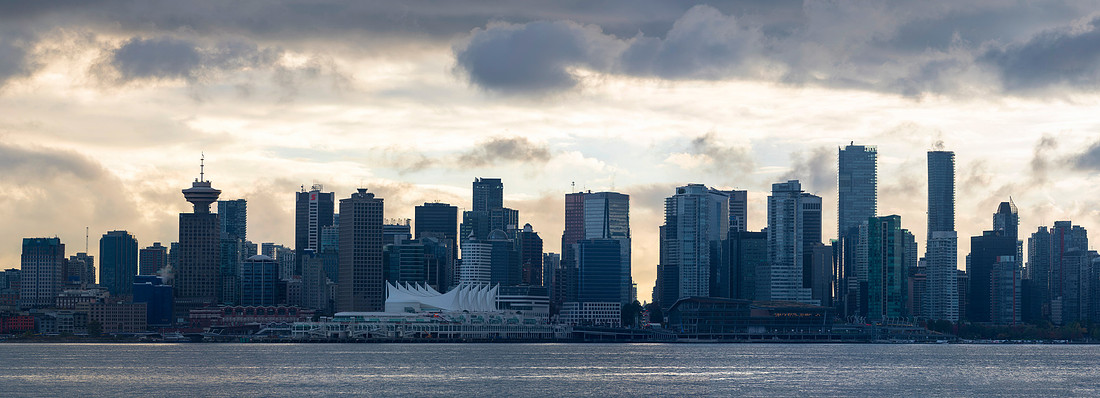
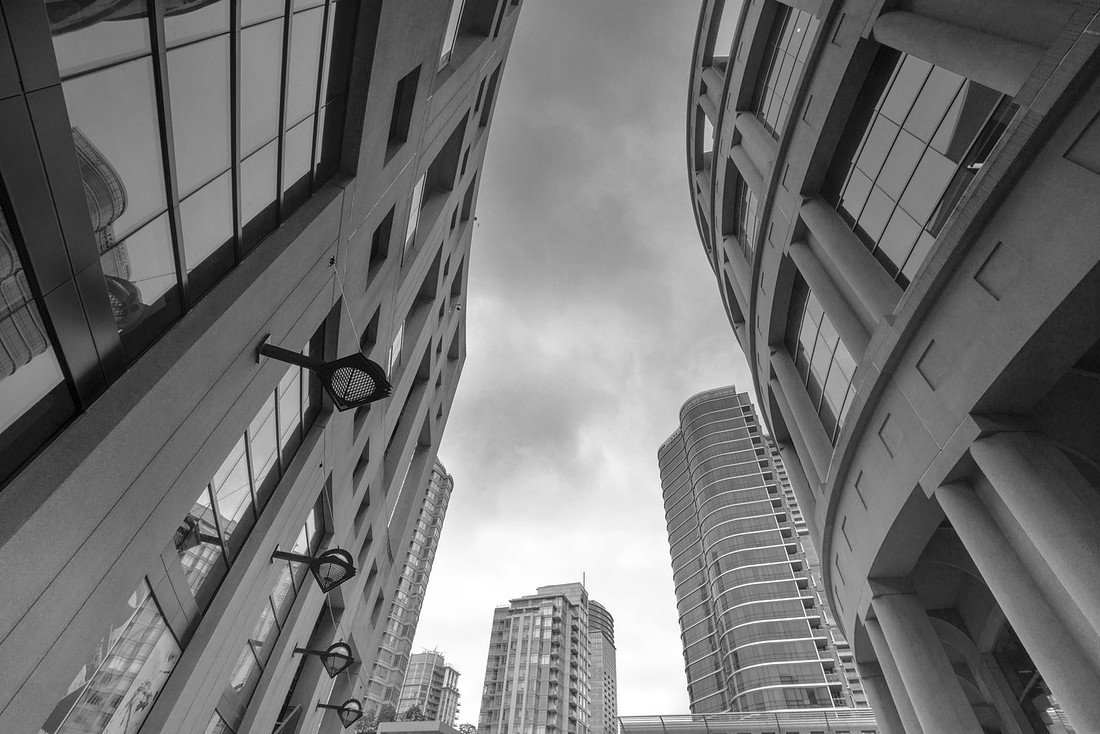 Some more of the library here and the overpass looking back from GasTown.
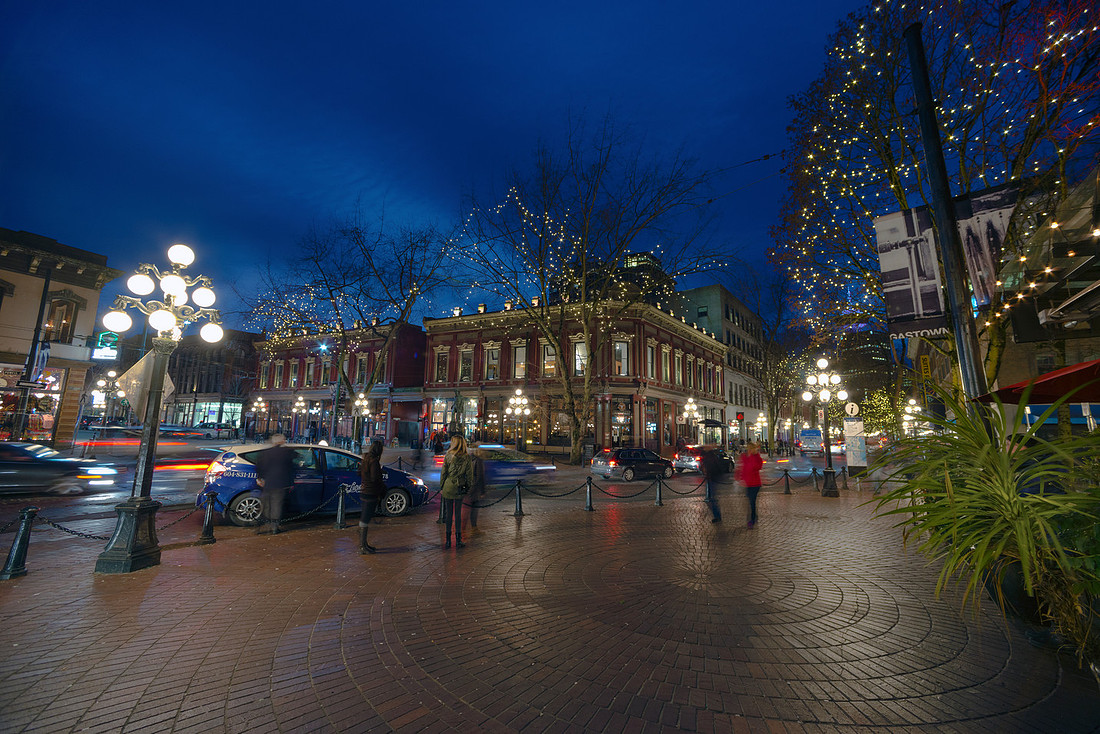
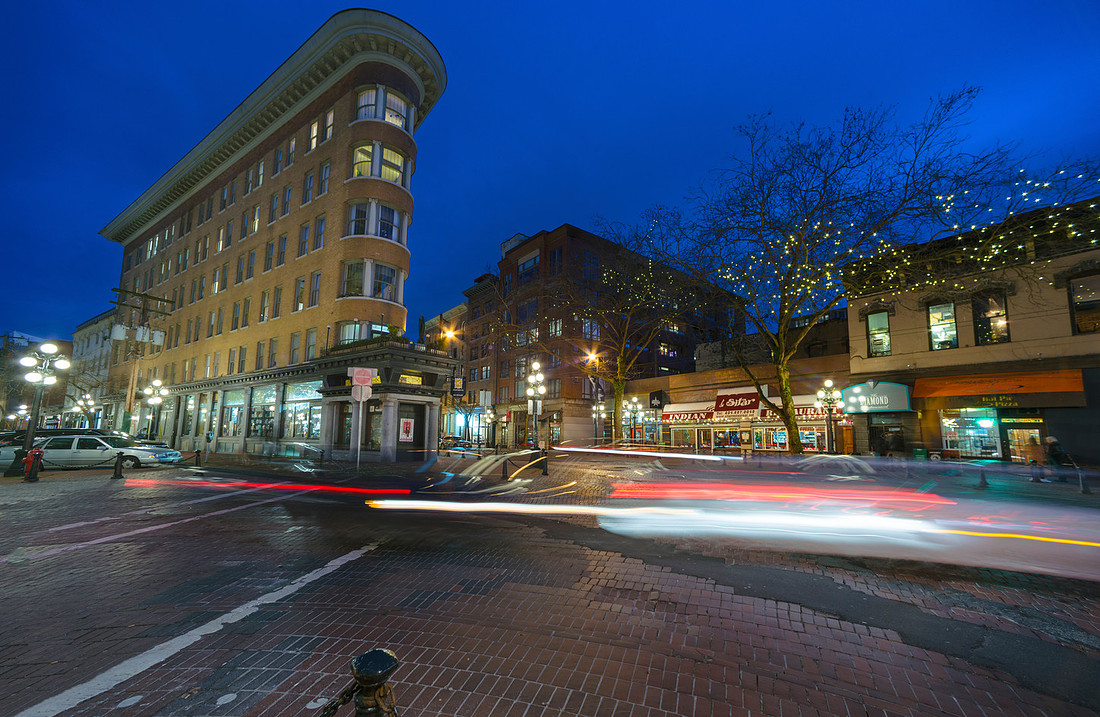
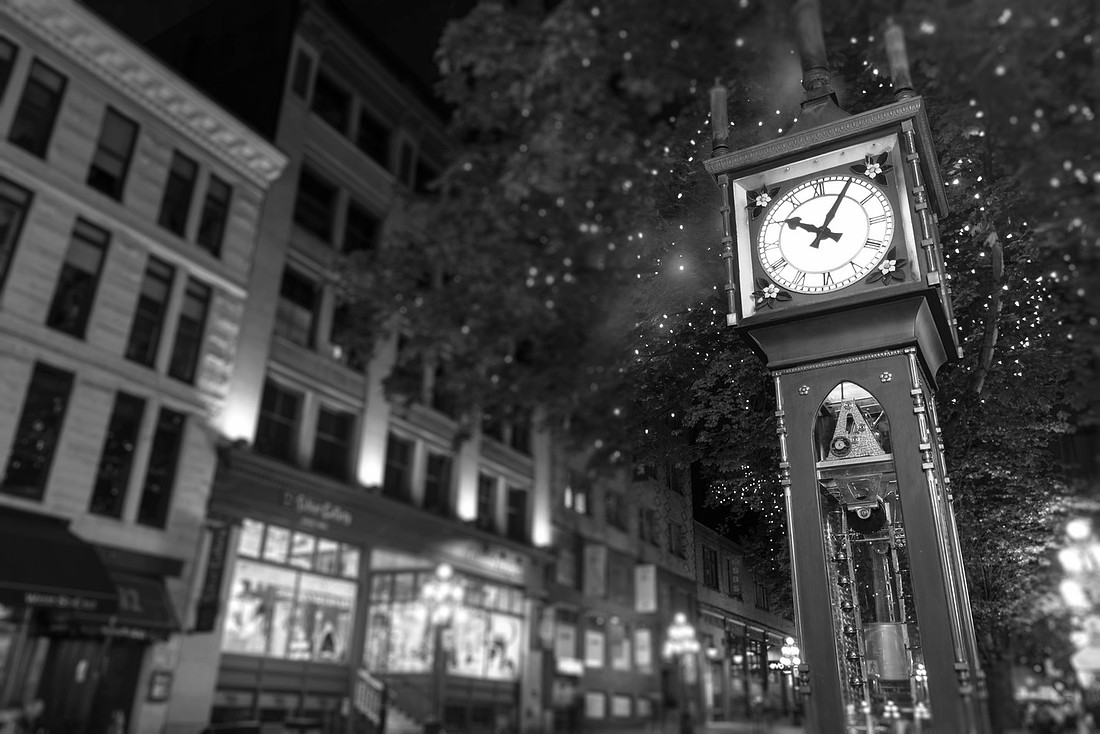
 GasTown in itself is stunning .... the nightlife is so busy that it's hard to get a shot without a person in it. The Steam Clock has a stead amount of traffic day and night.
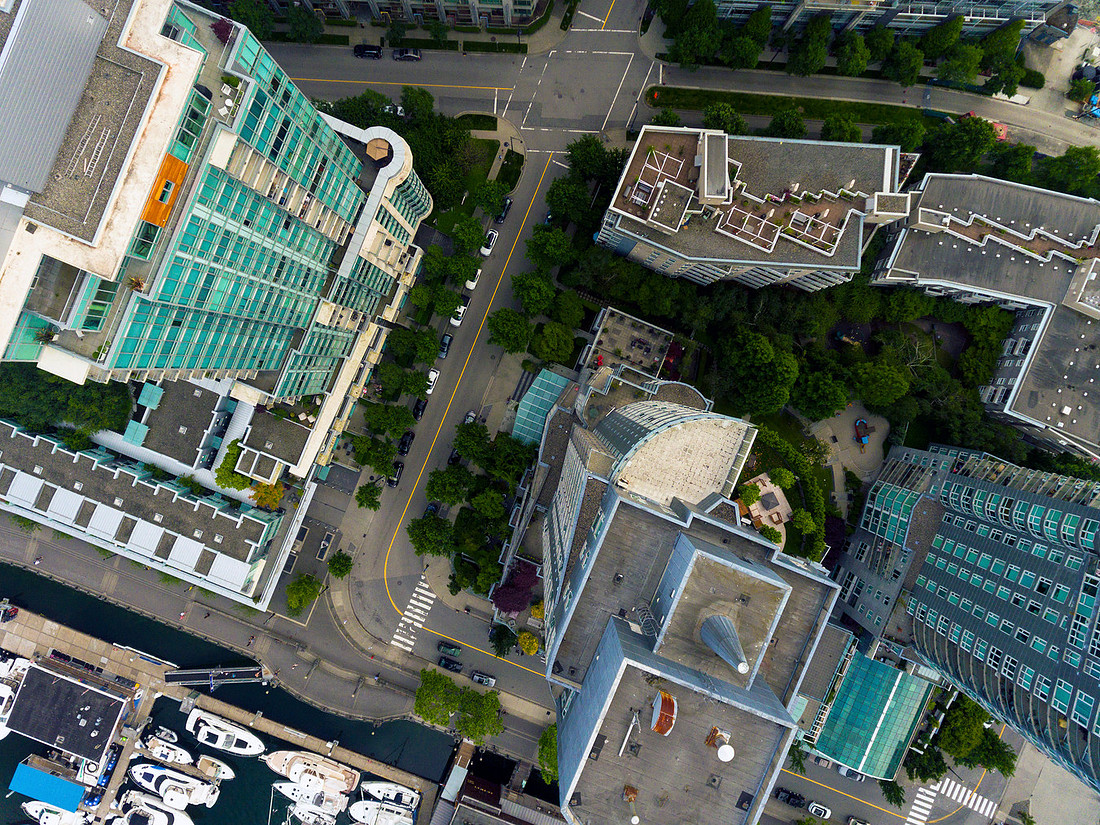
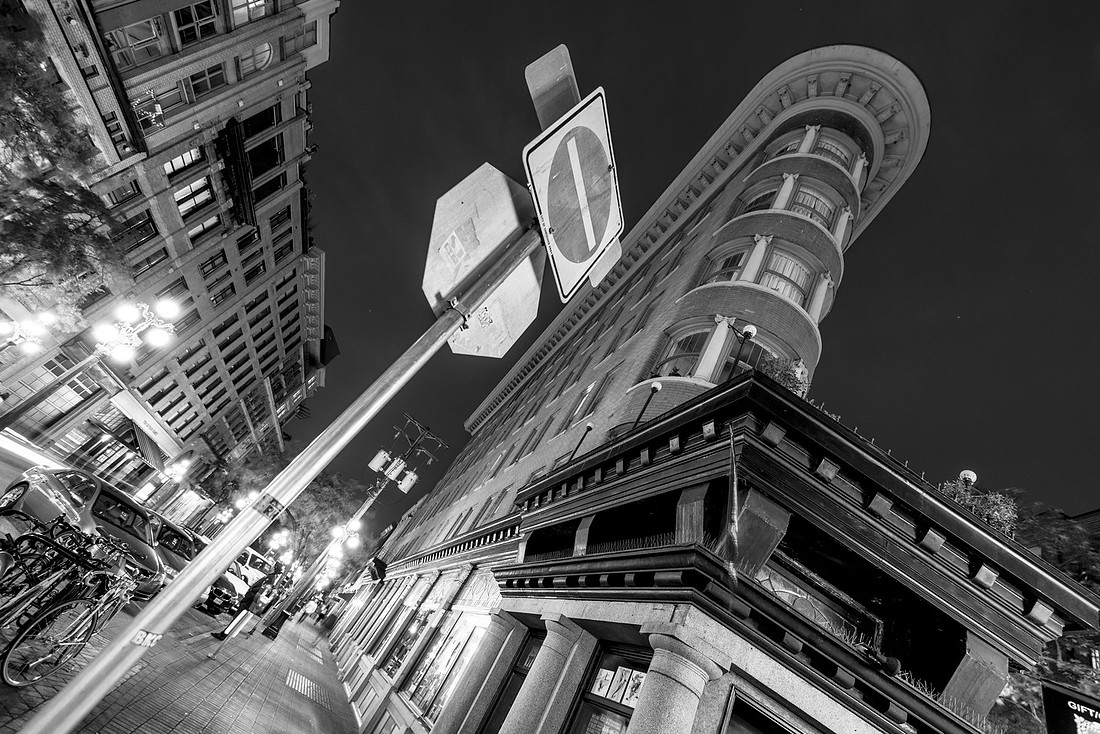 Coal Harbour has some good scenery as well along with more GasTown in colour.
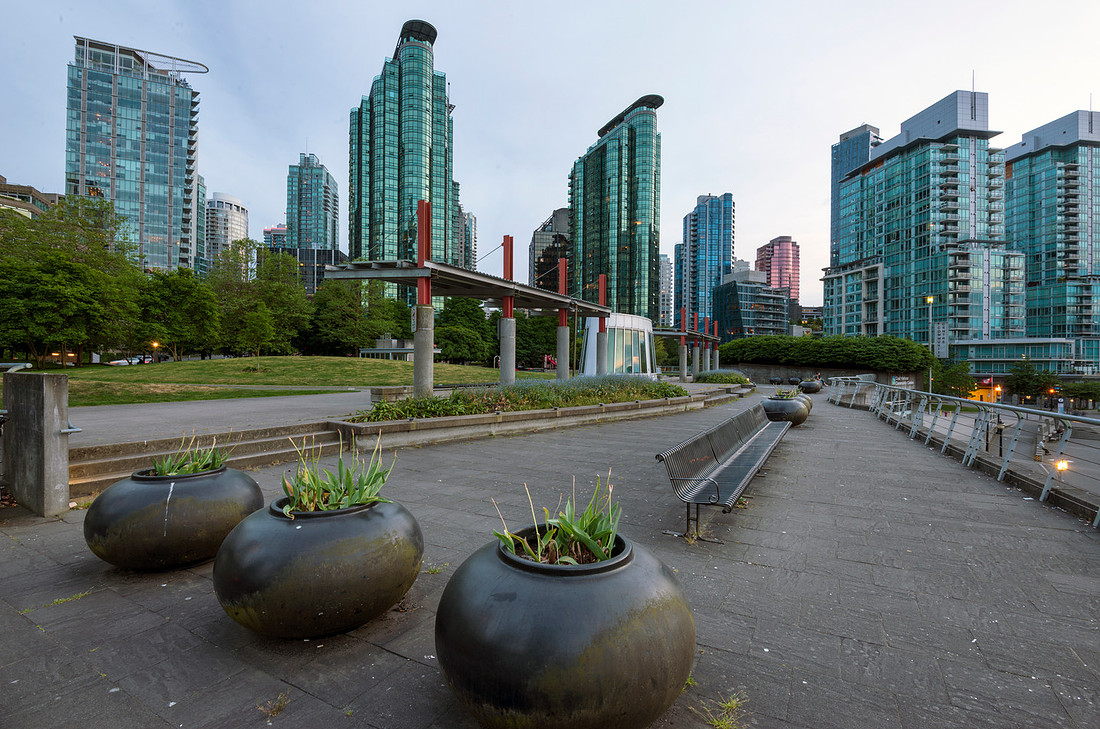
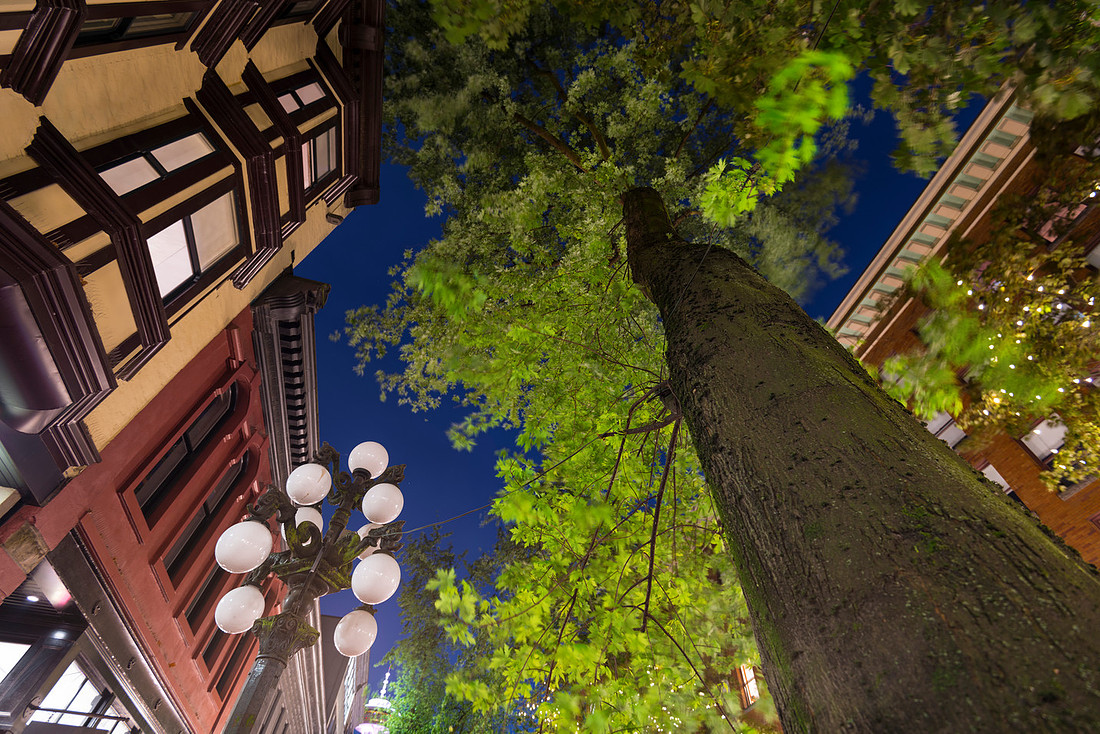
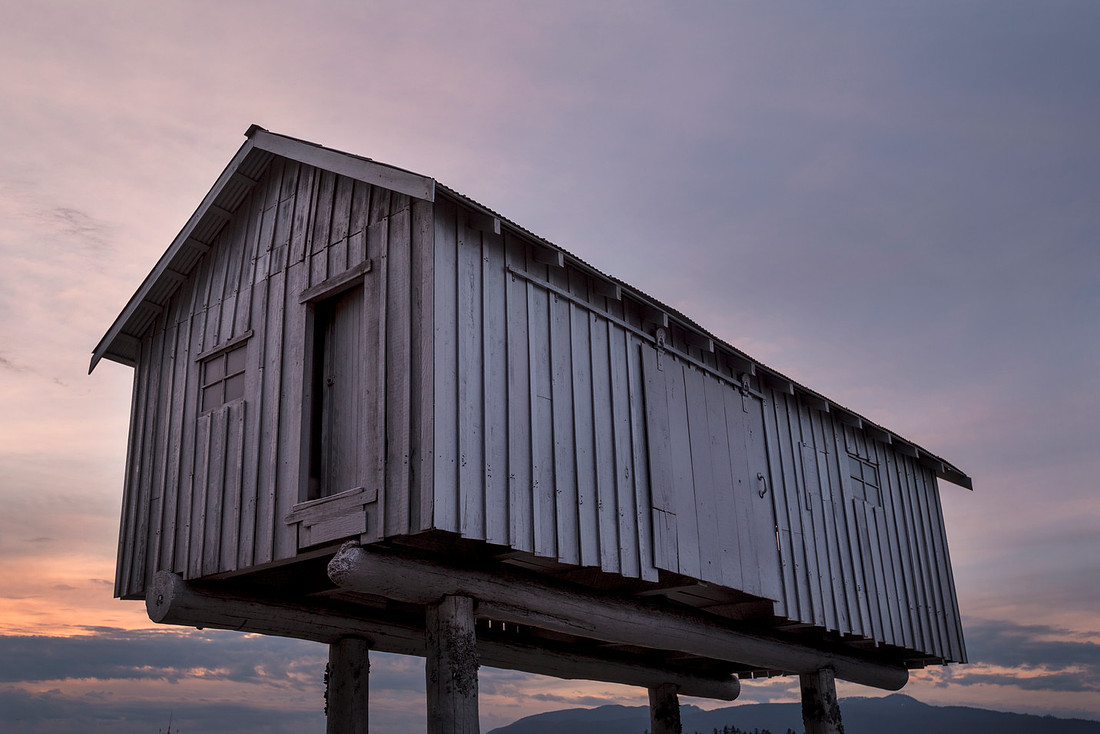
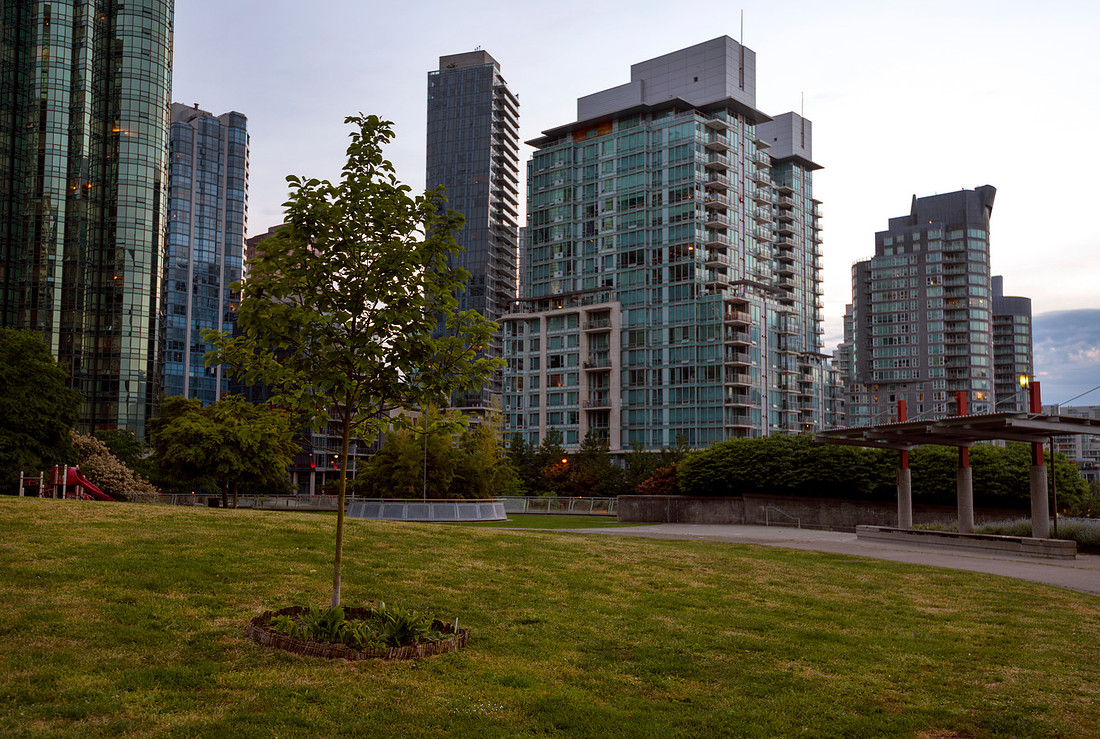
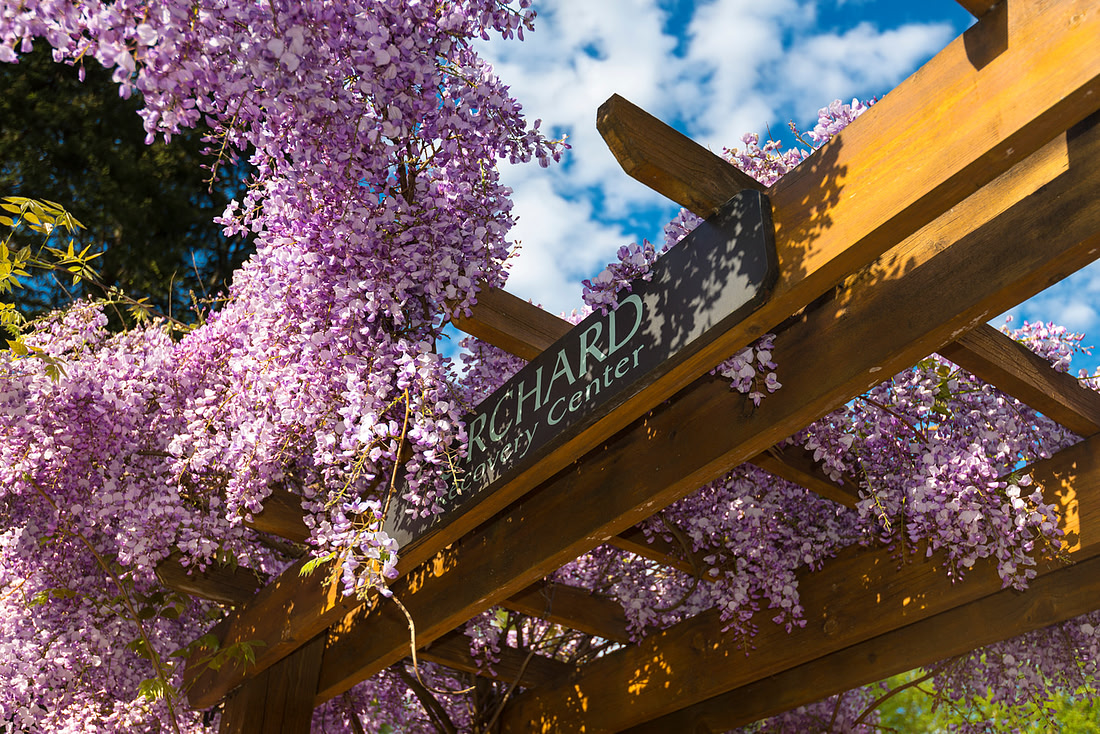
When I first started my recovery from drugs and alcohol it was a daunting task to find something to fill all my time. I had been using all my time and energy seeking my drug of choice and the rest of the time consuming it. One of the first things I picked up was an old hobby that my father tried to teach me when I was much younger, but just failed to connect with it. Photography became one of the biggest parts of my life. Starting with a small film camera and then into the digital world I would spend my early days just walking community trails and taking photos of flowers and landscapes. The idea was to just be out doing something; and at the same time fulfilling the spirituality of being in nature.
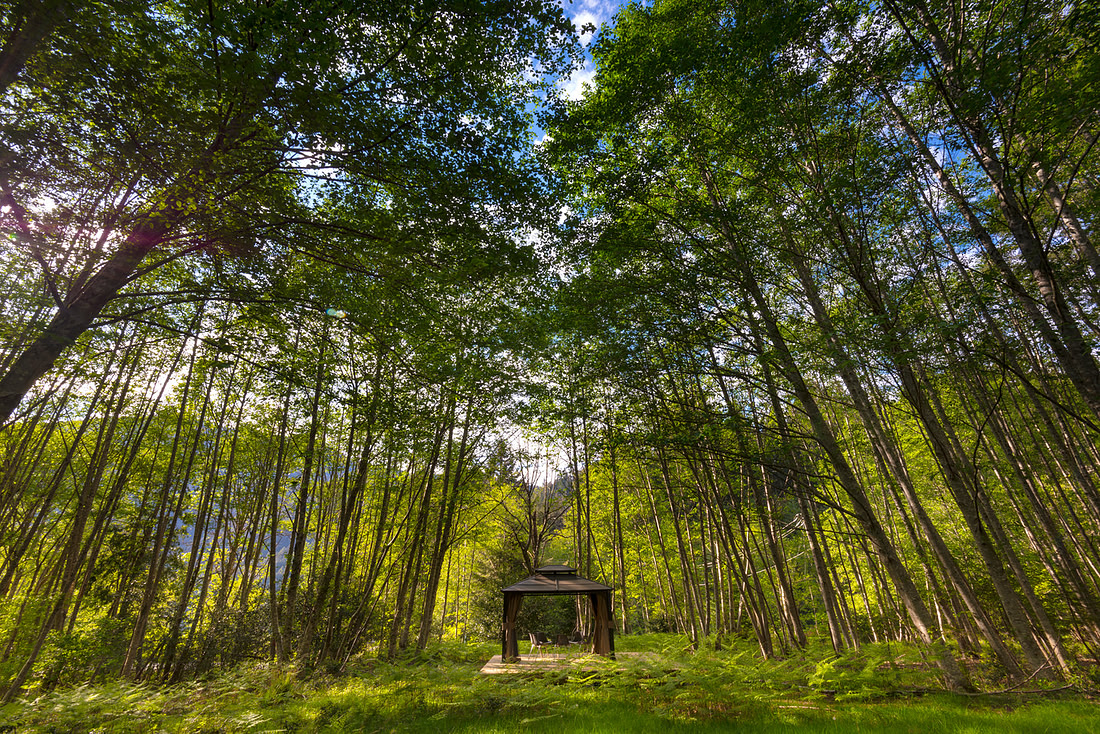 After many years of tuning my hobby and then returning to university to fulfil my Step 12 in giving back; I started into the world of Addiction Therapy. Being in recovery and having the empathy to understand other addicts, it only made sense for me to start my life path of giving back. Today I am proud to be working for the Orchard Recovery Centre on Bowen Island. After several years of experience in the private sector in Ottawa and then within the Federal Government; I have landed where I think I truly belong.
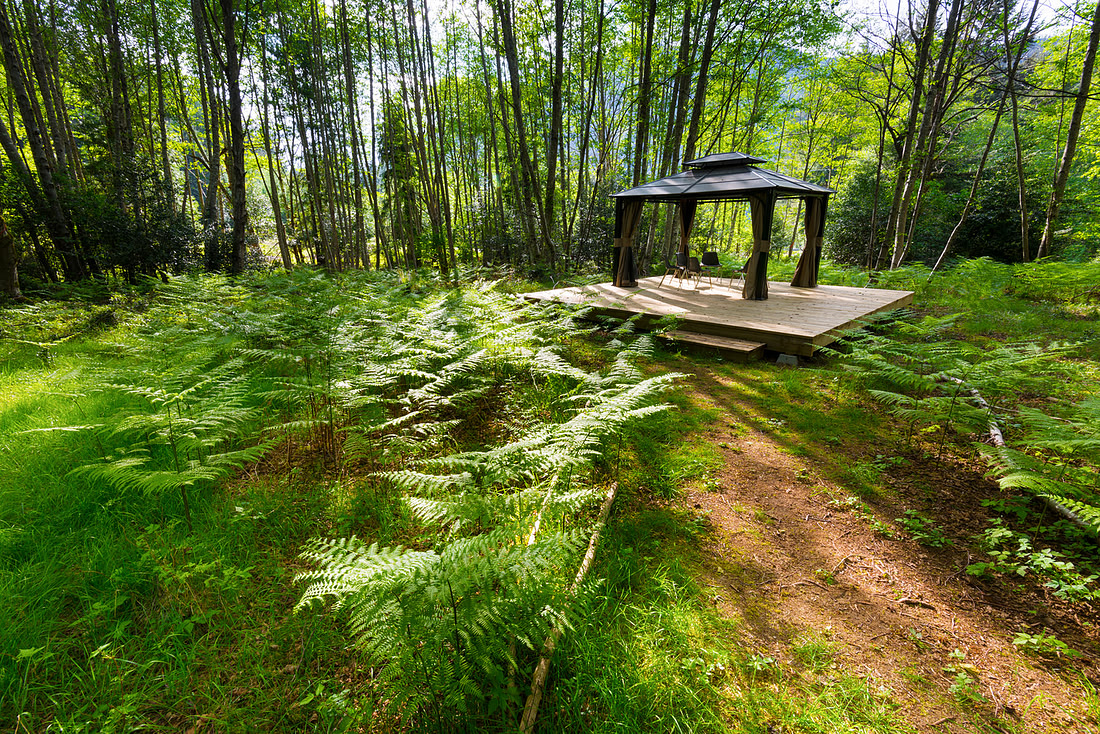 What does photography have to do with being an Addictions Therapist, or even for someone in recovery? For me it's almost everything. It helped me as an addict connect with nature and spirituality; as a therapist it also allowed me unravel my thoughts and feelings during the week from transference listening to the many diverse and traumatic stories of other addicts finding their way into recovery. Just being able to smell the air of nature and then capturing the beauty. It becomes a mindful task of setting the tone and emotion of what I'm feeling and seeing at the same time. This simple hobby provides meaning and purpose and allows me to release the energy from helping others.
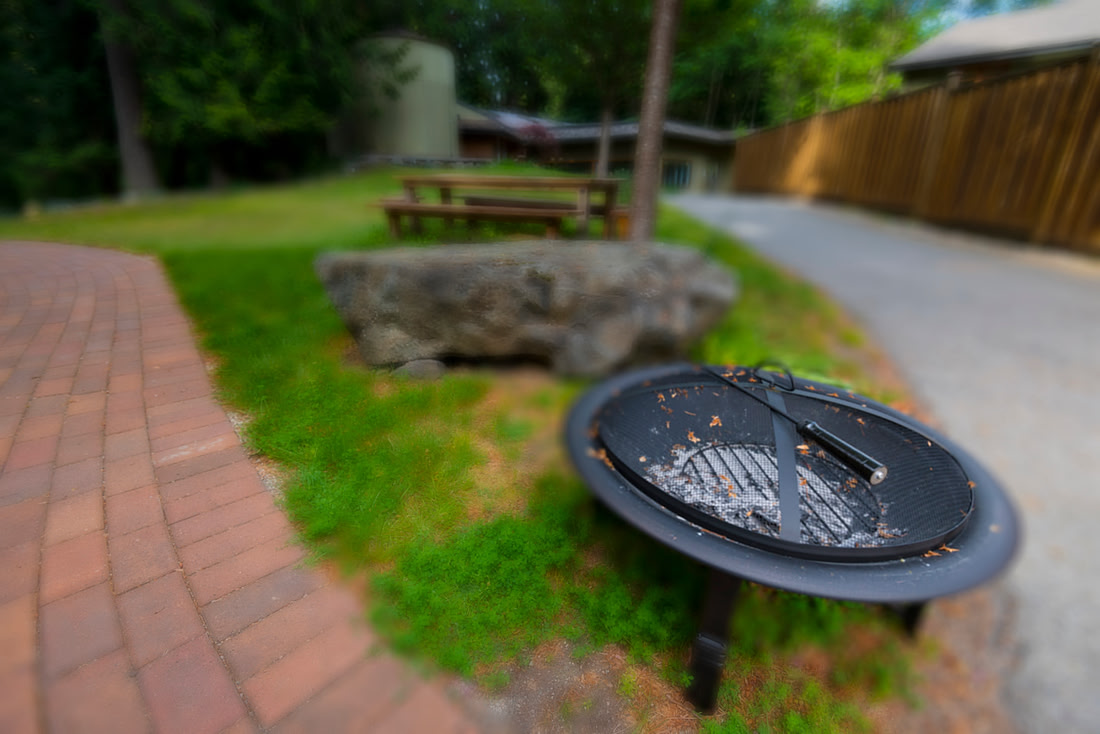 Working in such a beautiful environment and such a therapeutic setting is a dream come true. I am now able to work and live in a place that not only gives back, but also allows me to nurture my own recovery. Having a work setting that can assist in one's own recovery allows my passion to grow and ignite other's to motivate change. My passion for being able to do what i love to do in photography and blessed with a workplace that allows me to use all my skills in assisting and motivating change to others is paramount.
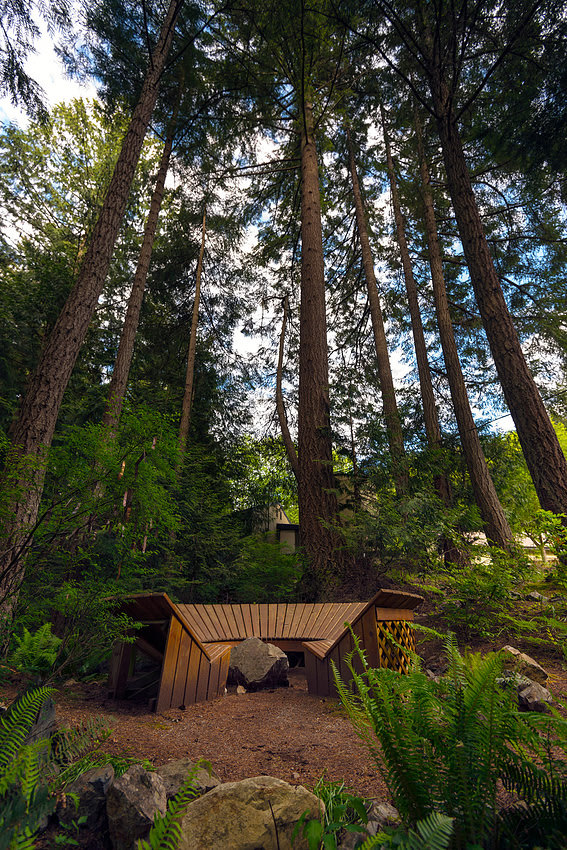
Being able to provide a group session in a setting such as this allows myself as a therapist to feel like I am boundless and infinite in where we can take our clients. Clients in recovery are given the opportunity to connect with nature and work with staff that not only appreciate the setting and power that it contains, but they live and breath it as well. With such a unique staff that all share a similar mantra to the holistic healing process can only improve change and contribute to a healthy notion of sobriety. Bringing the healing power of a healthy mind, body and spirit is everything a client and a practitioner will get while working at the Orchard.
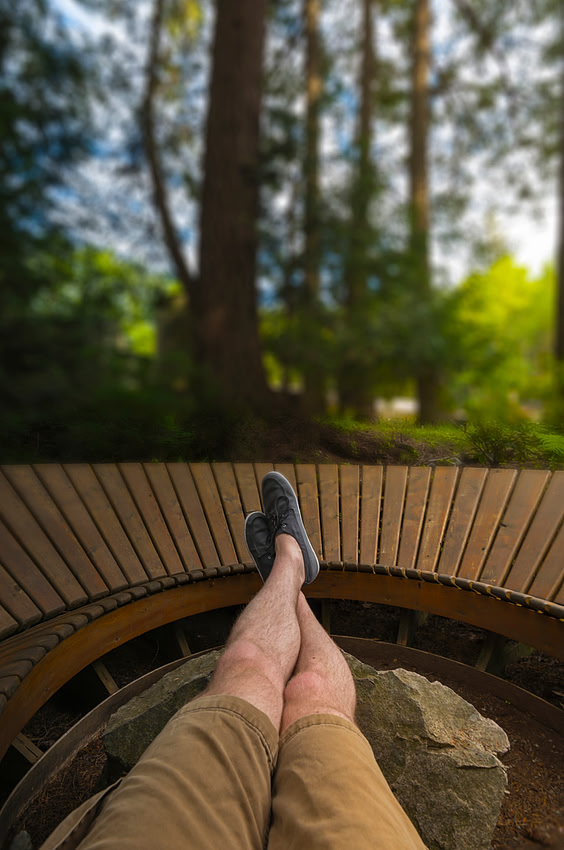
Much like photography, therapy and recovery is raw art. There is and always has been a stigma behind the starving artist and the sickness and disease of addiction. Like capturing a moment in time and then returning to the same spot to capture it again a year later we see vast differences. Whether it be a regrown forest that has come back from a forest fire, or the shrinking of a glacier as the warming earth destroys it's pristine beauty. In addiction and recovery we see the same change. The broken soul that enters recovery and finds the light and balance, leaving in a positive soul changing way; and at times struggling and fading back into the snarl of active addiction. The Orchard allows it's staff and clients to feel comfortable in eradicating the stigma of addiction and recovery allowing everyone involved to feel they can openly take steps in a non judgemental way, experiencing themselves in an honest and open way for the first time.
Photography will always be a part of my active recovery from addiction. It will continue to be my form of purpose and meaning along with a spiritual gift in capturing the natural world. As a therapist it gives me the ability to settle and process feelings from the week, allowing me to let go of stress and refuel my soul. Photography is something that profoundly changed me as an addict and keeps me in the maintenance stage of change. My blessing is that others will be able to find their purpose and meaning and work towards acknowledging and working towards sober living.
 ]]>

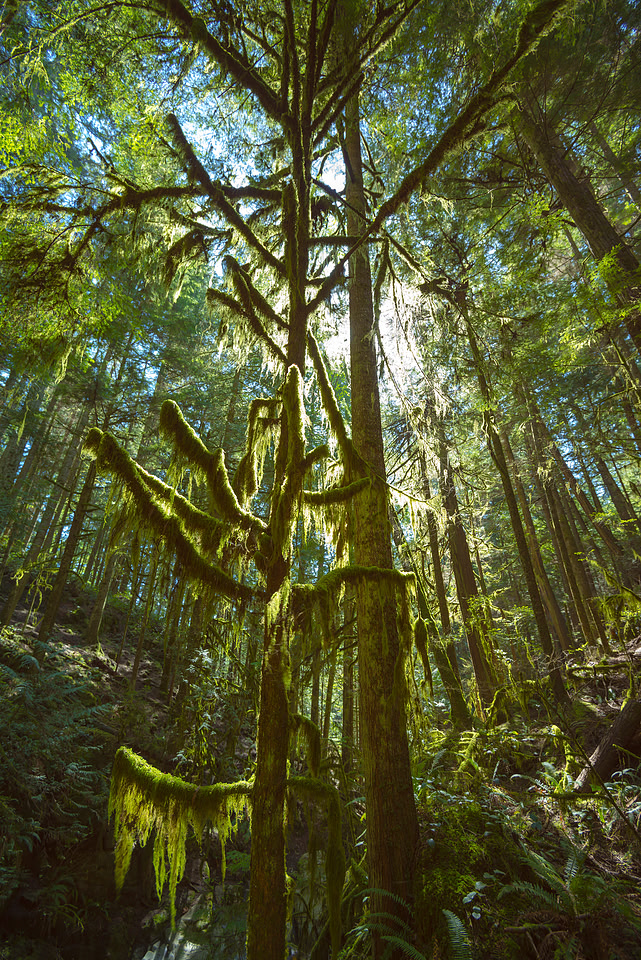
Mt. Gardner was better than expected and quite the grind.



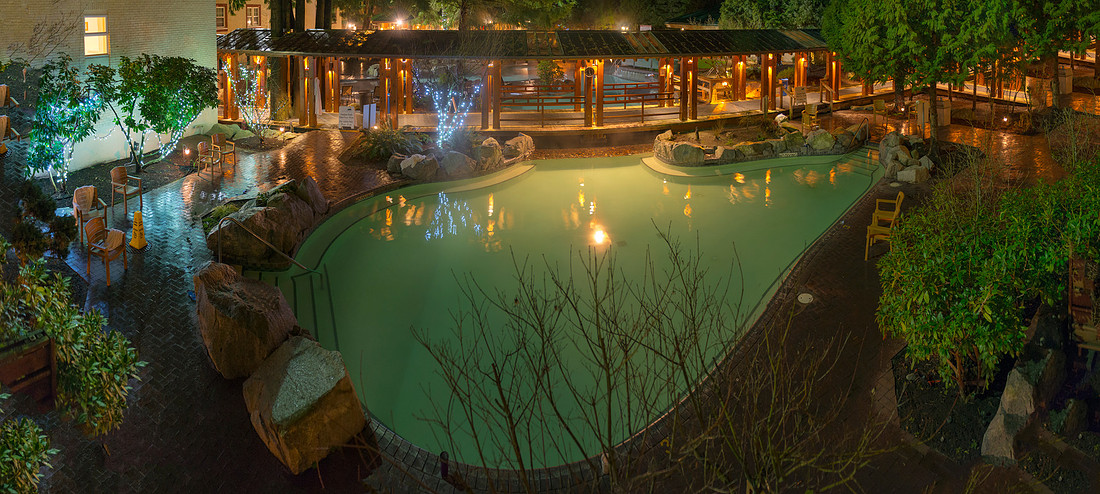
Had fun in the Hoh Rain forest below.
 Managed to see some Wild Elk!!
 Love love Second Beach and Rialto.


During the beautiful lunar eclipse (blood moon) I spent hanging around Coal Harbor in Vancouver.
Below are some sea planes bedding down for the night.
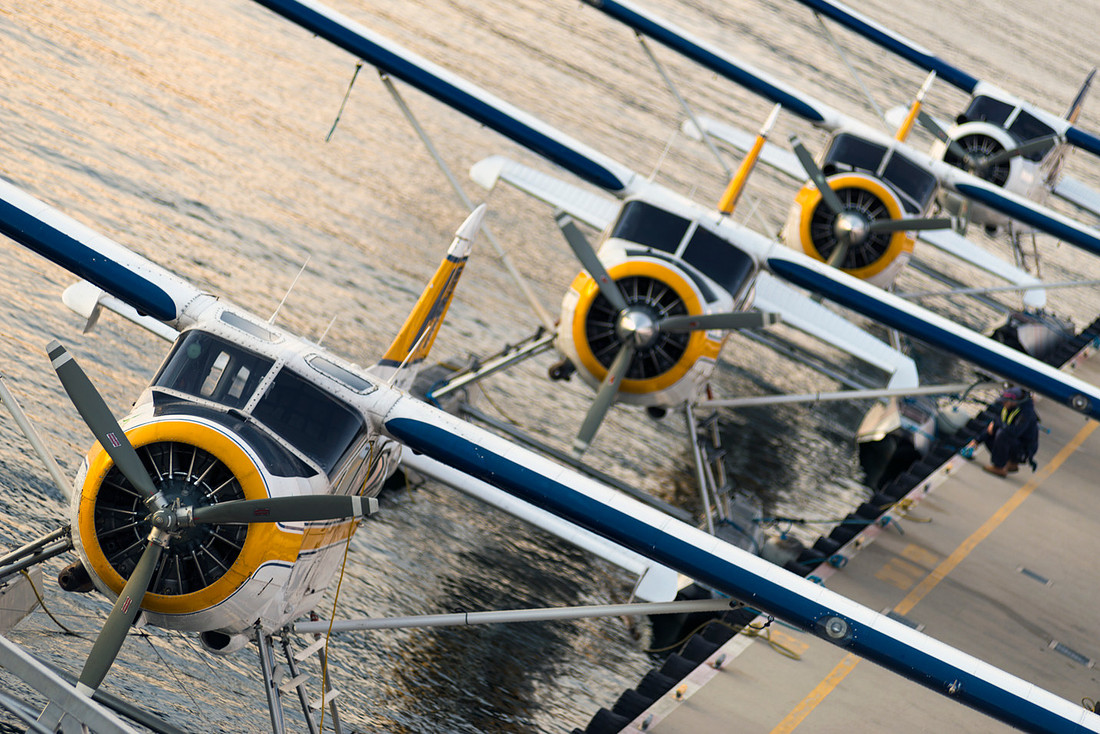
A beautiful Blood Moon.
 The gorgeous Vancouver harbor lights.
 A self portrait just before sunset.

On to the Whistler Wanderlust festival. So much fun and I met so many amazingly talented yoga practitioners.
 Great back-country in Crater Lake Oregon and some extended time at Mt. McGuire in Chilliwack BC. Of course two days at Panorama Ridge in Whistler.


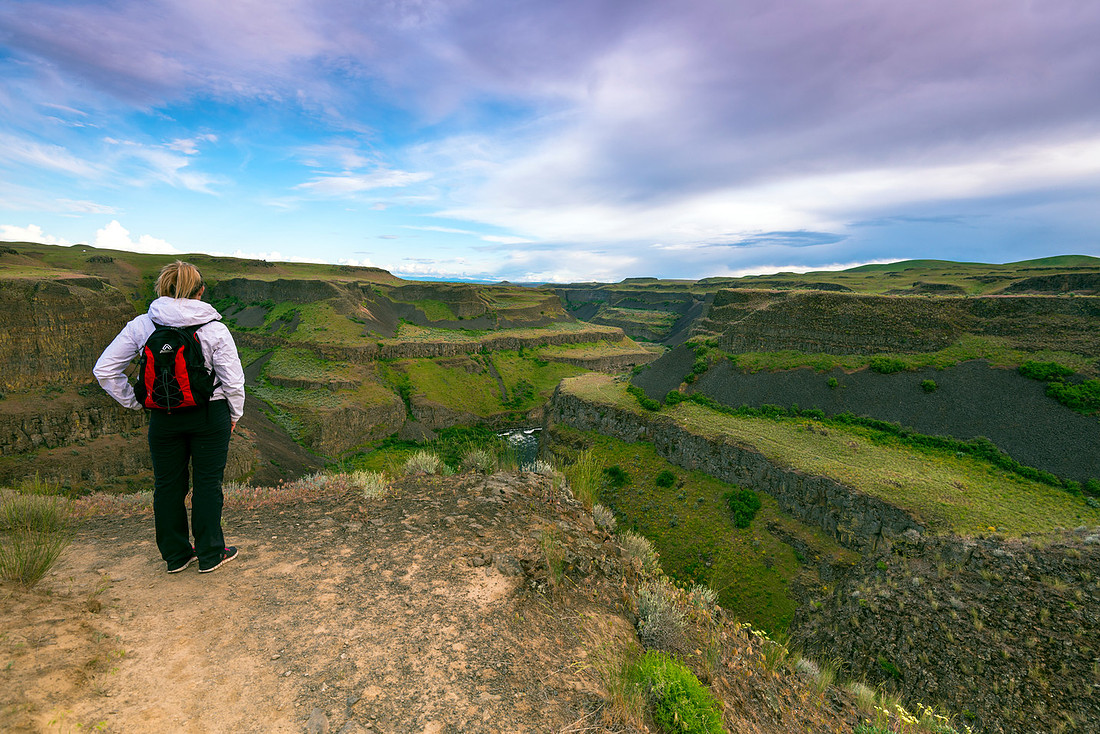
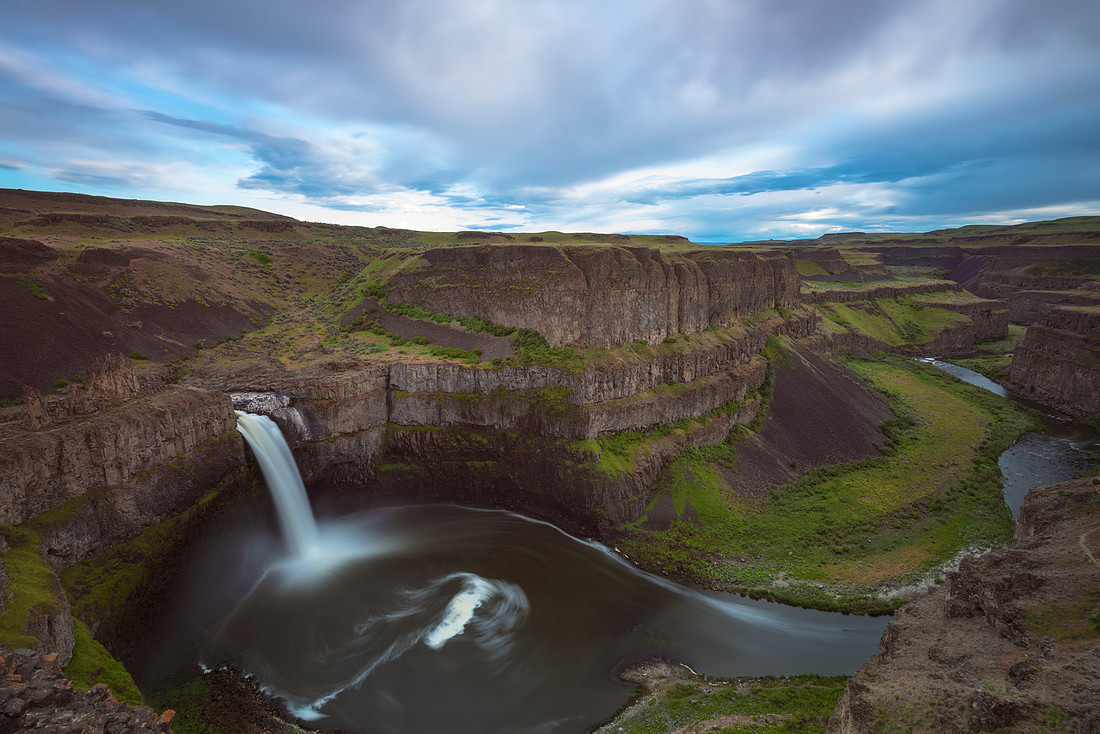
It's been on my list for quite some time as it should be on any landscape photographers. One of the most beautiful places to photograph on the West Coast. The photo below is of Sarah looking out during sunset of the wide expanse of the Snake River Canyon.
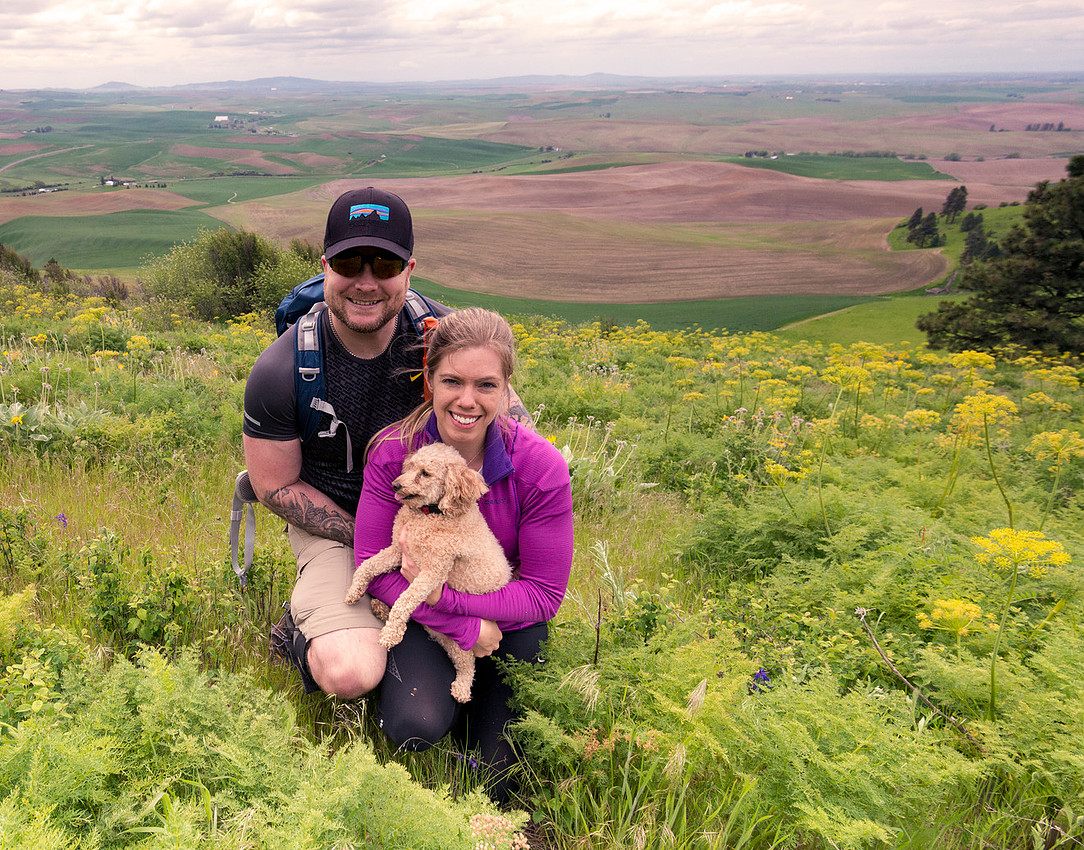
We also spent some time just meandering along the Buttes in the area overlooking the beautiful farm country. Of course Reggie had a great time as well.
Here is a shot of the Falls itself ..... the picture still does not do it justice.
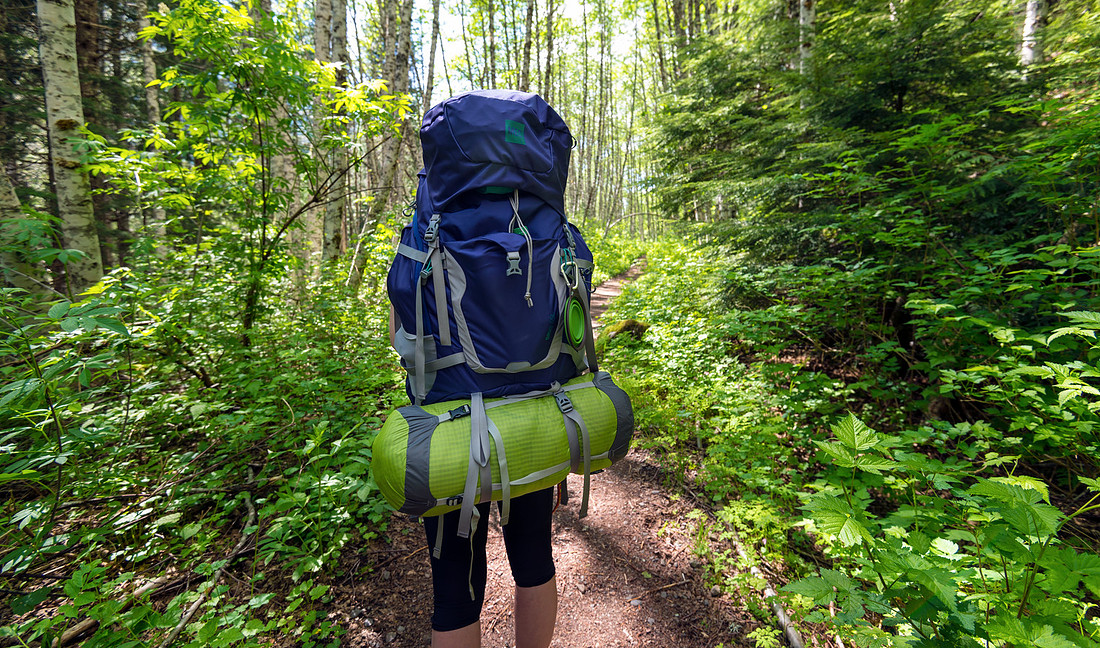
After a few days in the Palouse we travelled back towards the Seattle area and decided to do a shoulder season hike called Goat Lake. I had never heard of it, but it is actually quite popular. It is also very close to the mudslide disaster that occurred this spring. It is one thing to see it on TV, but to see the devastation in real life is another.
Sarah is testing out her new multi day pack getting ready for Mt. Everest.
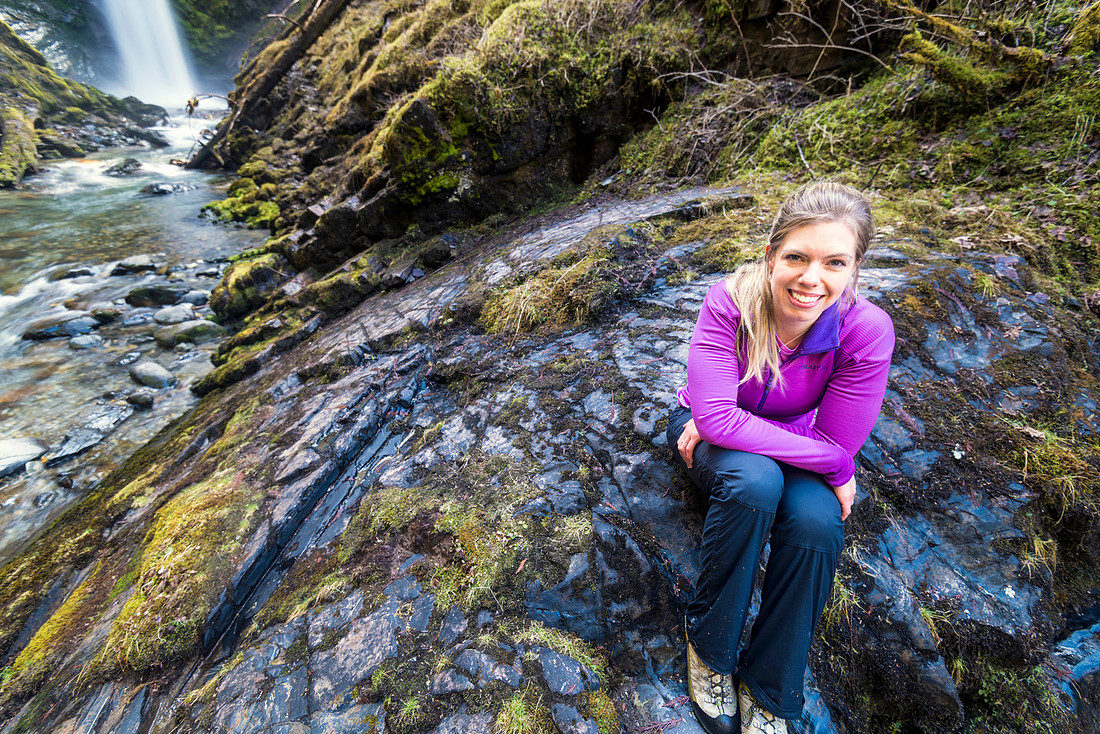
Above on our way home we made a stop at Wells Creek in the Mt. Baker area. Another gorgeous area you should really stop and take a look at.
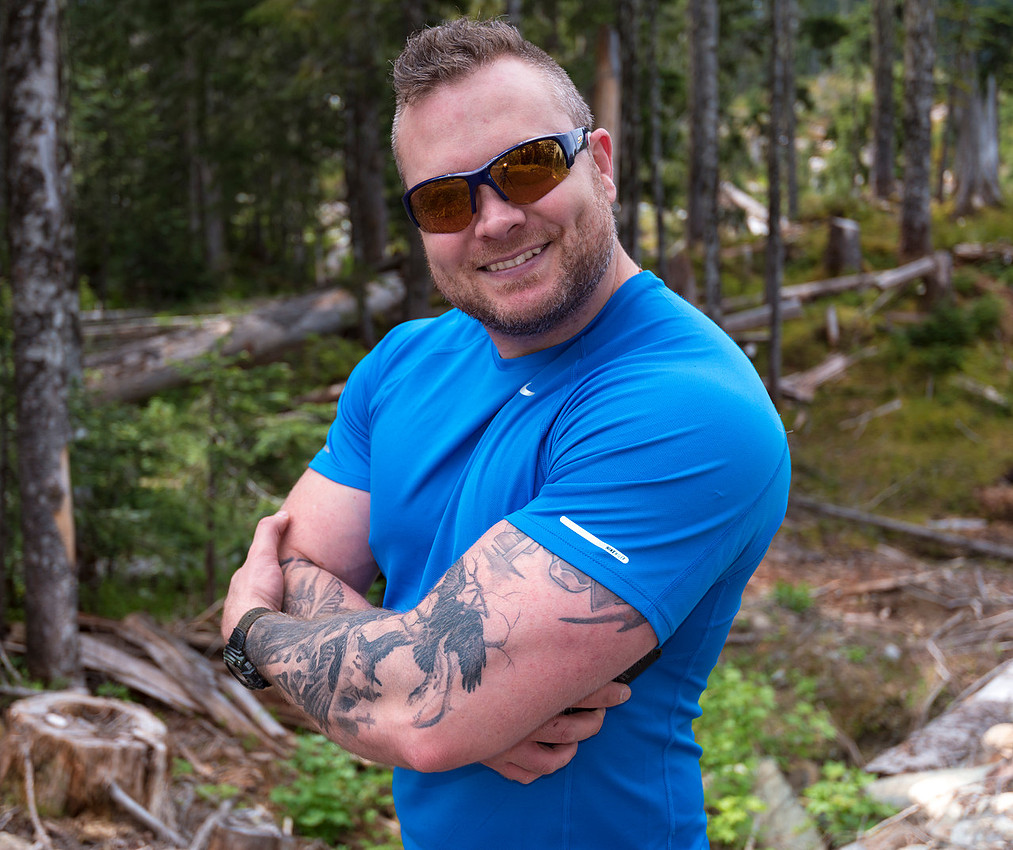
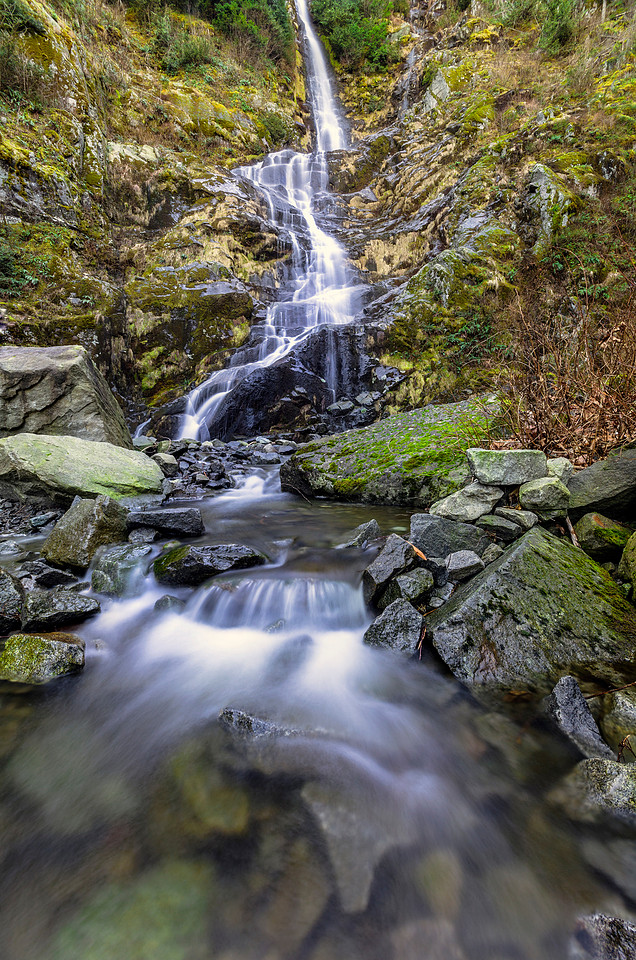
 Made a stop at Flood Falls as well.
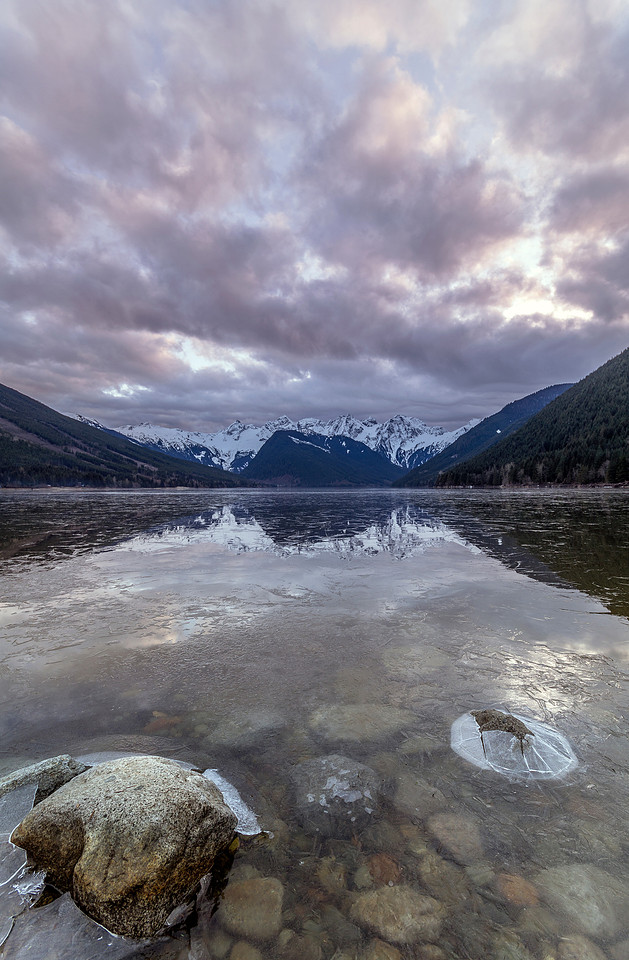
Finally up to Jones Lake to end the day and did a quick time lapse with the GoPro .... good Saturday overall!!
]]>
Another video of the fog moving around along the Chilliwack river during the endless winter rains.
Thought I would share a picture of the backpack and rig I'm using to attach the GoPro to. It is a Clik Elite backpack and the mount is actually for a strobe or flash unit, but it works wonders for a go pro mount and you don't need to sacrifice your tripod if you have another SLR on it at the time.
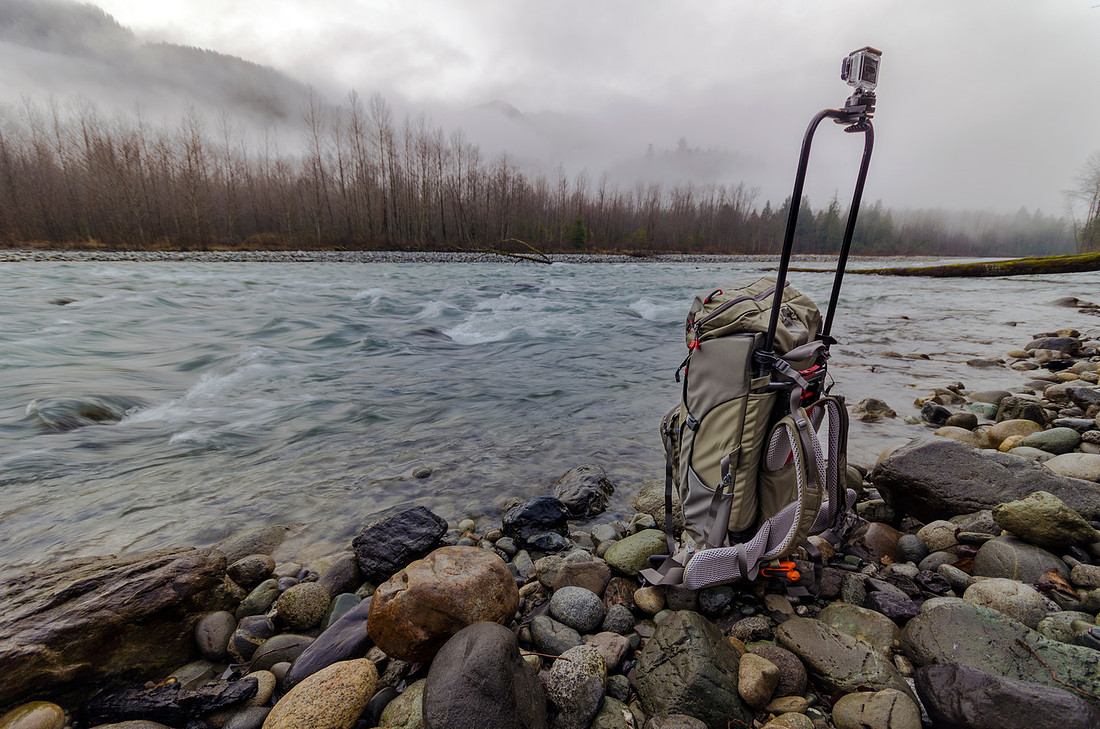
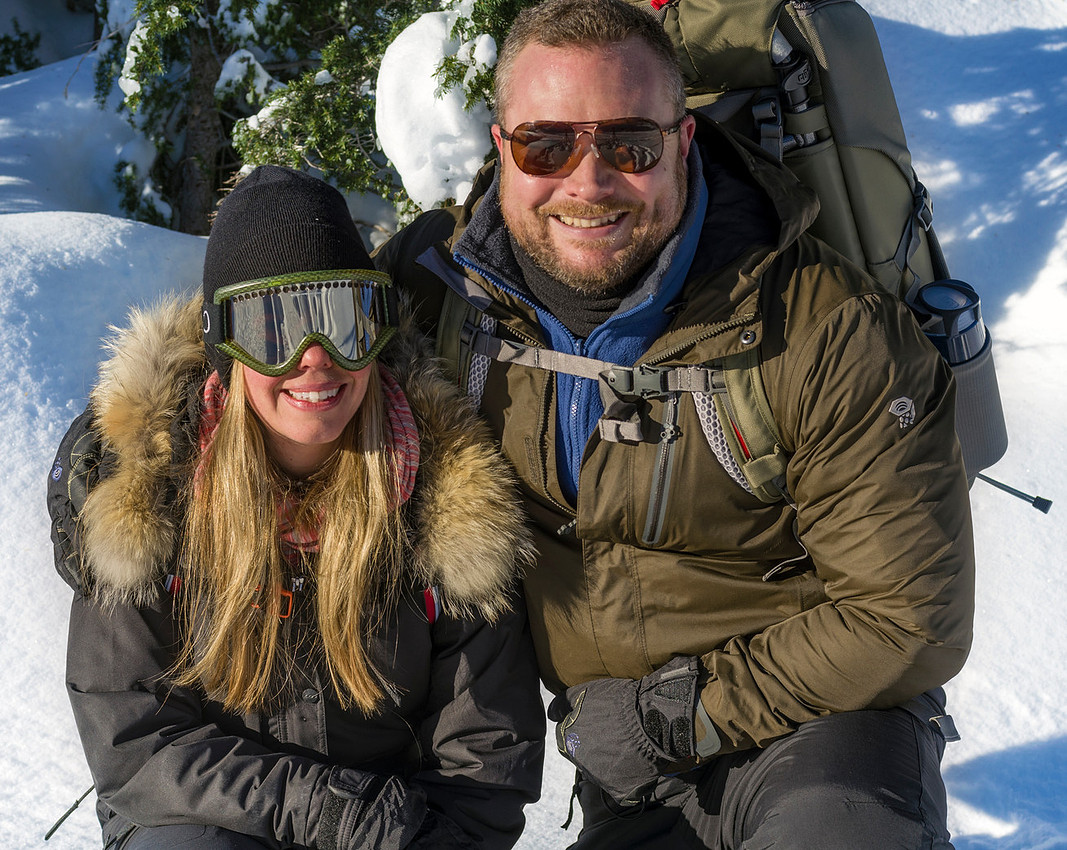
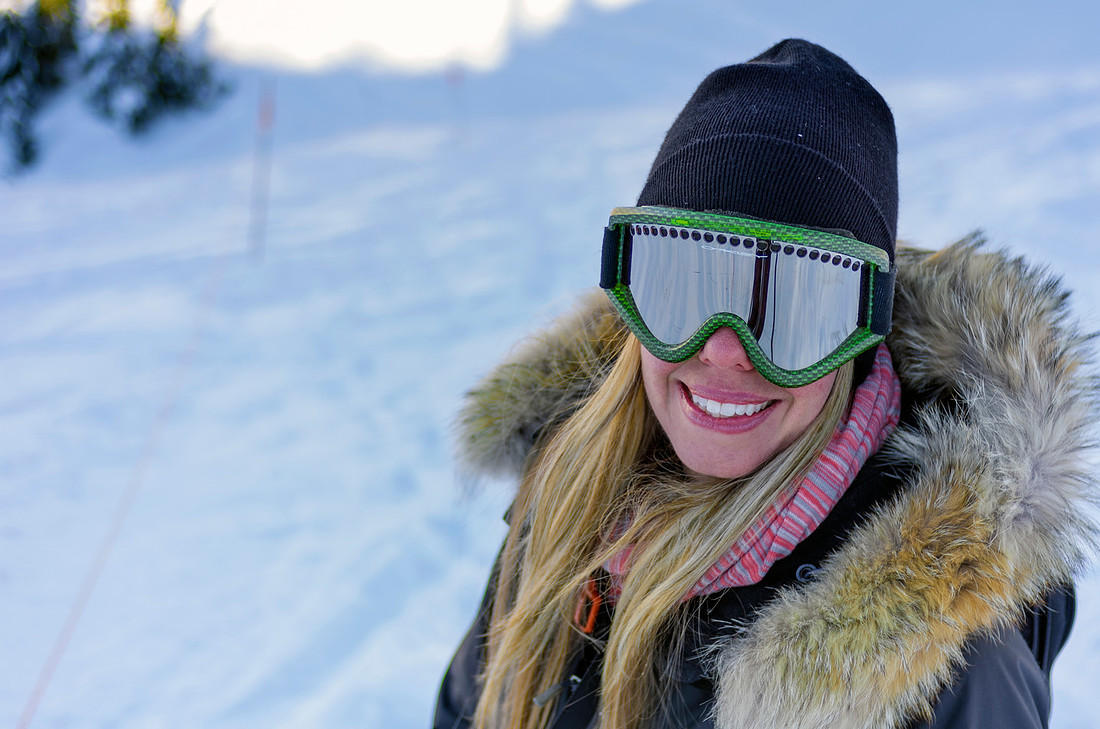 Even just stopping for a minute my beard started to frost up and the winds started howling through our ears. We had brought lots of water, but had to constantly agitate them to stop them from freezing. Beautiful views along the entire trip.
 Topping off the day we were greeted with the alpine glow over Mt. Shuksan. No matter how many times I see it .... it never gets old.
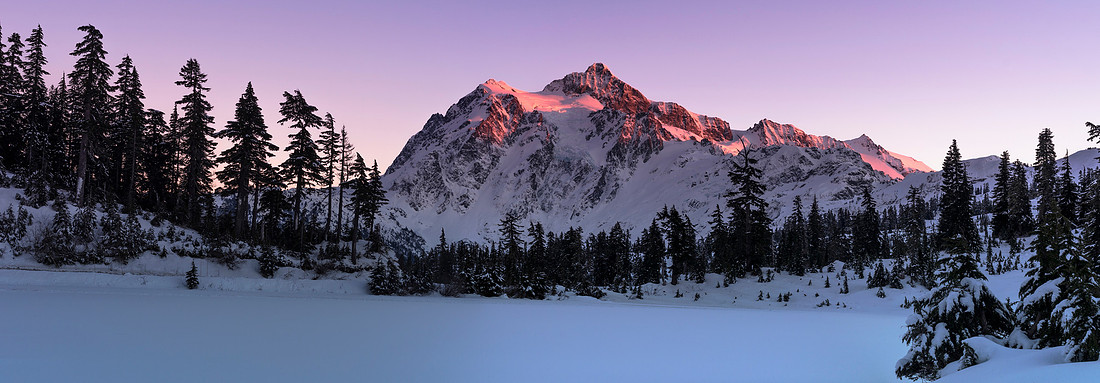
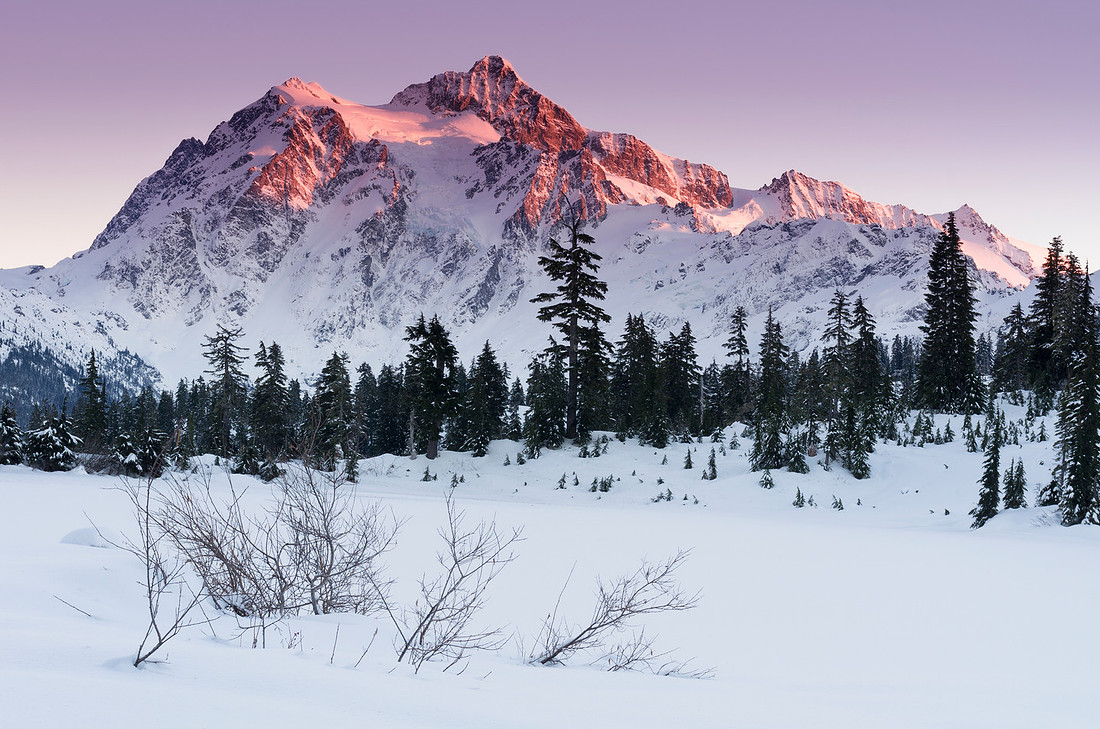
Here are some of the pictures from the area.
Skagit Creek below.
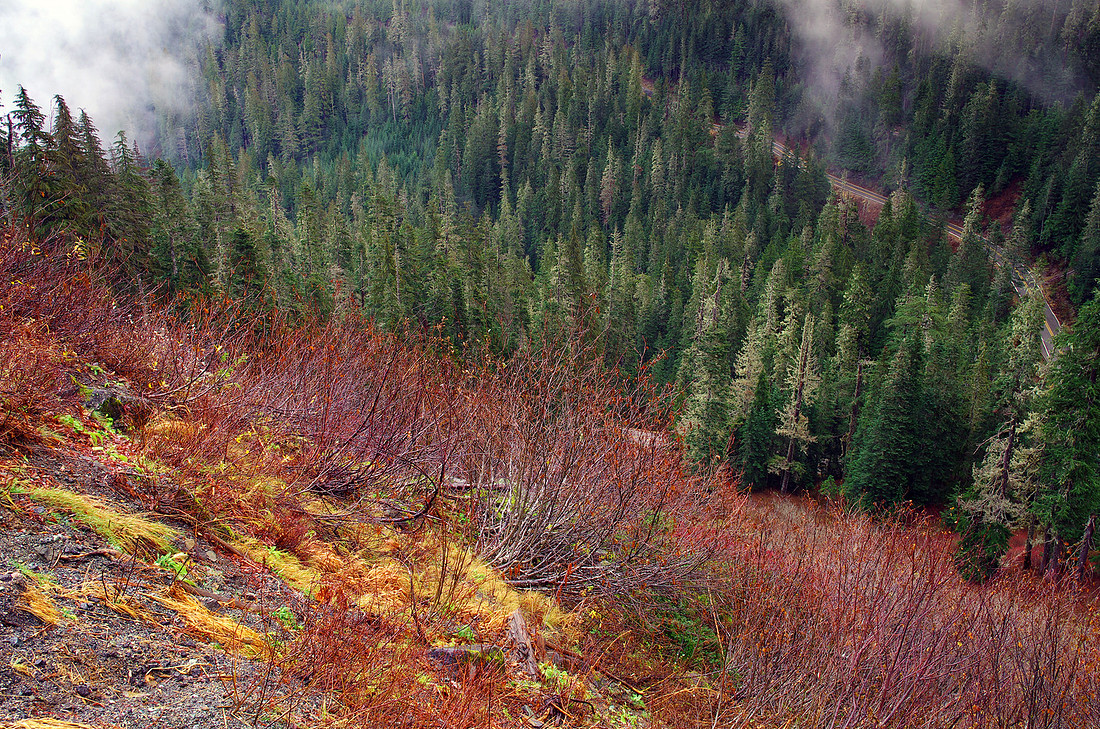
After spending some time at the lower elevations I decided to head across the border and into the Snoqualmie National Forest for some shots of Mt. Shuksan, but alas it started to snow and then the fog moved in. Still no chains by the way. I really need to get around to that. Here are a couple shots of Washington State near Glacier.
A shot from the Mt. Baker highway just below the snow line.
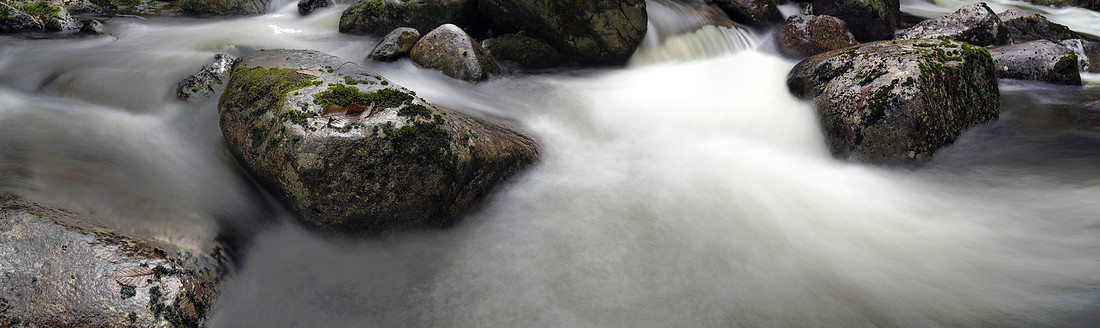
One more from the Skagit Valley below. Overall it was a nice little few days driving around, but being an Ontario kid; this rain still gets into your soul. Happy trails!!
]]>

After about two kilometers from Strawberry Flats we decided to go on and check out Three Falls trail in hopes that Derek Falls might be frozen. The park still has not groomed the main section to Three Falls trail, so we were trail breaking the entire way.
This was our first lookout along the trail.

The views don't open up much, but when they do they are spectacular. Not sure what that mountain is in the background and maybe someone can identify it for me. Keeping along the trail I thought the snow might start melting, but it seems that being above 4000 feet is keeping everything in place.
Kind of gets the festive feeling going with all this fluffy snow and Reggie in his little red outfit.

After finishing up the trail and back to the truck, the total kilometers on Sarah's Garmin was 9.9 km's. It felt like 20 with my giant flat ground snowshoes. I'm not snowshoeing again until I pick up some mountain shoes. After packing up we headed down to Lightning Lakes to see if there would be a nice sunset. Wrong ... weather was moving in and snow looked imminent.

The lake is not quite frozen enough to stand on, but it did produce some interesting fracture lines.

Overall a good trip, but if you are thinking of heading to the area I would wait another three weeks or so for a little more snow and maybe some better sunsets. lol.
]]>
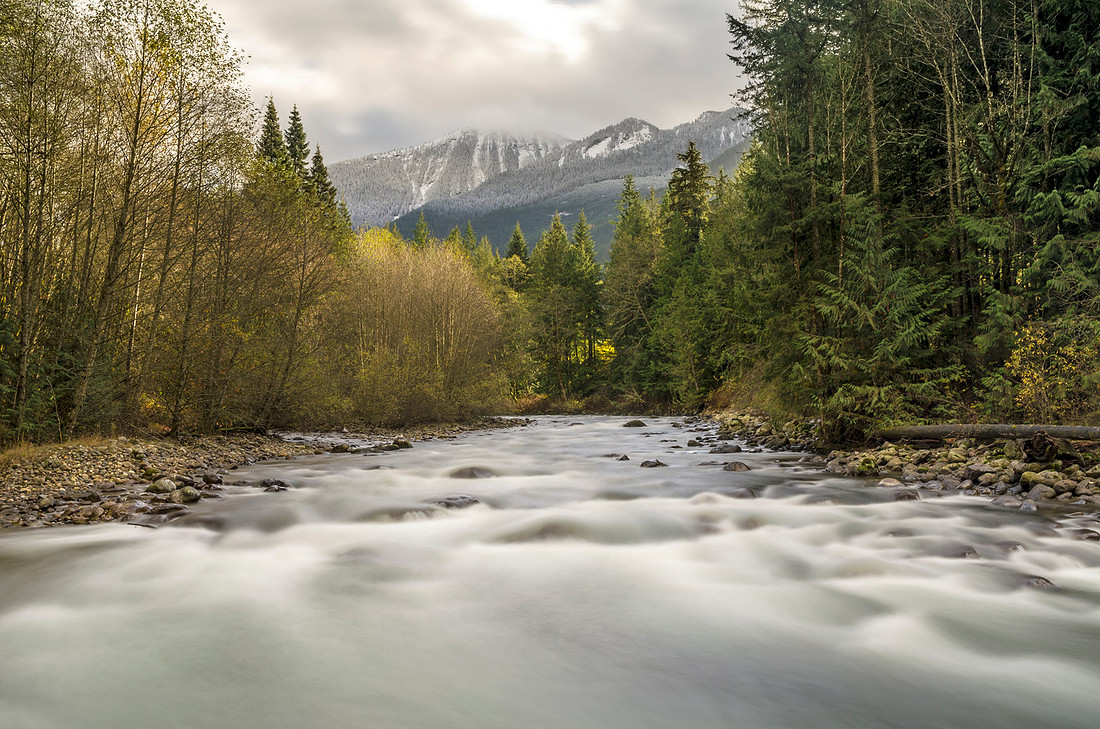
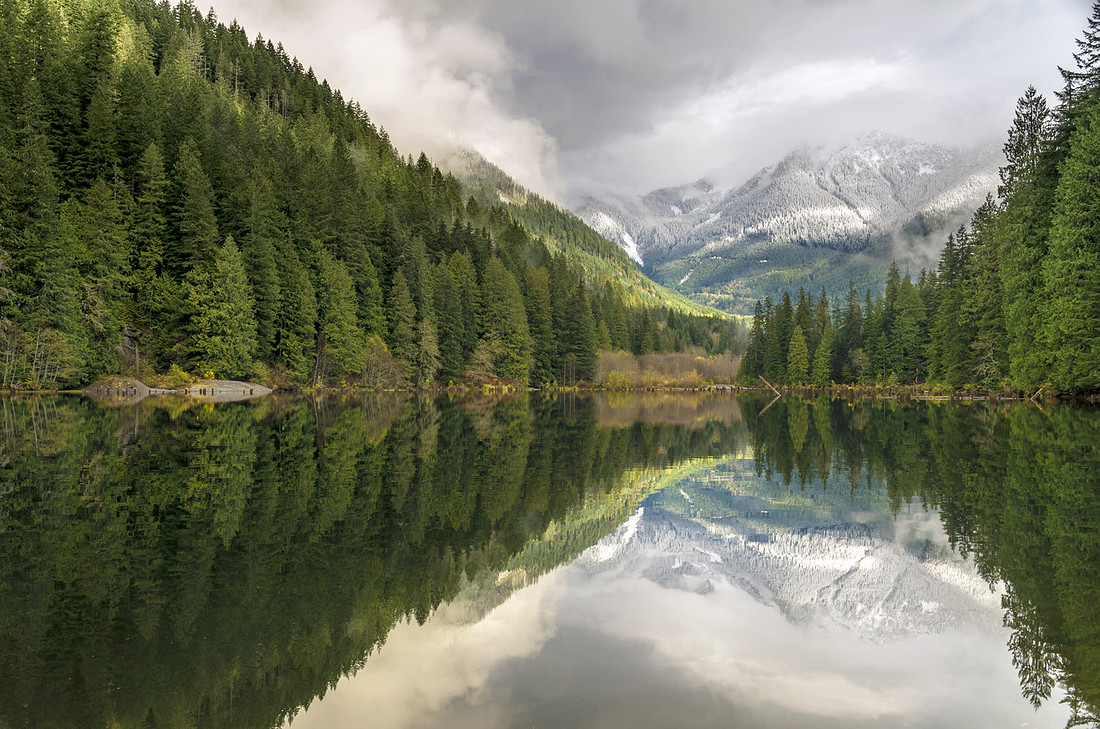
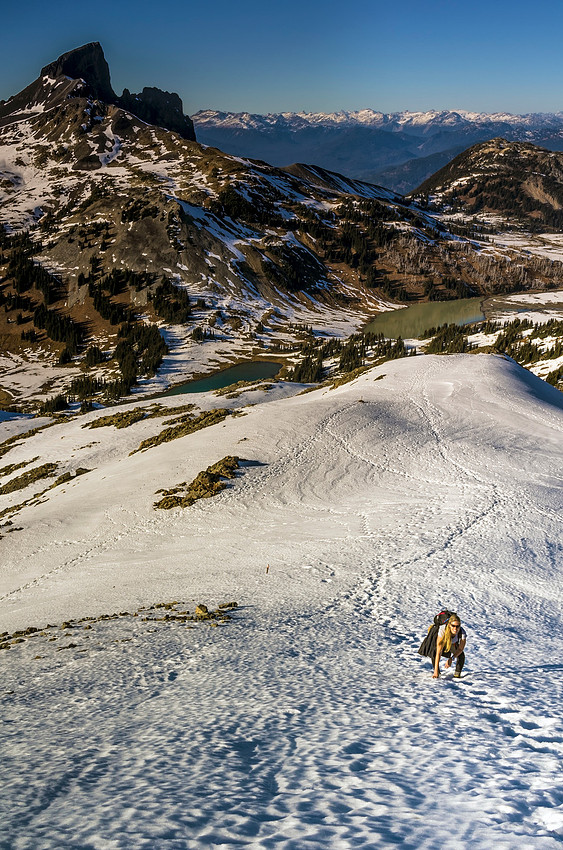
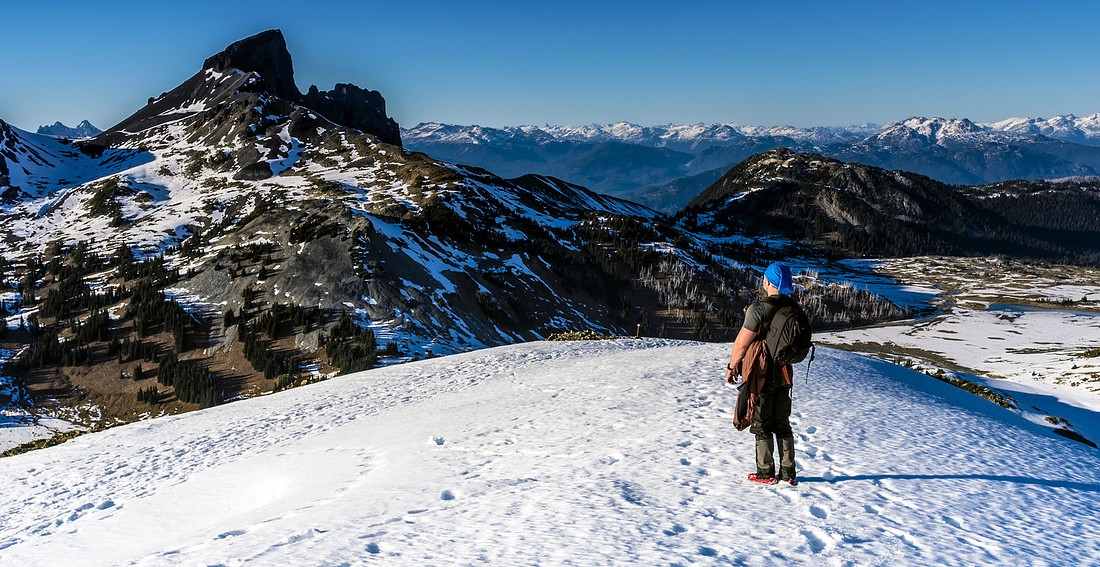
Sarah climbs almost straight up to the ridge using some post holes already made by someone a few days earlier. The views from the top were unreal with a "no pun intended" panoramic views.
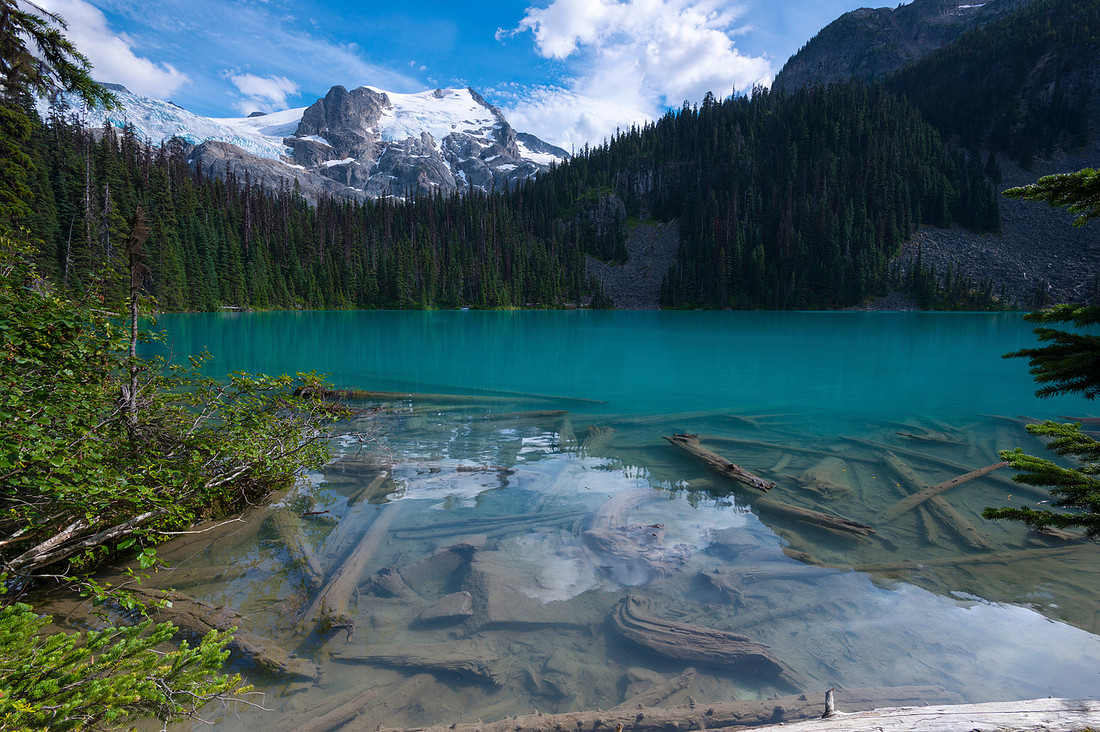
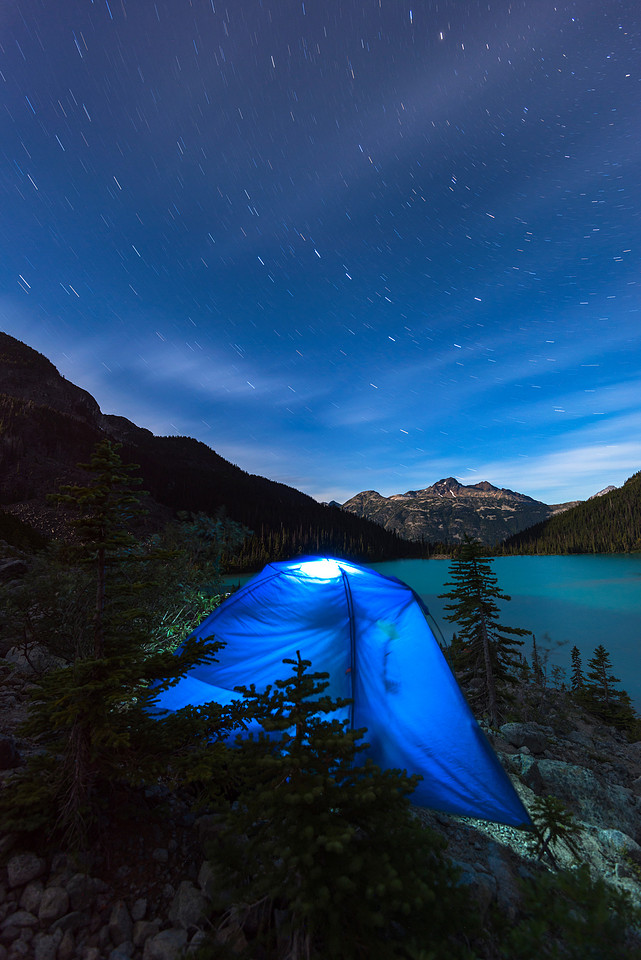
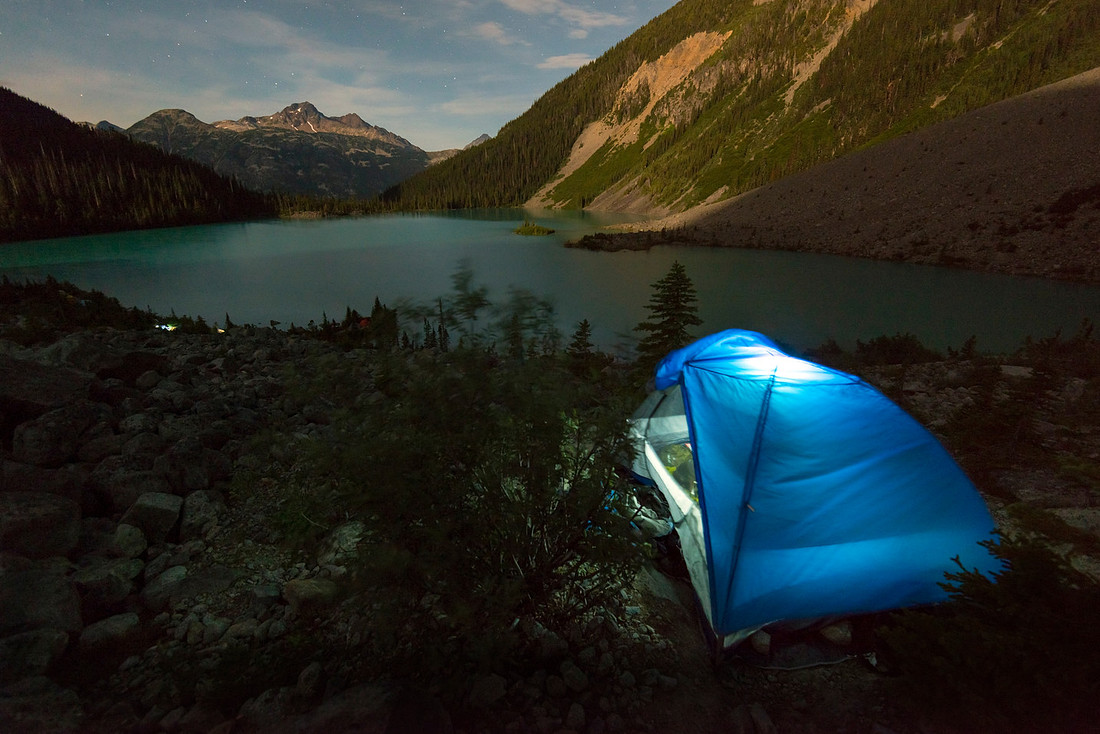
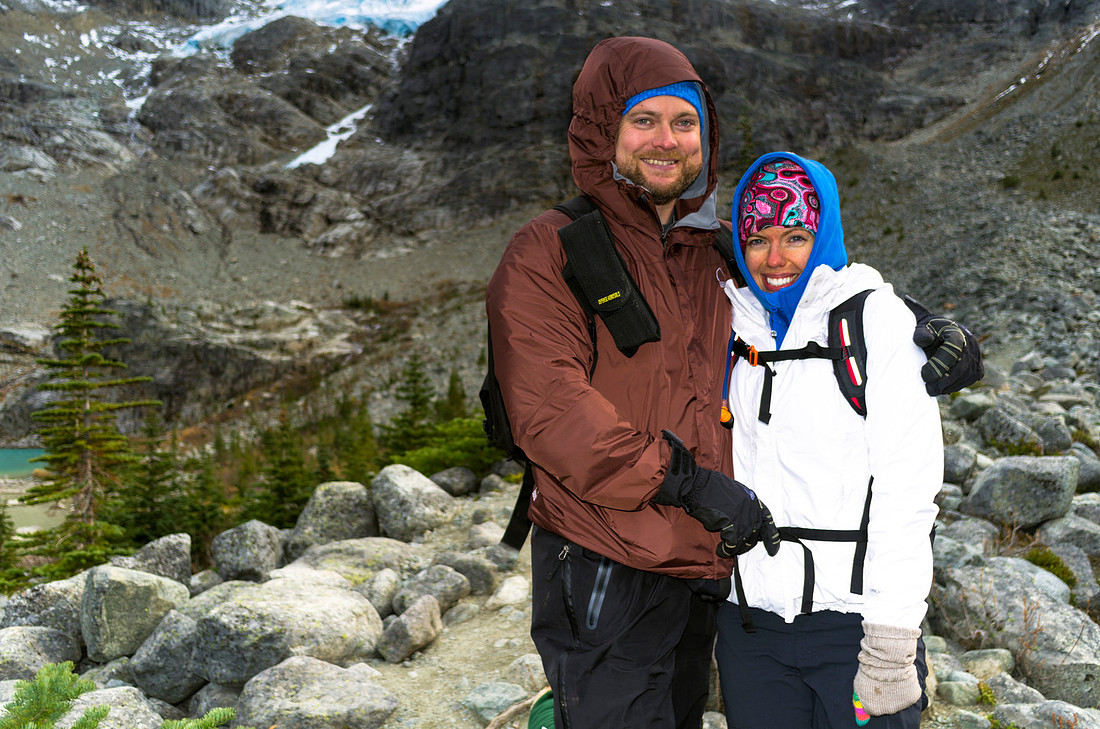
The following day we still had some great weather and thought we would take advantage of going to Joffre Lakes. Lots of wind and very cold with a light snowfall. Sarah couldn't stop shivering for the rest of the evening.

After coming down from the snowy FSR we decided to hike Elk Mountain considering we couldn't get to the Liumchen Lake parking lot.
More snow at Elk Mountain, but overall a good fun day.

]]>